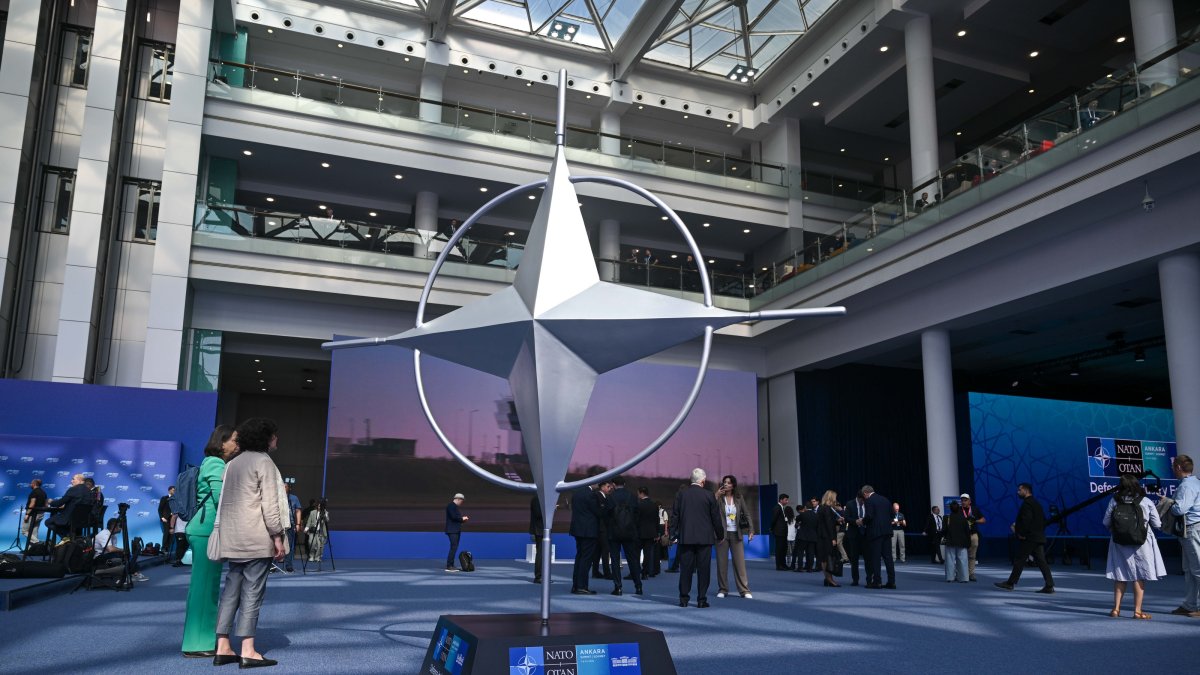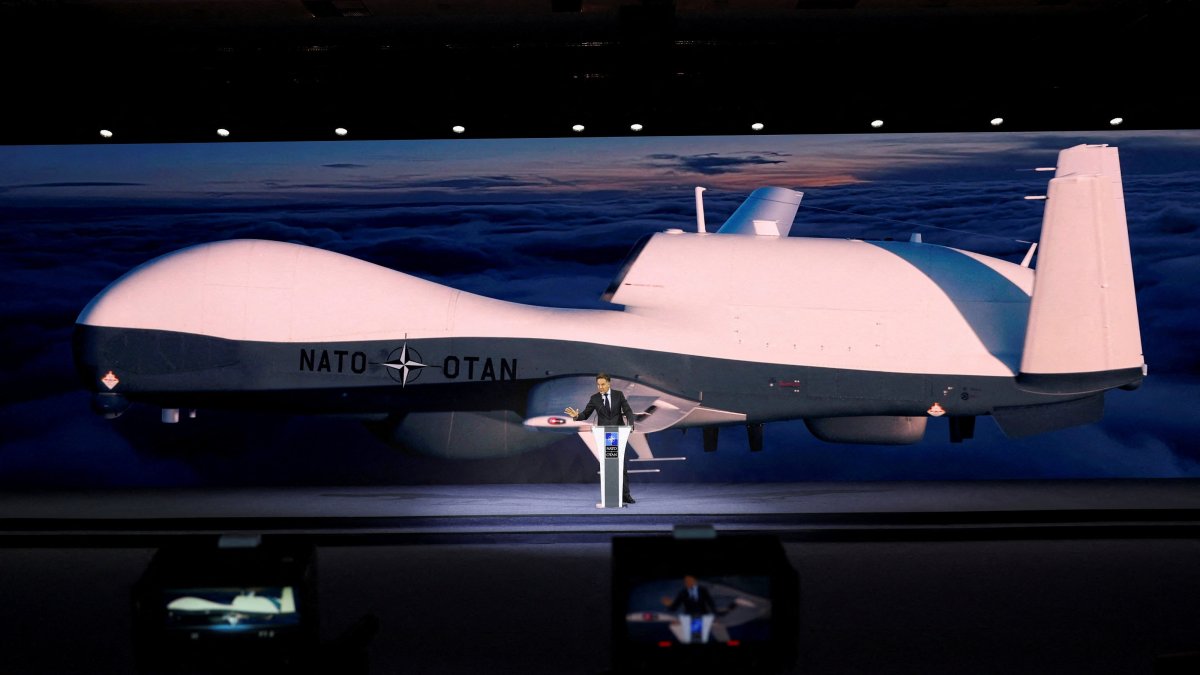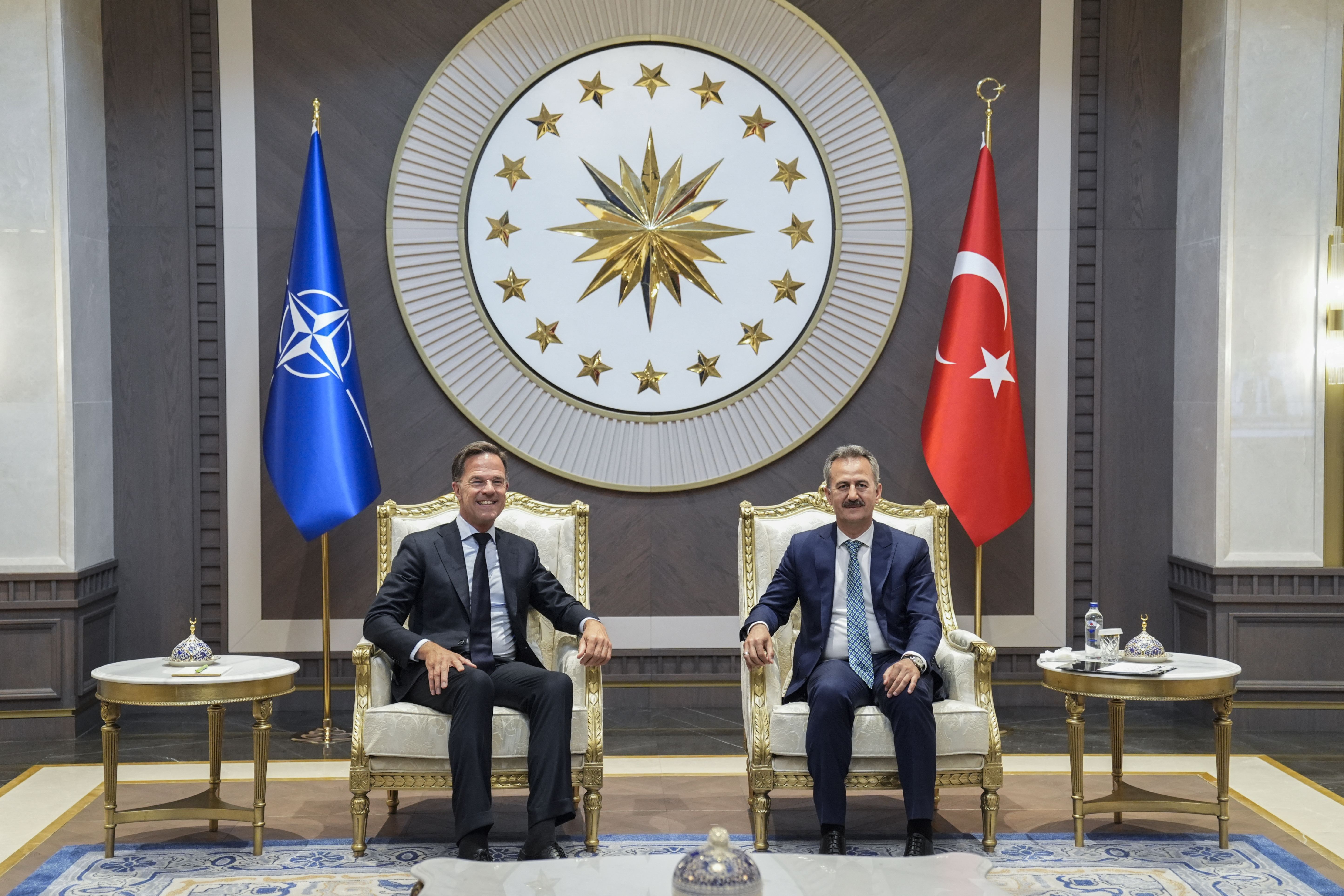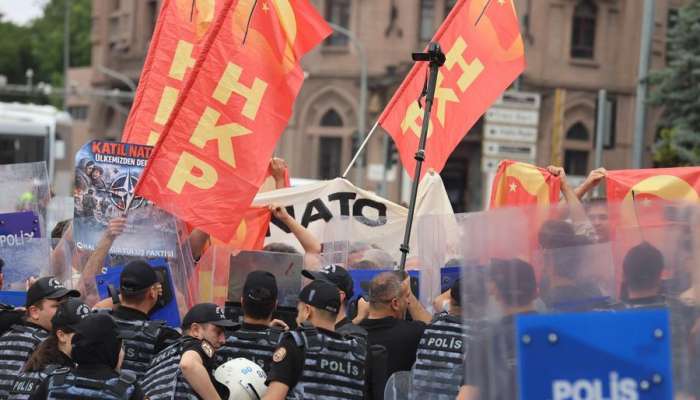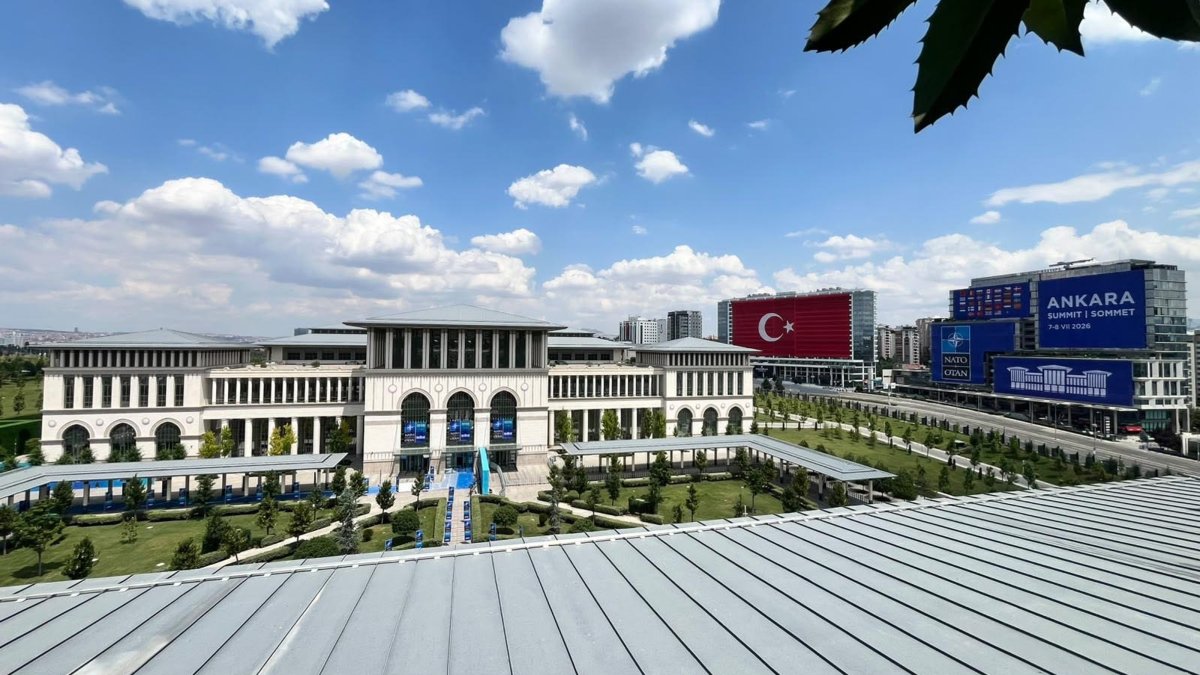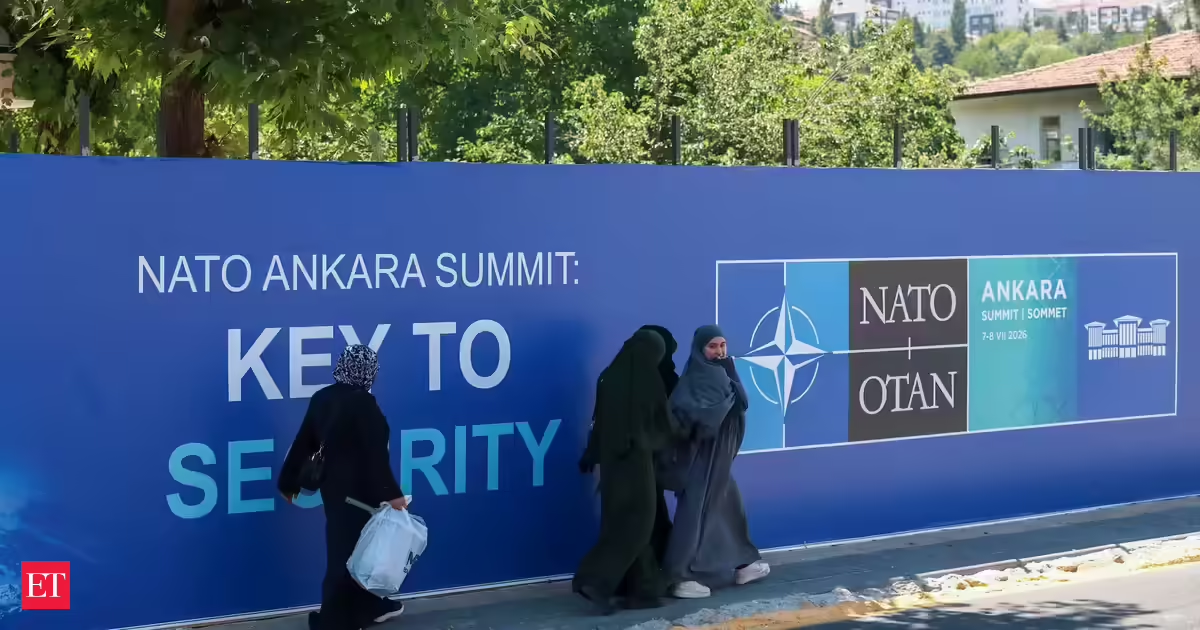
WASHINGTON -- As NATO leaders gather in Ankara for a summit expected to shape the alliance's future direction, European capitals are looking beyond defense spending targets and procurement announcements to what many see as the meeting's defining challenge: whether the alliance can demonstrate political unity at a moment of profound geopolitical change.The July 7-8 summit of NATO's 32 member states comes amid continued Russian aggression against Ukraine, growing pressure on European allies to shoulder more of the defense burden, and persistent questions over the future of the transatlantic relationship under US President Donald Trump.NATO Secretary-General Mark Rutte said the gathering aims to ensure the alliance "continues to deliver."
Trump's schedule underscores his central role at the summit, with participation in the leaders' working session, bilateral meetings, and a concluding press conference before departing Ankara.Much of the commentary surrounding the summit has focused on uncertainty over Washington's long-term commitment to European security.But Michael Hikari Cecire, a defense and security policy researcher at RAND, argues that this framing overlooks a deeper strategic transformation already underway."The standard commentary surrounding the NATO summit in Ankara will likely focus on familiar anxieties: a politically volatile, increasingly hemispherist US and a European continent worried about the durability of the post-1945 order," Cecire told RFE/RL in an interview. “But this crisis narrative misses the deeper structural reality.”Rather than witnessing the failure of transatlanticism, Cecire argues that the relationship itself is evolving.“Transatlanticism isn't necessarily failing so much as its geometry is changing," he said, describing a transition "away from the old, pyramid-shaped hierarchy dominated by, and dependent upon, Washington toward a more dyadic partnership of equals, bound by ironclad operational realities.”In Cecire's view, the US and Europe remain strategically inseparable despite shifts in US force posture and changing security priorities."From defense supply chains to forward basing, the US and Europe remain fundamentally codependent," he said.That, he argues, means the summit's central task extends beyond reassuring allies about America's commitment to Europe.