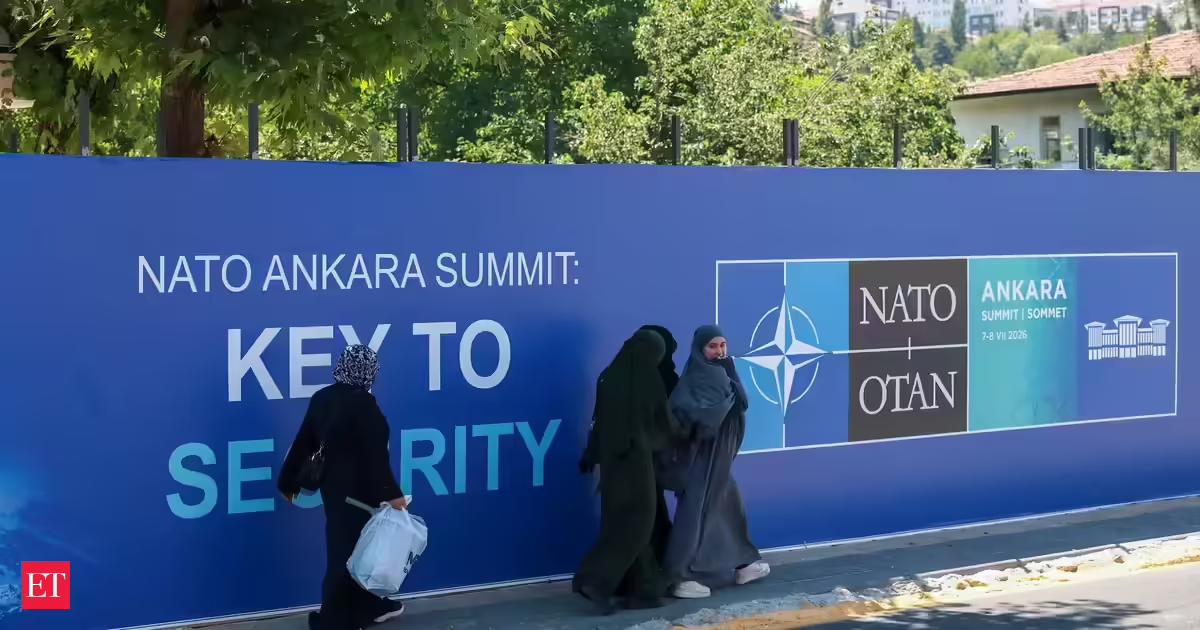
This article is part of a series featuring Atlantic Council experts’ analysis and recommendations on the key challenges facing allies at the upcoming NATO Summit in Ankara, Turkey, and beyond.
WASHINGTON—A major theme of this year’s NATO Summit in Ankara will be evaluating how the Alliance’s thirty-two members are stepping up to take on more responsibility for their own defense. This will be most evident in progress toward reaching defense-spending commitments agreed to last year in The Hague. But just as important will be assessing where NATO’s European allies and Canada are using their capabilities to shoulder more of the burden for conventional defense in Europe. Heading into the Ankara summit, the Arctic region offers a prime example of where European allies are stepping up and laying the groundwork for deeper cooperation.
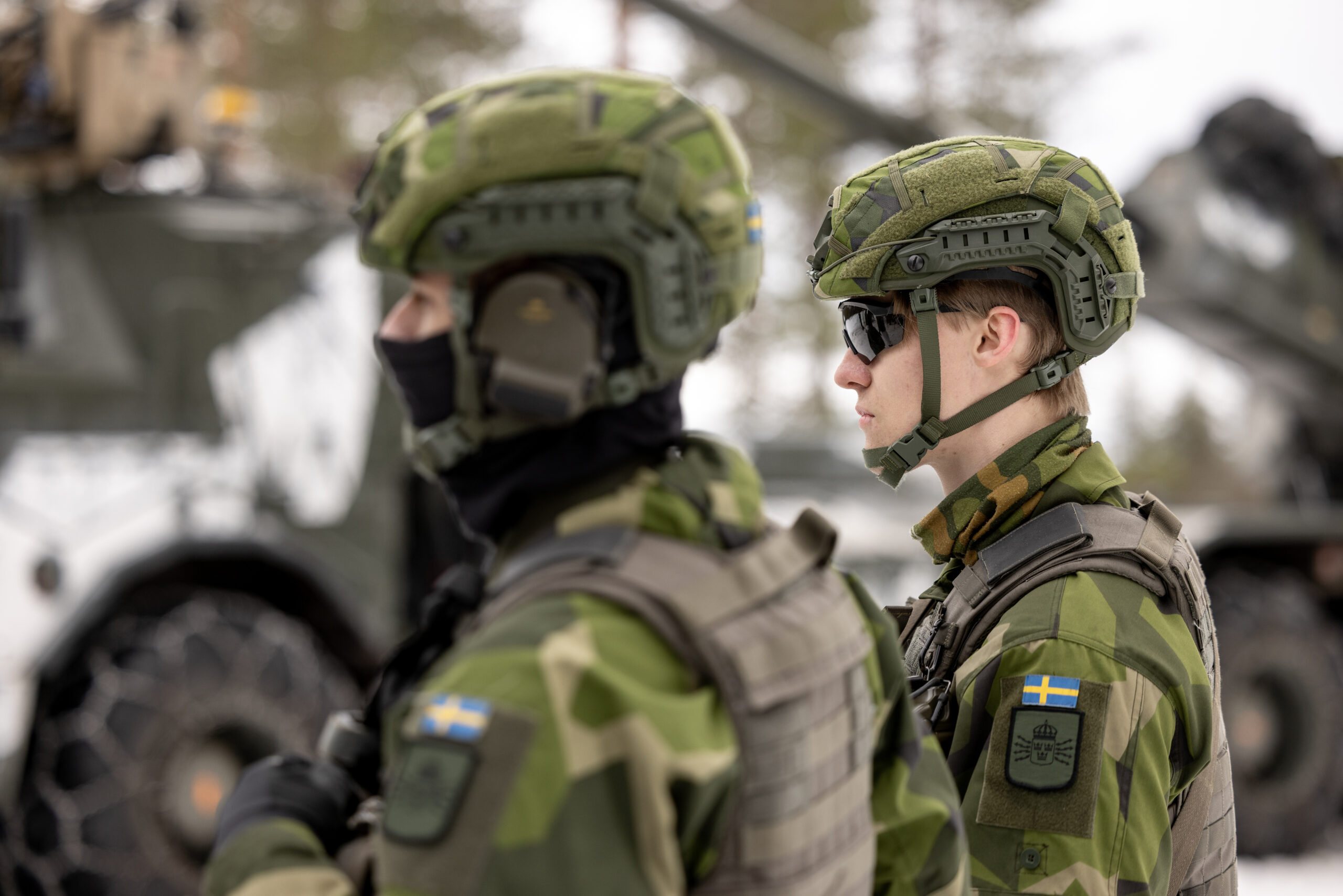
In June of this year, NATO launched a new multinational presence in northern Finland offering enhanced deterrence and operational exposure to Arctic conditions. Plans for the presence were announced at the Washington summit in July 2024 and, later that year, Sweden was confirmed as the framework nation for the Alliance’s Forward Land Forces (FLF) in Finland. This latest FLF is the ninth along NATO’s eastern flank, and each is intended to enhance the Alliance’s ability to deter and defend. Although the Finland battlegroup has been in the works since 2024, the timing is particularly significant given NATO’s renewed focus on Arctic security this year following tensions over Greenland.