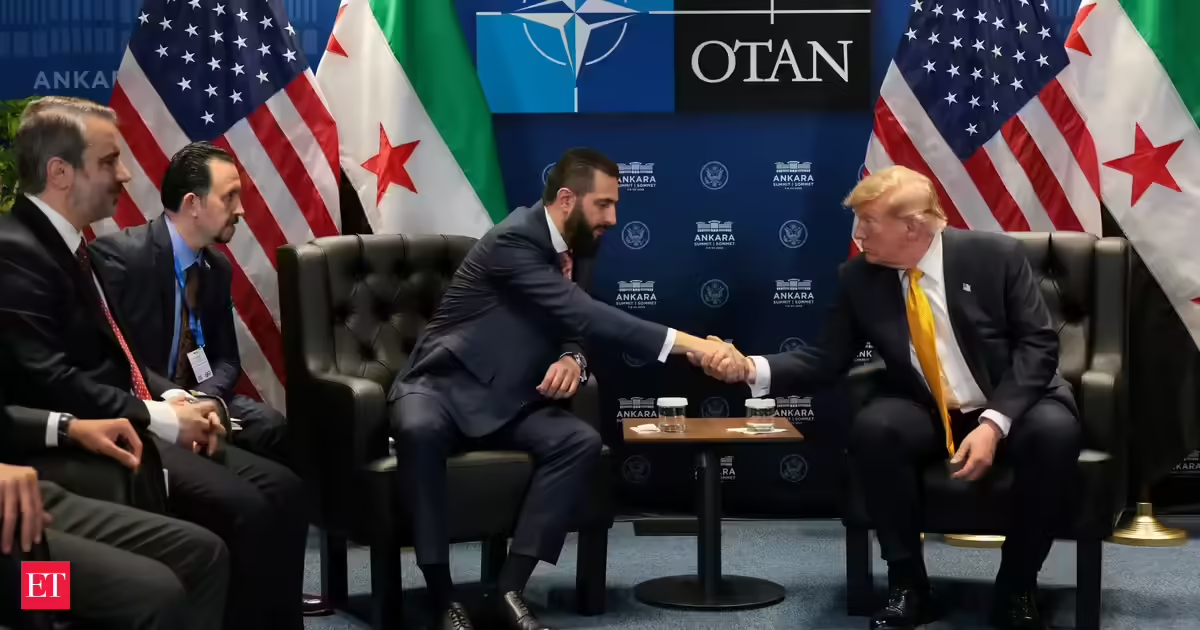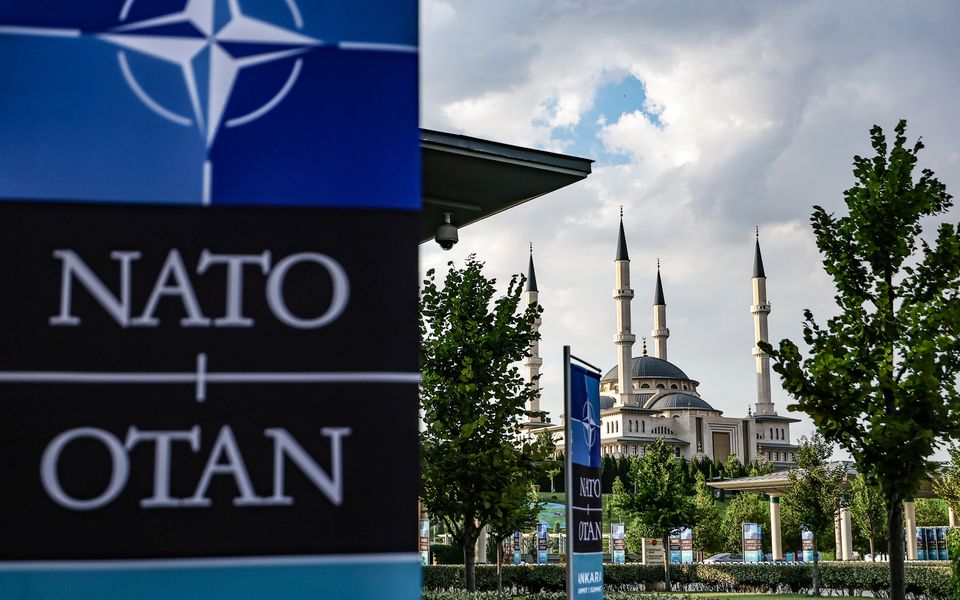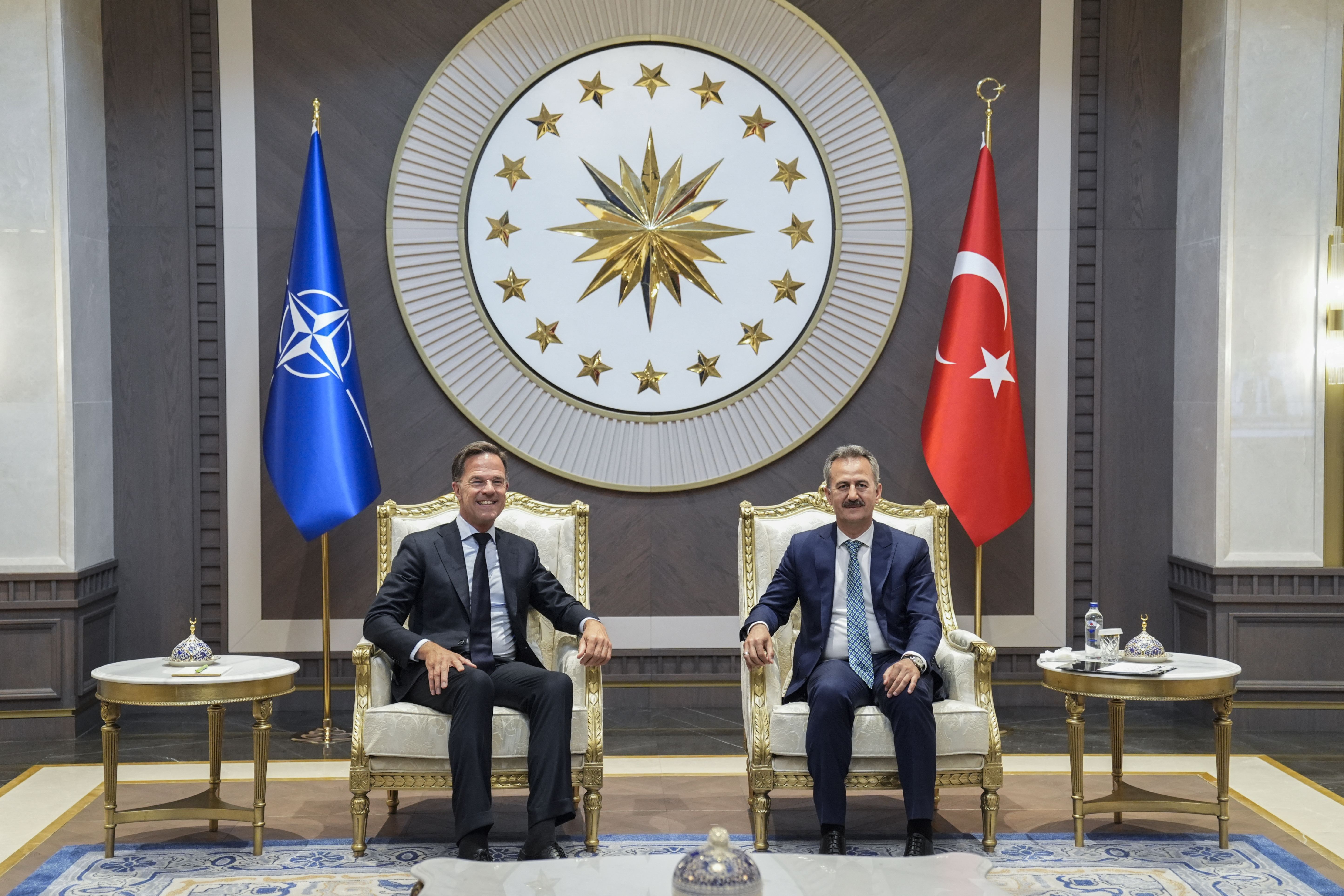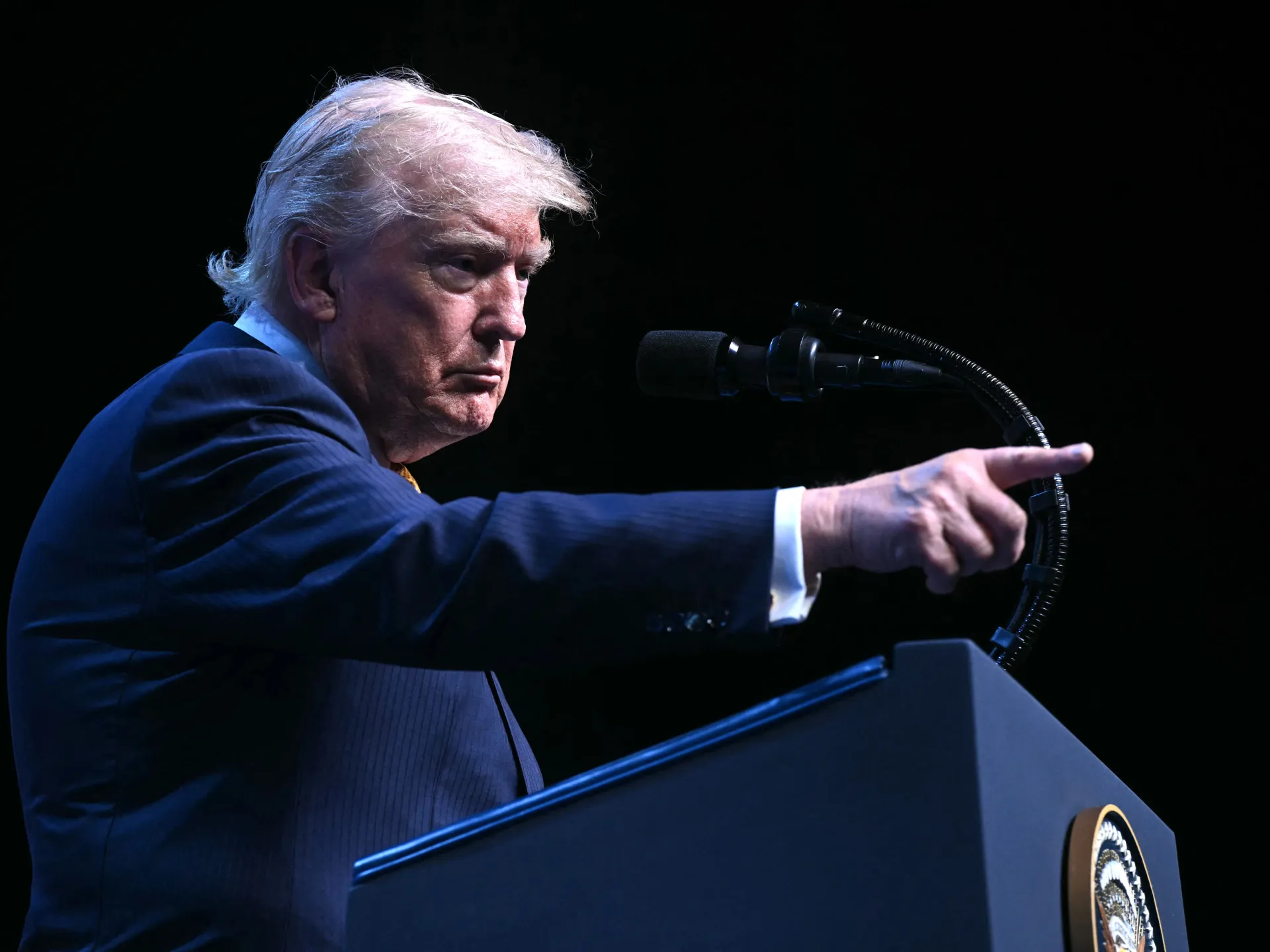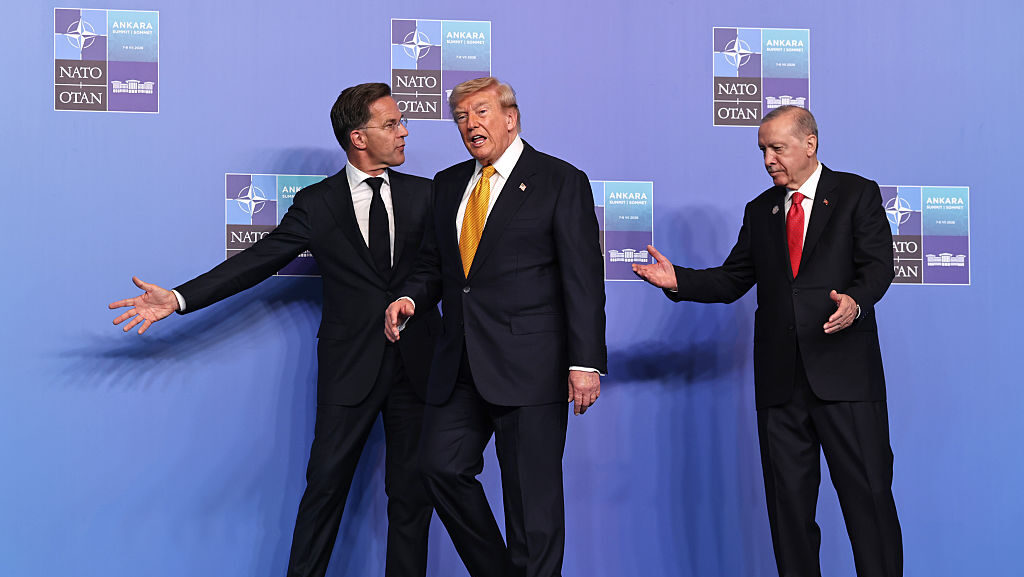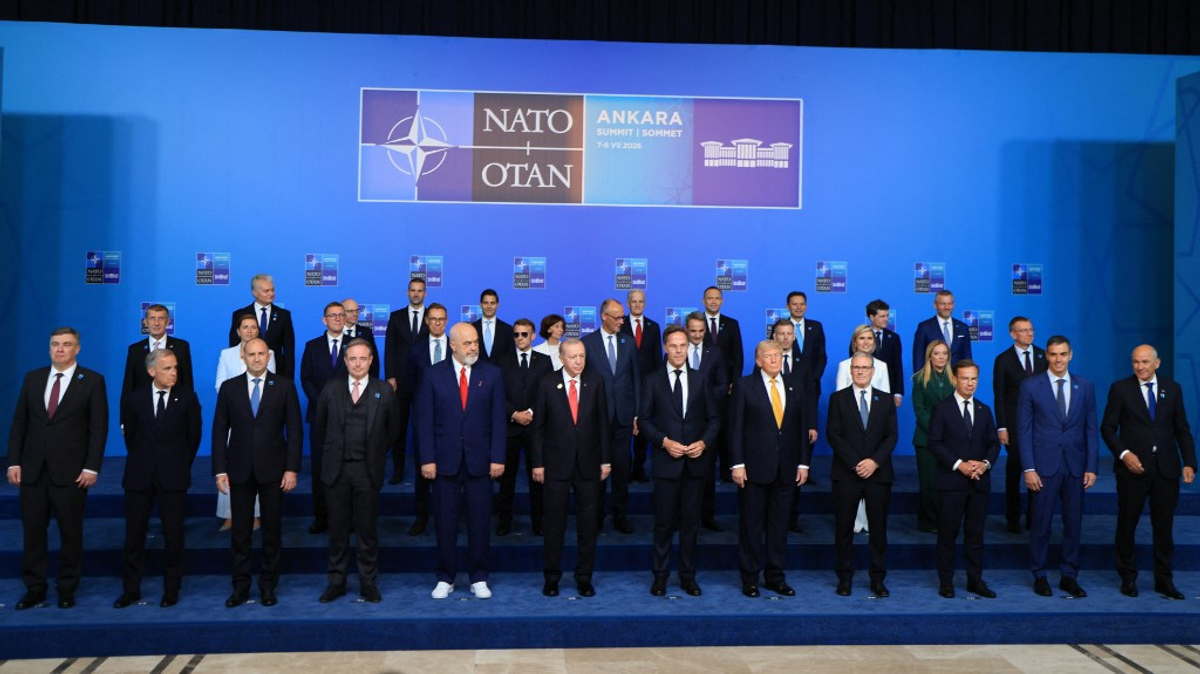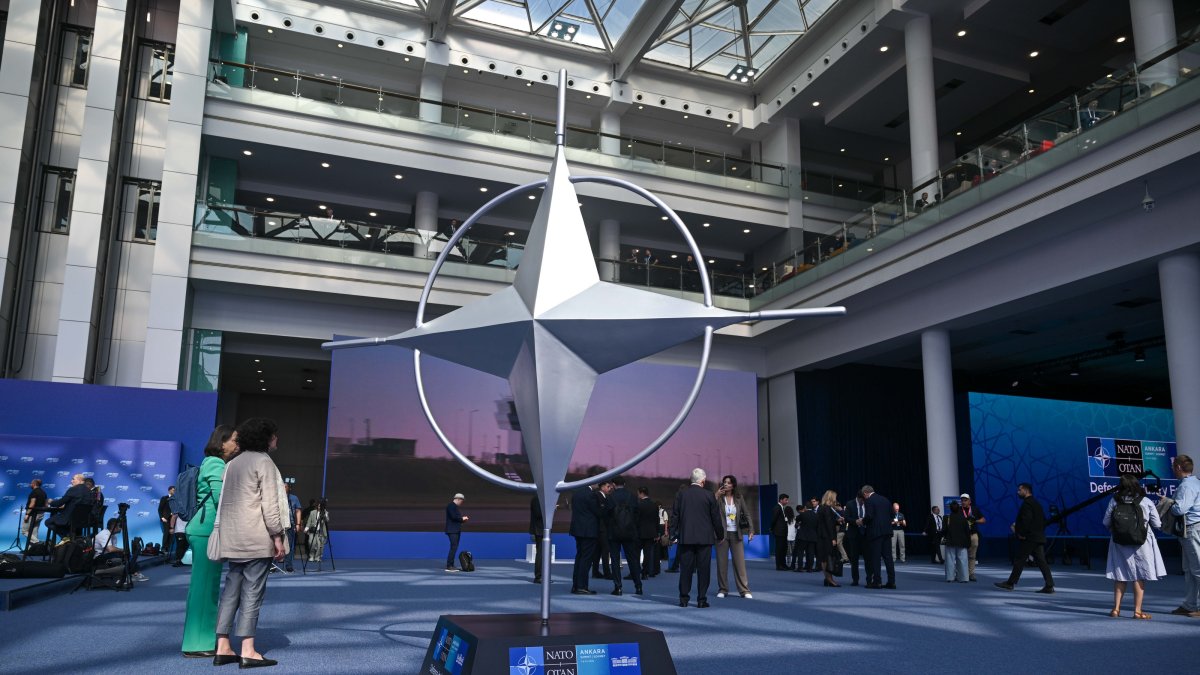
Ankara may have been the last NATO Summit for a while—and the allies made the most of it. Following NATO’s monumental agreement on defense spending last year at The Hague, expectations were modest for this year’s gathering, amid transatlantic tensions over Greenland, Iran, and European spending pledges. But before world leaders jetted off Wednesday, they agreed to a short communiqué (that notably did not commit to a summit next year), made progress on Alliance priorities, and created a few surprises and controversies along the way.
Below, Atlantic Council experts break down eleven outcomes from the gathering.
Scroll and click to jump to a takeaway
European allies showed progress toward 5 percent
Driven by NATO Secretary General Mark Rutte’s agenda, allied leaders arrived in Ankara ready to show the real progress they have made on defense spending since The Hague summit a year ago, when they agreed to commit 5 percent of their gross domestic product (GDP) to defense and defense-related spending by 2035. Pre-summit, Rutte had not been subtle in how he framed this and who he hoped to persuade, pitching additional European defense spending since US President Donald Trump first came to office as the “Trump trillion.” Last year alone, European and Canadian spending increased by 20 percent.