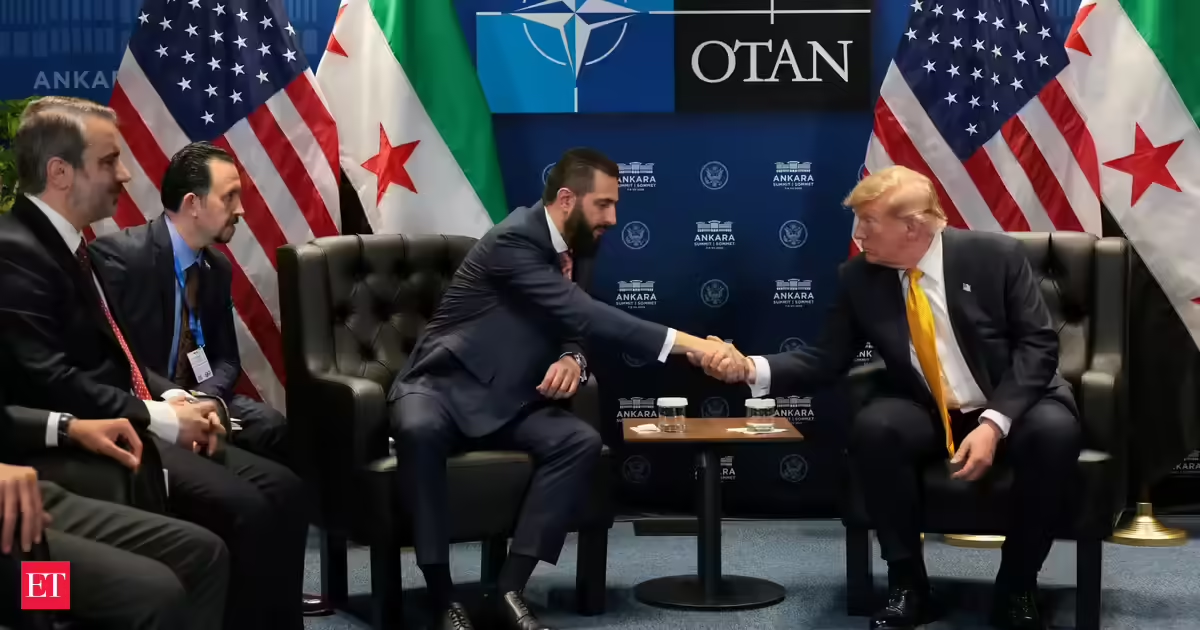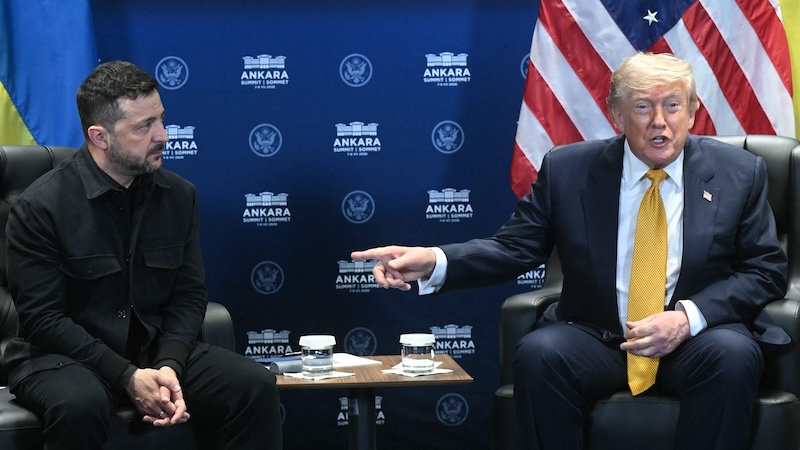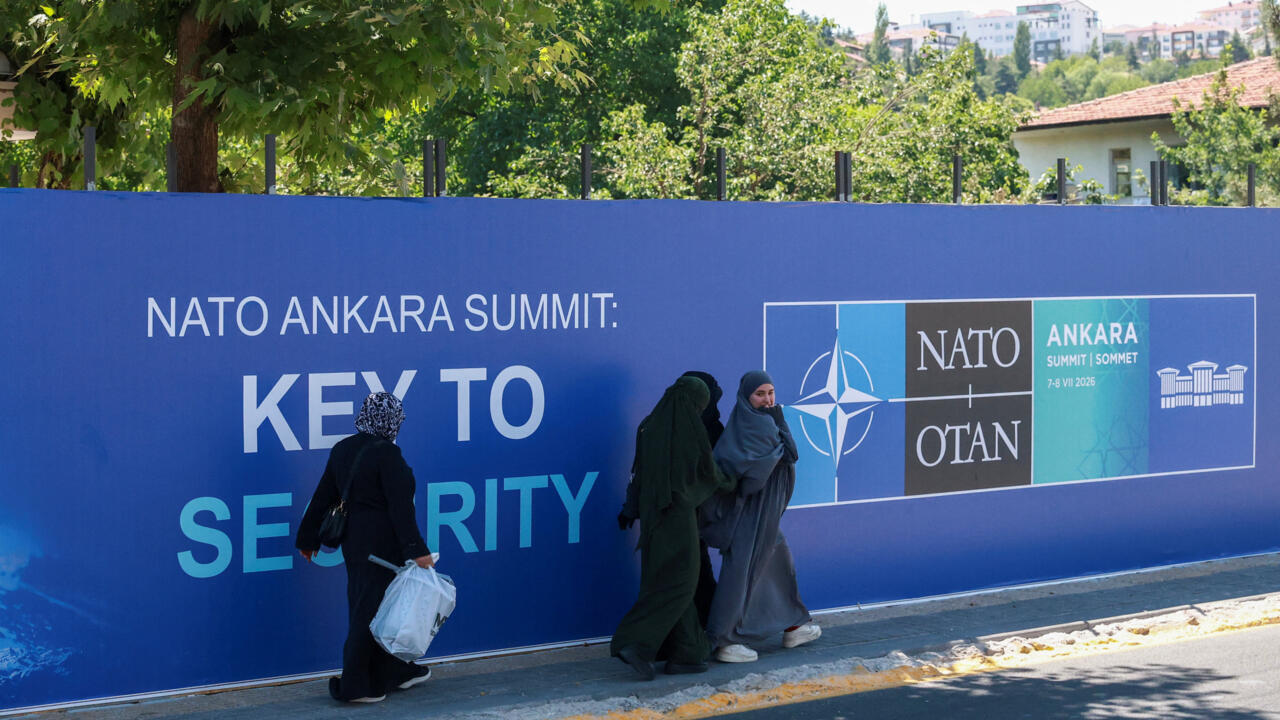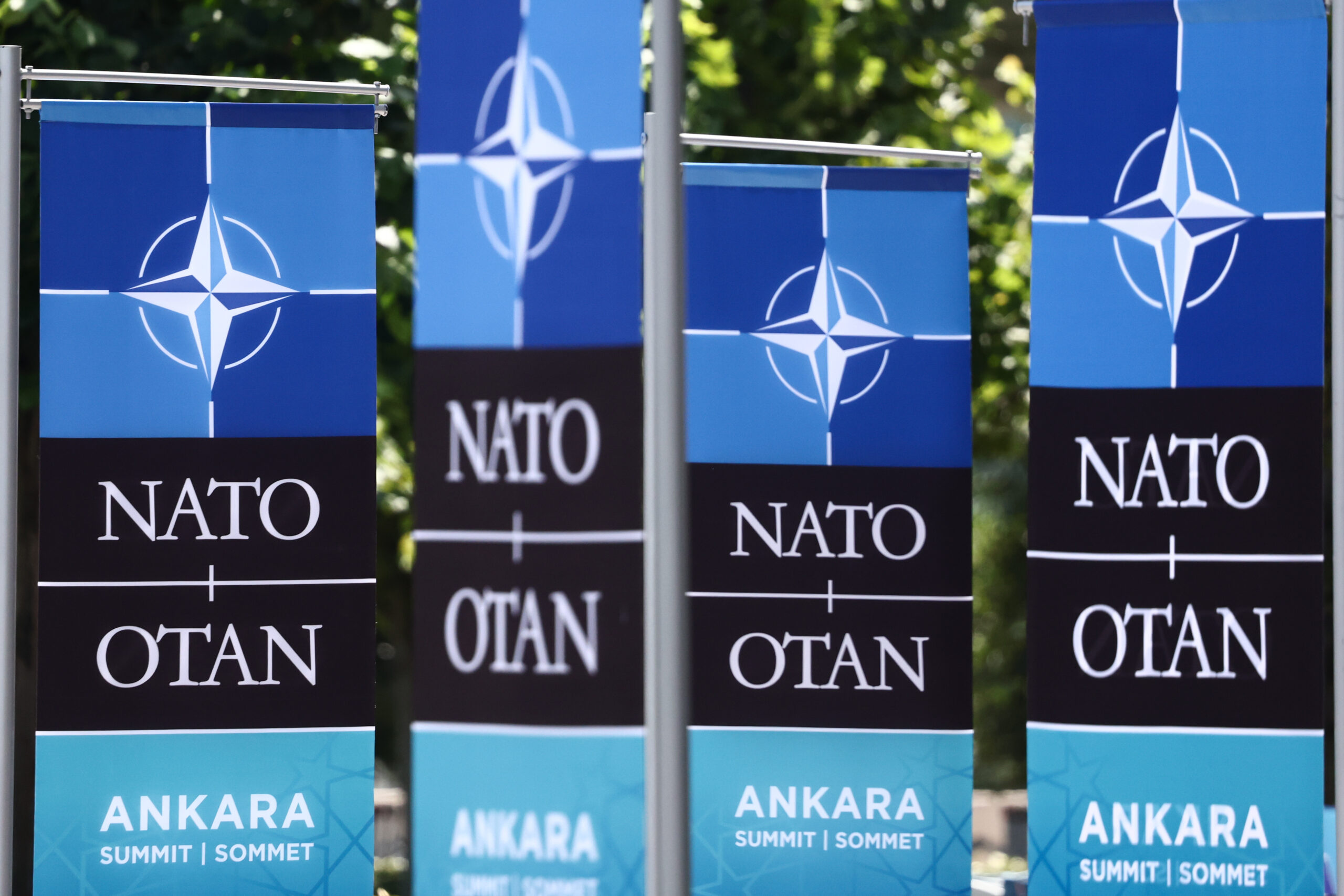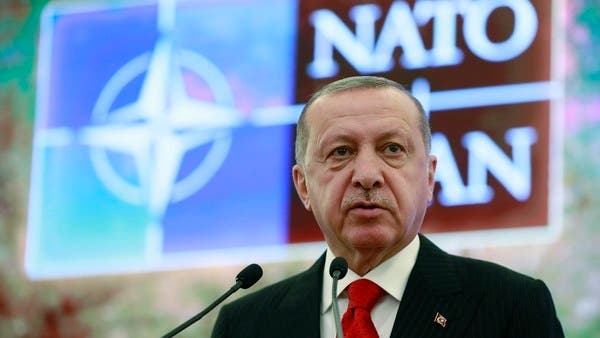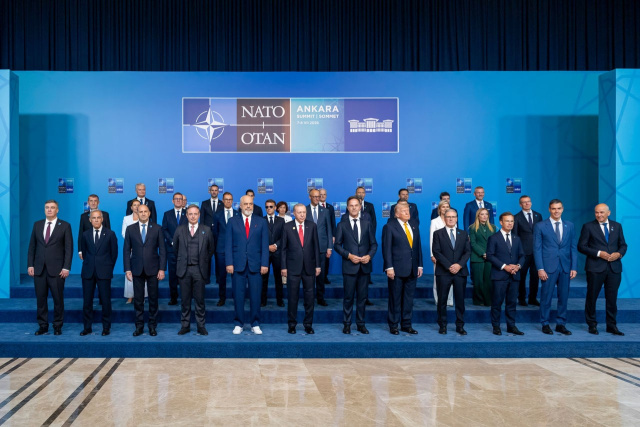
The NATO summit in Ankara concluded with allied leaders presenting a united front despite deep disagreements over several global security issues. The two-day gathering came at a tense moment for the alliance, following the recent US and Israeli military campaign against Iran, continuing concerns over Russia's military posture, and renewed pressure from Washington for European allies to increase defense spending. NATO Secretary General Mark Rutte described the meeting as a turning point, saying it marked the beginning of "a NATO which is truly transformed," while US President Donald Trump called the summit "very successful" and praised what he described as "tremendous unity." Turkish President Recep Tayyip Erdogan likewise characterized the gathering as "historic."
One of the summit's most significant outcomes was a new pledge to strengthen NATO's military capabilities. The alliance announced more than USD50 billion in new defense procurement projects while reaffirming its long-term commitment to raising defense spending. According to NATO, European allies and Canada increased core defense investments by more than USD139 billion compared with the previous year. The summit declaration emphasized investments in missile defense, long-range strike systems, artificial intelligence, cyber capabilities, drones, and an interoperable transatlantic military cloud. The document stressed that the alliance is "building the future: a stronger Europe in a stronger NATO" while maintaining the principle that "an attack on one is an attack on all."