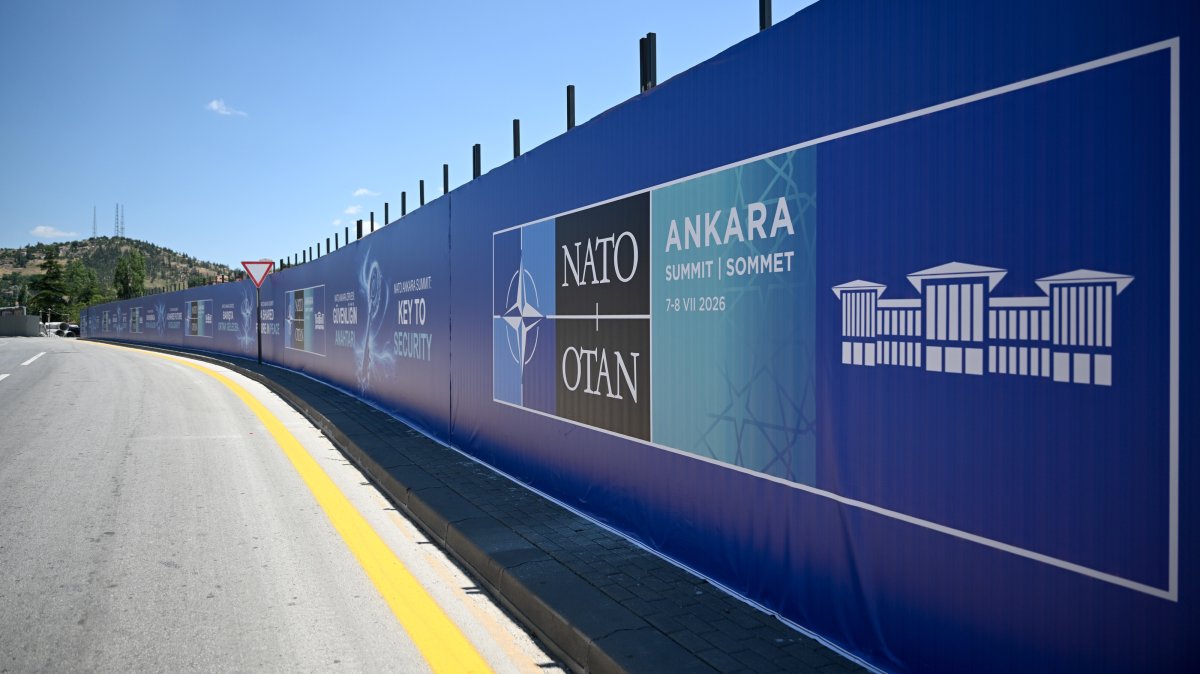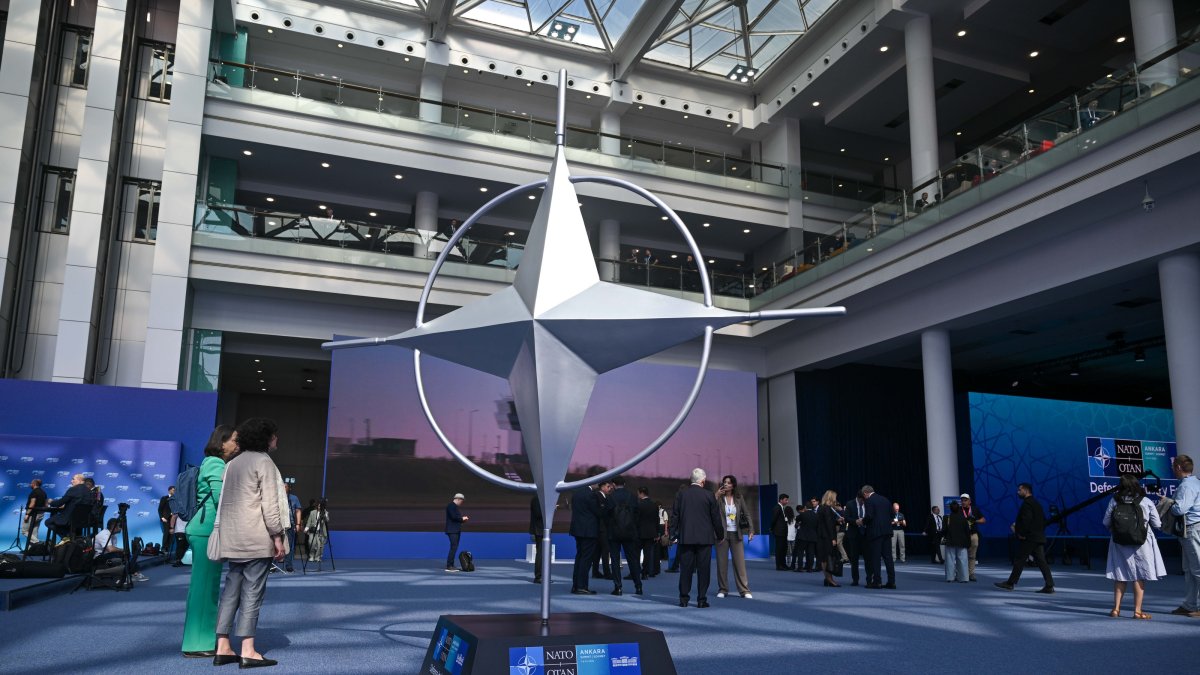
When NATO heads of state and government arrive in Ankara on July 6, they will do so under a weight of accumulated uncertainty that no previous post-Cold War summit has had to carry. Not the Rome Summit of 1991, which managed the alliance’s transition from Cold War deterrence to collective security. Not Prague in 2002, which opened NATO’s doors to Eastern Europe. Not even Madrid in 2022, which formally named Russia as the alliance’s principal threat for the first time in a generation.
The Ankara Summit is convening at a moment when several structural pillars of the transatlantic security order are under simultaneous stress: the Ukraine war continues with no clear political horizon; the United States is undergoing what may be a generational shift in its approach to collective security commitments; Europe is engaged in an unresolved debate about the future of its own security architecture; and the broader international system is being reorganized around great power competition in ways that leave less and less room for the liberal multilateral frameworks on which NATO’s post-Cold War legitimacy has rested. Any one of these conditions would make the summit consequential. Together, they make it the most historically loaded NATO gathering in the post-Cold War era.