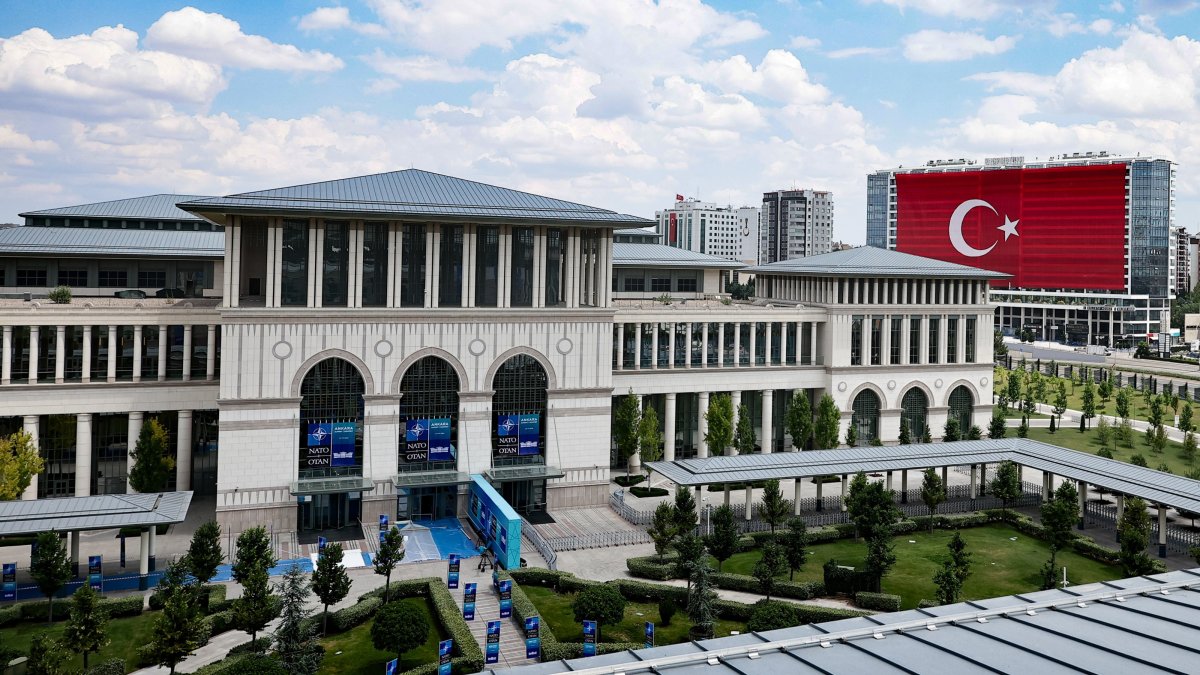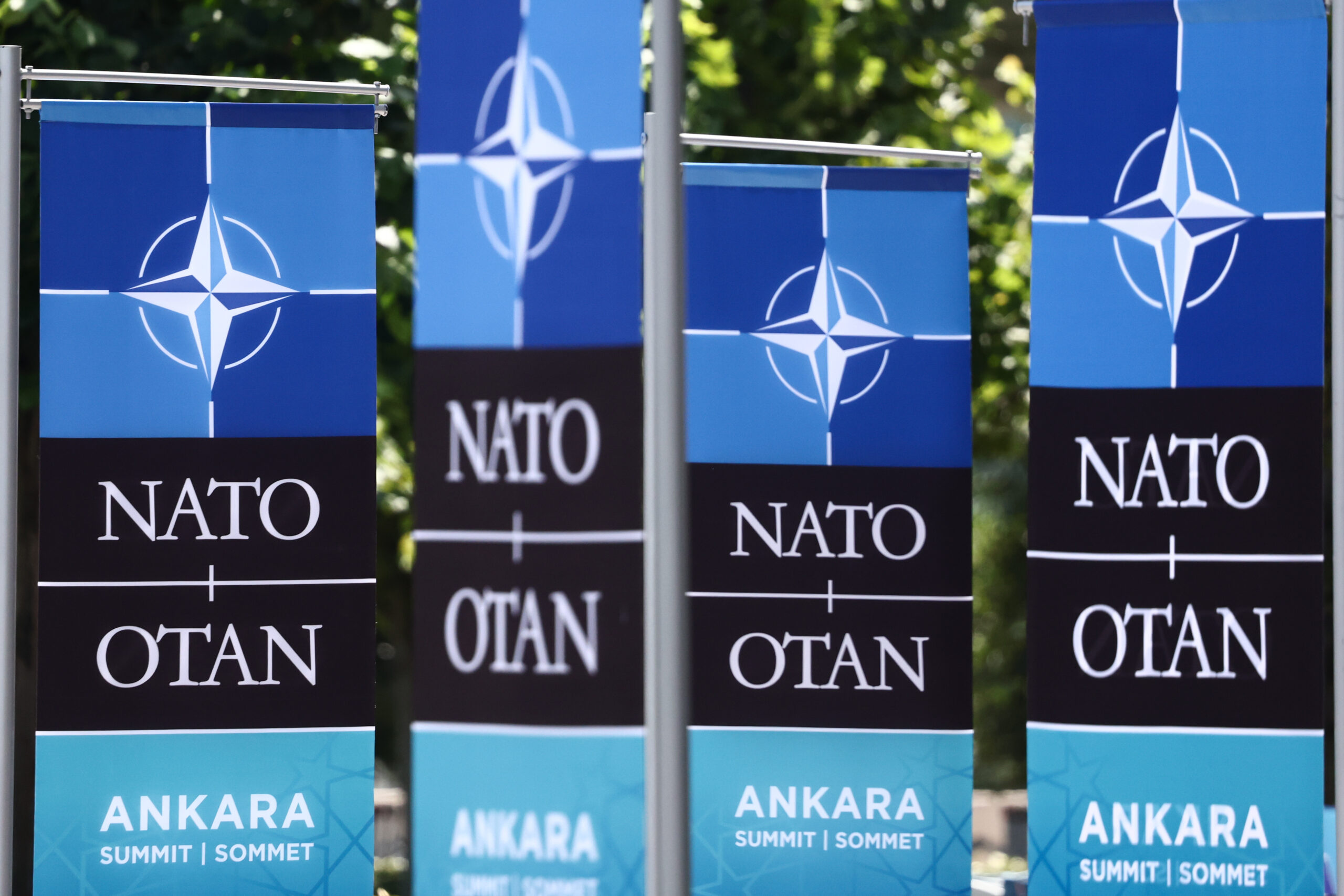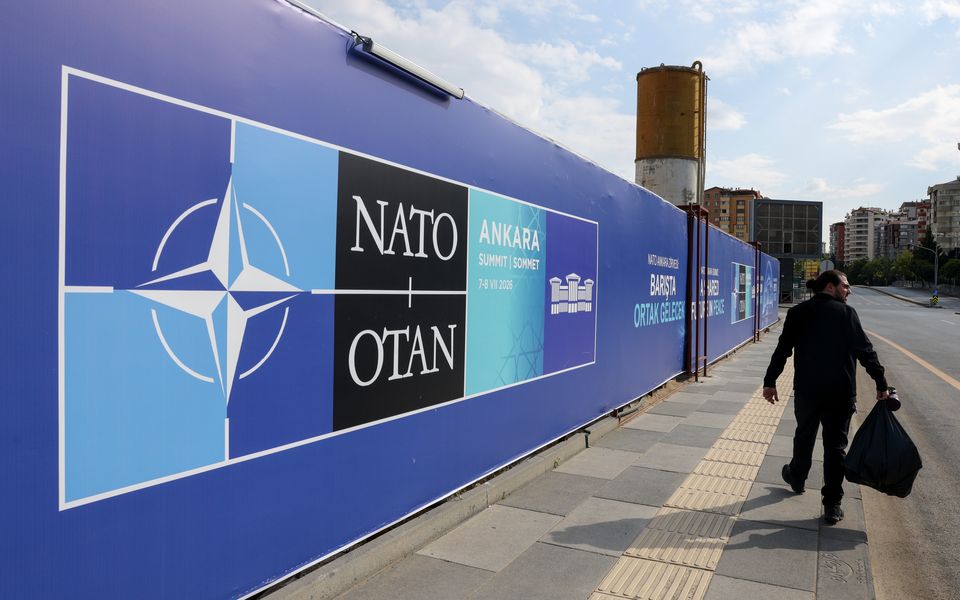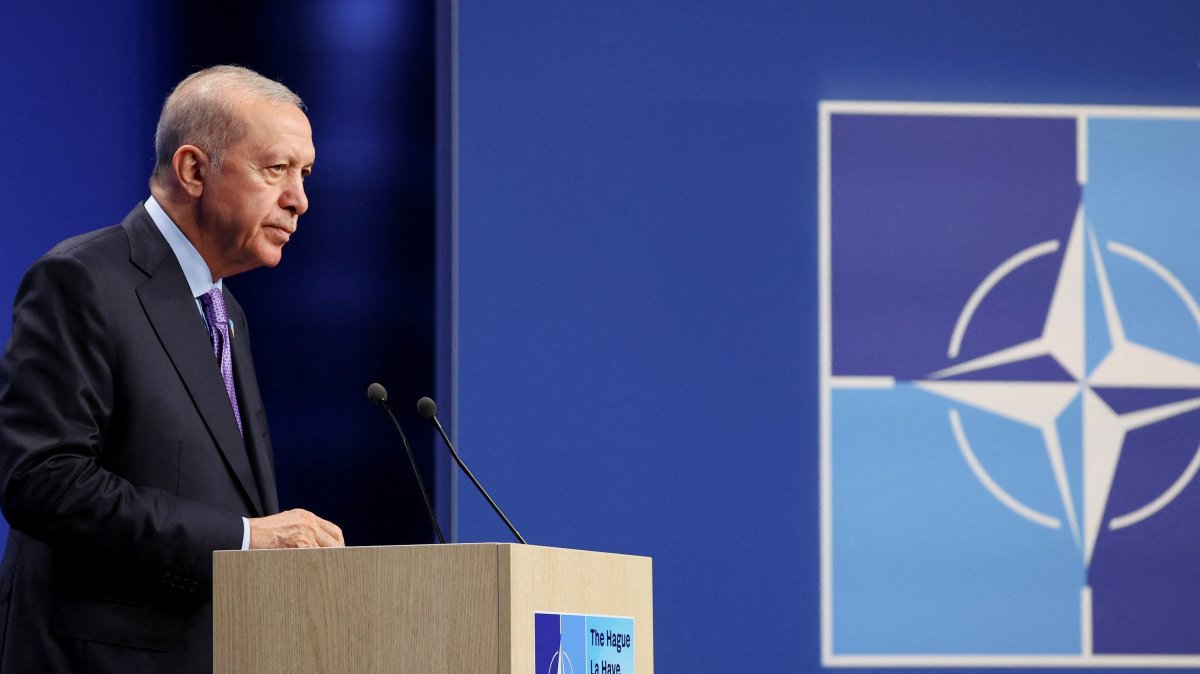
The NATO Summit unfolding this week in Ankara marks more than just another gathering of alliance leaders at Turkey’s presidential complex. It arrives at a moment of genuine strategic inflection for the transatlantic security project, one shaped by grinding war in Ukraine, assertive great-power rivalry, and persistent doubts about burden-sharing that refuse to fade. Hosted by Turkey for the first time in over two decades, the July 7-8 meeting brings together the 32-member nations’ heads of State and government under the shadow of renewed American pressure, regional complexities, and the ever-present need to turn aspirational commitments into deployable capabilities.NATO (AP Photo/Hussein Malla)What makes Ankara significant is its timing and location. NATO is not in crisis, but it is under strain. The alliance has made measurable progress since the 2025 Hague Summit: More allies hitting or exceeding the longstanding 2% of GDP defence spending benchmark, with Europe and Canada collectively adding over a trillion dollars in additional investment since 2017. Yet the agenda in Turkey mainly centered on accelerating defense investment, expanding transatlantic industrial production, and sustaining meaningful support for Ukraine, reflects a harder-edged realism. NATO secretary general Mark Rutte has framed the priorities clearly emphasising the move from inputs to outputs, from promises to industrial scale, and from symbolic solidarity to tangible deterrence.Turkey’s role as host adds layers. Ankara sits at the crossroads of NATO’s eastern and southern flanks, a country that has clashed with allies over procurement, Mediterranean energy disputes, and its balancing acts with Russia, yet remains indispensable for Black Sea security, migration management, and counterterrorism. President Recep Tayyip Erdoğan will undoubtedly use the platform to highlight Turkish contributions and press for greater inclusivity in European defence initiatives. The accompanying Defense Industry Forum underscores a practical focus. Joint production, innovation, and removing barriers that have hampered rapid resupply and modernisation could be re-emphasised. In an era of multi-domain threats such as drones, cyber, hybrid operations, and potential high-intensity conflict, NATO cannot afford fragmented supply chains or peacetime procurement mindsets.This summit is also a stress test for unity. No single issue looms larger than the American stance under President Donald Trump. Trump arrived in Ankara continuing a pressure campaign that has defined his approach to the alliance for years. He has repeatedly highlighted the disparity in contributions, noting that the US poured nearly a trillion dollars into allied support between 2014 and 2025 while urging Europeans to “step up” dramatically. His tone is not anti-NATO in the sense of seeking dissolution; rather, it is transactional and results-oriented. Allies point to progress on this issue. Over two dozen nations are now meeting or exceeding 2%, but Trump’s insistence on higher targets and visible outputs reflects a deeper skepticism that polite diplomatic language often papers over. For him, NATO’s value lies in its strength as a deterrent, not in perpetual subsidisation by American taxpayers and forces.This attitude creates both friction and potential momentum. European leaders understand that sustained US engagement requires credible burden-sharing. The danger, however, is that public hectoring risks feeding domestic narratives in Europe that question the alliance’s fairness, even as the Russian-Ukraine war intensifies. Ankara thus might be playing a delicate balancing act; projecting resolve and increased European responsibility without signaling division that adversaries could exploit.Russia will be watching these proceedings with intense interest. Moscow’s calculus in Ukraine has long relied on the hope that western unity will fracture under the weight of economic costs, political fatigue, and leadership transitions. Any visible cracks in Ankara, whether over spending pledges, industrial cooperation, or the specifics of long-term Ukraine support, would be interpreted as validation of a strategy of attrition. Conversely, concrete steps toward higher defense investment targets, expanded joint production of munitions and systems, and fresh commitments on air defences or other capabilities for Kyiv would signal that the alliance is doubling down. Turkey’s hosting adds another dimension for the Kremlin’s approach. Ankara maintains pragmatic channels with Russia on energy, grain exports, and Syria. Any Turkish-mediated tone or emphasis on de-escalation alongside firmness will be parsed for signs of wedge-driving opportunities.Layered atop these strategic currents is a more personal and recent drama that has captured attention. The public falling-out between Trump and Italian Prime Minister Giorgia Meloni. Once seen as natural ideological partners, the two have engaged in a surprisingly sharp exchange. Trump reignited tensions on the eve of the summit by sharing a doctored image on Truth Social depicting Meloni with the caption “RESTRAINING ORDER NEEDED,” echoing his earlier G7 claim that she had “begged” for a photo to boost her domestic standing. Meloni has rejected the narrative as fabricated, while Italian officials have worked to compartmentalise the personal spat from broader relations.The episode is revealing. It stems partly from policy divergences, including Italy’s cautious approach to certain US-led operations tied to the Iran conflict and sensitivities around NATO basing and sovereignty. Meloni’s government has emphasized constitutional processes and parliamentary oversight, moves that clashed with perceptions of seamless allied support. Yet the personal tone Trump has adopted underscores a broader pattern. His willingness to name and shame leaders he views as insufficiently committed, even those previously seen as friendly. For Meloni, a Rightwing leader who once cultivated ties with Trump, the episode risks domestic political costs while highlighting the transactional nature of his diplomacy.In Ankara, this sideshow risks distracting from substance, yet it also humanizes the deeper tensions within the alliance. European publics and leaders chafe at being publicly lectured, even when the underlying critique about free-riding has merit. At the same time, dismissing Trump’s pressure as mere bluster ignores the leverage it provides for reformers within Europe who have long argued for greater strategic autonomy and investment. The Meloni-Trump dynamic thus serves as a microcosm: personal egos and national interests colliding against the need for collective strength.Stepping back, the Ankara Summit offers a window into NATO’s evolving character—what some analysts have called a shift toward NATO 3.0. Traditional Article 5 territorial defence remains the bedrock, but the alliance must now contend with faster, more complex threats that blur peace and conflict. Deterrence today depends on industrial depth, technological edge, resilient supply chains, and the ability to sustain high-intensity operations over time. The location in Turkey also nudges the alliance toward a more balanced geographic outlook, one less exclusively fixated on the eastern flank and more attuned to southern instability, energy security, and hybrid challenges.Success in Ankara will not be measured by grand declarations but by follow-through: clearer spending trajectories with real money attached, tangible industrial partnerships that reduce vulnerabilities, and sustained, calibrated support for Ukraine that avoids both endless escalation and premature capitulation. Failure to project cohesion, on the other hand, would hand Russia a narrative of decline the Kremlin desperately seeks.Trump’s presence injects urgency. His skepticism, while sometimes undiplomatic, has historically prodded allies toward actions they might otherwise delay. The risk is alienation; the opportunity is accelerated capability. European leaders, for their part, have delivered progress but must demonstrate that increased spending translates into deployable forces, not just budgetary checkboxes. Turkey’s convening power offers a chance to bridge some of these gaps, leveraging its unique position to foster pragmatic outcomes.Ultimately, the Ankara Summit is neither a celebration of triumph nor a harbinger of doom. It is a work session for a 77-year-old alliance adapting to a harsher world. In that adaptation lies its continued relevance. Observers in Moscow, Beijing, and conflict zones from Ukraine to the Middle East understand this. So too should the leaders assembled under Turkish skies. The decisions—or lack thereof—made here will echo far beyond the Presidential Complex, shaping deterrence, security, and the balance of power for years ahead. In an era when authoritarian regimes test the durability of democratic alliances, NATO’s ability to deliver tangible results in Ankara may prove more consequential than the lofty rhetoric that often accompanies such gatherings. The stakes, as ever, are a stable Europe and a credible transatlantic bond capable of preserving it.(The views expressed are personal)This article is authored by Pravesh Kumar Gupta, associate fellow (Eurasia), Vivekananda International Foundation, New Delhi.
Why is the NATO Ankara Summit consequential?
This article is authored by Pravesh Kumar Gupta, associate fellow (Eurasia), Vivekananda International Foundation, New Delhi.
1,335 words~6 min read