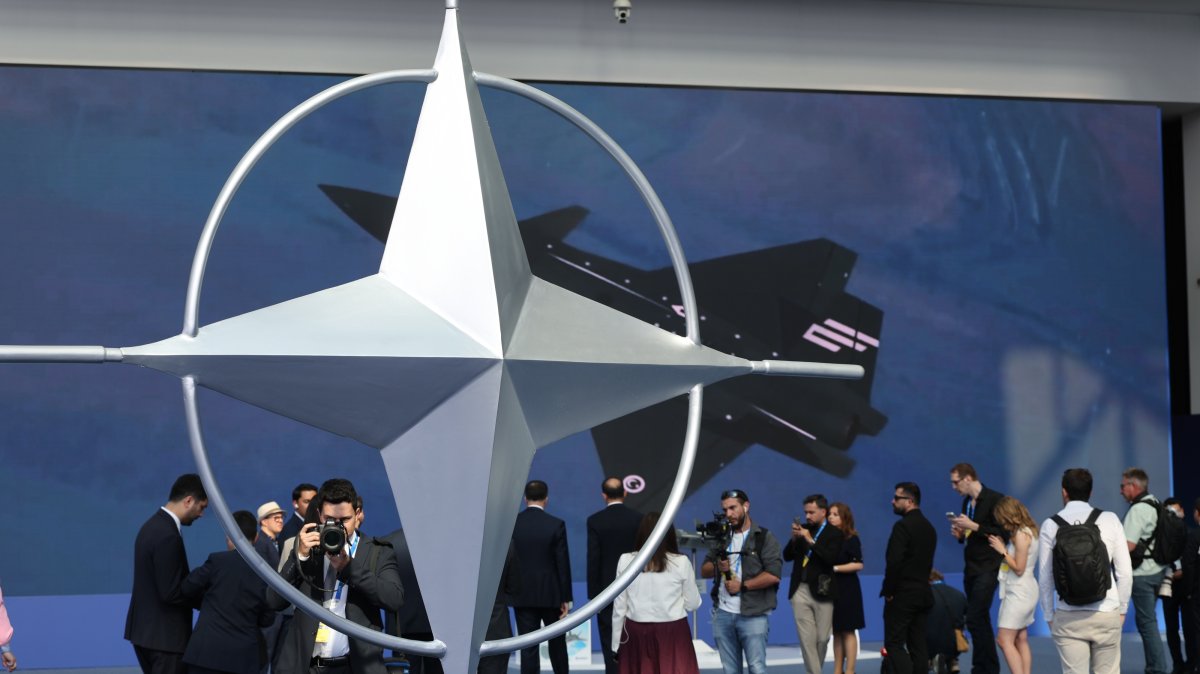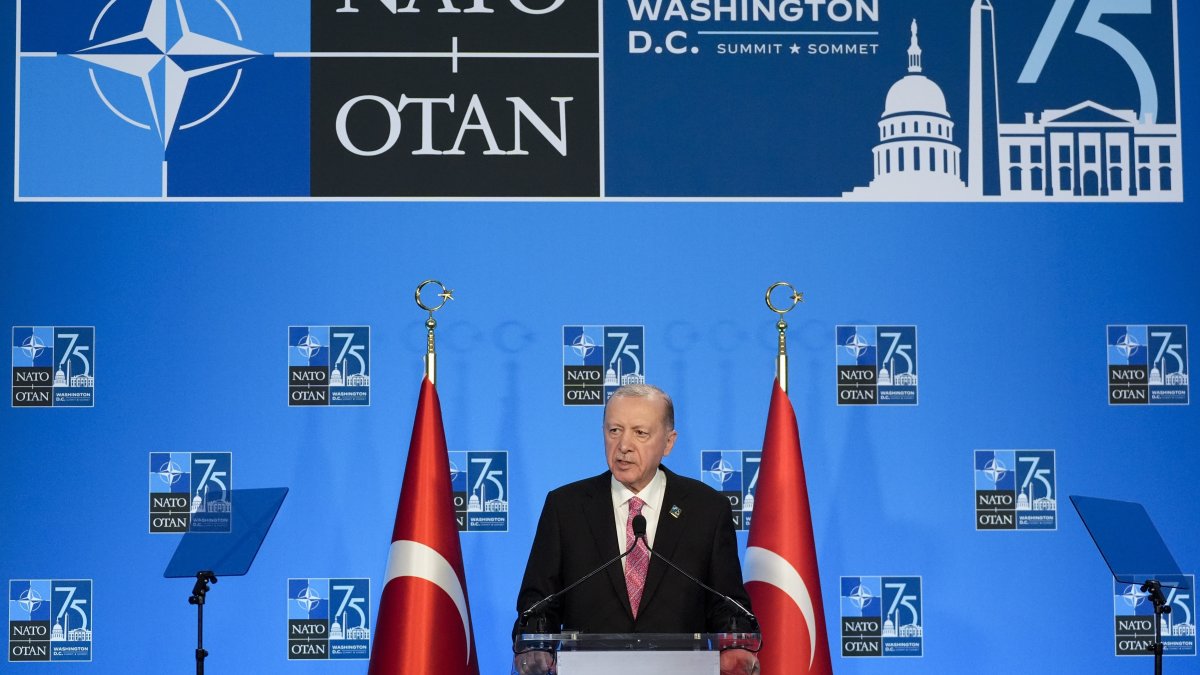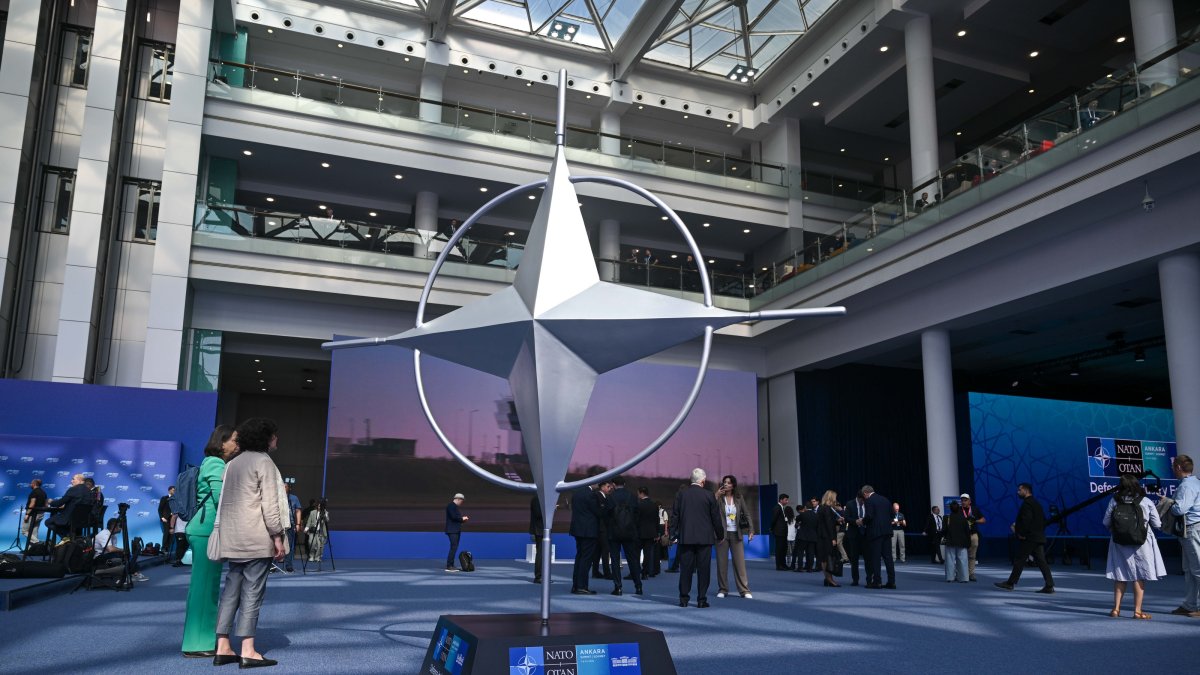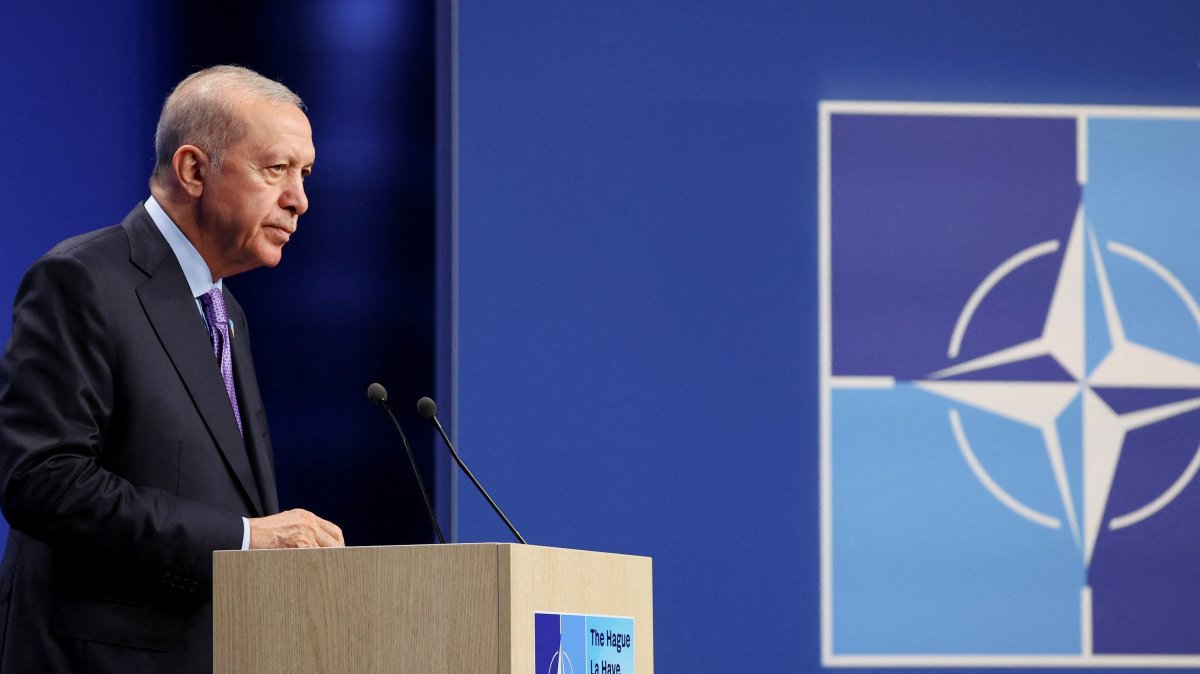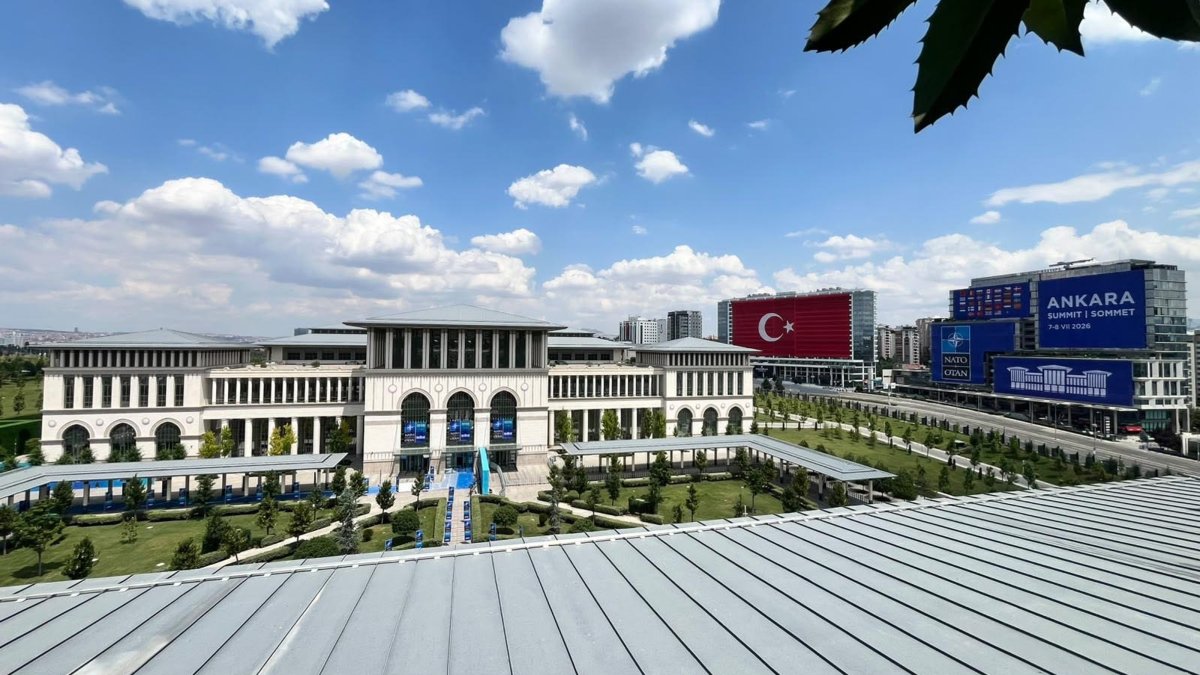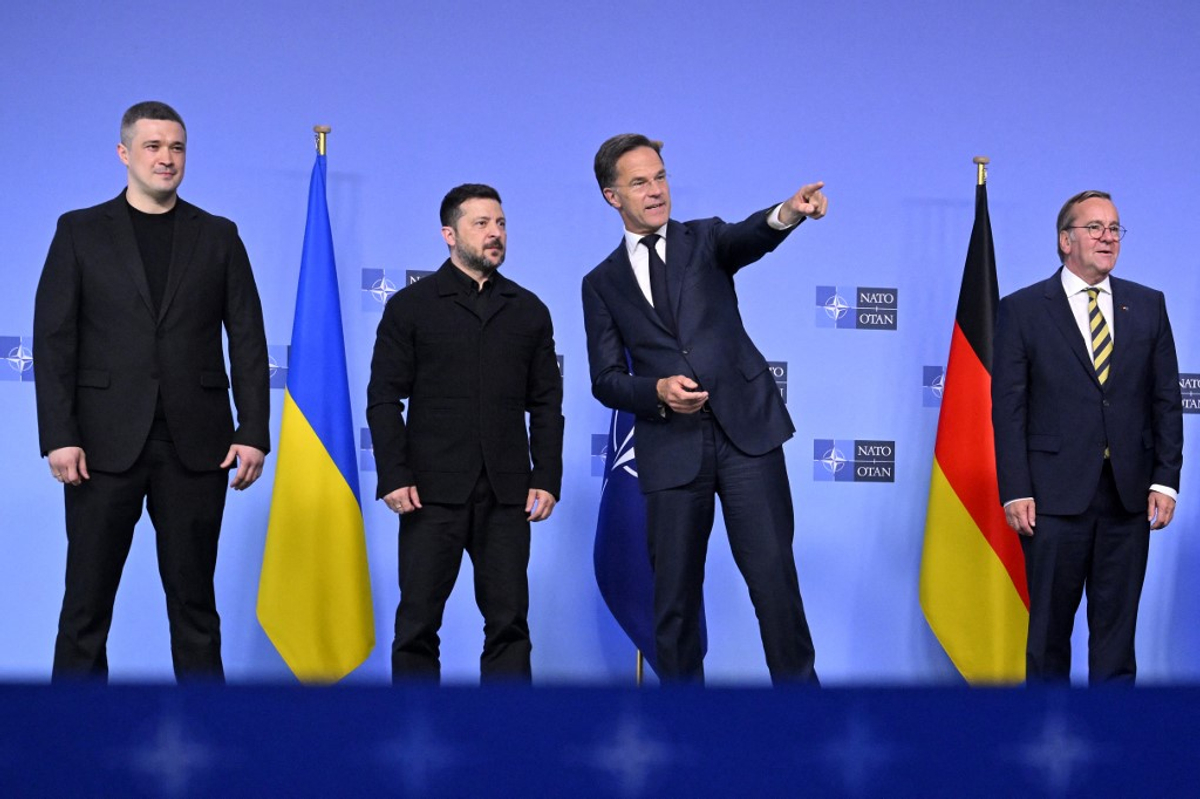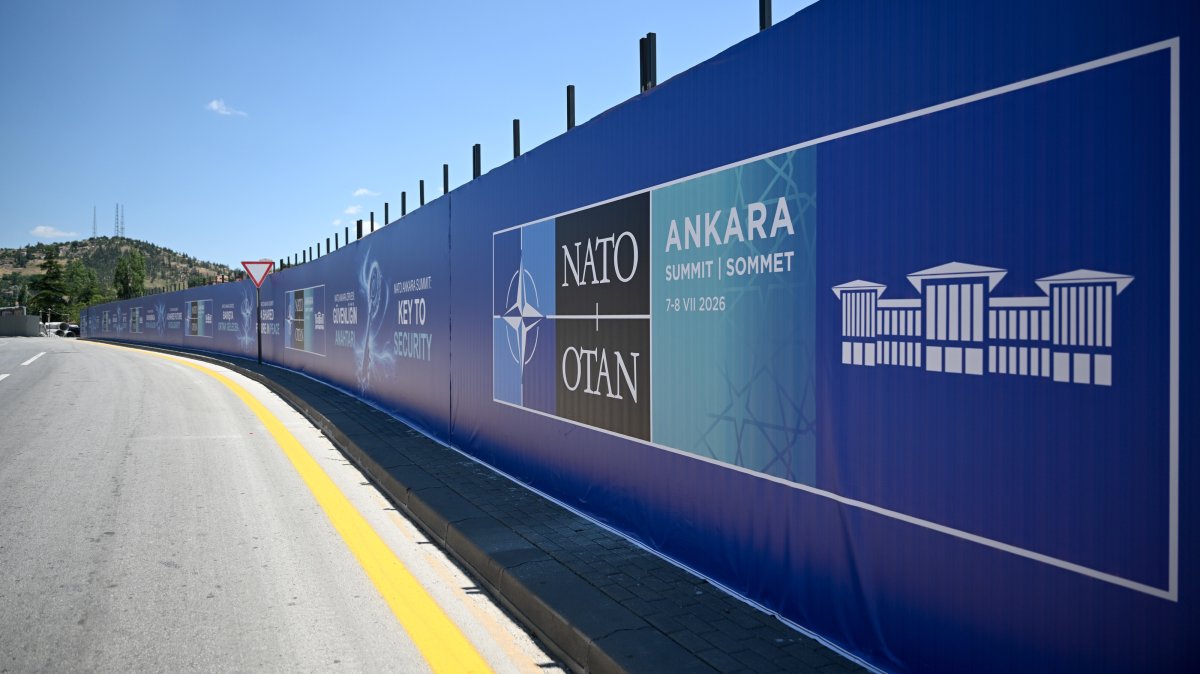
The upcoming Ankara Summit, which will be held on July 7-8, will not merely be a routine gathering of the allied heads of state. It represents a defining moment at which the political, strategic, and institutional direction of NATO for the coming decades must be determined. The Ankara Summit, which can be entitled as NATO’s "Ankara moment," will be held at a critical period, a turning point for the future of the alliance.
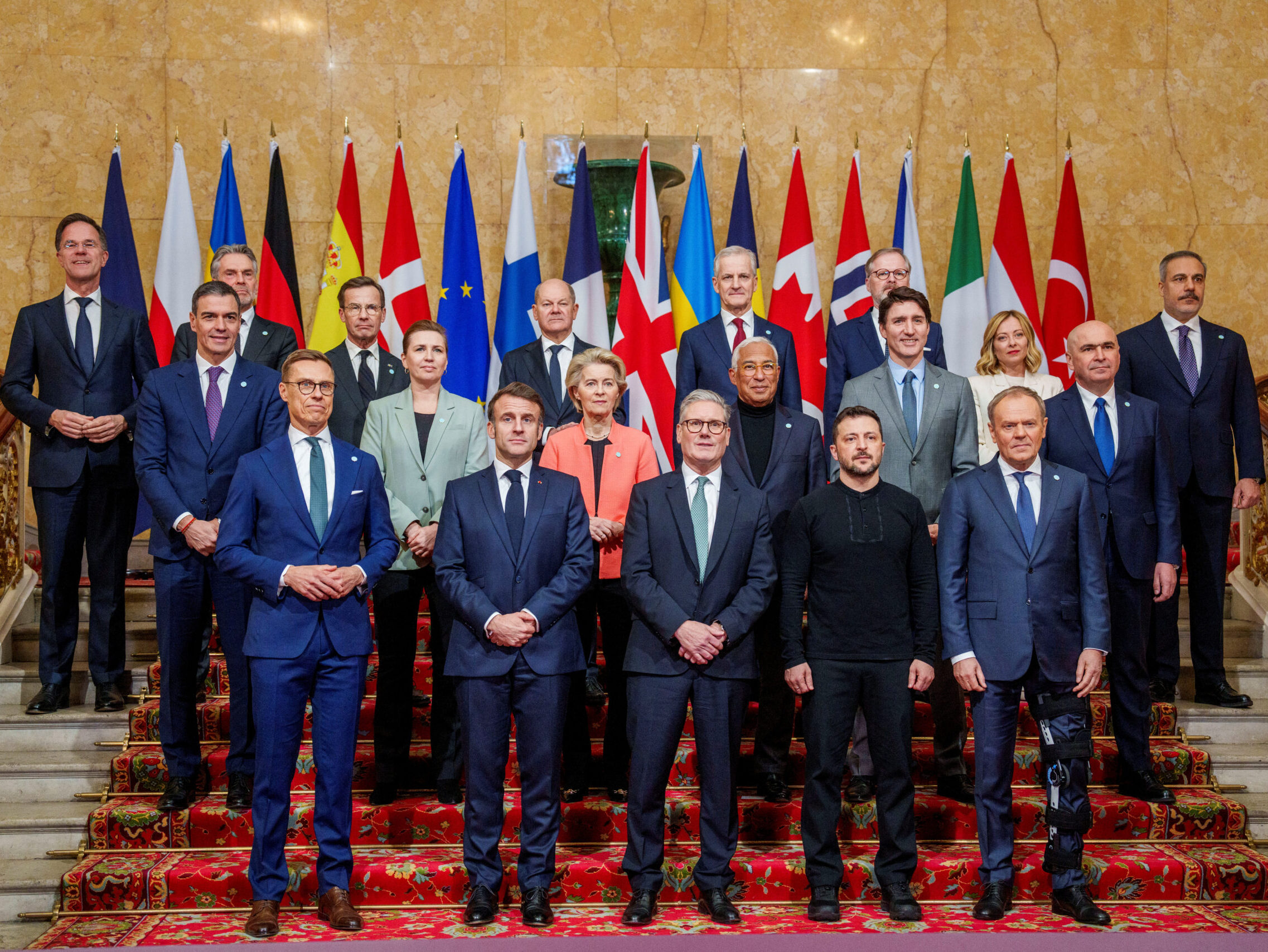
The trans-Atlantic relationship has entered a period of structural tension under the weight of the Trump administration’s demands for burden-sharing. The expectation that European allies assume greater operational and financial responsibility for their own security is an operational reality. The gradual retrenchment of American strategic attention toward the Indo-Pacific theater has compelled European capitals to reconsider their defense architectures, industrial capacities, and threat assessments with a seriousness not seen since the early decades of the Cold War. Yet, this European strategic awakening carries its own risks, particularly the danger that the EU’s emerging defense architecture may develop in ways that structurally exclude non-EU NATO members, thereby undermining rather than reinforcing the alliance’s principle of indivisible security.