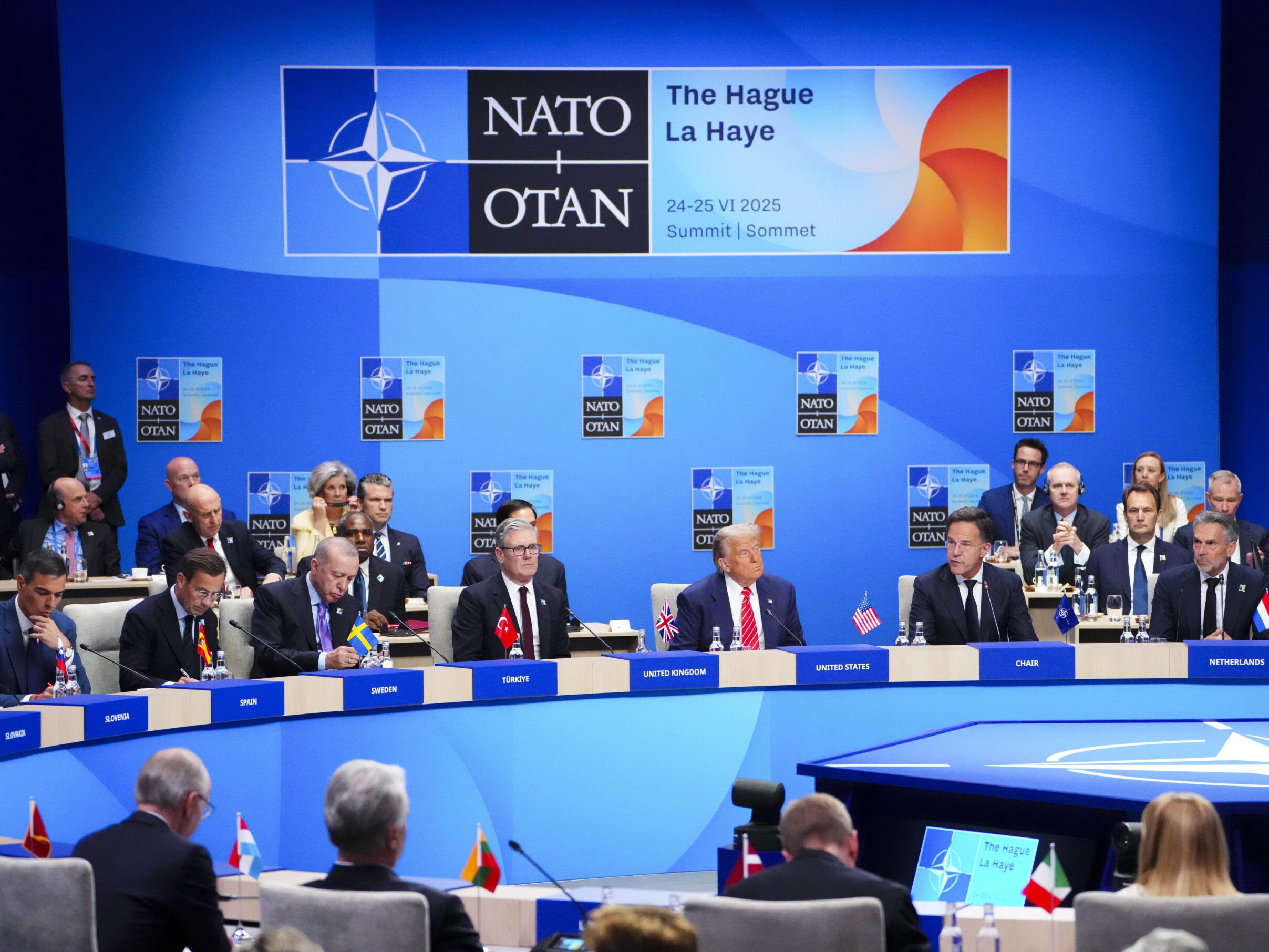
NATO is defined as a political and military alliance. This means "political will and solidarity" are an absolute requirement. Without them, NATO cannot achieve its founding purpose. As an institution engaged in continuous consultations, NATO makes decisions at various levels. Today it makes decisions by the unanimous consent of 32 countries. Collective will is at stake. Geographically, it doesn't confine itself to the Euro-Atlantic region alone. It makes decisions with consequences extending far beyond this geography. When NATO launches an operation, members contribute military force voluntarily. Article 5 of its founding treaty, briefly expressed as an attack on one NATO member is considered an attack on all, is seen as the cornerstone of the alliance. In the alliance's history, Article 5 has been invoked only once, after the Sept.11 terrorist attacks on the U.S.
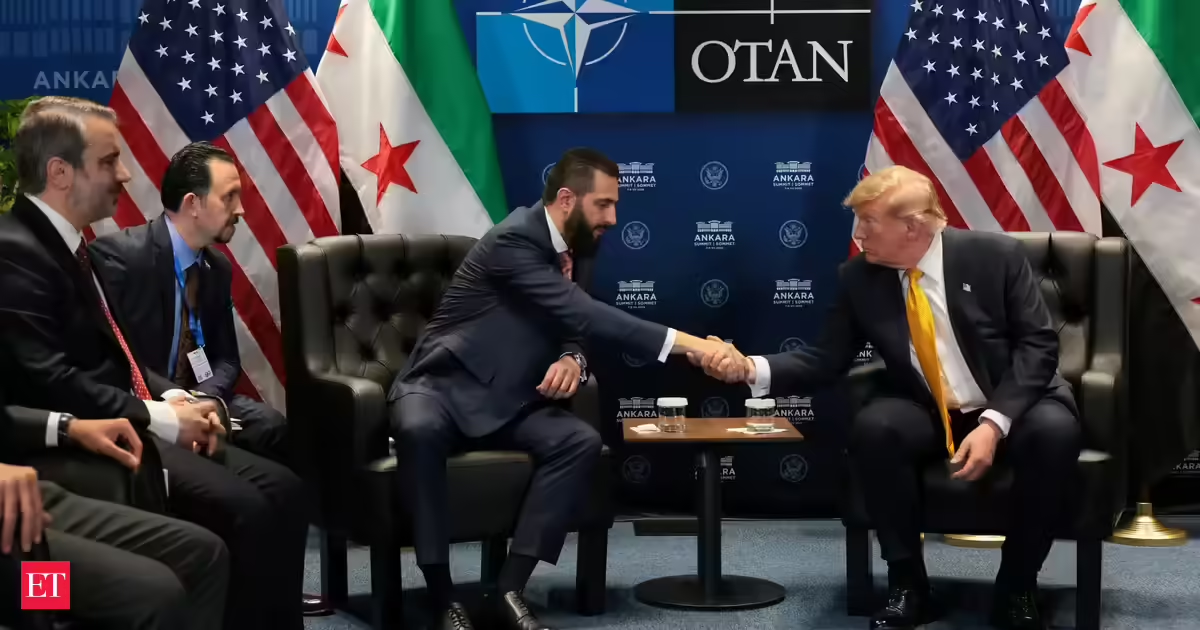
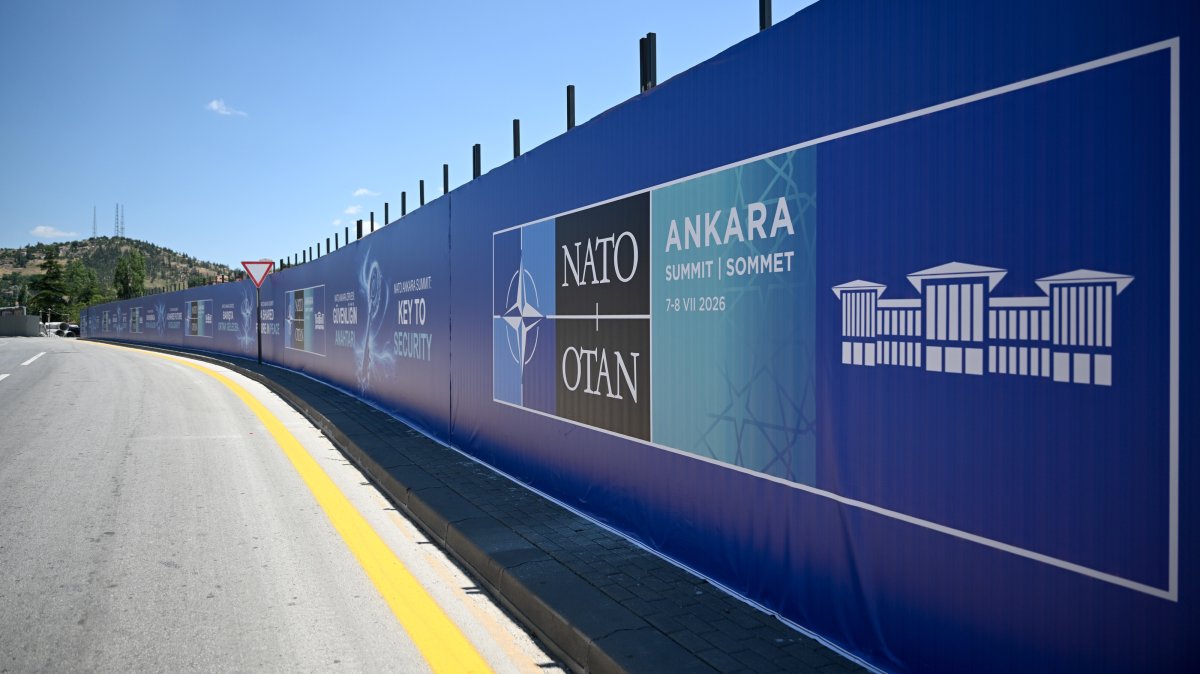
These may be seen as general facts about NATO. Yet since its founding, NATO has been a constantly debated organization on many issues, especially these fundamental determining matters. At the Ankara summit, since the boundaries of these determining matters have eroded, complementary decisions may be taken to clarify them once again.