Published July 6th, 2026 - 03:42 GMT
Highlights
The outcomes of the Ankara summit are expected to influence the Alliance's defense planning, procurement strategies, and deterrence posture in the coming years.
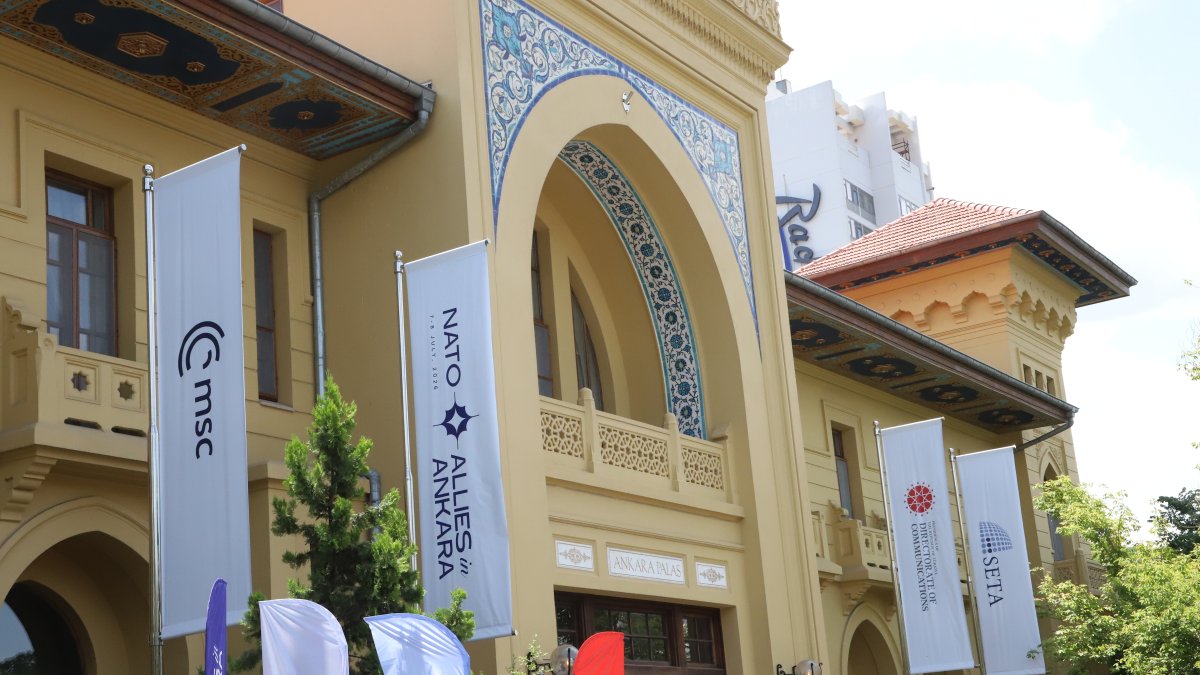
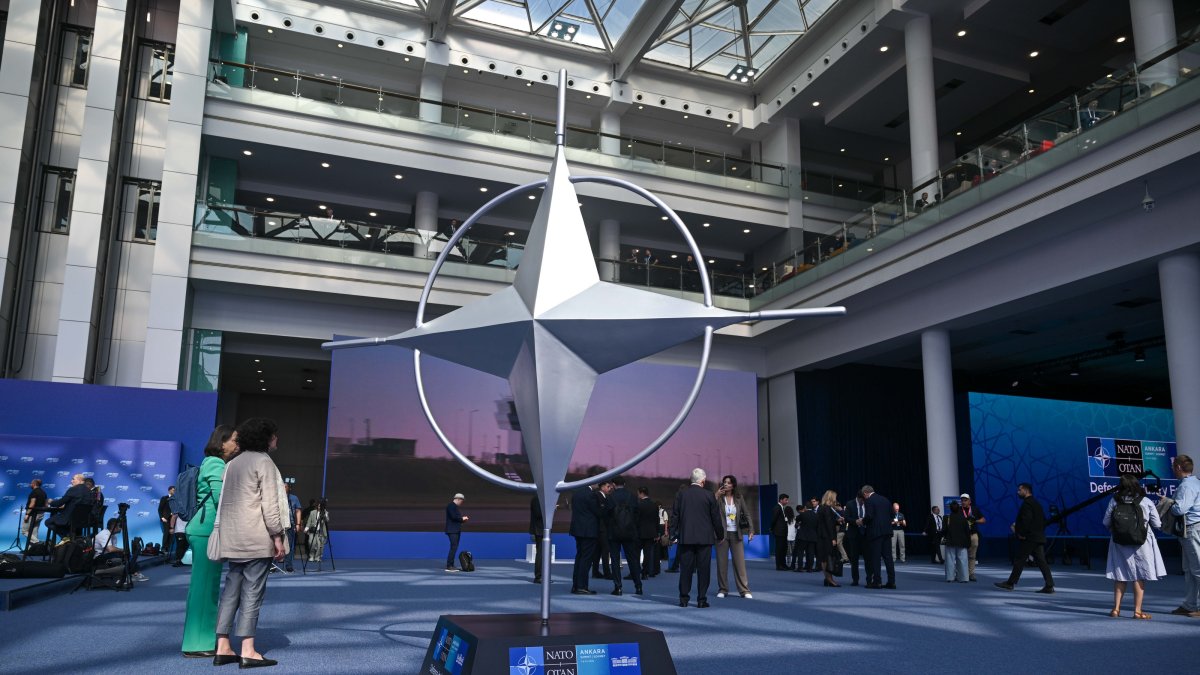
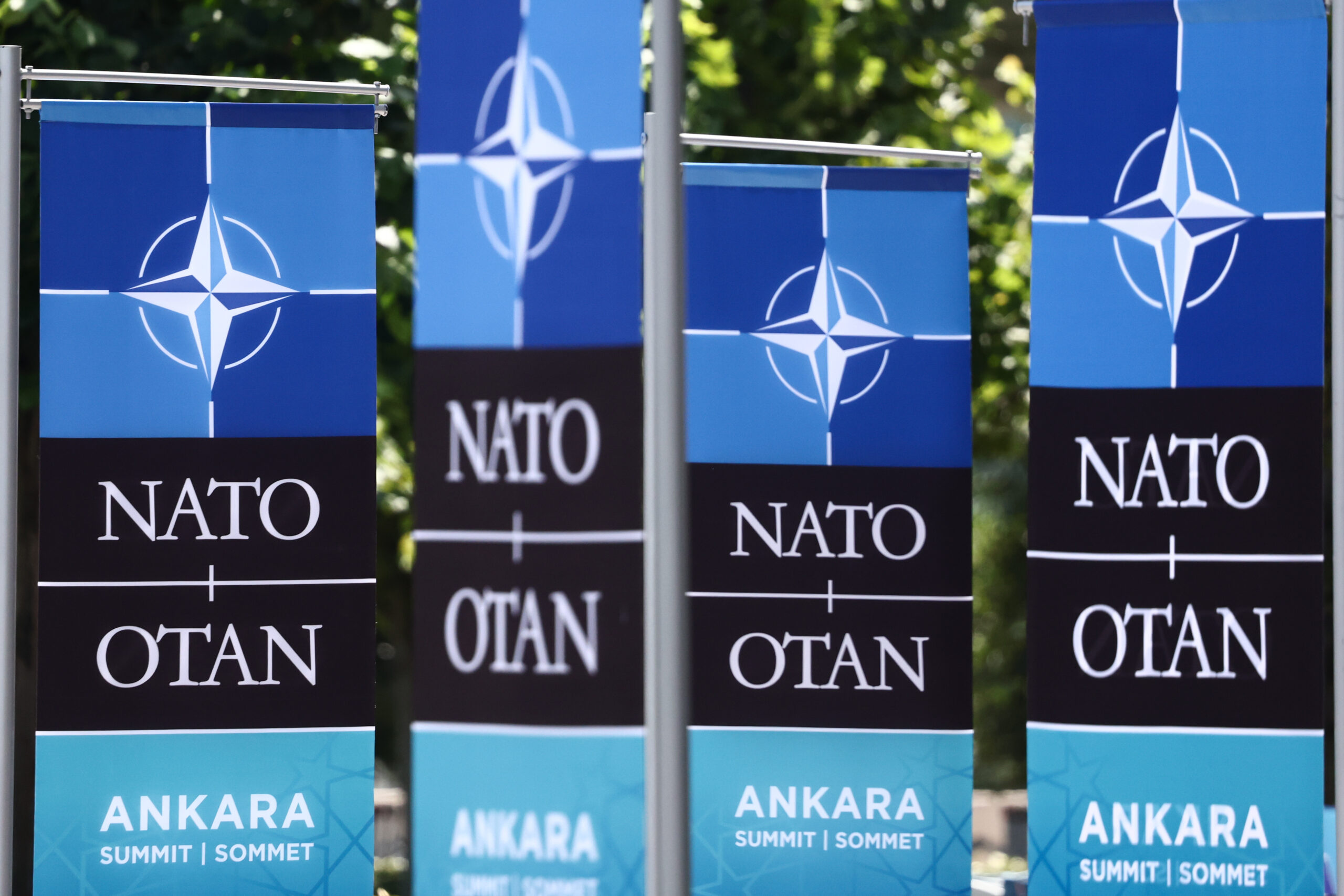
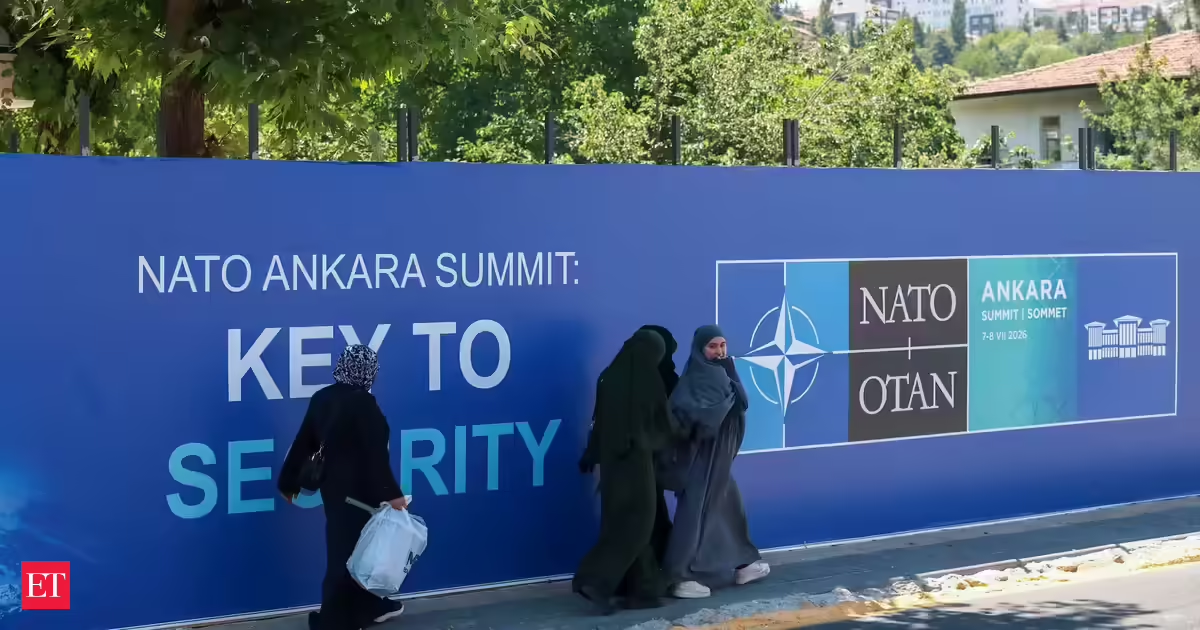
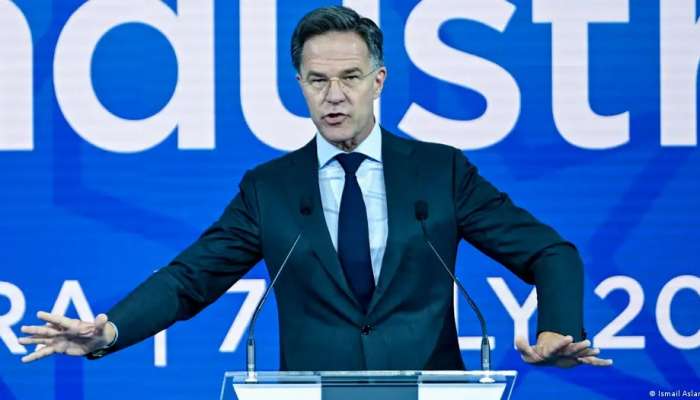
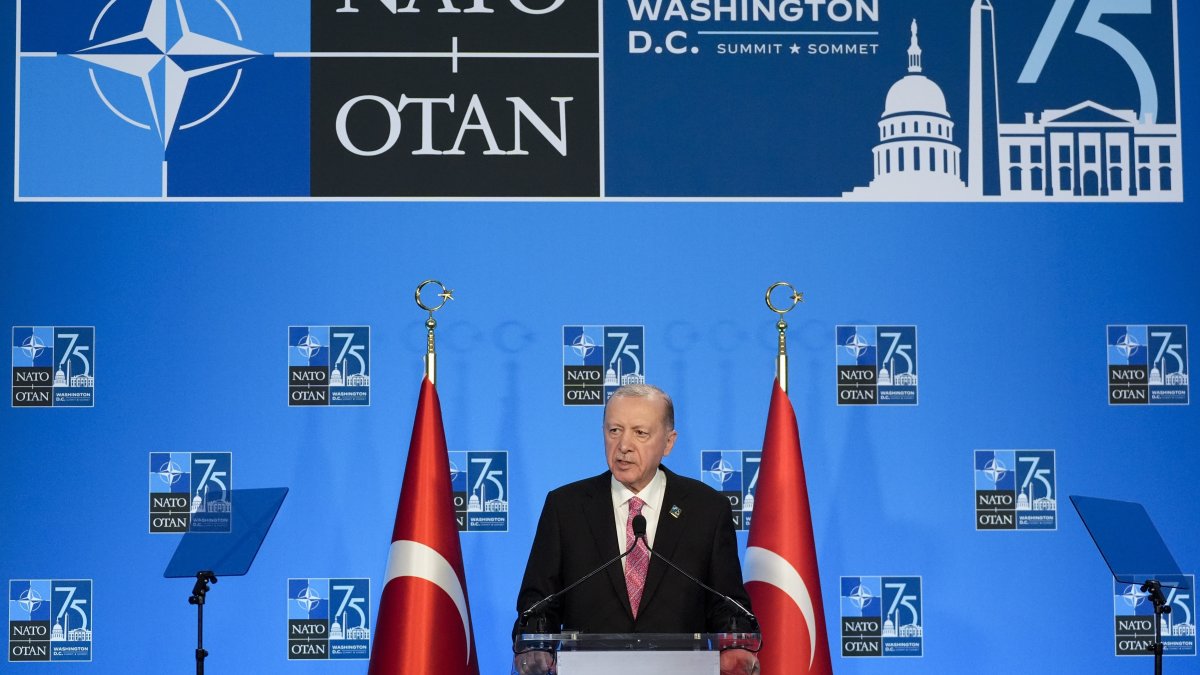
ALBAWABA- NATO leaders gathered in Ankara on Monday for a high-level summit focused on strengthening collective defense, expanding defense-industrial cooperation, and addressing growing geopolitical challenges across Europe, the Indo-Pacific, and the Arctic.The meeting brought together U.S. President Donald Trump, French President Emmanuel Macron, Italian Prime Minister Giorgia Meloni, the German Chancellor, Turkish President Recep Tayyip Erdogan, and other allied leaders, highlighting Turkey's increasingly prominent role within the Alliance.The summit comes as Ankara seeks U.S. approval to acquire engines for its domestically developed KAAN fighter jet and follows Turkey's recent test of the Tayfun 3 anti-ship missile, underscoring its expanding indigenous defense capabilities.Speaking at a press conference at the Presidential Complex, NATO Secretary General Mark Rutte emphasized the Alliance's combined economic and military strength. "Together, we represent nearly two-thirds of the global economy, and we are strong through our unity," Rutte said, stressing that increased investment in defense industries would strengthen both security and economic growth."From Arkansas in the United States to Ankara, we will strengthen our economies through investments in the defense industries," he added.NATO Secretary General Mark Rutte cautioned allies don’t have an endless supply of missile interceptors, hours after Ukraine urged the alliance to send more to repel Russia’s deadly air strikes https://t.co/SmiN2cqnyC— Bloomberg (@business) July 6, 2026 Rutte said NATO would continue building a stronger deterrence posture by reinforcing its eastern flank and expanding capabilities across the Arctic and Canada. "A stronger Europe means a stronger NATO," he said, adding that defense investment would also drive innovation and create tens of thousands of jobs across member states.Addressing global security concerns, Rutte warned allies against underestimating China following its recent missile test in the South Pacific. "We cannot be naive about China, as everything has become interconnected, and what happens in the Pacific also affects the North Atlantic region," he said.Rutte also praised Turkey's strategic importance, describing its geographic location and leadership as essential to NATO's security architecture. "Turkey's leadership within the NATO Alliance is extremely important, and holding the summit in Ankara carries great significance," he said.Highlighting Ankara's growing defense sector, Rutte noted that Turkey now has around 3,000 defense companies and said its industry has made "significant progress" over the past decade. He cited defense manufacturer ASELSAN as an example of the country's expanding industrial base and said Turkish defense exports are supporting the capabilities of several NATO members.The United States is also reassessing its long-term force posture and contributions to the Alliance as it prepares for potential security challenges in both the Euro-Atlantic and Indo-Pacific regions. Rutte said NATO continues to benefit substantially from Turkey's defense-industrial capabilities and added that the Alliance remains well-positioned in the field of nuclear energy.Reports of diplomatic tensions within the Alliance have also accompanied the summit. Media reports suggested disagreements between Trump and Meloni, with claims that the Italian prime minister contacted Erdogan in an effort to encourage restraint over Trump's public remarks. Those reports have not been officially confirmed.Despite the diplomatic undercurrents, leaders are expected to prioritize decisions on collective defense, military modernization, industrial cooperation, and technological innovation as NATO adapts to an increasingly complex global security environment. The outcomes of the Ankara summit are expected to influence the Alliance's defense planning, procurement strategies, and deterrence posture in the coming years.