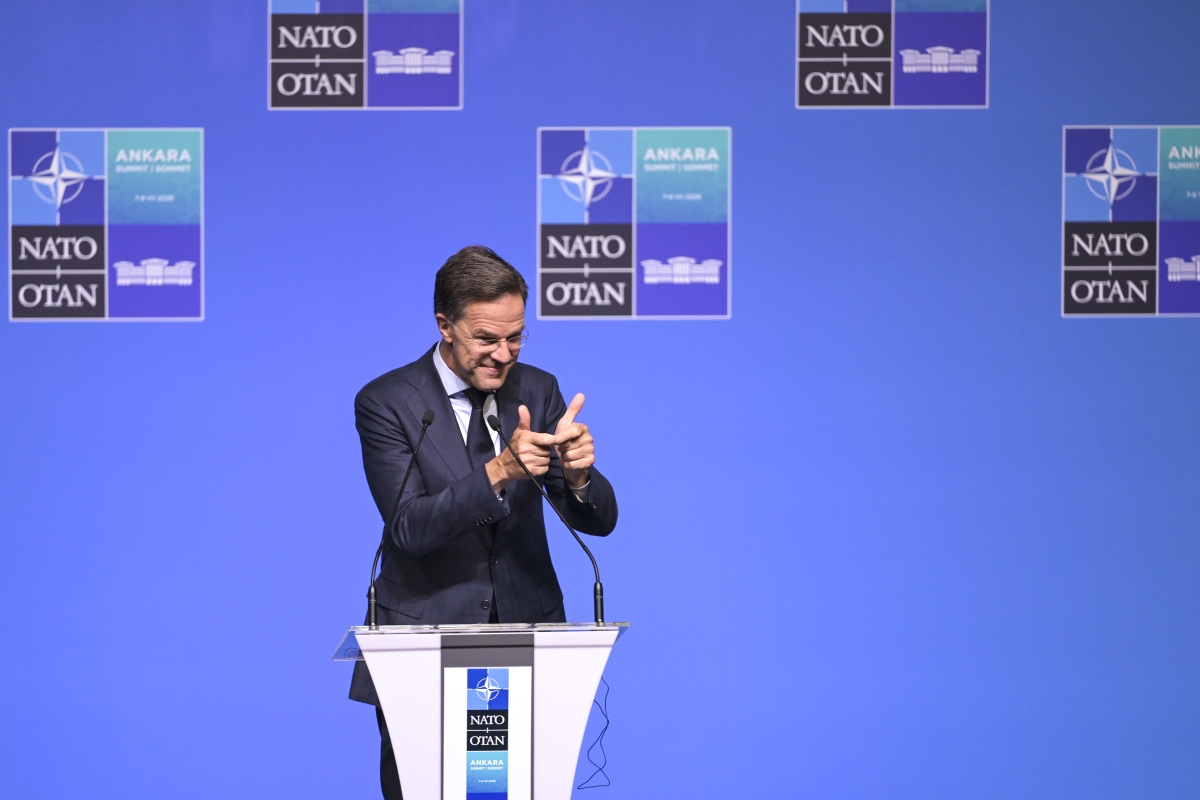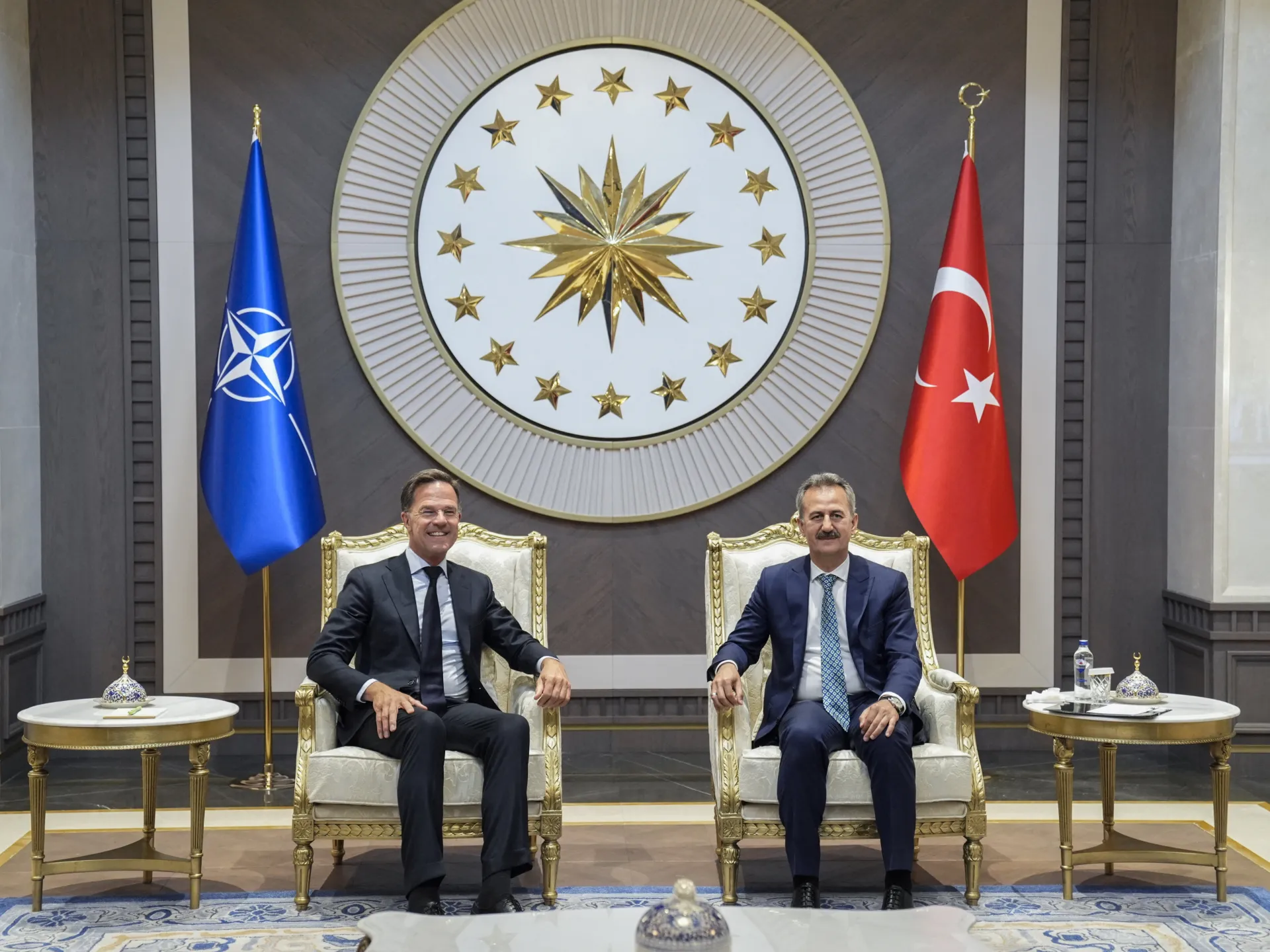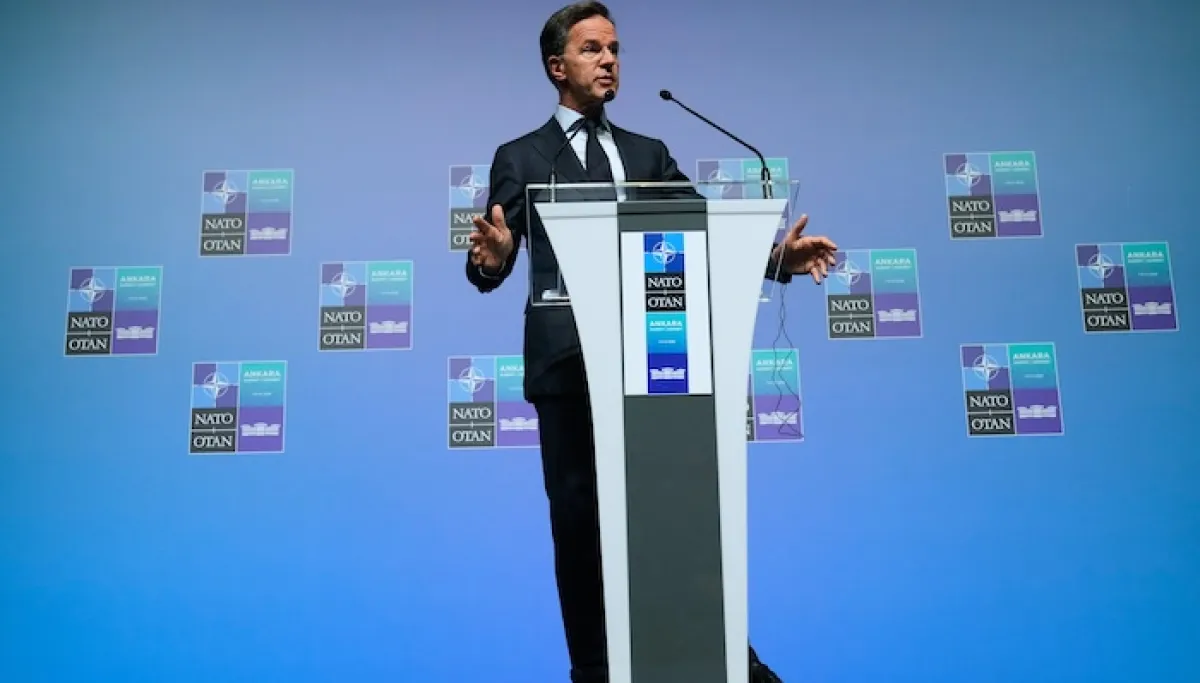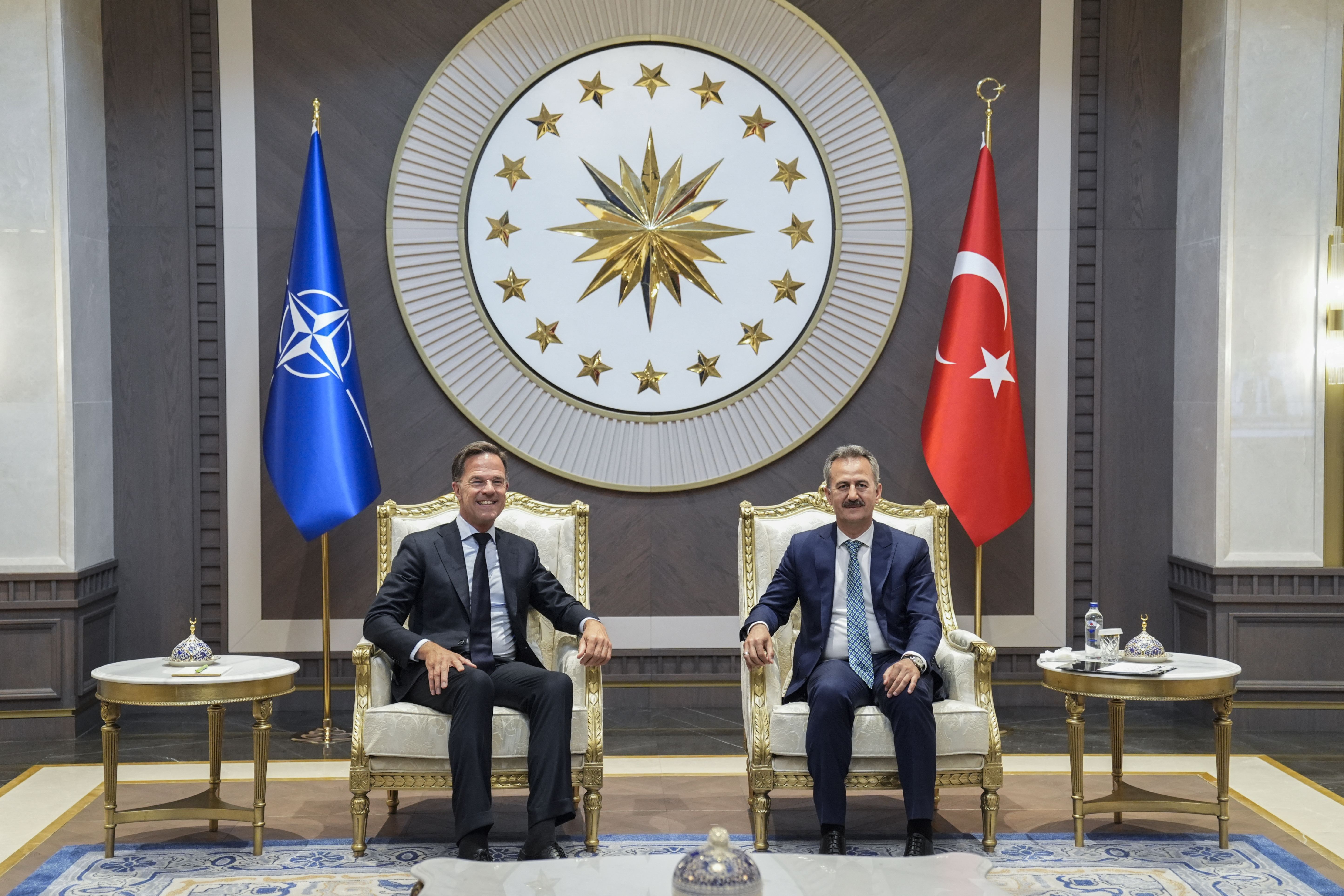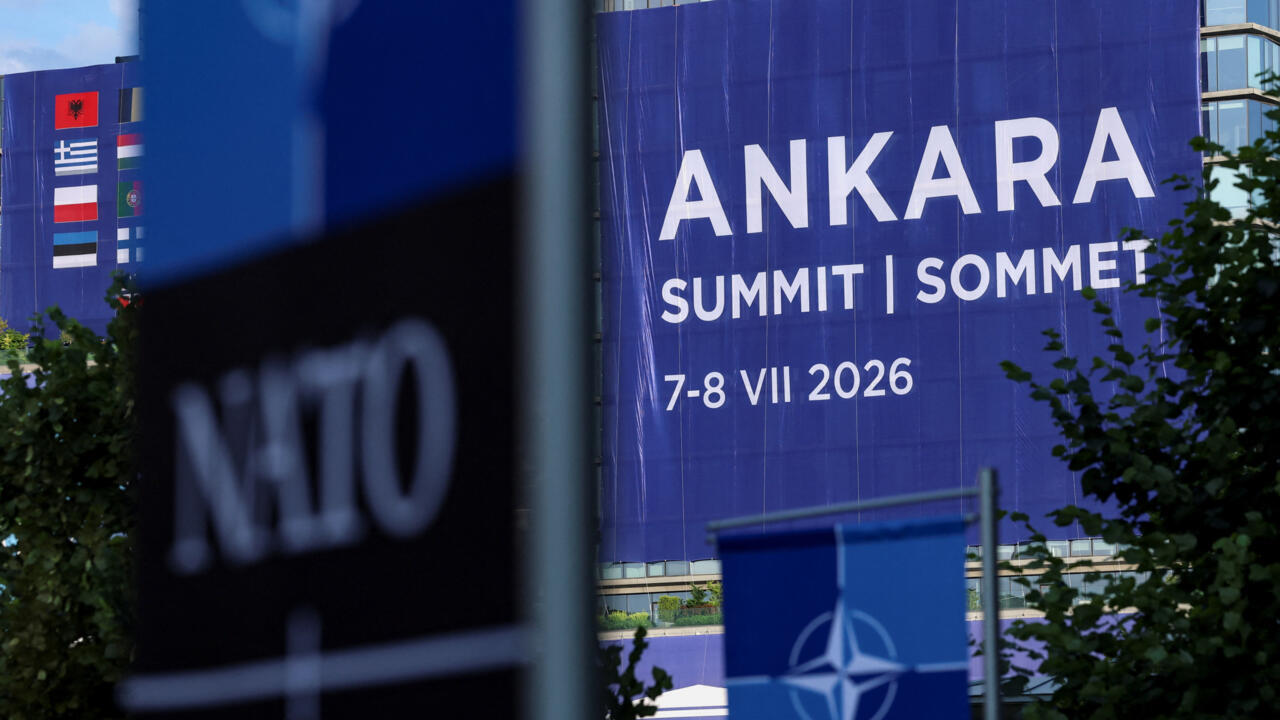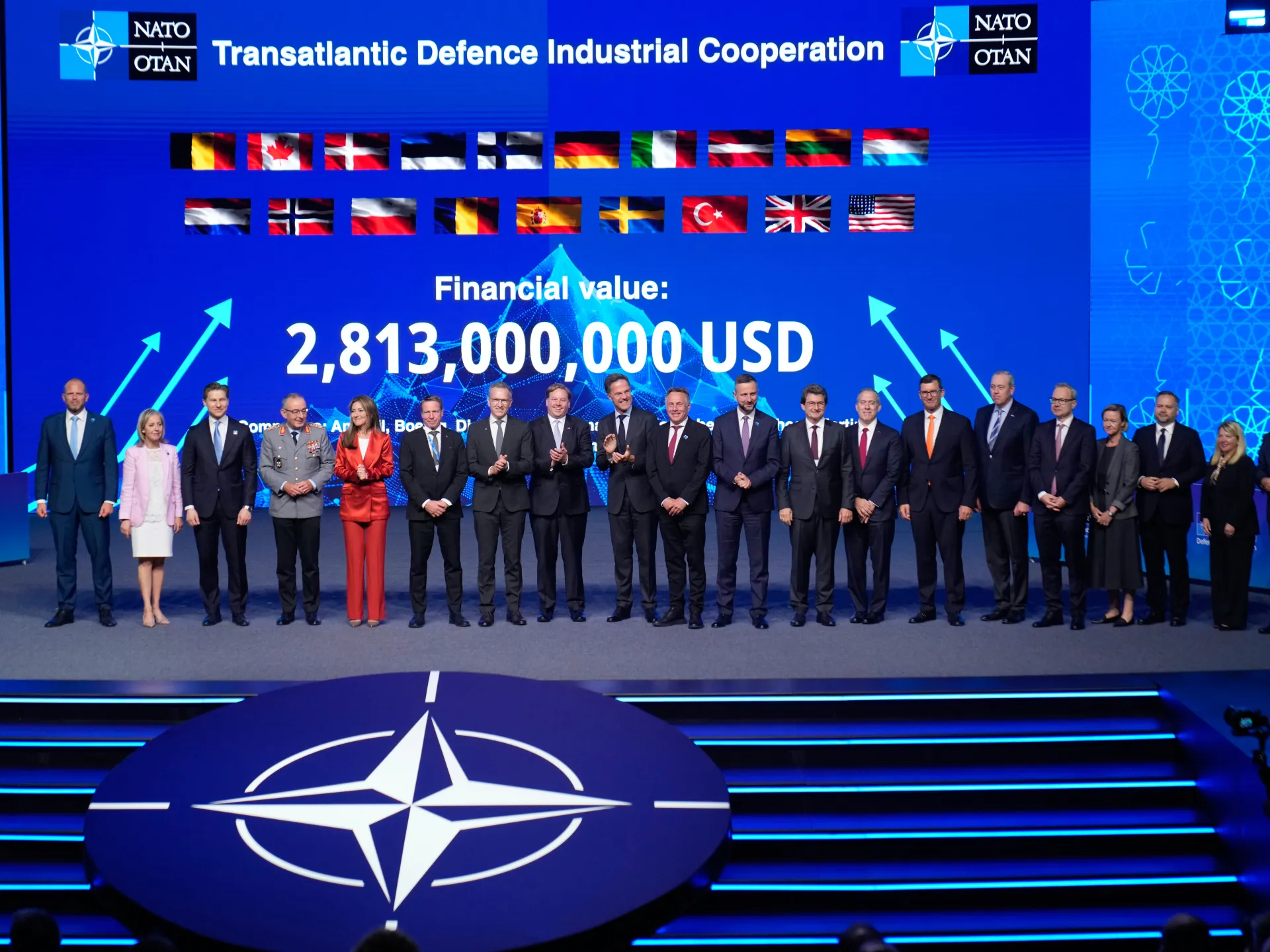
When NATO leaders gather in the Turkish capital Ankara next week for what is expected to be a landmark two-day summit, defense spending and talks on the need to boost investments are widely expected to take center stage.
For the first time since the 2% of gross domestic product (GDP) benchmark was codified at the 2014 Wales summit, all 32 NATO member states met or exceeded that threshold in 2025.
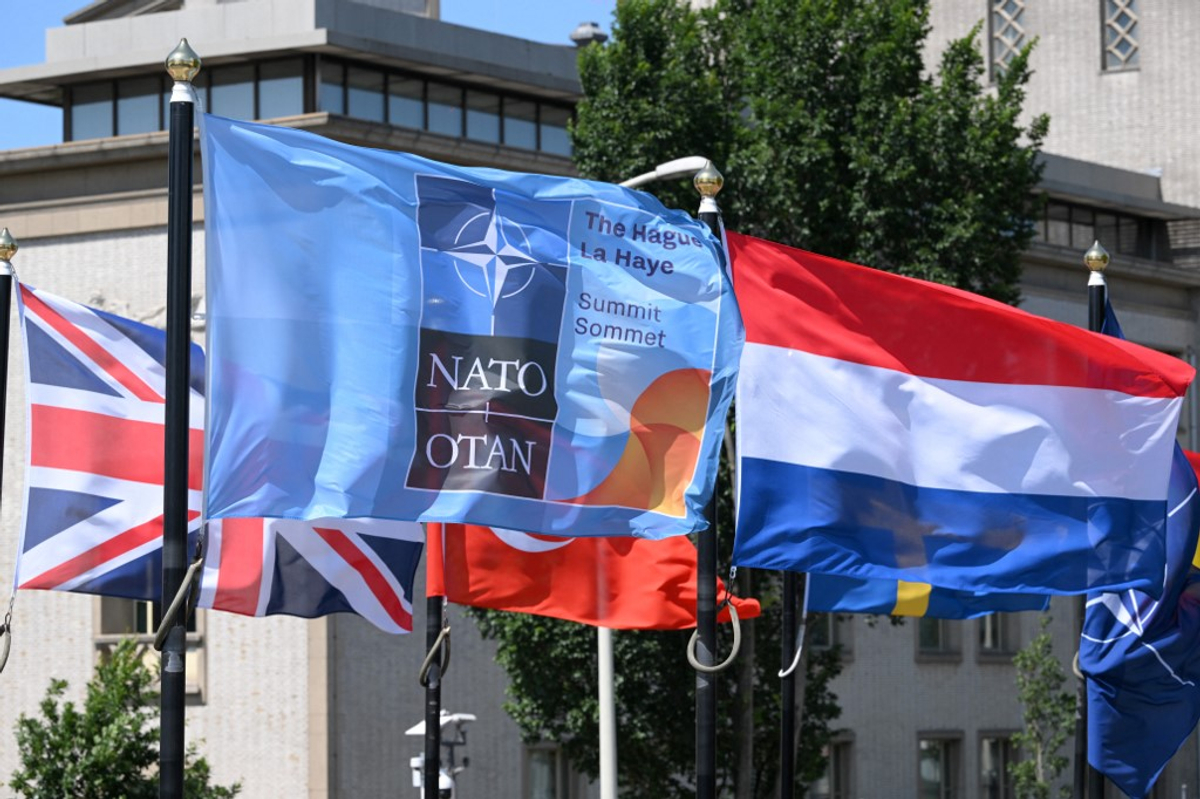
Yet even as European allies mark that milestone, the target has already been doubled, as the June 2025 Hague summit committed all allies to spending 5% of GDP by 2035.
Other key items for the Ankara summit include further assistance to Ukraine, defense spending road maps and the long-term direction of the alliance.
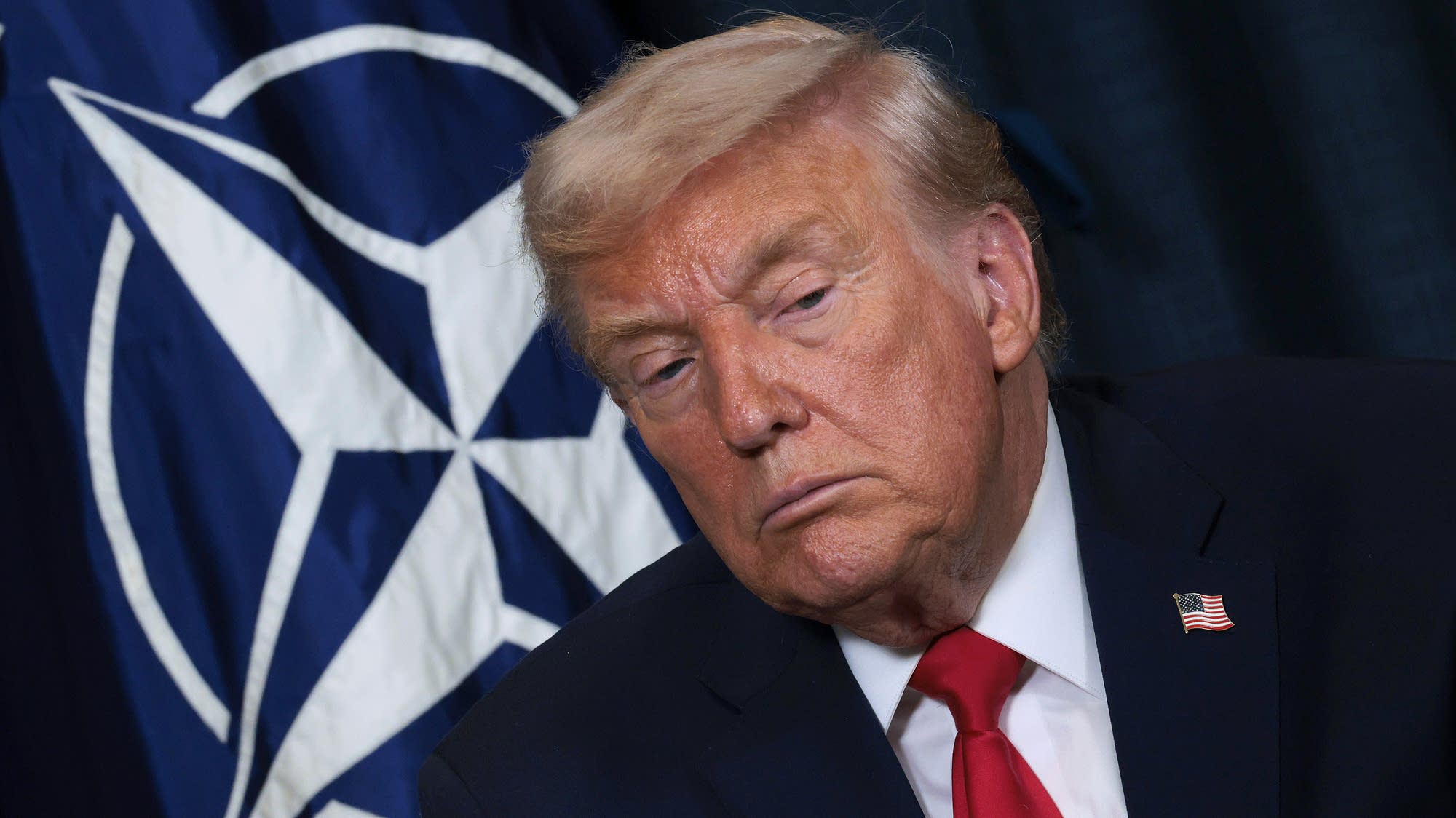
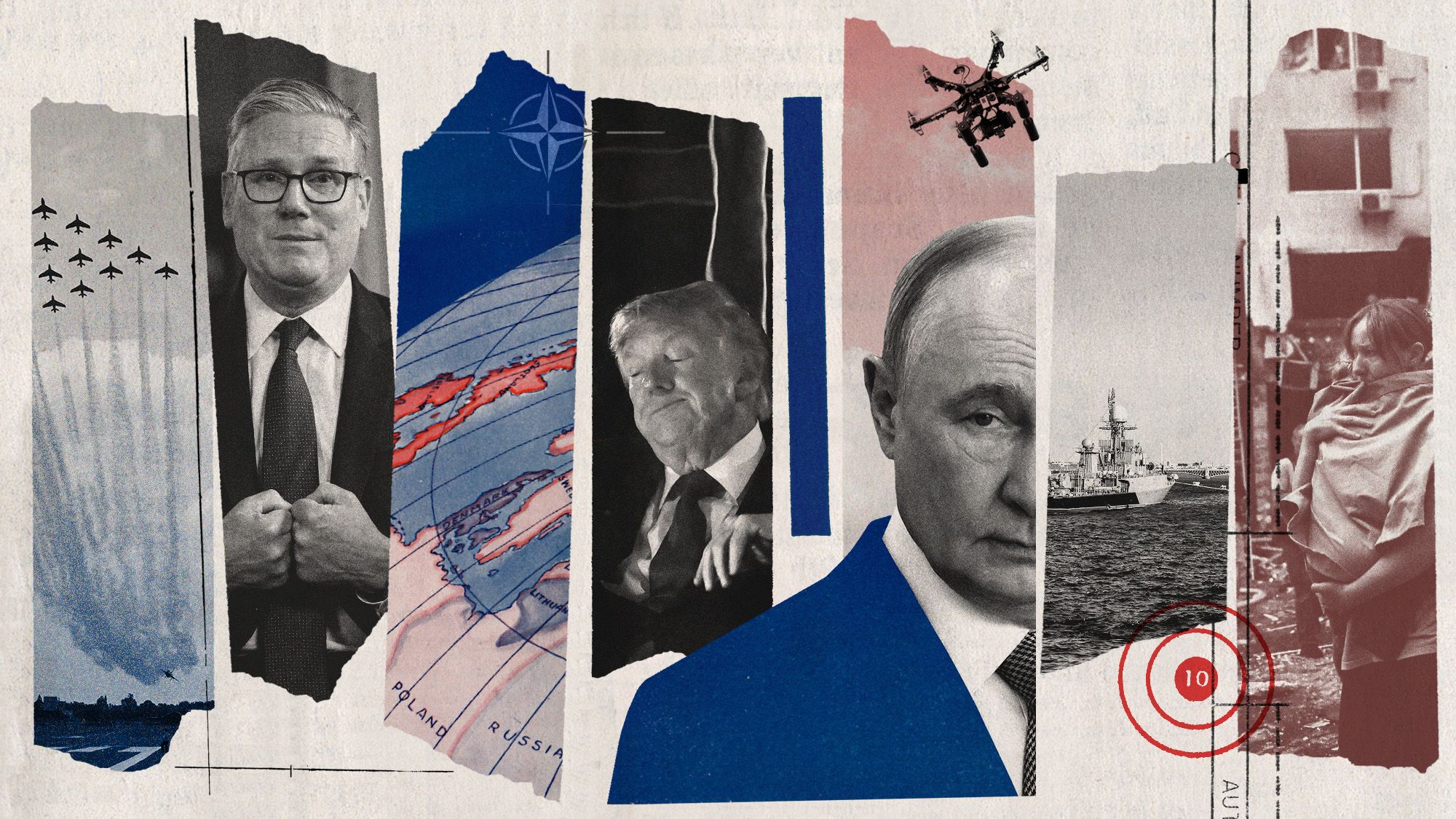
The gathering convenes under significant internal strain. Since U.S. President Donald Trump's return to the White House in 2025 for a second term, the alliance has faced an unprecedented rift between Washington and most other allies. In March, Trump called NATO allies "cowards" for declining to support efforts to reopen the Strait of Hormuz during the Israeli-U.S. war with Iran, dismissing the alliance as a "paper tiger" that would be ineffective without U.S. involvement.