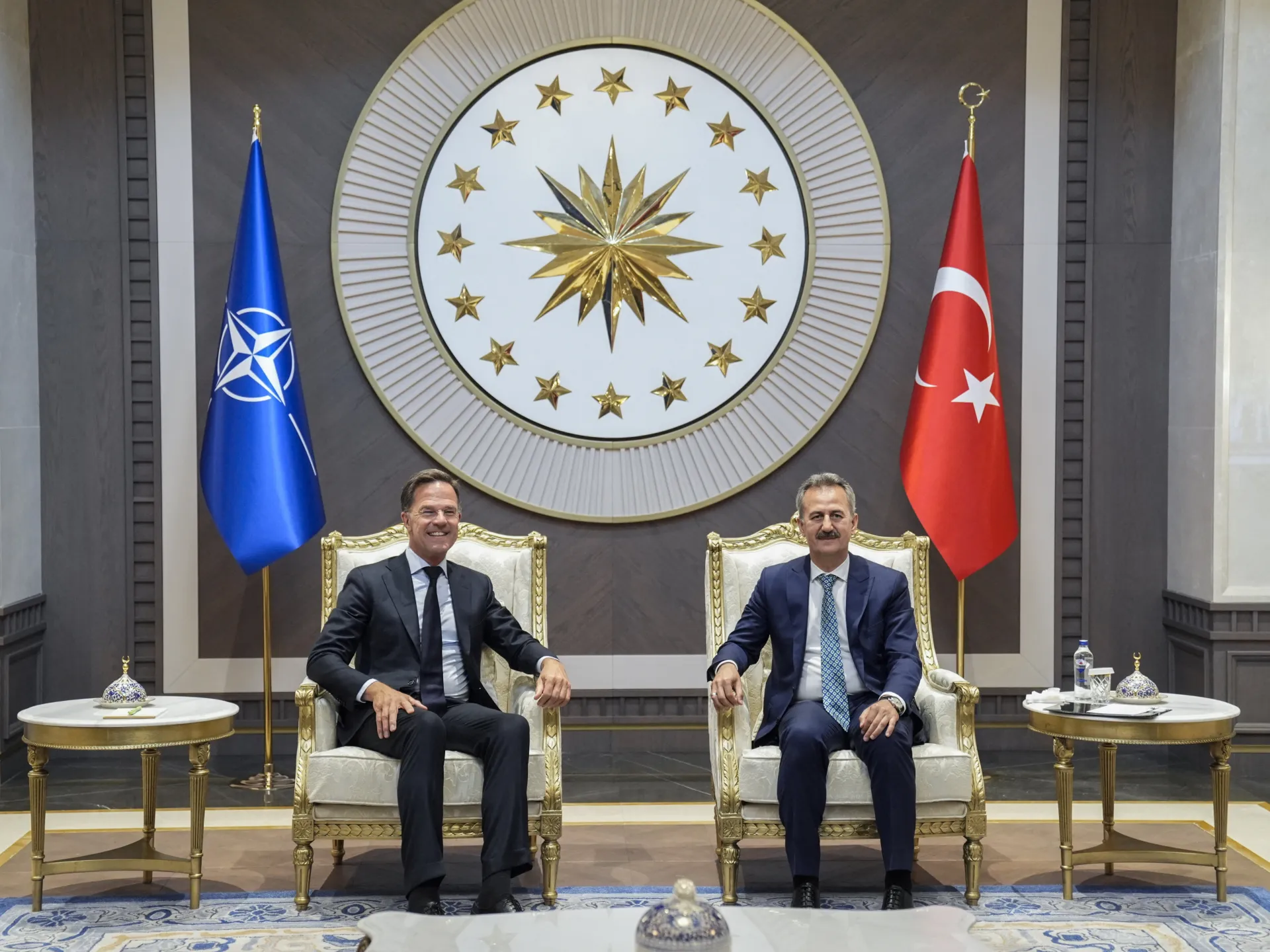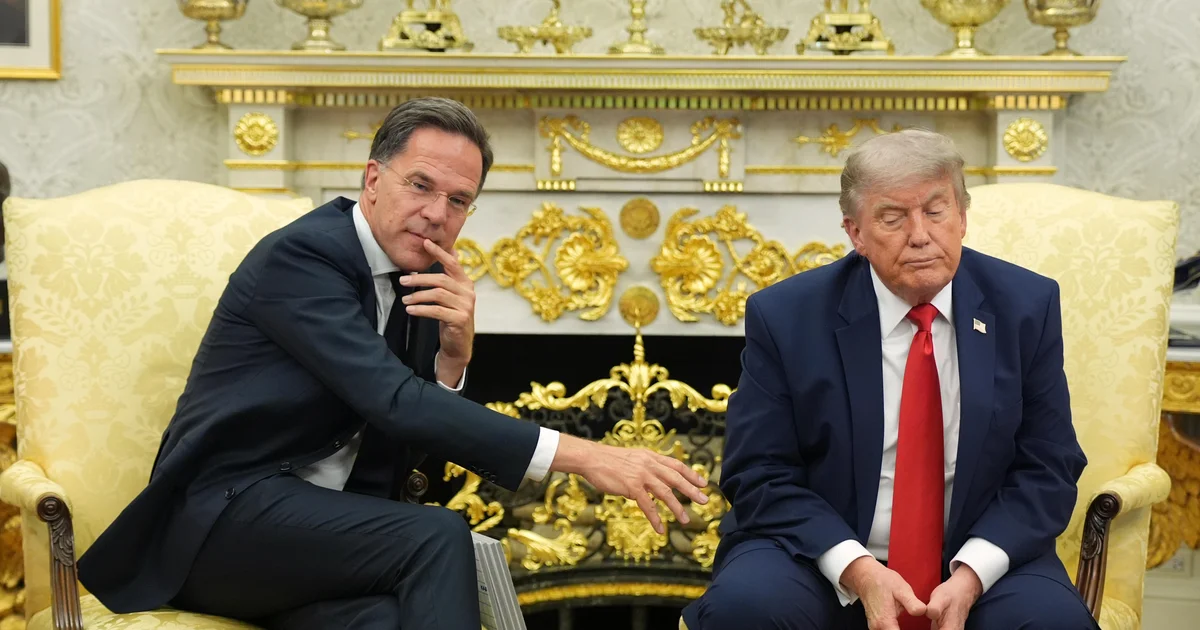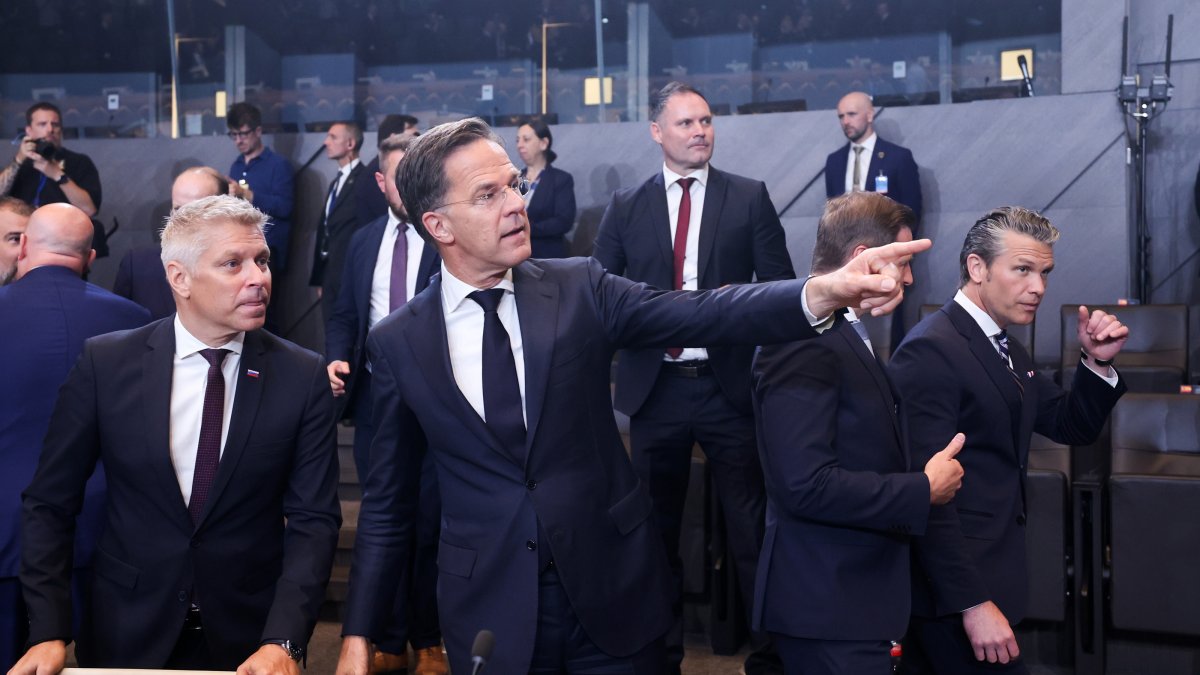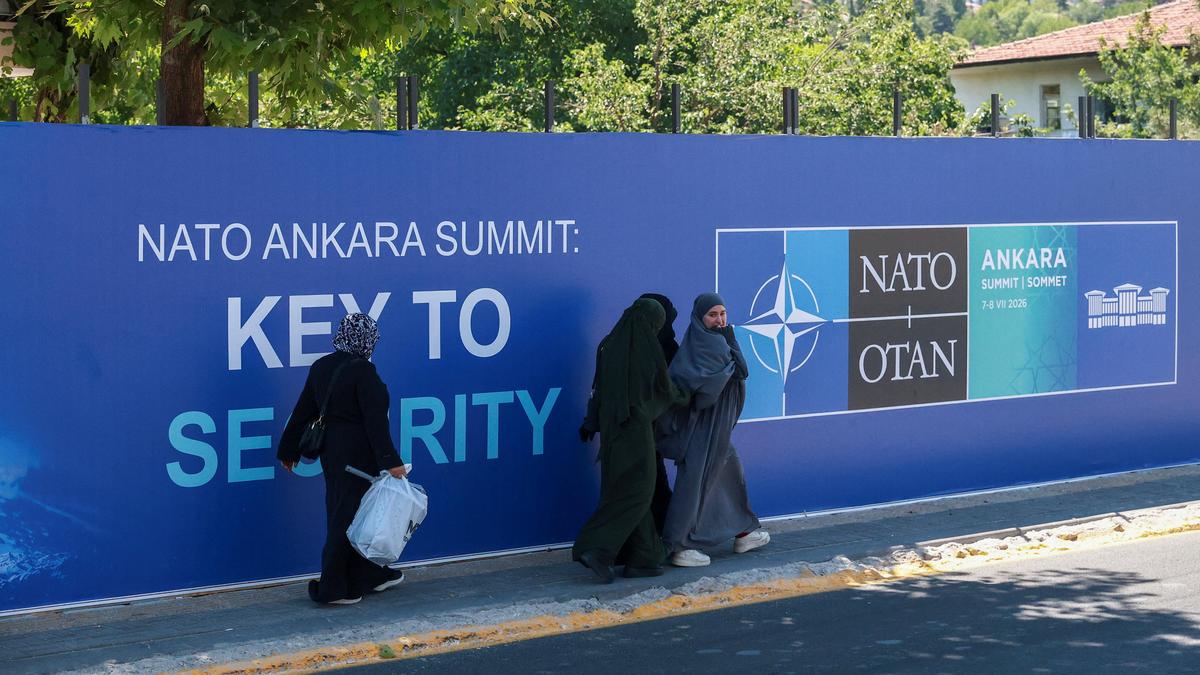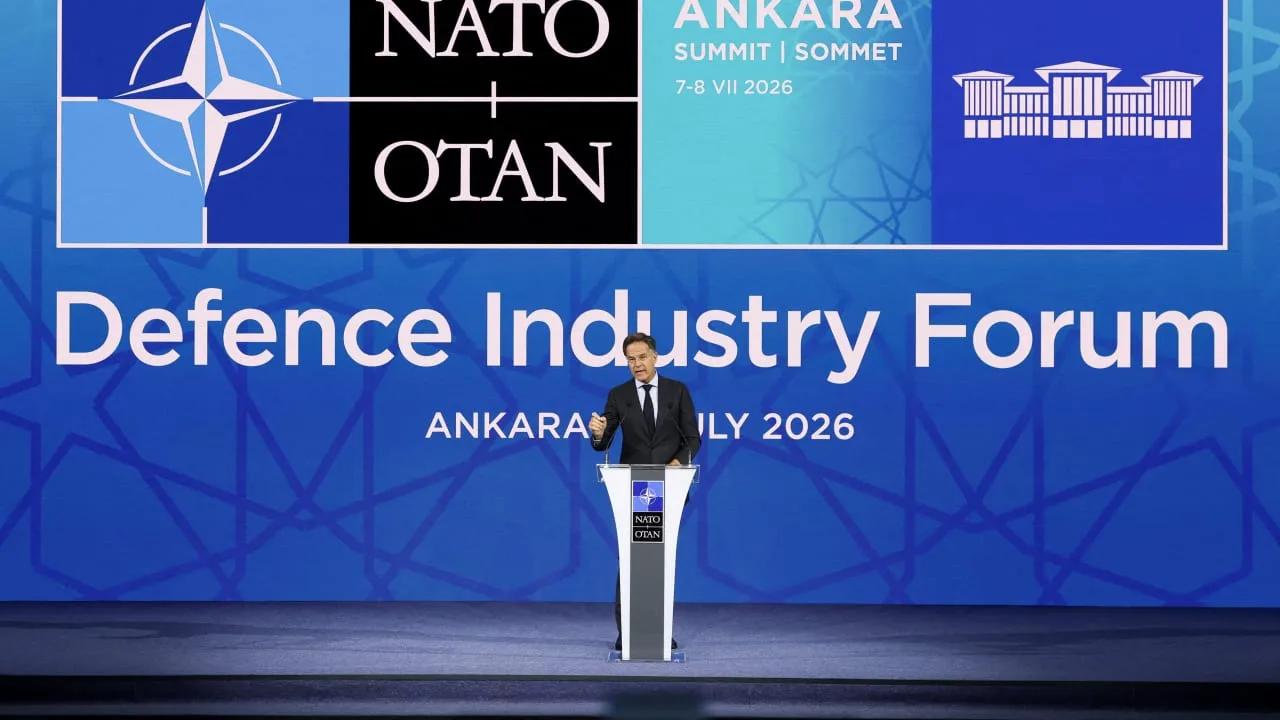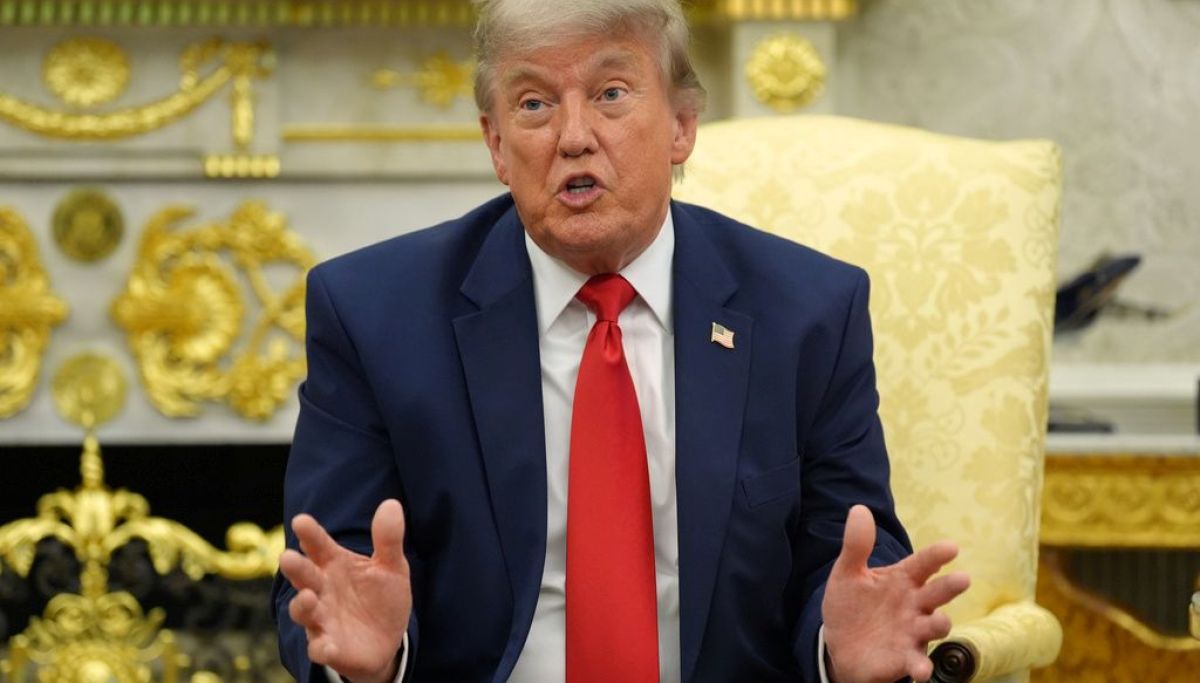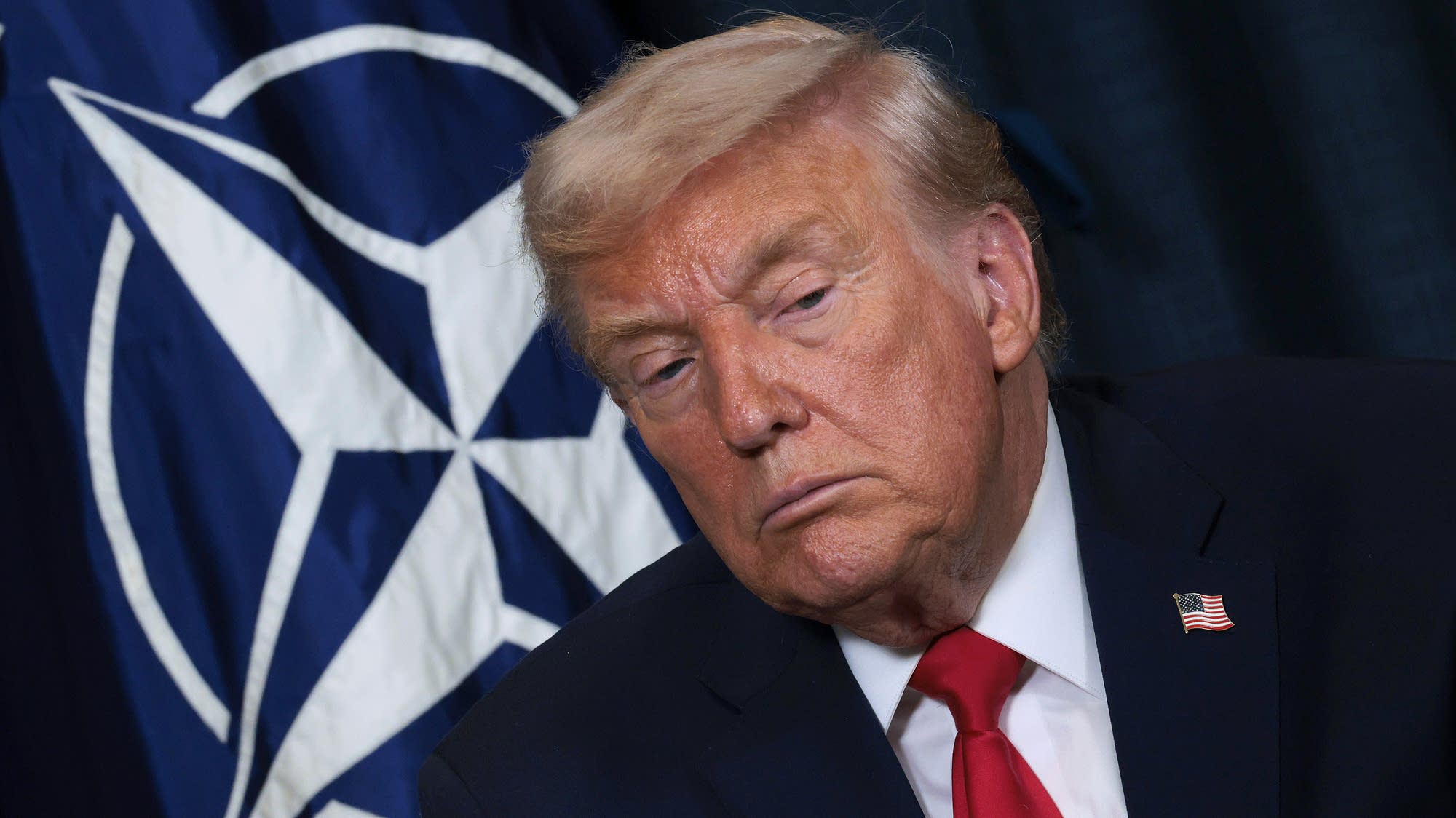
NATO leaders are meeting this week in Ankara, Turkey, for a summit. The meeting is set against the backdrop of war in the Middle East and President Donald Trump’s threats to acquire Greenland. Trump has recently taken to social media to speak out against U.S. support for NATO, calling the relationship “one-sided.” The Trump administration, and most U.S. administrations before it, have long complained that Europe relies too heavily on the U.S. for its security and have pressed NATO allies to spend more on their own militaries. The Trump administration, though, has taken those complaints to a new level — to the point where the U.S. commitment to Europe's defense has been called into question.For more on European defense spending amid a strained relationship with the U.S., “Marketplace Morning Report” host Sabri Ben-Achour spoke with Dr. Giuseppe Spatafora, a policy analyst at the EU Institute for Security Studies. The following is an edited transcript of their conversation.Sabri Ben-Achour: So, first off, when we talk about European defense spending, what are we talking about specifically?Giuseppe Spatafora: So, usually what is referred to is to the pledge that member states make — or allies make — of NATO to spend a portion of their GDP on defense. And this has been the discussion at least since 2014 when NATO member states, NATO allies, agreed to spend 2% of their GDP on defense. So again, it's 2% to fund their own armed forces, not to fund NATO. And since last year, the pledges increased to 5%.Ben-Achour: So, pledges are one thing. Has Europe actually changed the amount or proportion it actually spends on defense?Spatafora: Yes. I would say absolutely that Europe as a whole has really increased its defense spending. Of course, there's been a lot of discussion of whether this is a result of the Trump administration's pressure. But I would say that this has been going on since much earlier, at least since the beginning of Russia's full-scale war of aggression against Ukraine. For example, I can tell you there's been a 45% increase in European defense spending between 2022 and 2025 — which is from about €300 billion to €436 billion last year. And there's expectation that this year the growth would be even bigger.Ben-Achour: How much of that defense spending increase do you think is from pressure from the U.S. versus, you know, the fact that Russia literally invaded a country on Europe's doorstep?Spatafora: Look, it's a combination. In fact, I believe in the past, there's actually research that showed that more pressure from the United States, sort of naming and shaming allies, has not worked in increasing defense spending. More recently, we cannot really tell what is the effect, because, as you said, there's been this war. One element is that in 2024, all countries reached the 2% commitment, and that was before Trump came back into power. But then, with the pressure from the United States, you can say that this has further increased the urgency of having to spend more on their own defense, simply because the American security protection was no longer guaranteed.Ben-Achour: So that's Europe. If we zoom out, is the U.S. concretely withdrawing defense resources from Europe?Spatafora: There were fears at the beginning that the United States would just immediately pull out a significant amount of forces from Europe. Now, that has not happened directly, and let's say that the withdrawal hasn't been that major and not that sudden. There was one from Romania last year, and then earlier this year from Germany. At the same time, there has been a withdrawal of certain capabilities — so not just troops — surveillance drones, some aerial capabilities. One-third of F-16 and F-15 fighter jets will probably be removed. And the point of this is that it wasn't a major withdrawal, but it was partial and without end. The point is that Europeans cannot see when it's over.
As NATO leaders meet this week, how much is Europe boosting defense spending?
The leaders of NATO are meeting in Turkey, and one of the biggest issues on the agenda will be defense spending.
653 words~3 min read