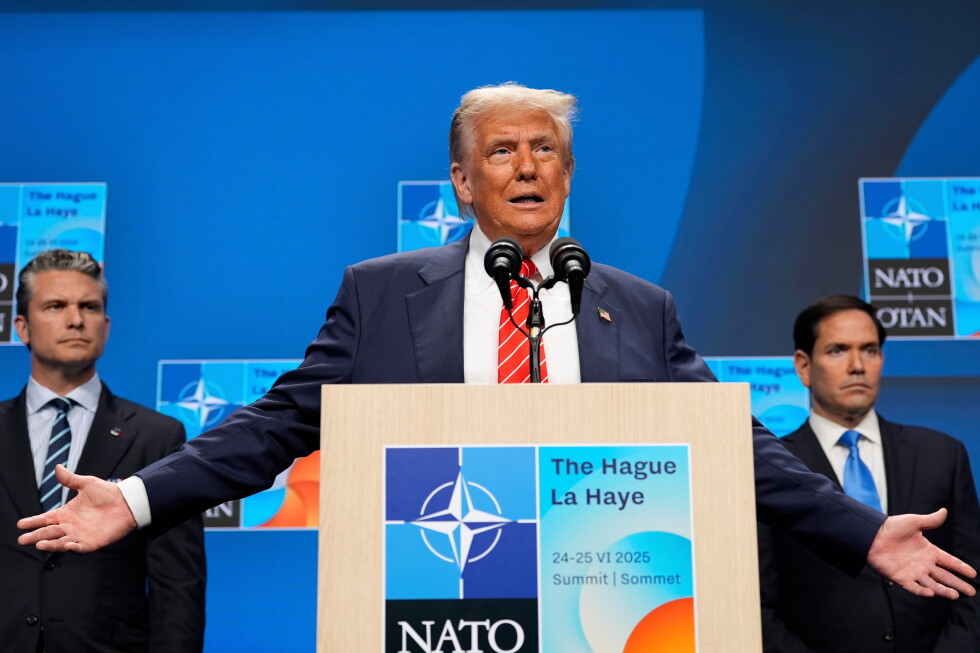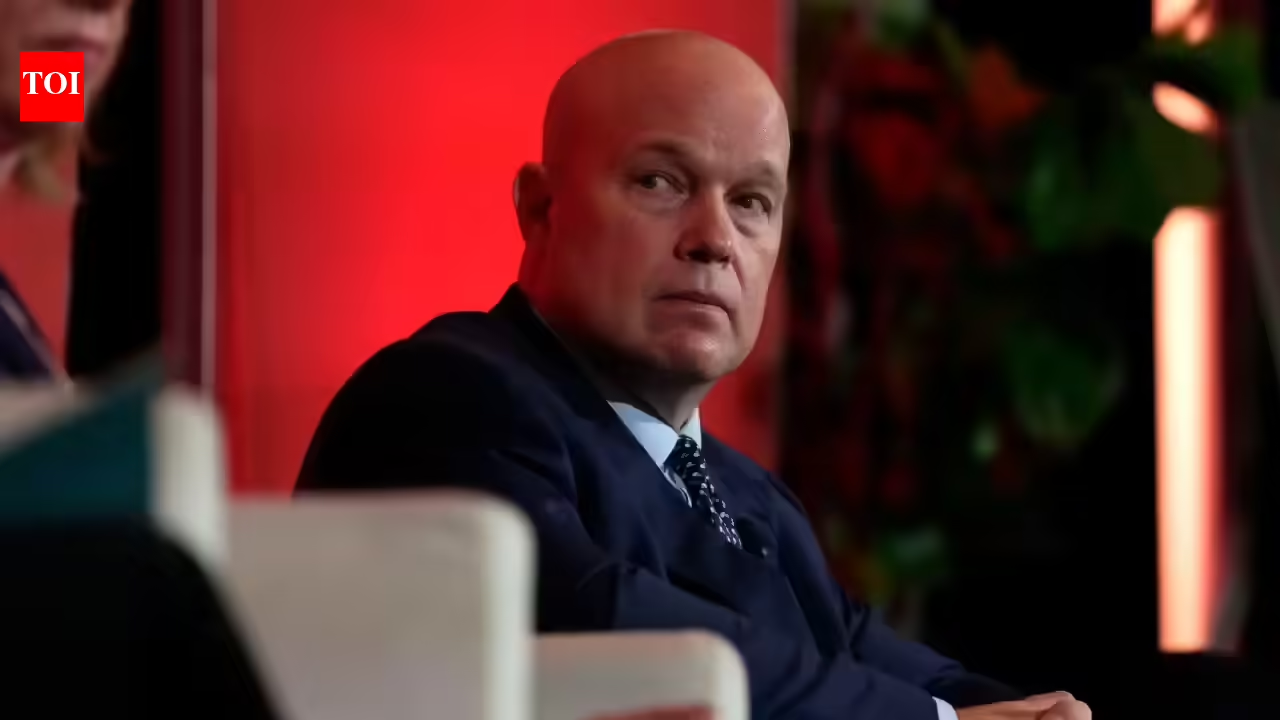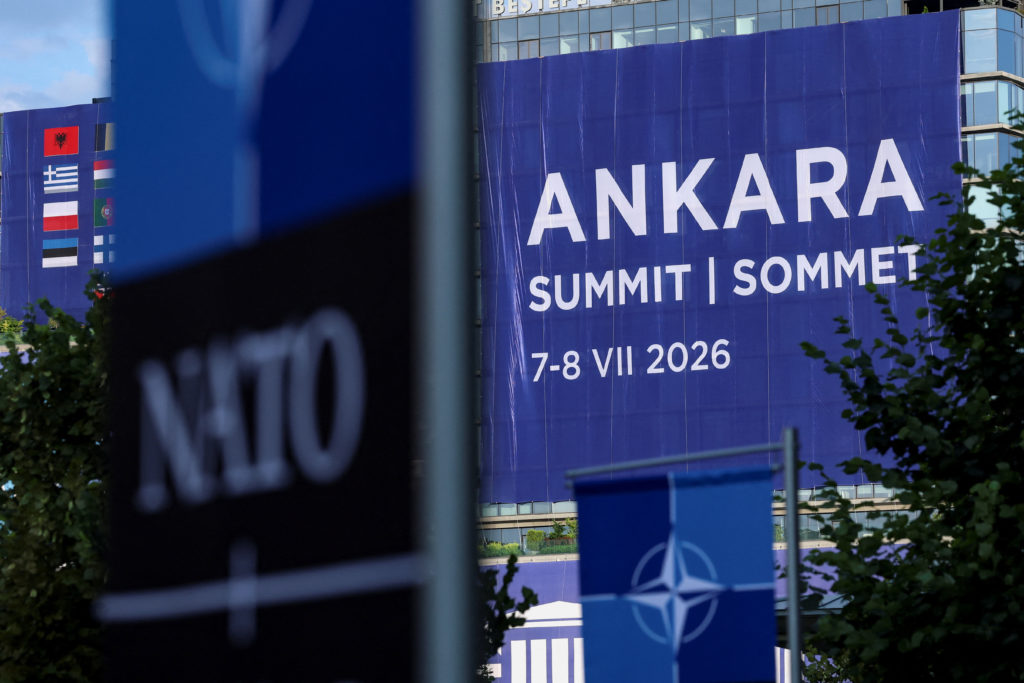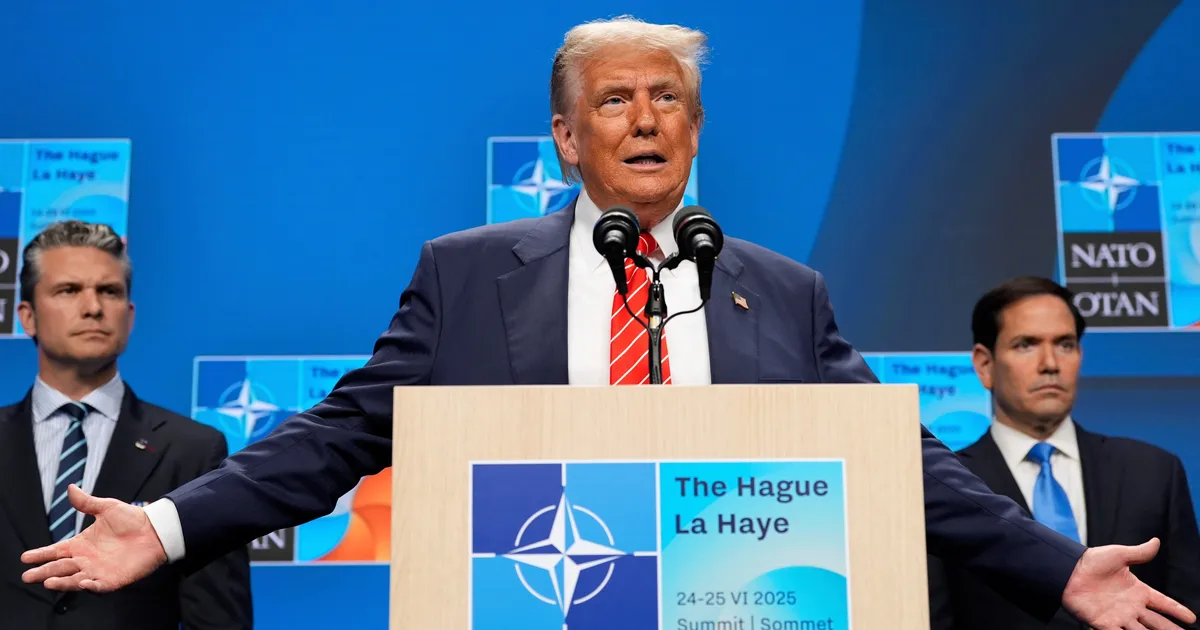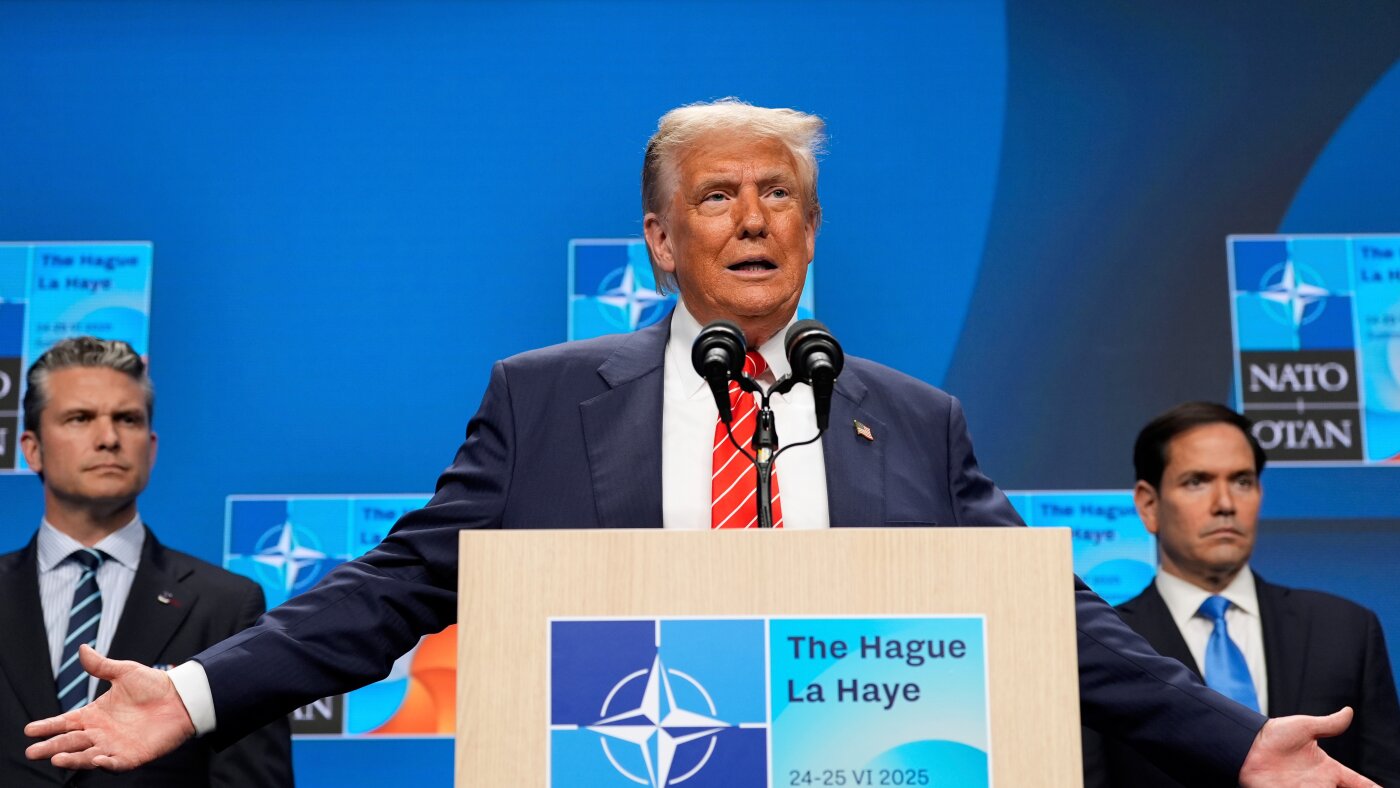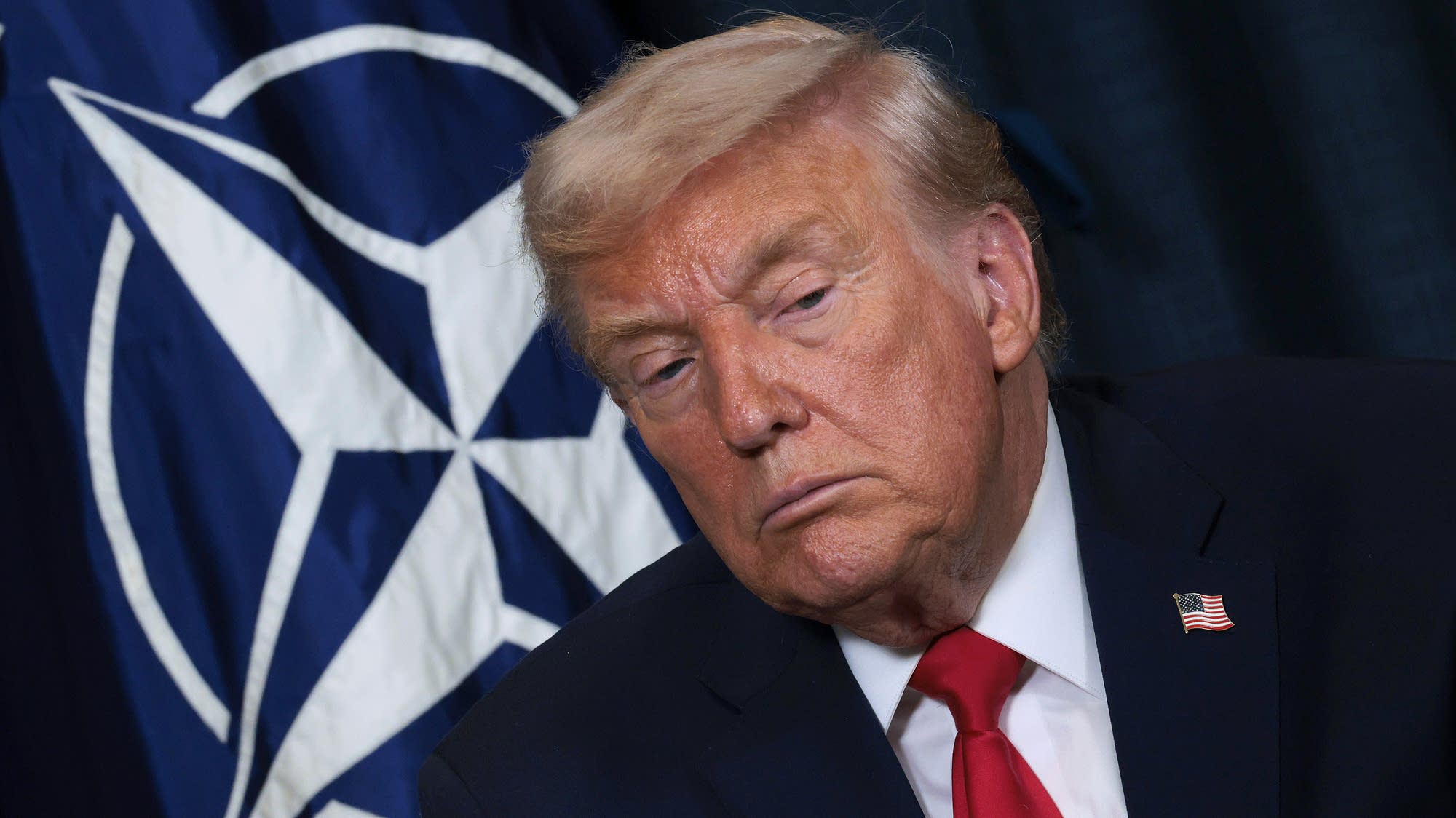
President Donald Trump is arriving in the Turkish capital of Ankara on Tuesday for NATO’s annual summit, where he is expected to pressure the alliance’s members to spend at least 5% of their gross domestic product on defense.U.S. Ambassador to NATO Matt Whitaker told reporters that “the Ankara Summit will measure the progress” countries have made towards meeting the defense spending threshold. At last year’s retreat in the Hague, the alliance agreed to increase spending from 2% to 5% of GDP under heavy pressure from Trump. Officially, NATO members have until 2035 to reach that goal.Some European countries, like Spain, have rejected the 5% spending commitment, while others, like the United Kingdom, have not yet outlined a plan to meet the threshold.
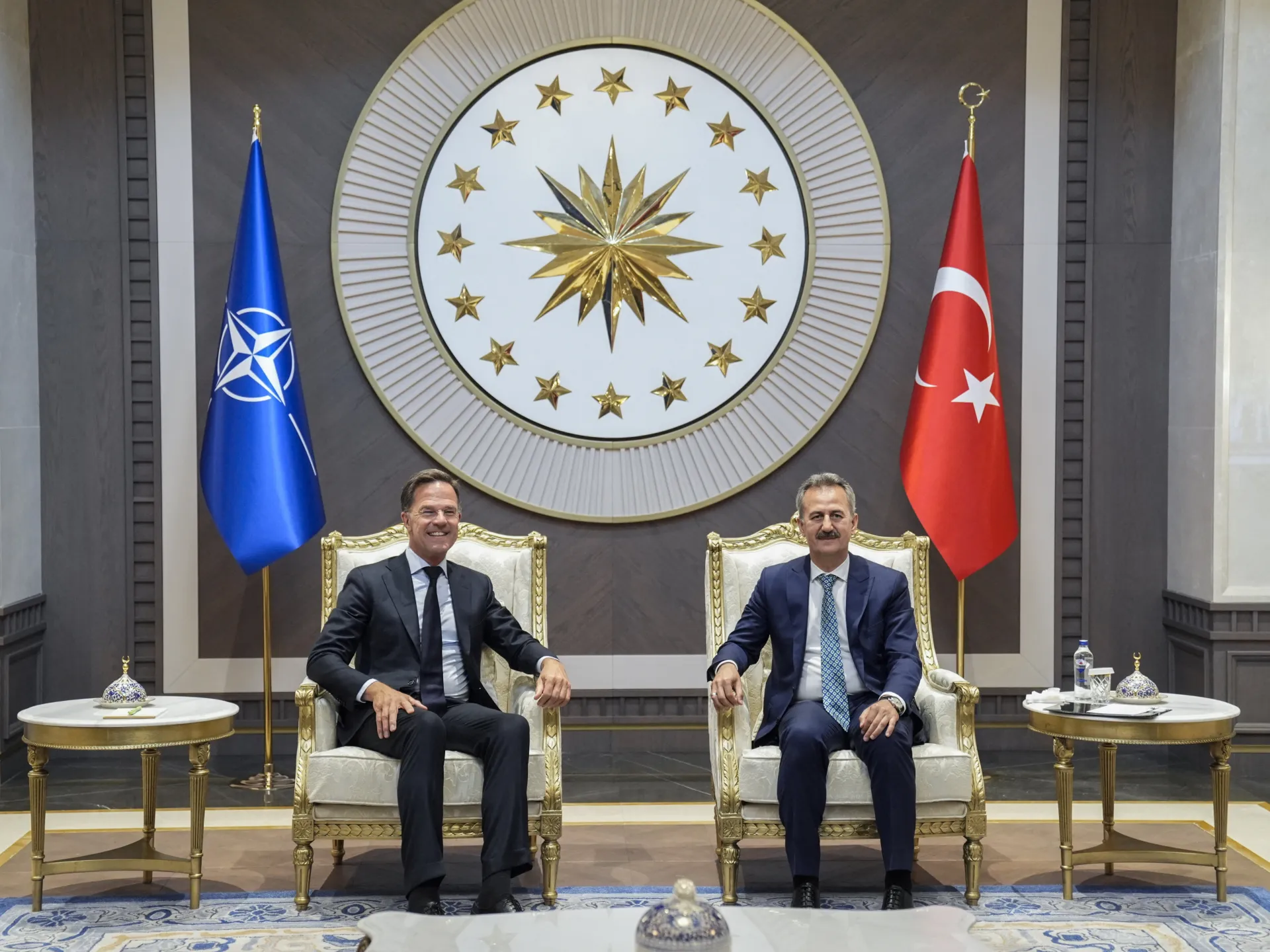
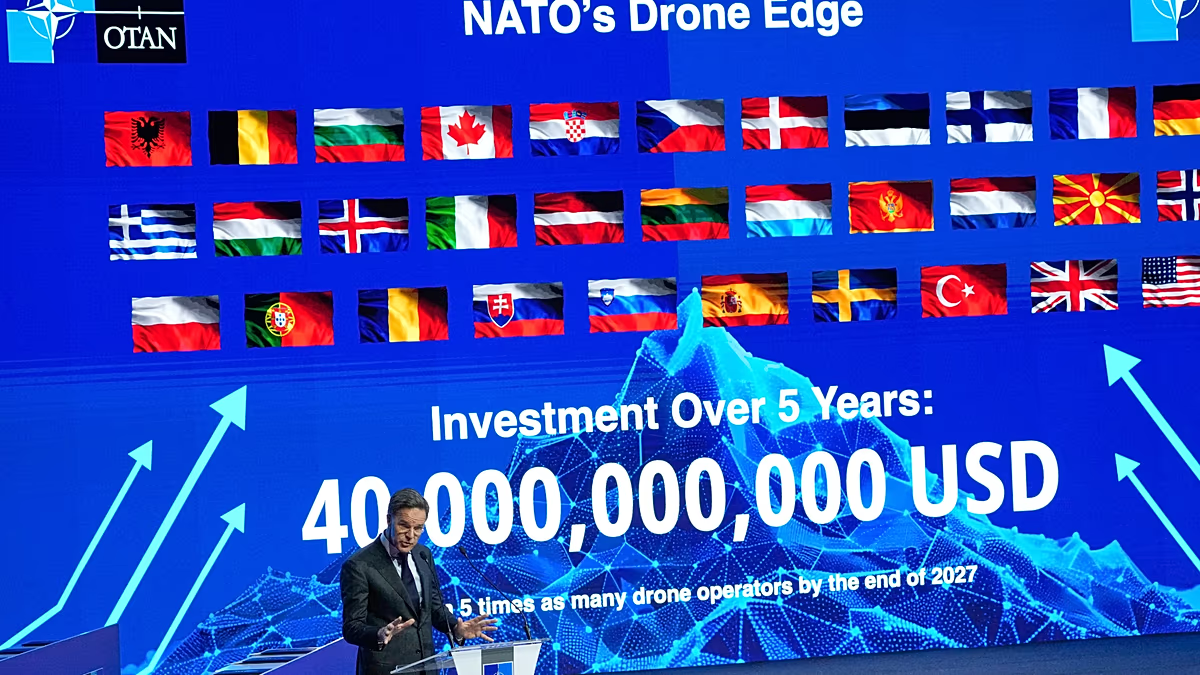
“Since the Hague, allies have responded and have committed nearly $139 billion U.S. dollars in defense spending, roughly half of that being on American-made equipment, weapons, and munitions,” said Whitaker. “That is a good start, but some allies are doing more than others. Poland, the Nordic countries, the Baltic countries lead the way. Germany is on track for the 5% reaching it in 2029.”Whitaker said the White House “expects all allies to step up immediately and not only get on a sustainable path to the 5%, but get to 5% as soon as possible in a very dangerous world that needs capable allies.”To incentivize NATO allies to make good on their commitments, Trump is not ruling out imposing penalties.“He has previewed where he feels our allies are in underperforming our Hague defense commitment, and he will deliver that message in person,” said a senior U.S. official. “And the consequences, unfortunately, are ultimately a less capable Europe and Canada.”What those penalties look like remains uncertain. One avenue could be imposing tariffs on goods sent to the United States from countries not in compliance with their NATO dues. Earlier this year, Trump floated a 10% tariff on eight European NATO members in retaliation for deploying troops to Greenland amid negotiations with the U.S. over Arctic security.Other penalties could take the form of a pending Pentagon review of U.S. troop deployments in NATO countries, which is underway. Even if Trump doesn’t go the route of withdrawing troops from NATO countries, an act that would likely require a vote by Congress, the president could use his bully pulpit to shame allies refusing to carry their fair share of the security burden.Officials within the administration deferred to the president to elaborate and make the final call on penalties for NATO members.“Any specific consequences will be communicated at the time by the president,” said a U.S. official.Trump has remained adamant that NATO allies take on more of the burden of defending Europe as part of the America First agenda that helped propel him to a second term in office. European leaders are preparing for a less-involved Washington as the White House focuses on burden-shifting to Europe and a “NATO 3.0.”NATO Secretary-General Mark Rutte defended alliance members during a Monday press conference previewing the summit and teased that each member of the alliance will “present clear, concrete, and credible plans to reach” the 5% of GDP requirement. He also revealed that on Tuesday, NATO will announce tens of billions of dollars in defense contracts.“I think we are in really good shape, and massively the Europeans are stepping up,” Rutte said. “Look at countries like Germany and so many others, and of course, if one or two (are) still to be convinced, we have ways to do that.”Rutte has gained a reputation as a Trump whisperer-in-chief, which may help NATO appease Trump this week. During a visit to the White House last month, Rutte attempted to defend NATO’s efforts to help the U.S. during the Iran war, pointing to 5000 American planes taking off from bases in Europe during the conflict.“There have been isolated cases about which you are really disappointed, but generally speaking, your European allies have been there,” Rutte said.Trump’s displeasure with NATO was again at hand during the first months of the Iran war, as several members criticized U.S. strikes against Tehran and refused to aid America. Trump repeatedly signaled his disappointment with Italy, the United Kingdom, Germany, France, and Spain, which he called “a horror show,” last month.Apart from scheduled meetings with Turkish President Recep Tayyip Erdogan, Ukrainian President Volodymyr Zelensky, and Syrian President Ahmad al-Sharaa, Trump is not expected to meet one-on-one with other European leaders.Ending the war between Russia and Ukraine will also be a key topic for NATO. Europe has struggled to aid Russian President Vladimir Putin’s aggression towards Ukraine. In the Middle East, Syria could help intervene in the battle between the Iran-backed Hezbollah and Israel in Lebanon, which has impacted the Iran war negotiations.NATO TO ANNOUNCE ‘TENS OF BILLIONS’ OF DOLLARS FOR NEW DEFENSE CONTRACTS: RUTTEMany NATO members also championed the memorandum of understanding that Trump signed with Tehran last month during the G7, which gave both sides a 60-day negotiation period.U.S. officials, however, downplayed efforts from European allies to help with the Iran war drawdown during the gathering in Turkey, which borders Iran. “We need capable allies,” said a U.S. senior administration official. “Many of them don’t have the necessary ships or assets to contribute to a meaningful maritime effort.”Mike Brest contributed to this report.