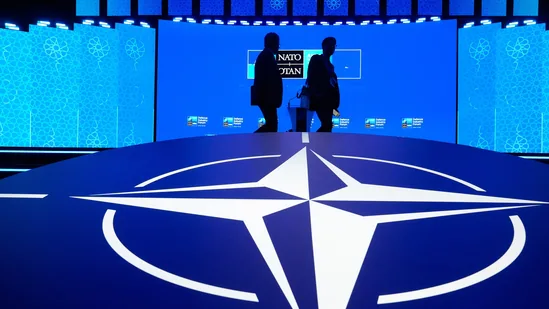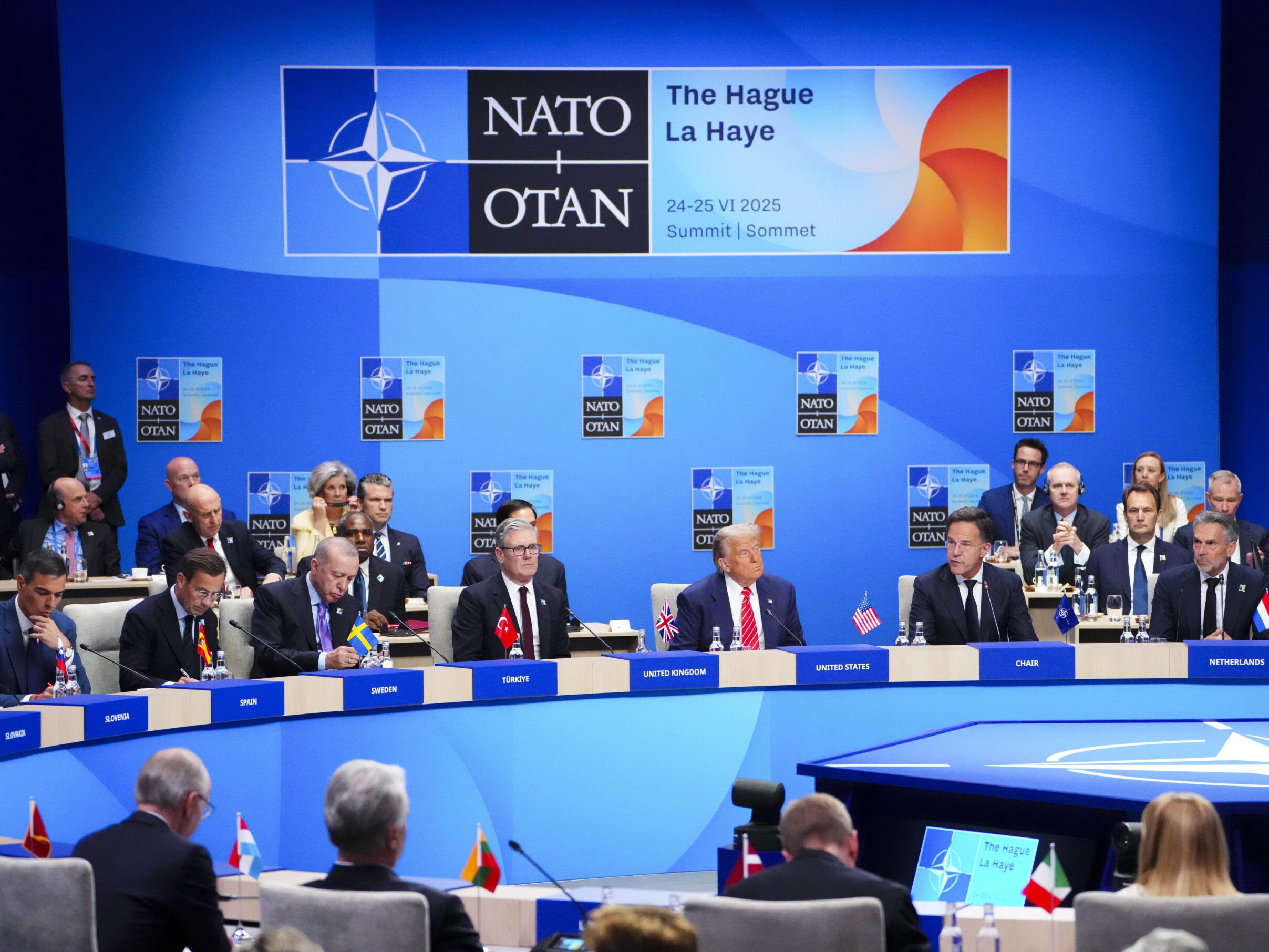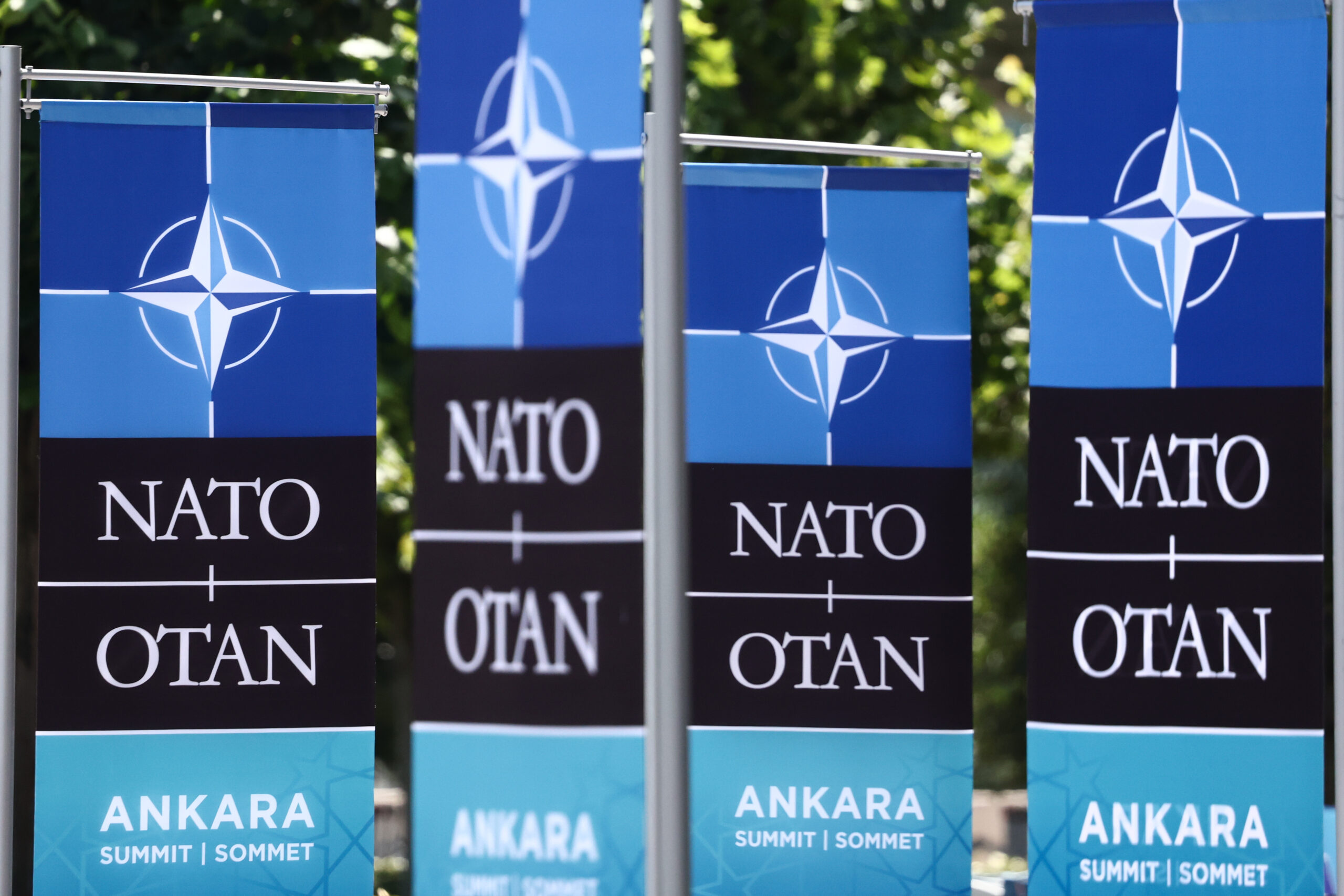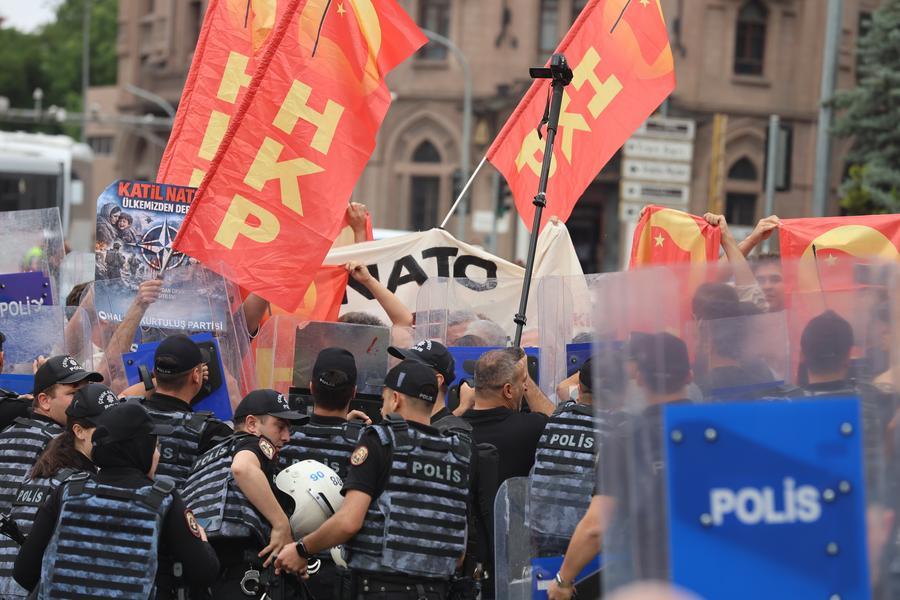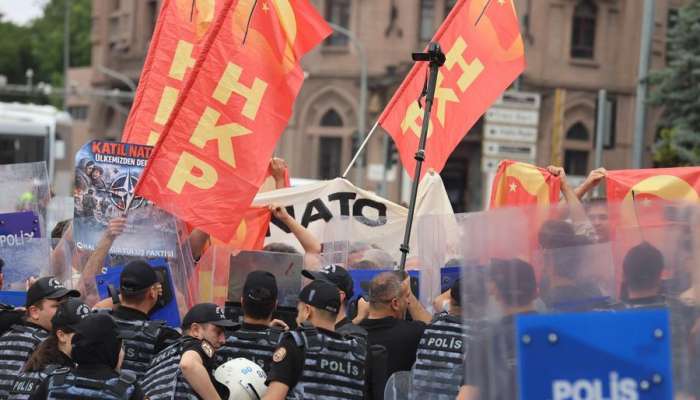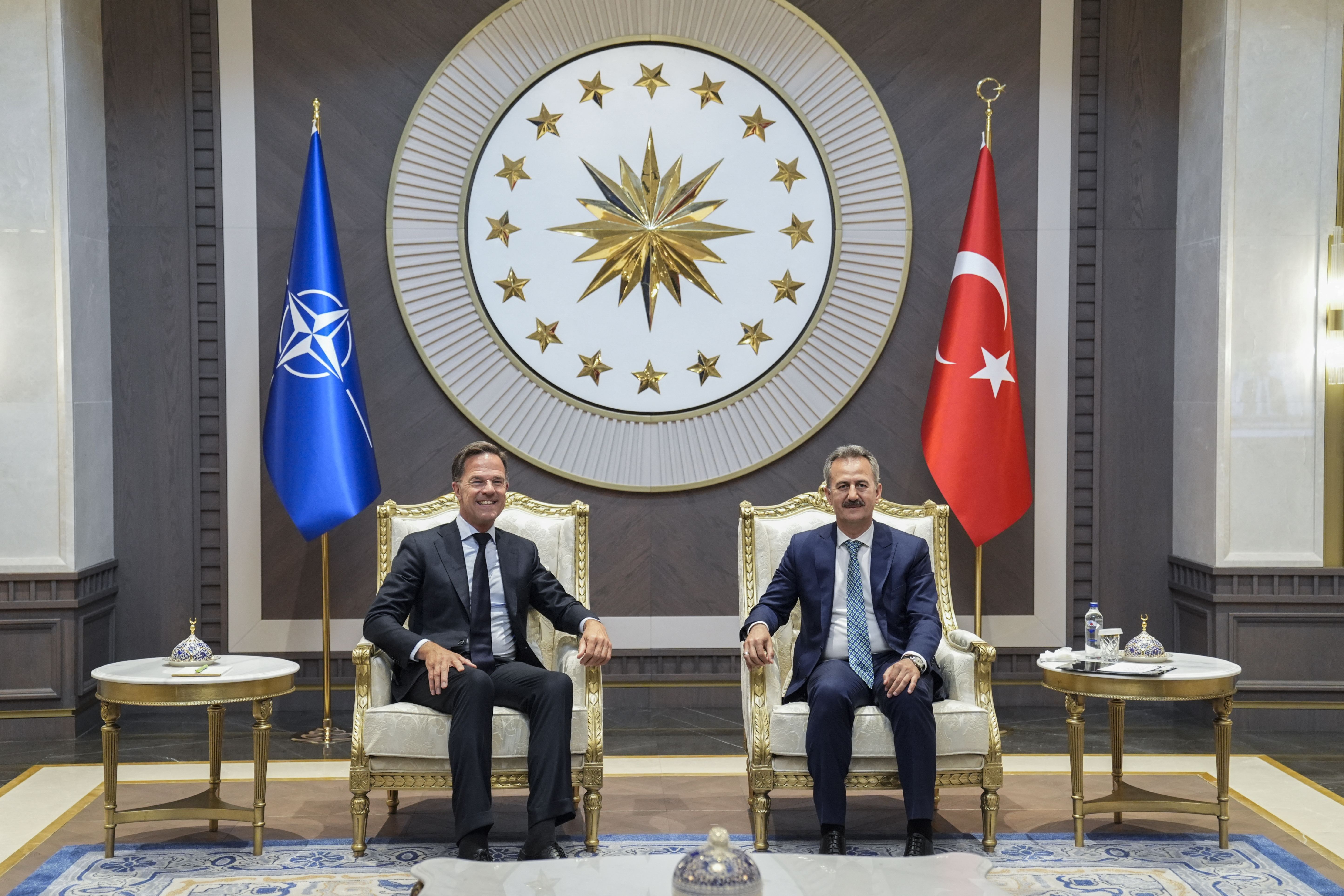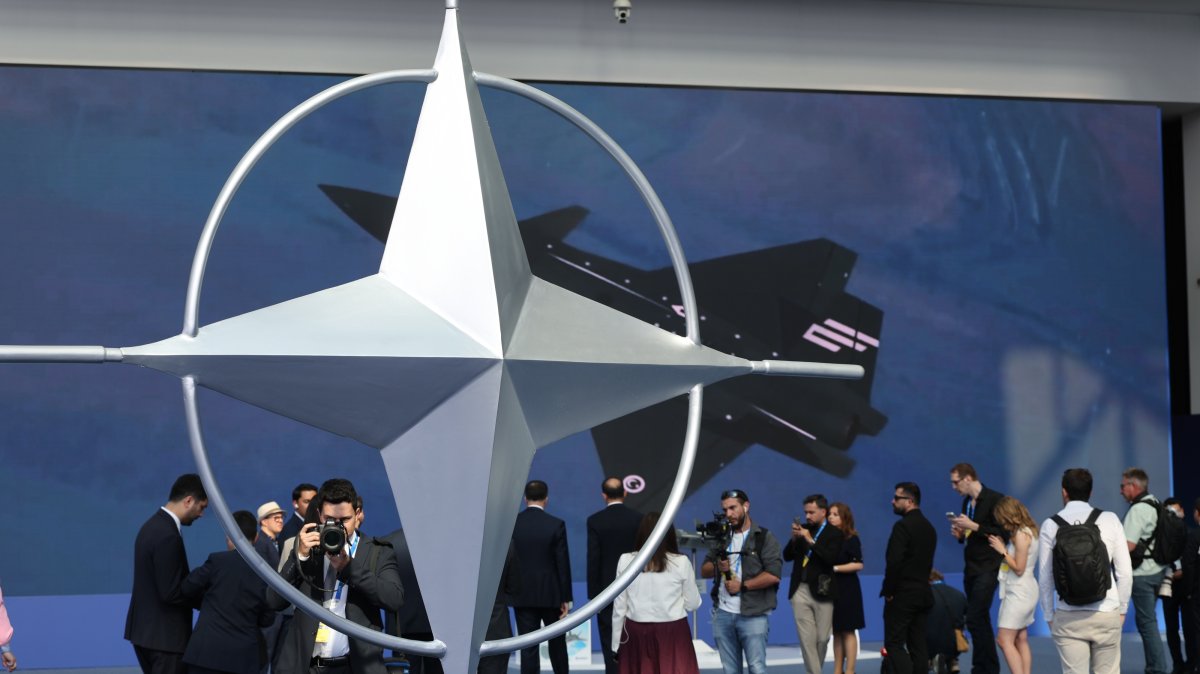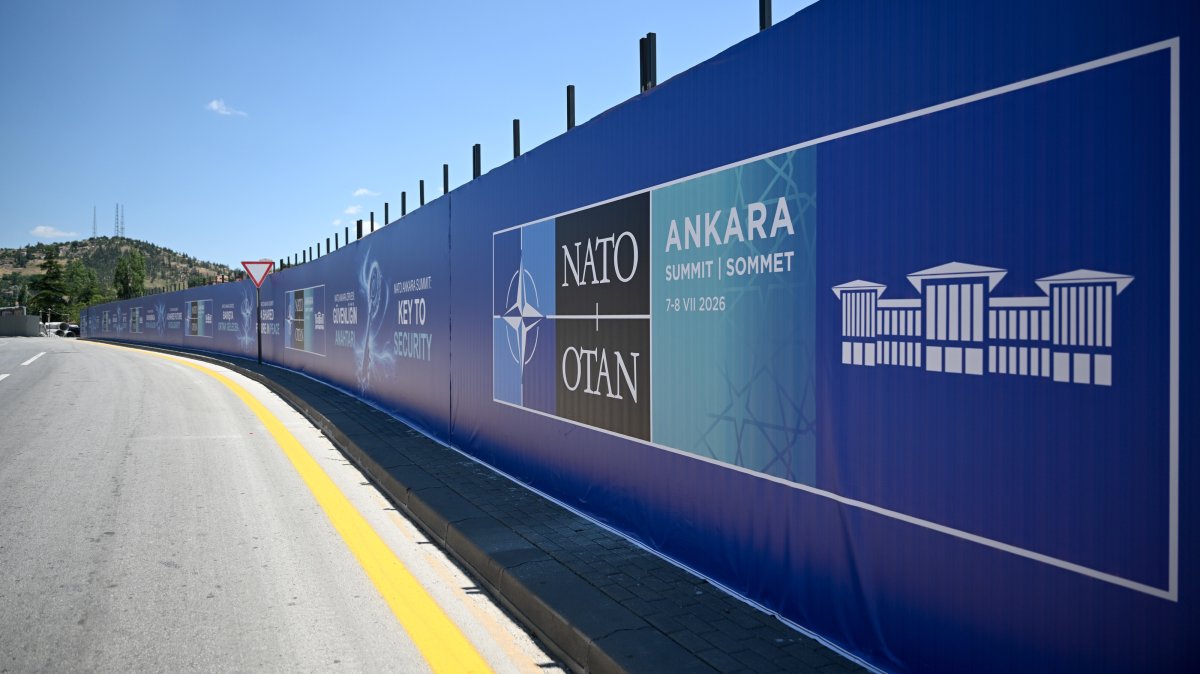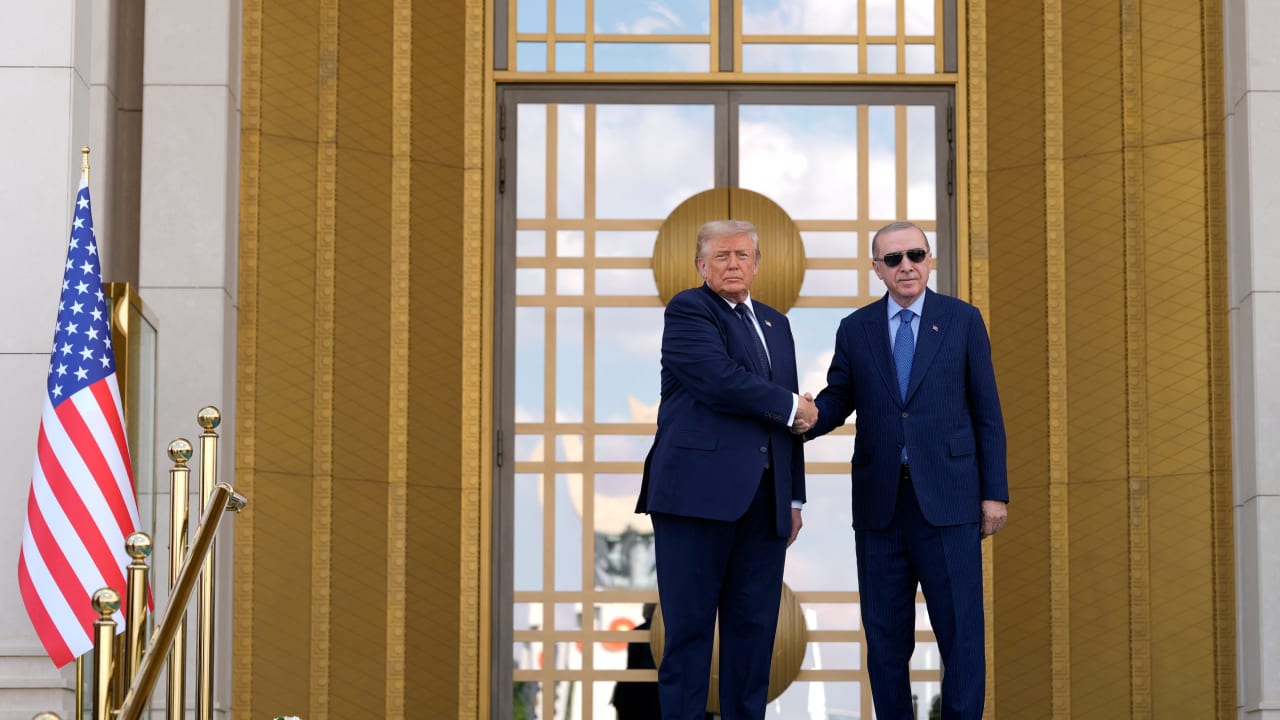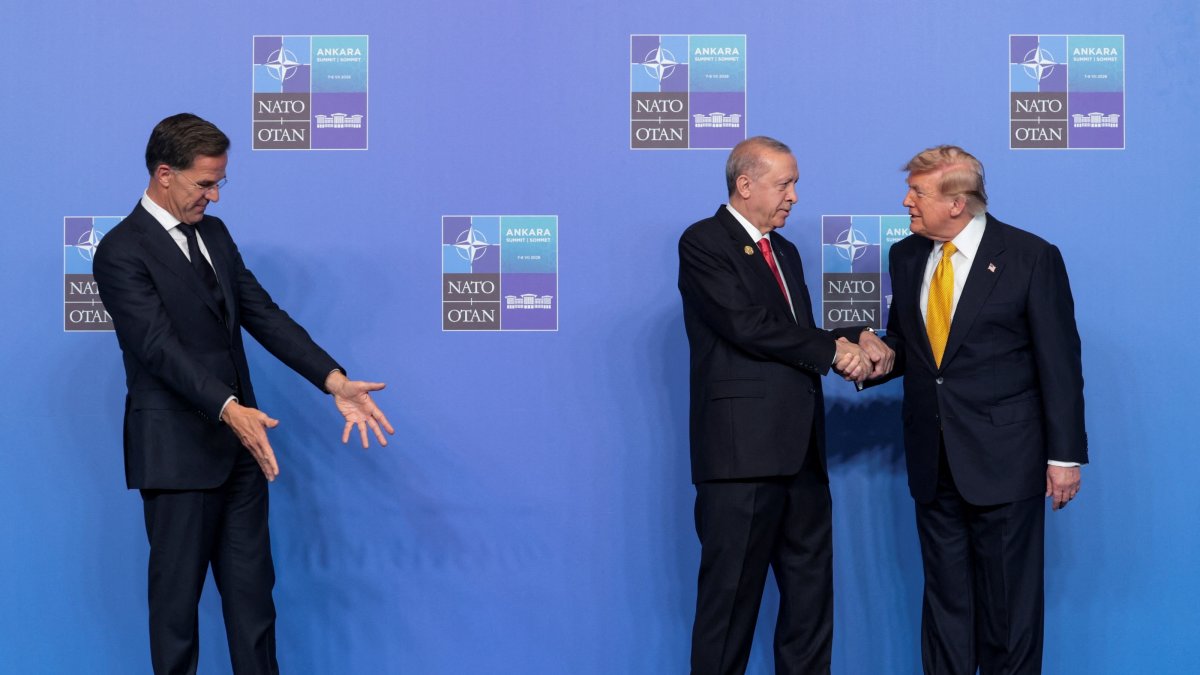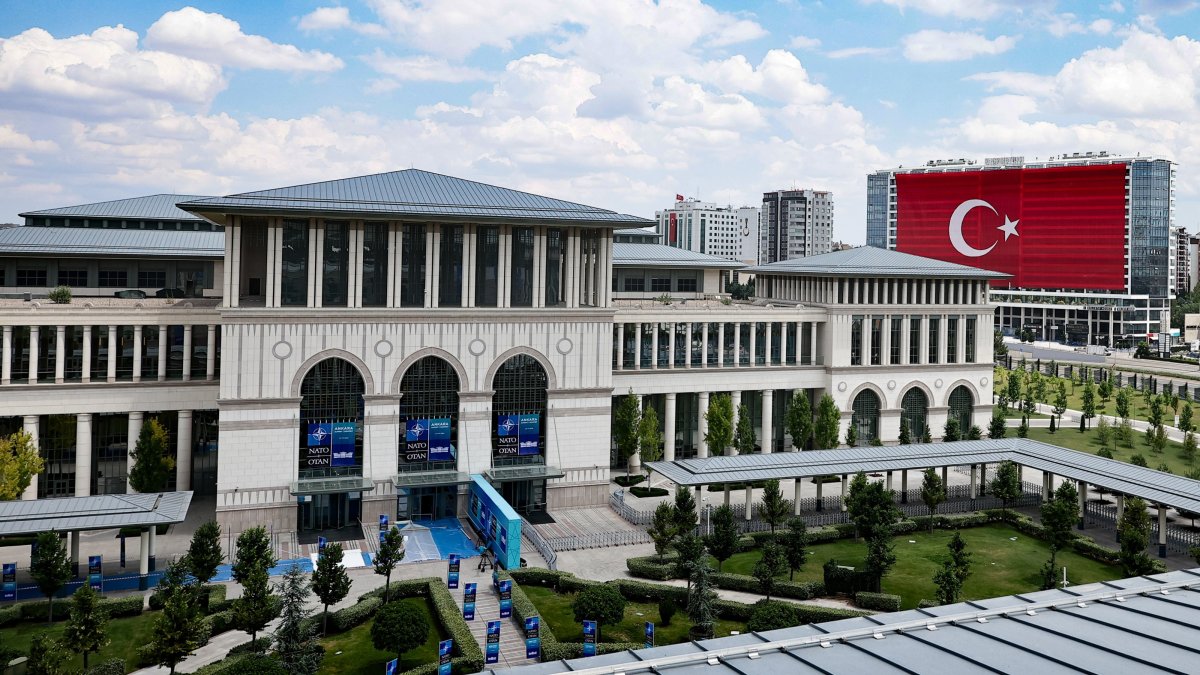
The NATO summit held in Ankara is likely to be remembered as a turning point in the alliance's history. The summit comes at a time when NATO is facing an existential identity crisis. For the first time, the security concerns and priorities of its allies diverge significantly. On the one hand, tensions between the United States and European countries have intensified. On the other, European countries have sought to exclude Türkiye from European security platforms, despite the self-defeating nature of such a policy. In addition, significant differences and disagreements persist among European states themselves.
Taking these political fault lines into consideration, I will briefly examine the importance of the Ankara summit for the city of Ankara and the Turkish state.
Centrality of Ankara
Since it was declared the capital of Türkiye in 1923, Ankara has remained in the shadow of Istanbul, a globally renowned Turkish city and the former capital of empires. Although Ankara developed rapidly and became the country’s third-most populous city within a few decades, it continued to face significant shortcomings until recently. Despite being Türkiye’s capital, it had yet to achieve comparable international visibility. As one of the world’s most attractive cities, Istanbul continued to serve as the symbolic center of Turkish history, economy and culture.