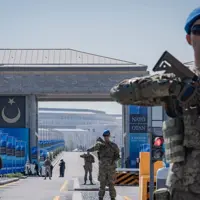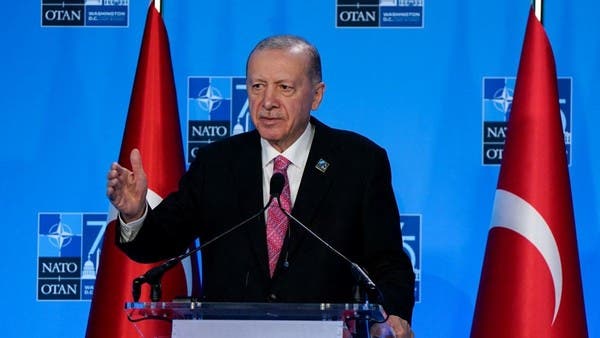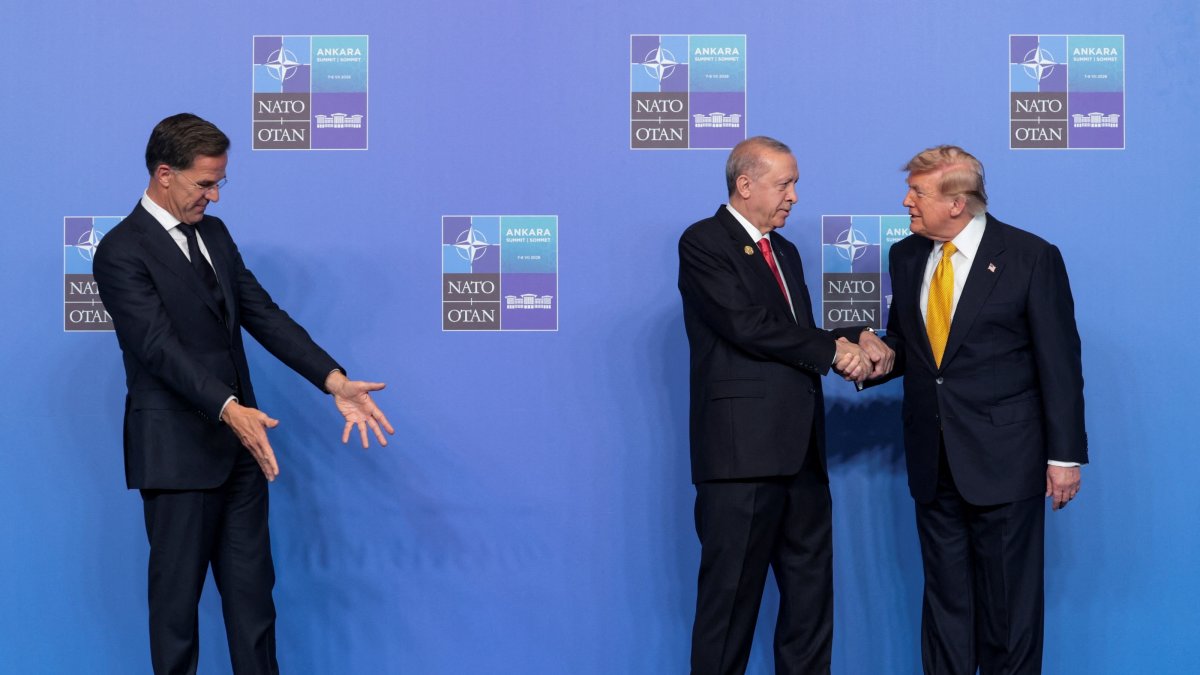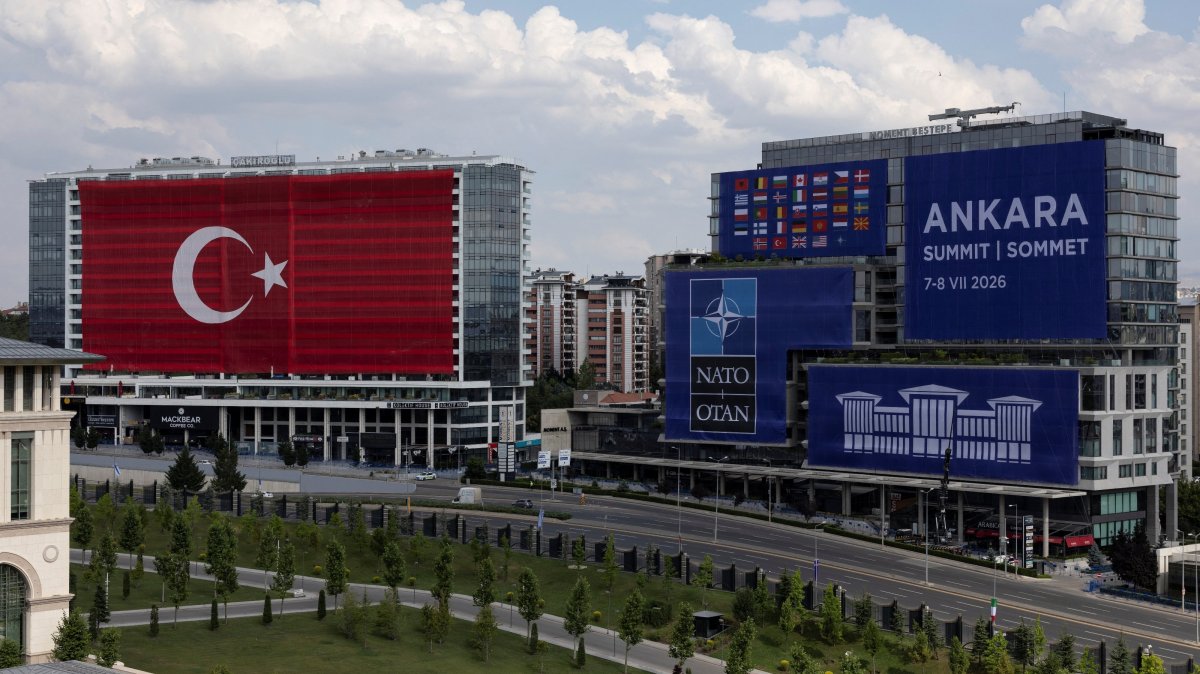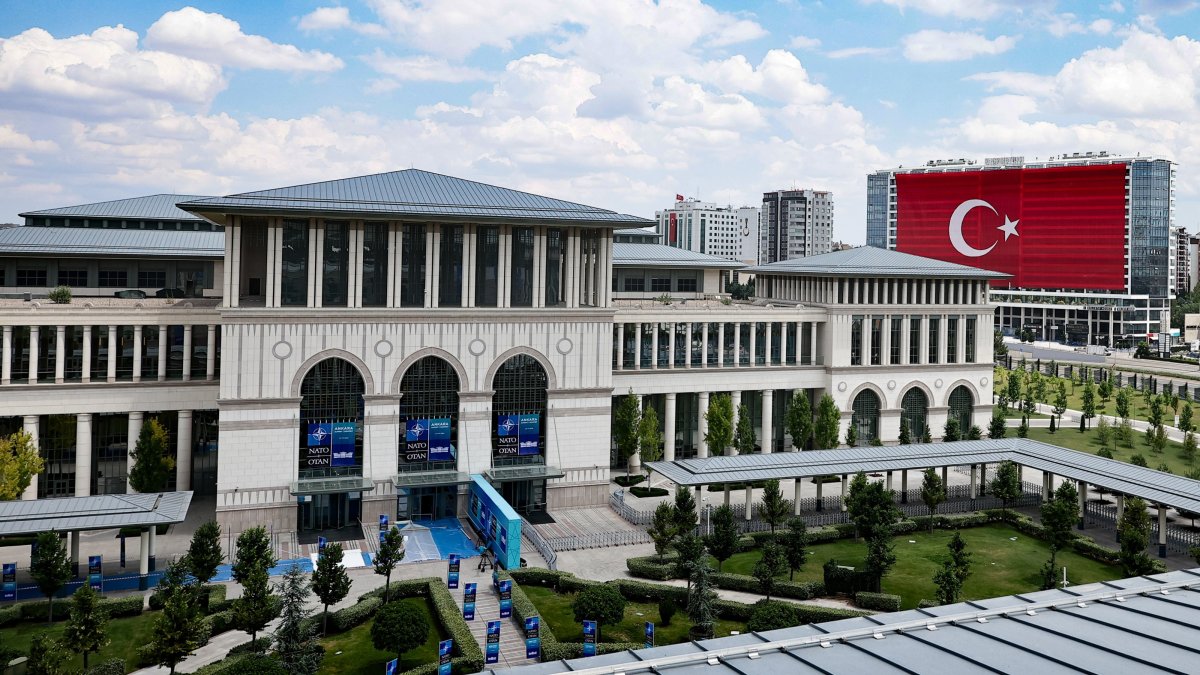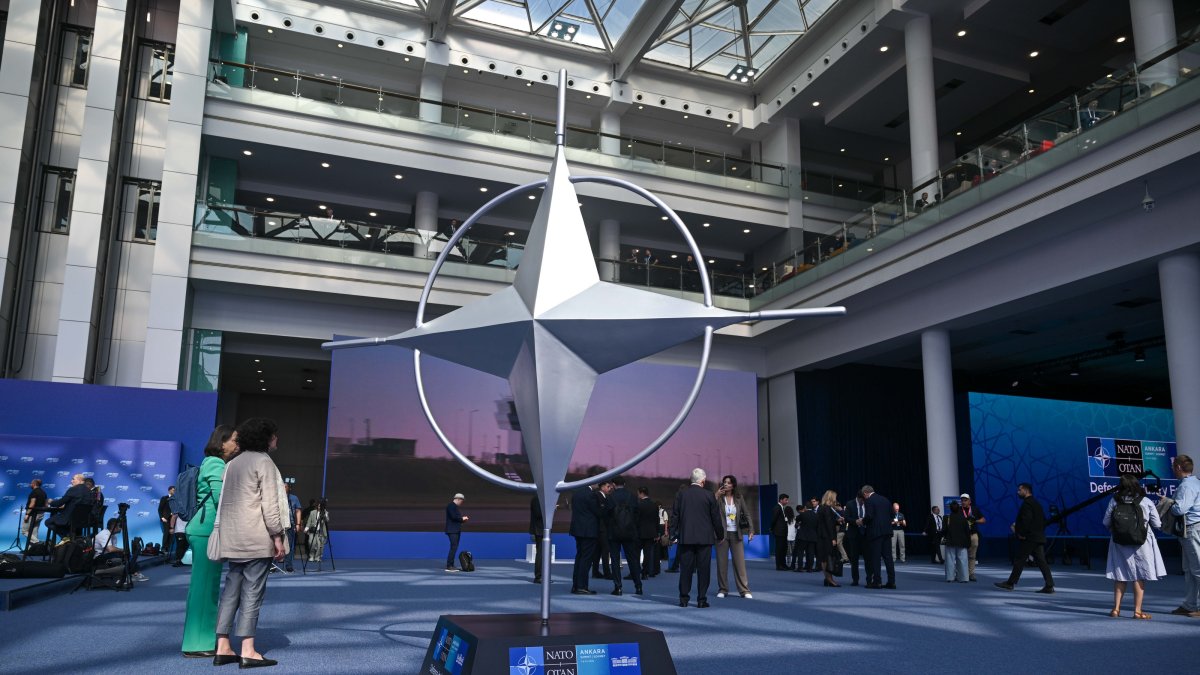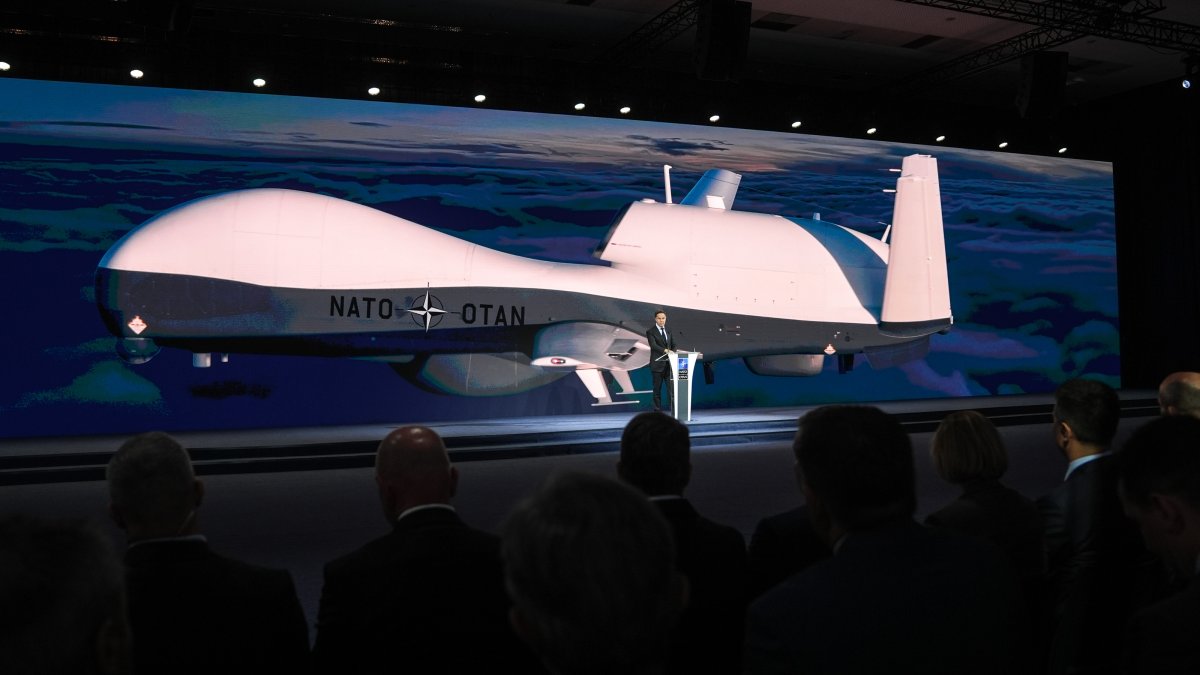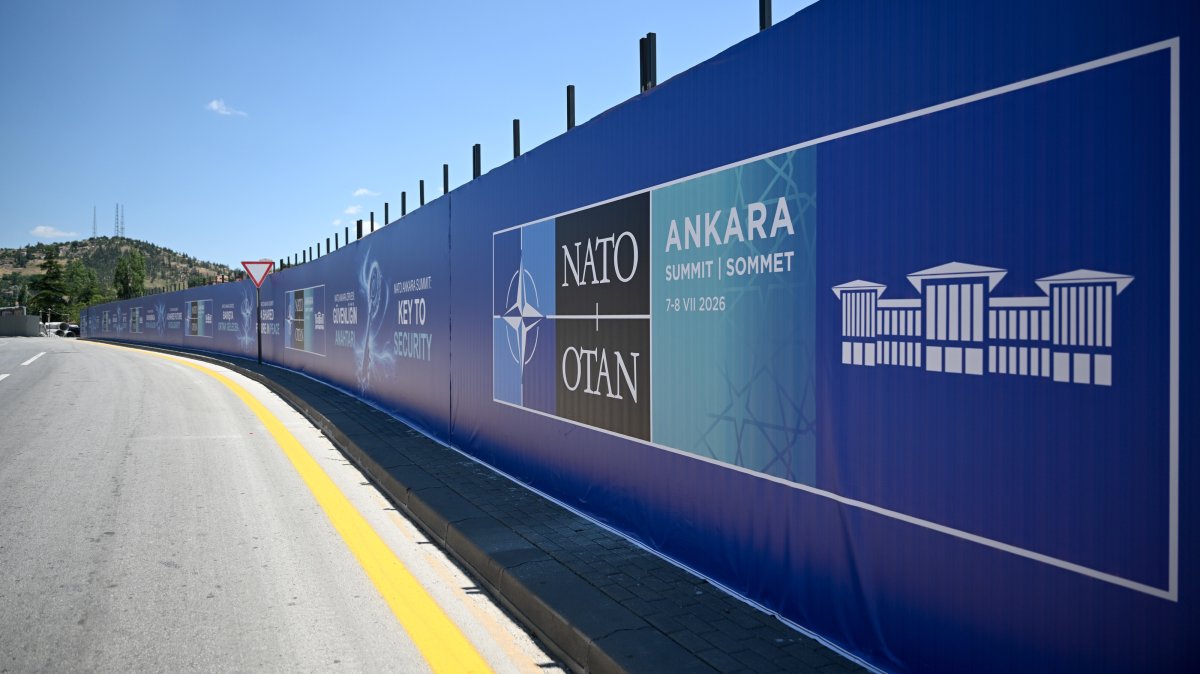
The NATO leaders’ summit in the Turkish capital, Ankara, next week comes at a time when the bloc is facing perhaps the most transformational security environment since the end of the Cold War. From the Russia-Ukraine war to the U.S.-Israel war on Iran and from great power rivalry to immigration and terrorism, the alliance’s cohesion is being challenged.
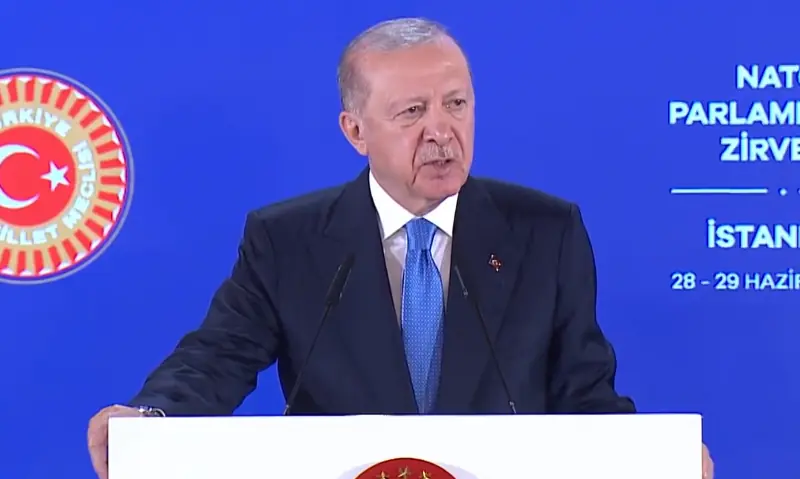
“The Euro-Atlantic security is at a historic turning point. Threats such as war, crisis, terrorism and irregular migration, particularly along the eastern and southeastern borders of our alliance, necessitate a reshaping of our understanding of security. As old patterns and premises crumble one by one, it is still unknown what will replace them, or what will supplant them. We are in the midst of a period of uncertainty where tension is escalating instead of stability, chaos instead of order, predictability is decreasing, and no one can know what they will face in the morning,” President Recep Tayyip Erdoğan said on Monday in a speech he delivered in honor of NATO parliamentary speakers in Istanbul.
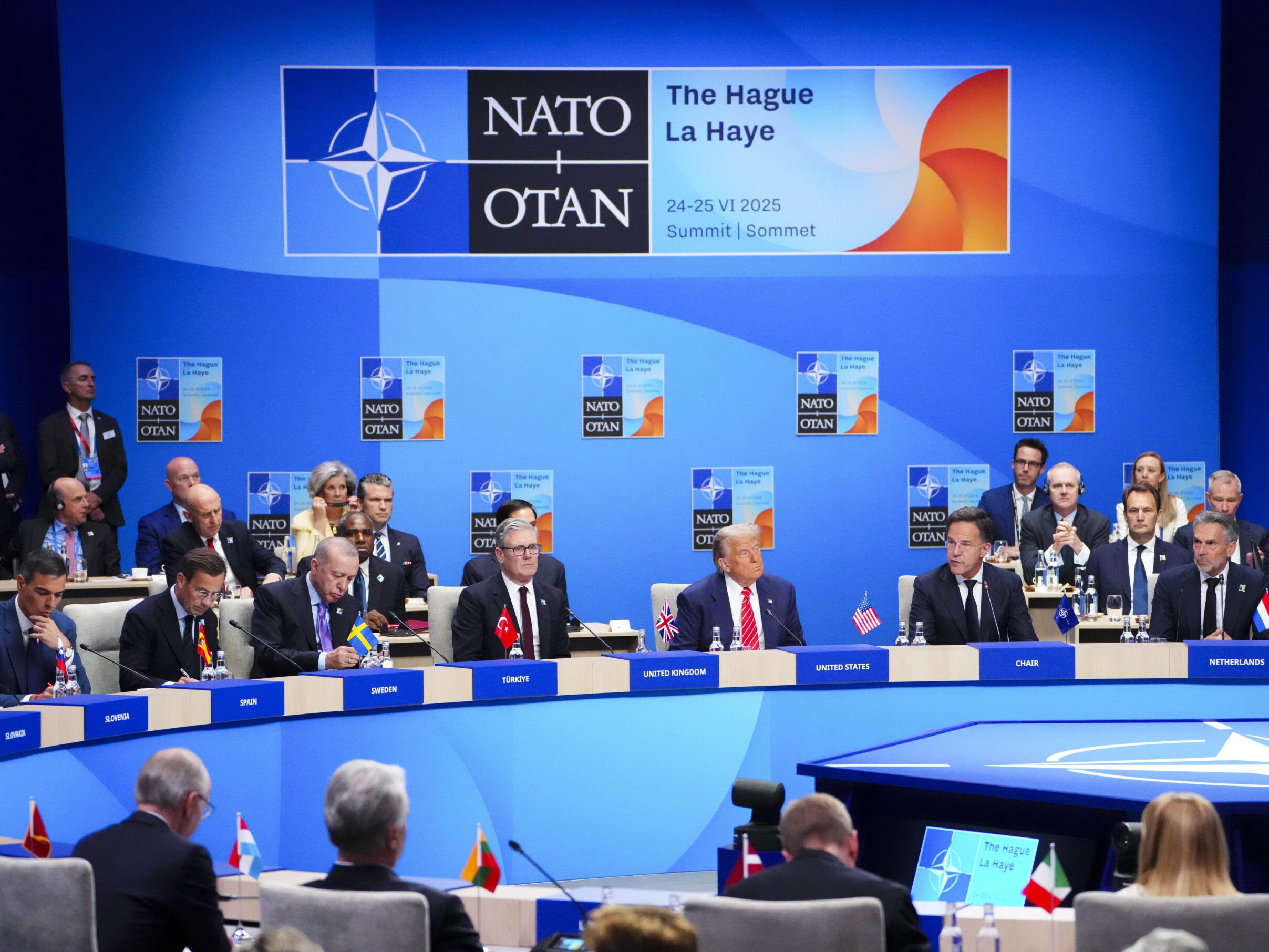
Erdoğan’s assessments point to several issues relating to the core of the NATO bloc and, in fact, the international community as a whole. The international order fails to provide solutions to the crises at the door, and its inability to take preventive steps produces new crises. In other words, the outdated security policies designed to tackle the problems of the Western world cannot effectively handle the intertwined nature of new security challenges from cyber and space security to energy to even security challenges emerging from climate change. In addition, disunity and fragmentation have become a strong challenge within NATO. As such, the summit next week will be more critically focused on both the unity of the alliance and the management of these new forms of security challenges and crises of the international institutions. In a way, while the Hague summit was focusing on the commitments needed to reshape NATO’s vision, the Ankara summit will focus more on the delivery of the commitments that are urgently needed to keep the alliance together and effectively functioning.