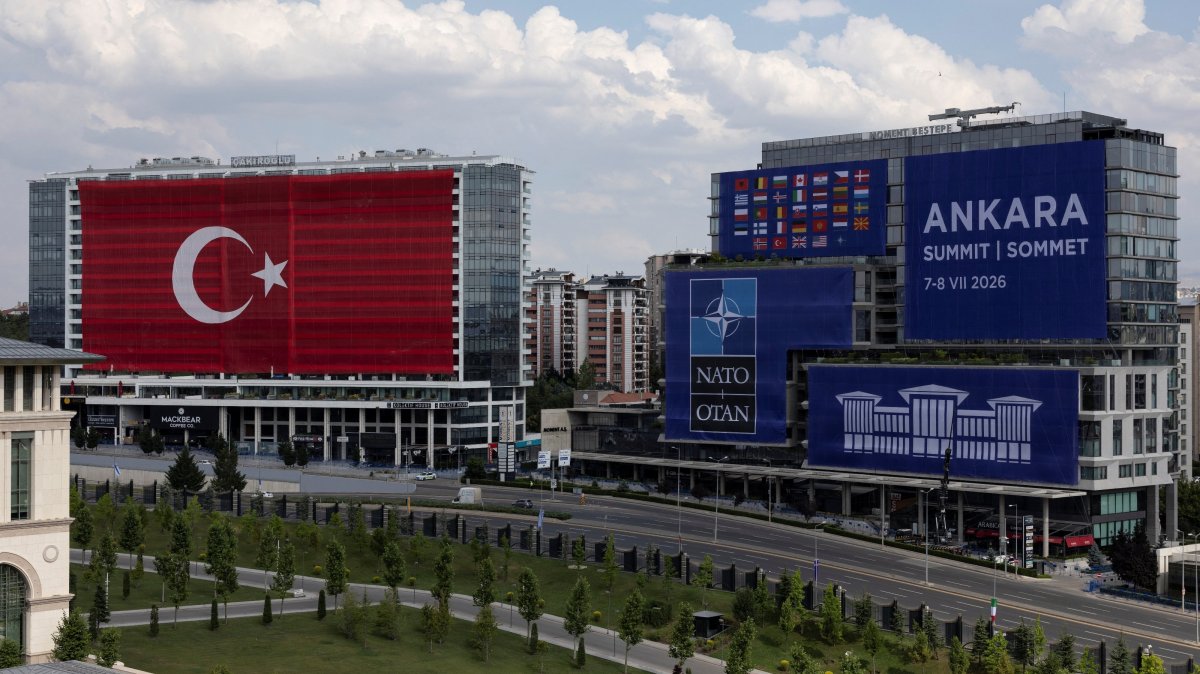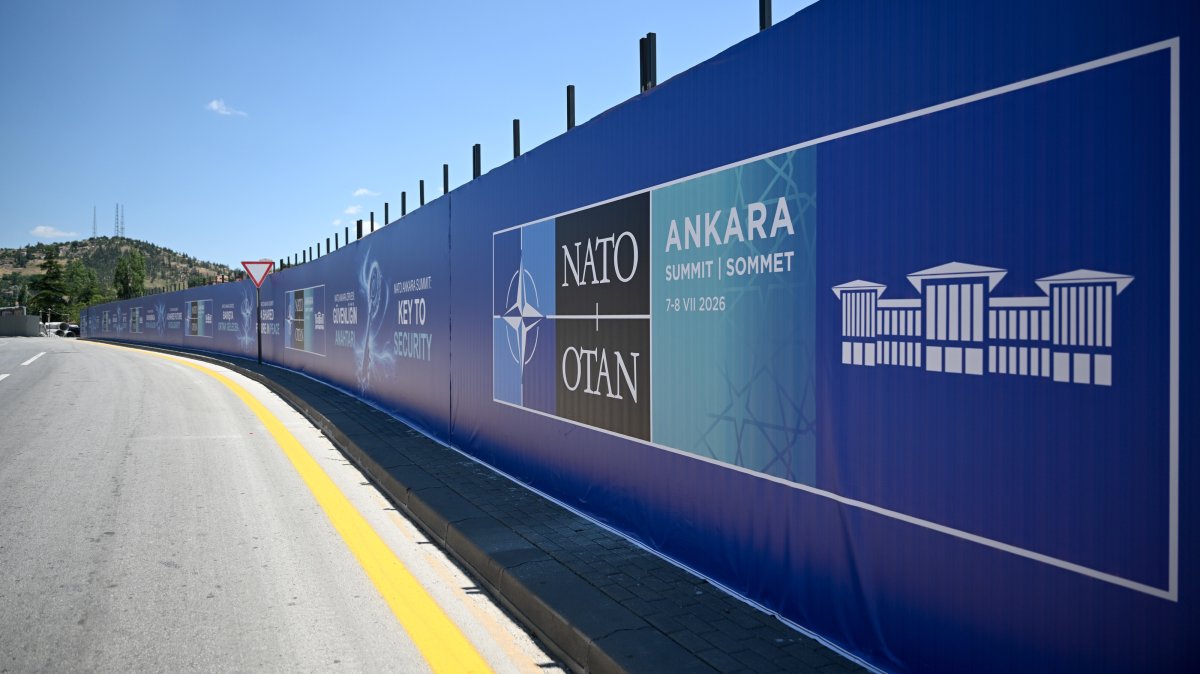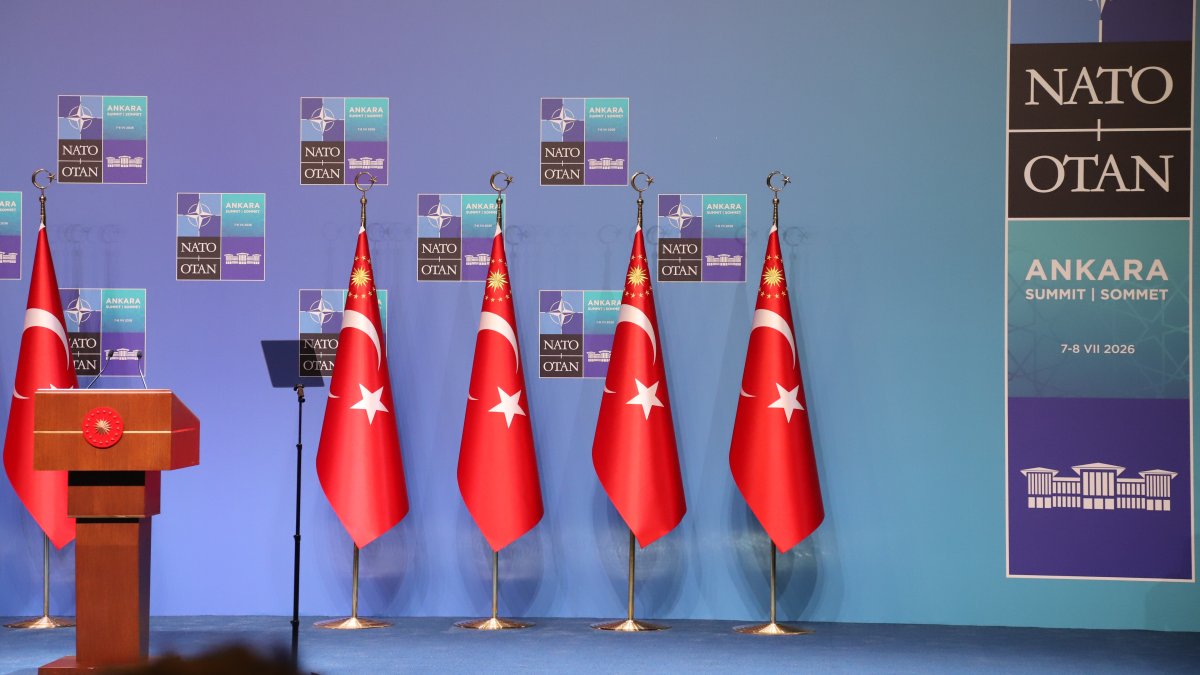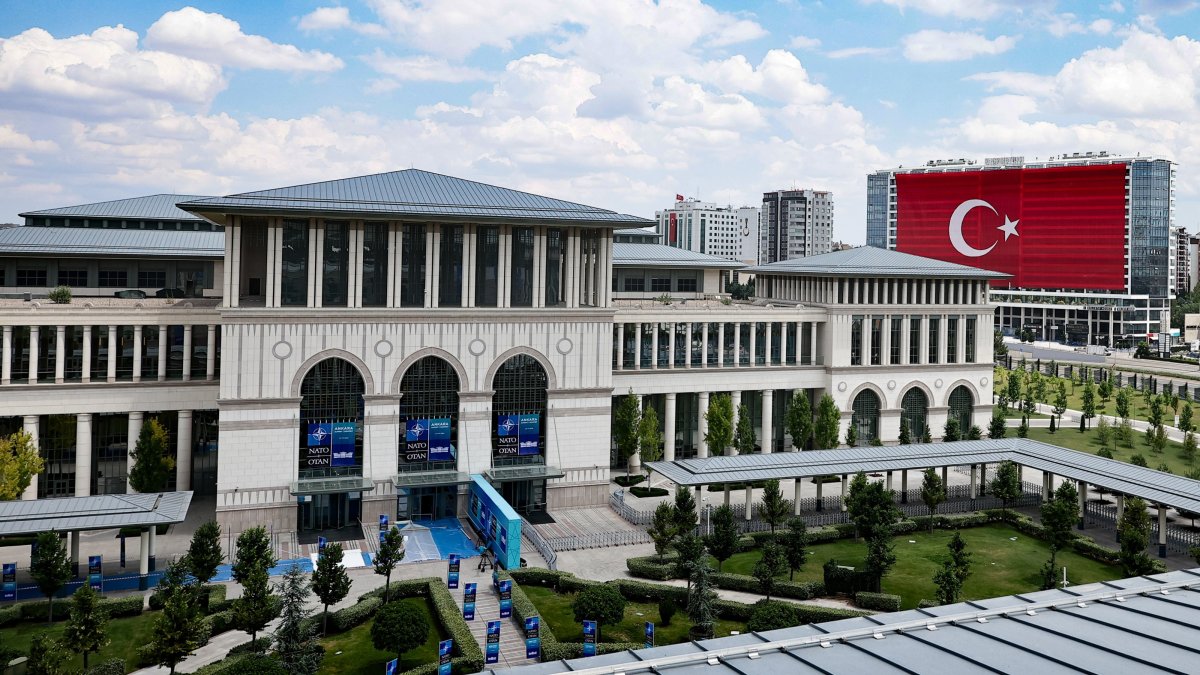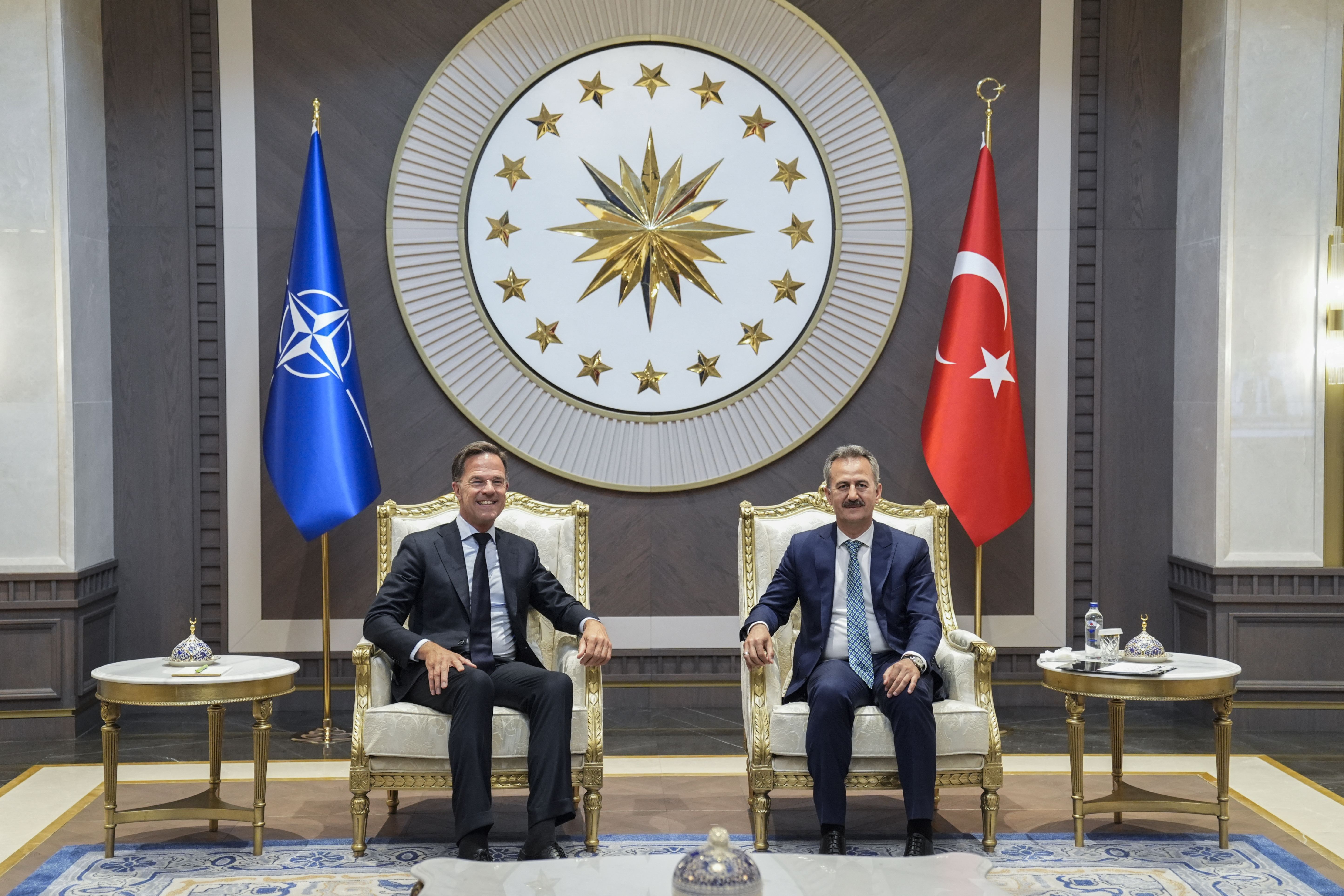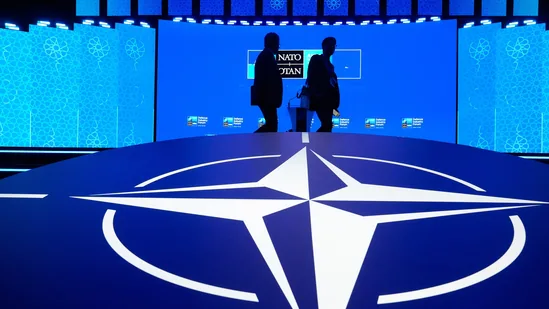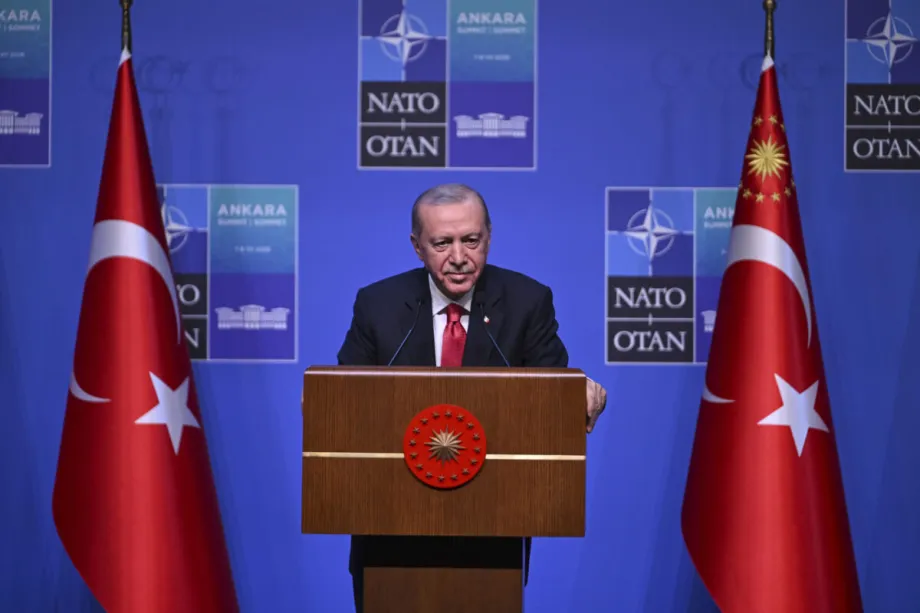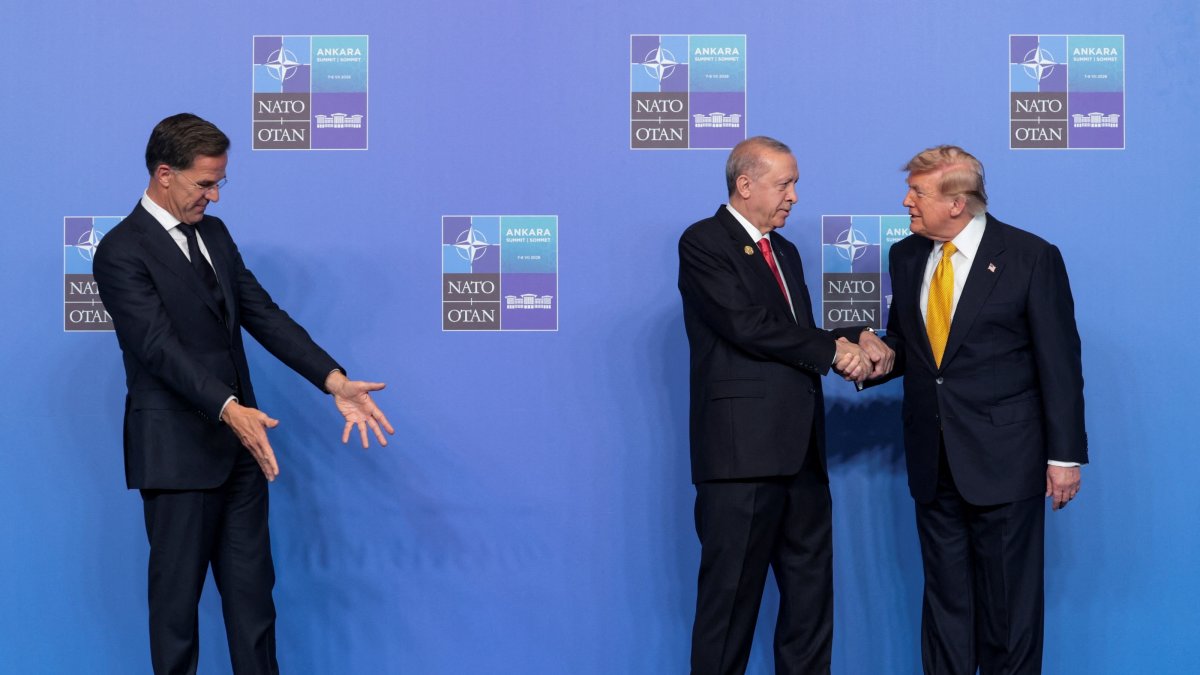
The NATO summit on July 7-8 marked more than just another gathering of allied leaders. It highlighted Türkiye's growing strategic importance at a time when the alliance is confronting its most complex security environment since the Cold War. For Ankara, the meeting represented an opportunity to reinforce its role as a central security actor while advancing long-standing priorities in its relationship with the United States and Europe.
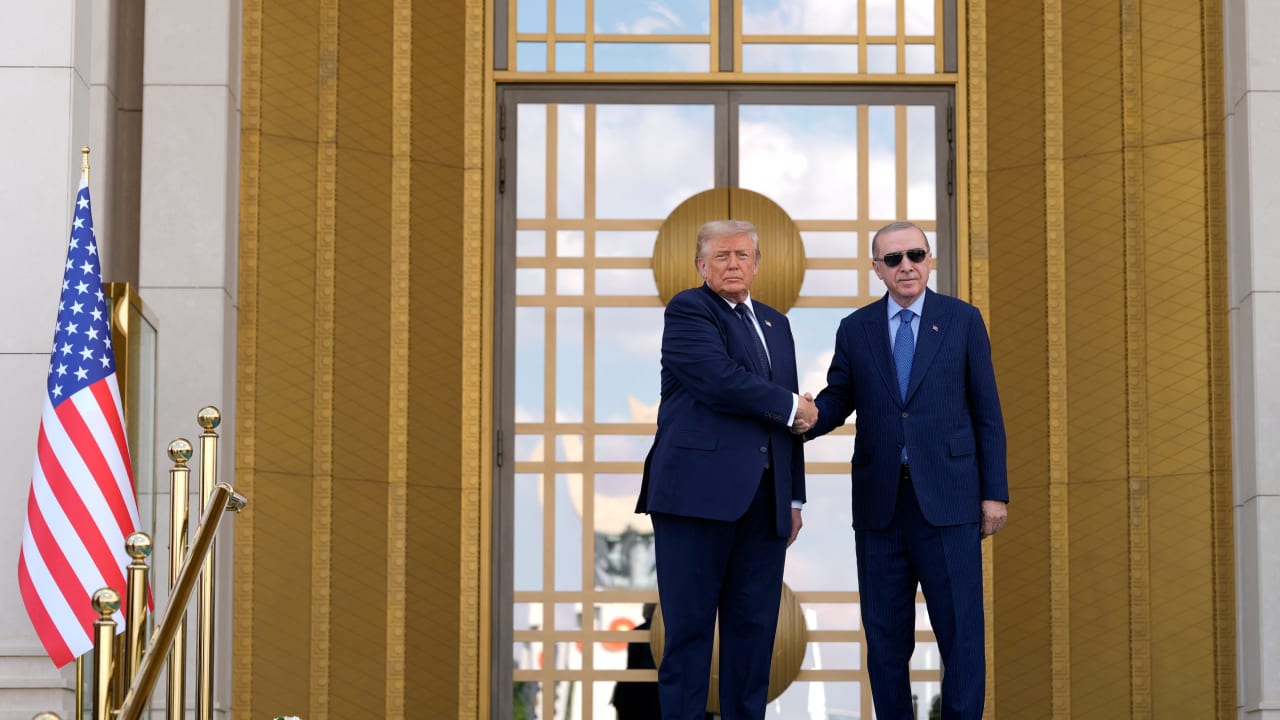
Among the summit's most significant moments was the joint appearance by President Recep Tayyip Erdoğan and U.S. President Donald Trump. Their discussions focused on Türkiye's potential return to the F-35 fighter program, modernization of its F-16 fleet, and the possible removal of sanctions imposed under the Countering America's Adversaries Through Sanctions Act (CAATSA). President Trump's public comments suggested a more constructive approach to resolving issues that have complicated bilateral defense cooperation in recent years.
For Türkiye, these discussions extend beyond military procurement. They reflect a broader recognition that the country's military capabilities, defense industry and geopolitical position have become increasingly important to NATO's long-term strategy. As security challenges multiply across Europe, the Black Sea, the Middle East and the Eastern Mediterranean, Ankara's ability to project stability has become more valuable than ever.