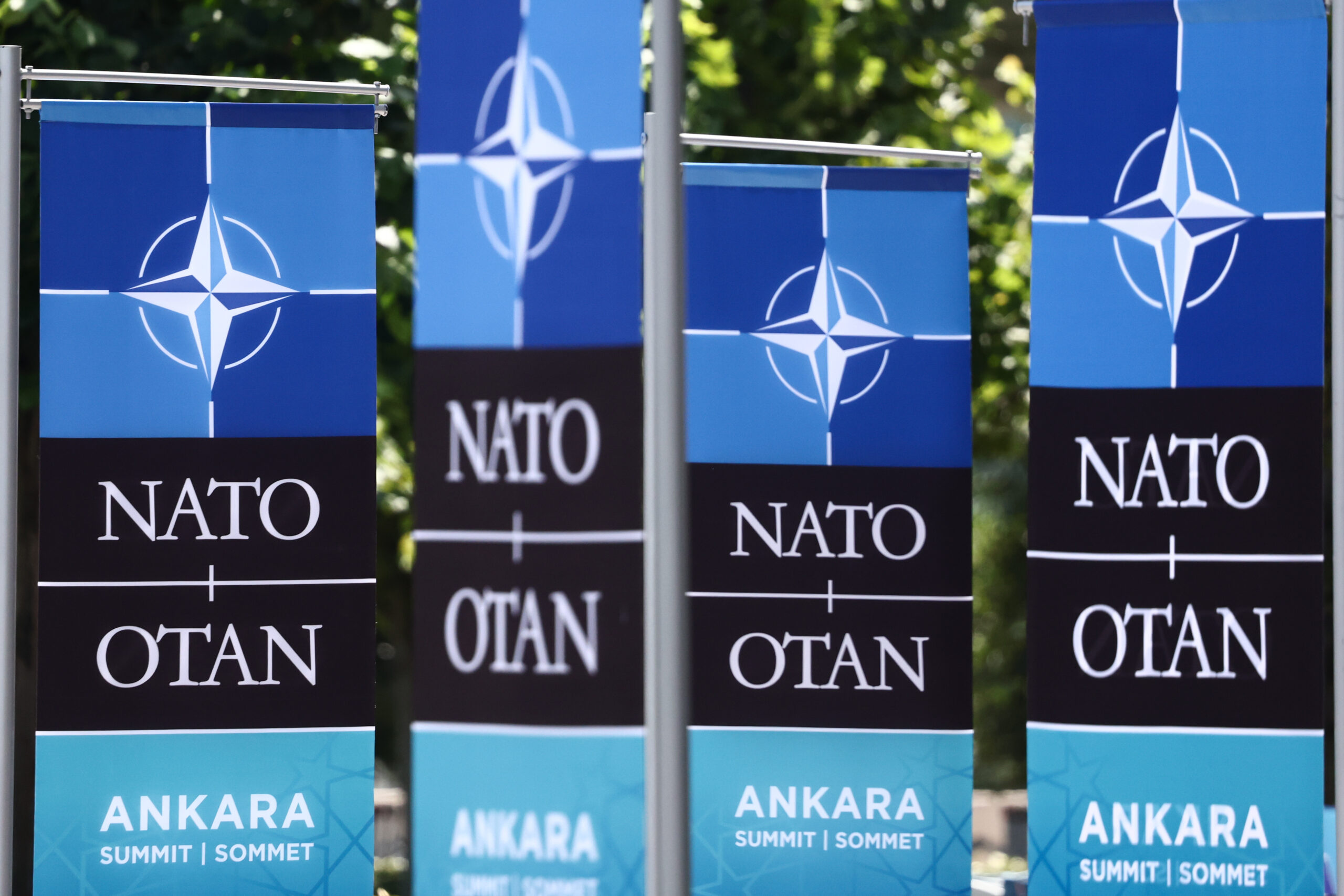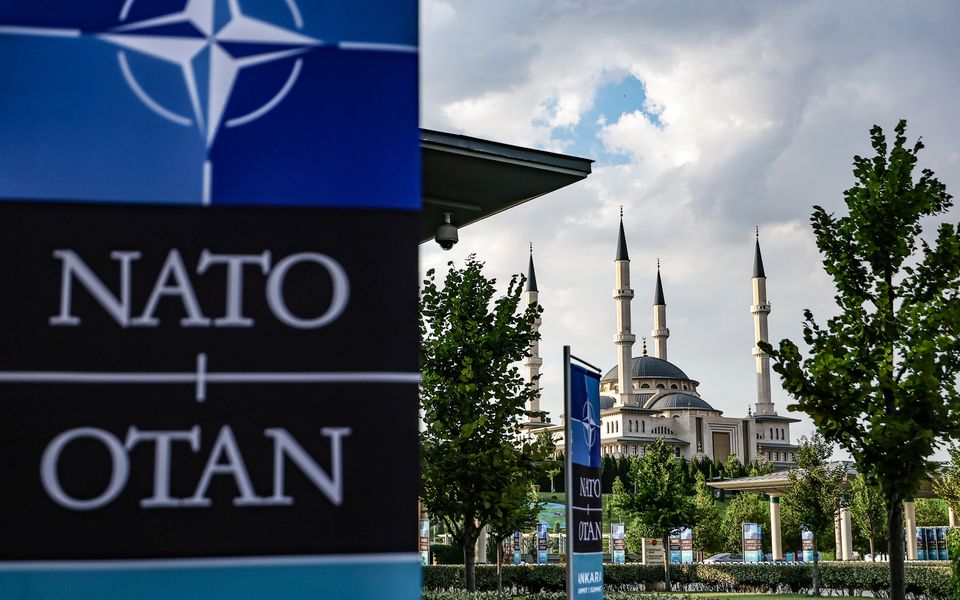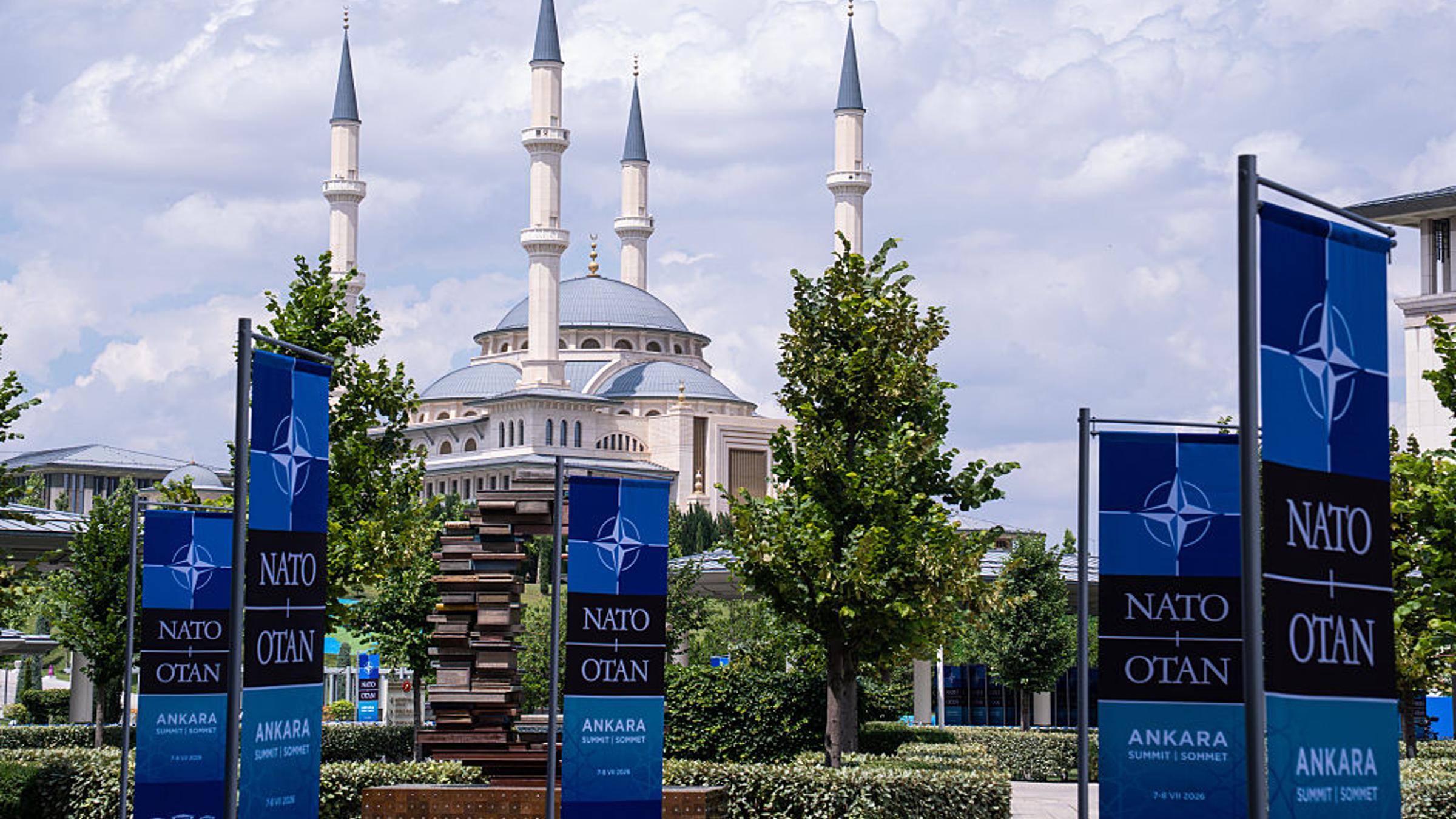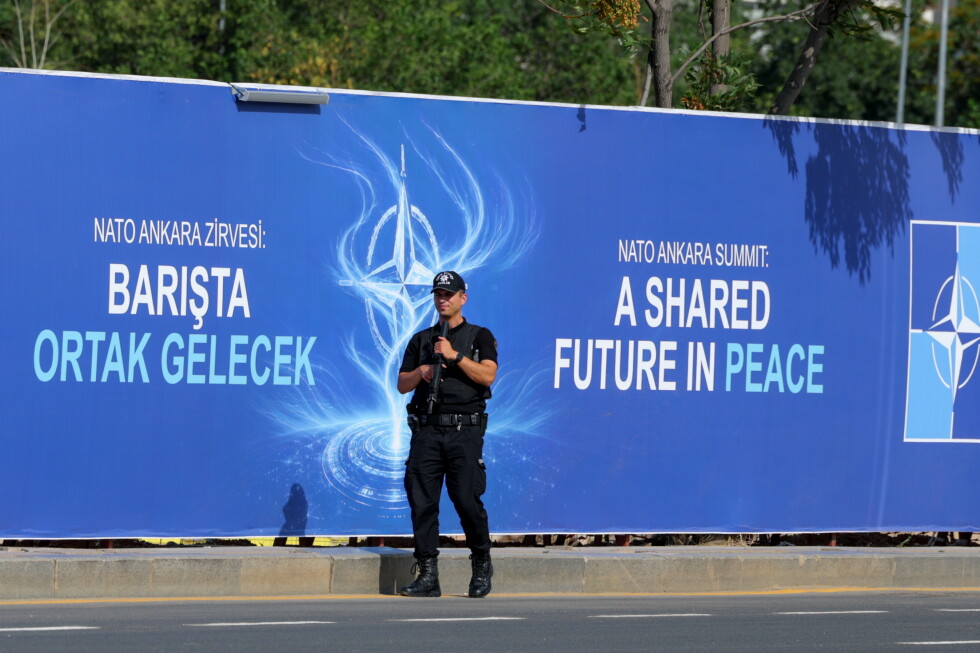
This article is part of a series featuring Atlantic Council experts’ analysis and recommendations on the key challenges facing allies at the upcoming NATO Summit in Ankara, Turkey, and beyond.
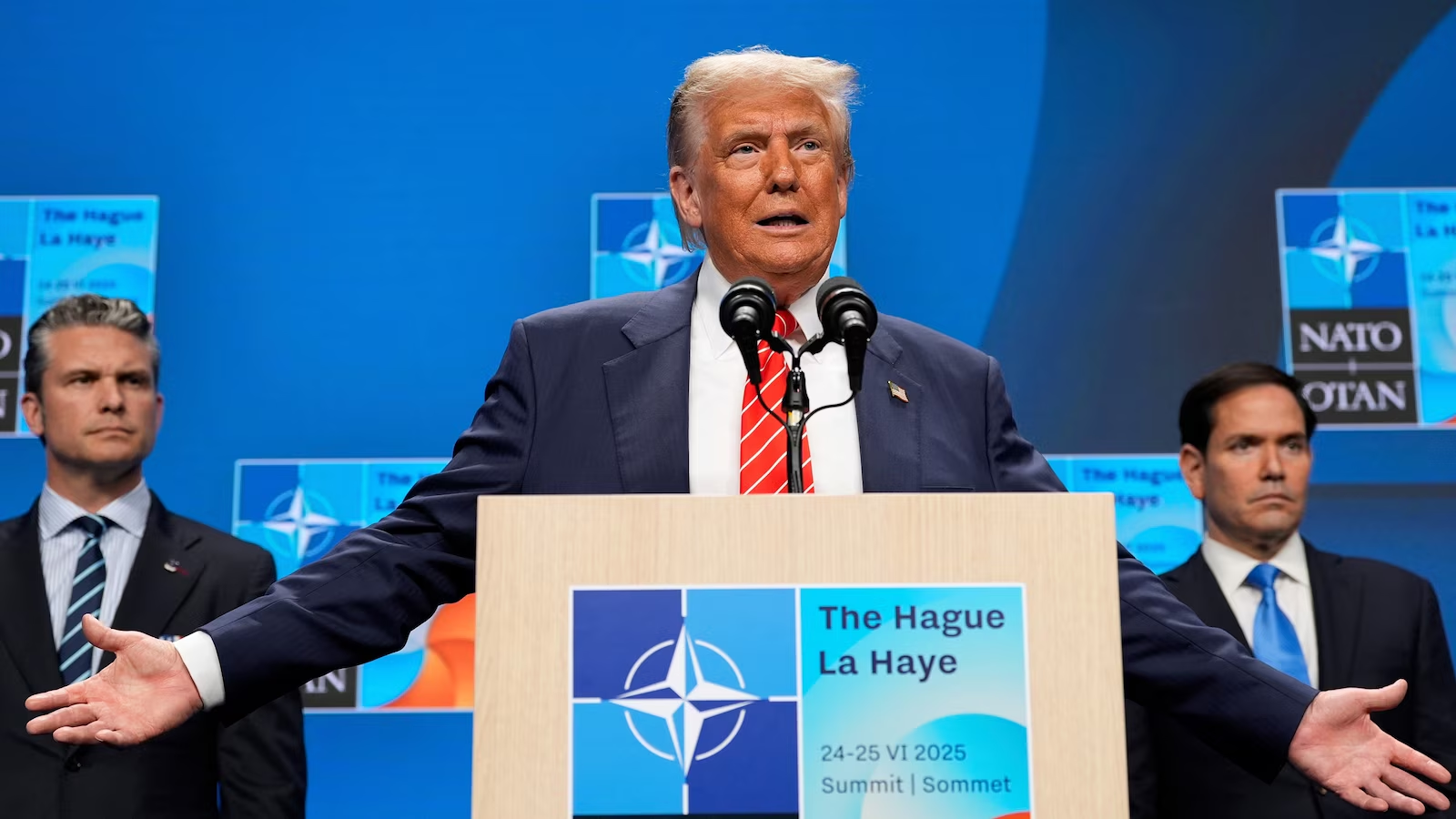
WASHINGTON—So far, this year has been difficult for transatlantic unity. In January, US President Donald Trump threatened to seize Greenland, an autonomous territory of NATO ally Denmark, prompting a genuine crisis in the Alliance. In March and June, the US president sharply criticized Europeans for what he perceived as equivocation when asked to support Operation Epic Fury against Iran. He called NATO a “paper tiger,” and singled out allied leaders for personal insults. In May, he announced the withdrawal of 5,000 troops from Germany and cancellation of plans to deploy a deep precision strike battalion to the country. As the July 7-8 NATO Summit in Ankara approaches, many European allies fear that the second half of the year will bring more of the same.
Whether NATO emerges from Ankara stronger or more unstable could hinge on what happens with “NATO 3.0.” Introduced in February, NATO 3.0 is the Trump administration’s vision for a new era for the Alliance. It is defined by reduced US force commitments to European security and increased European military capability. In effect, it calls for a conventional transatlantic defense of Europe led by European allies and backed by a US nuclear deterrent.