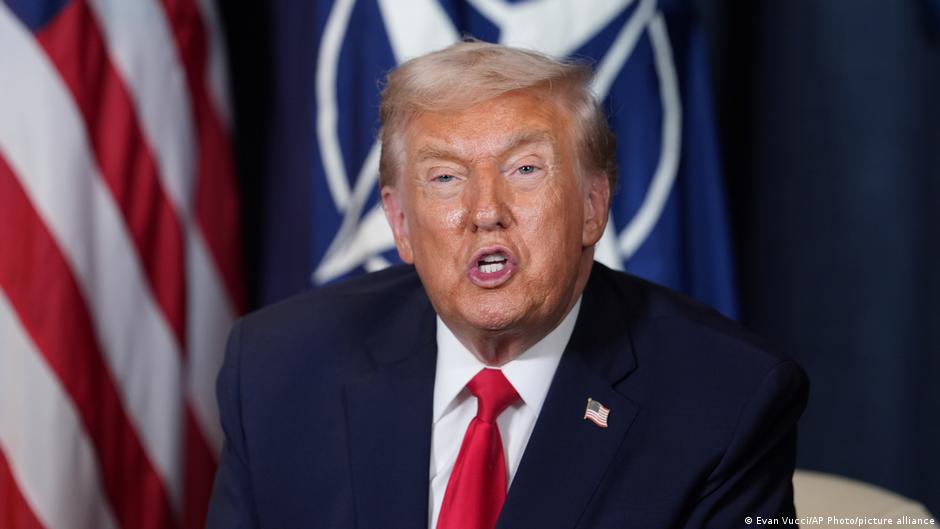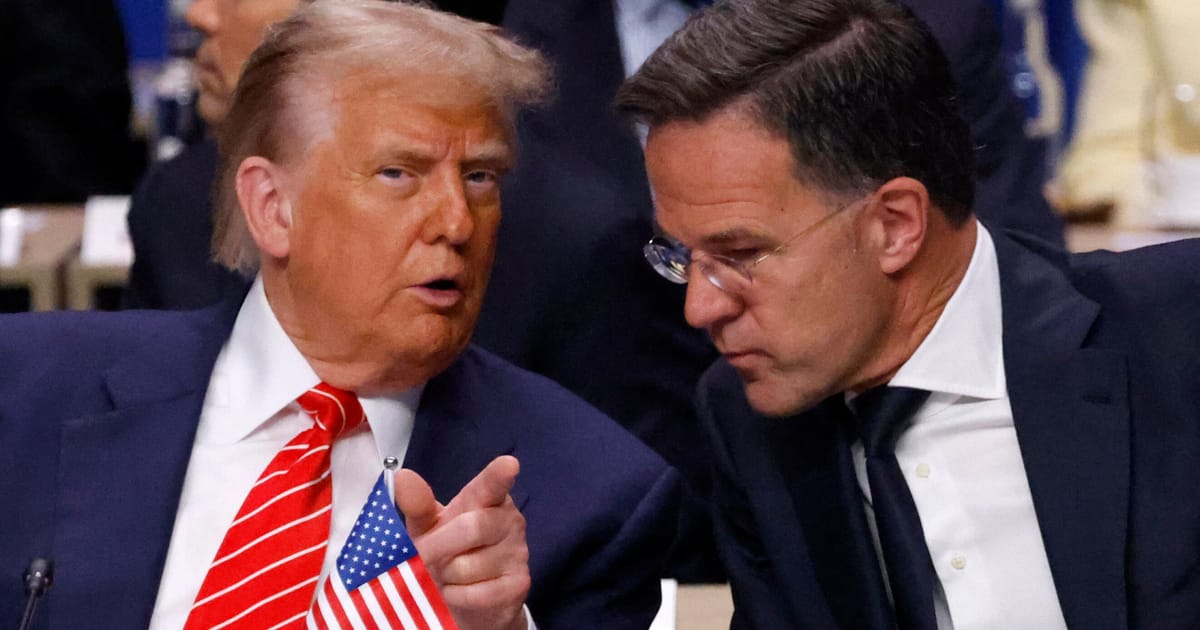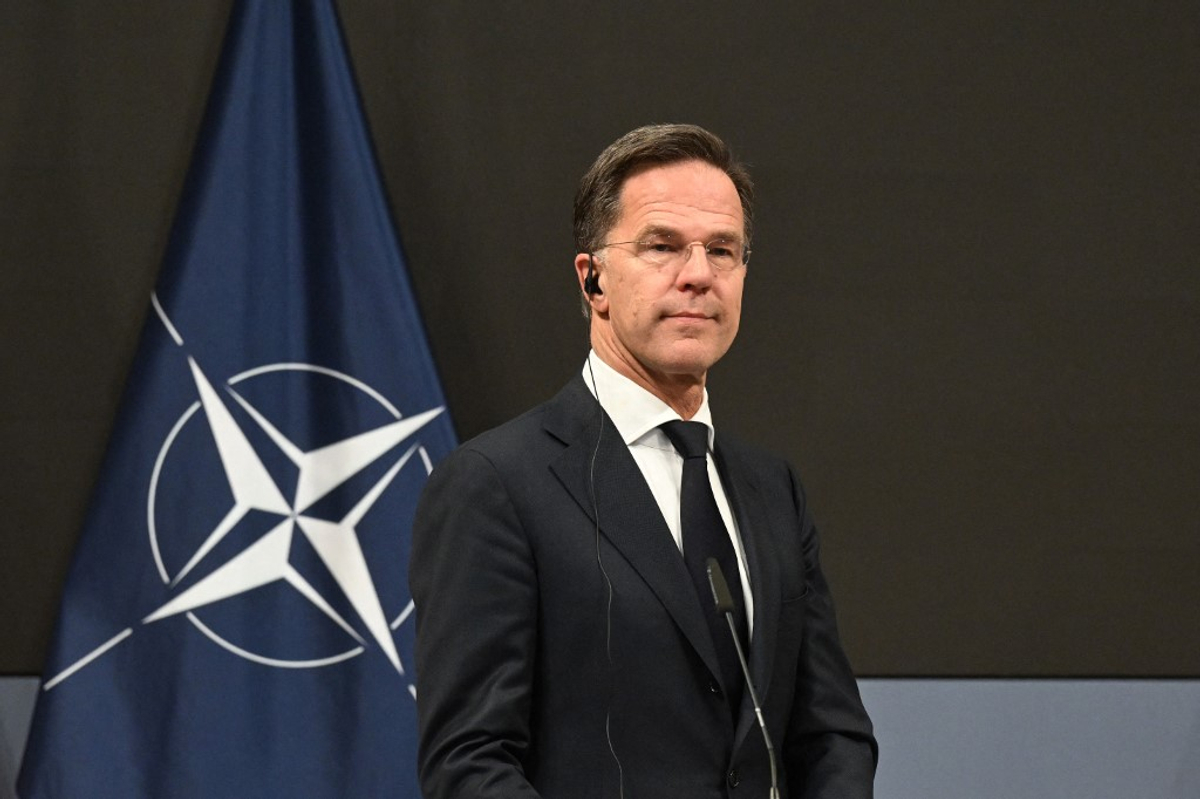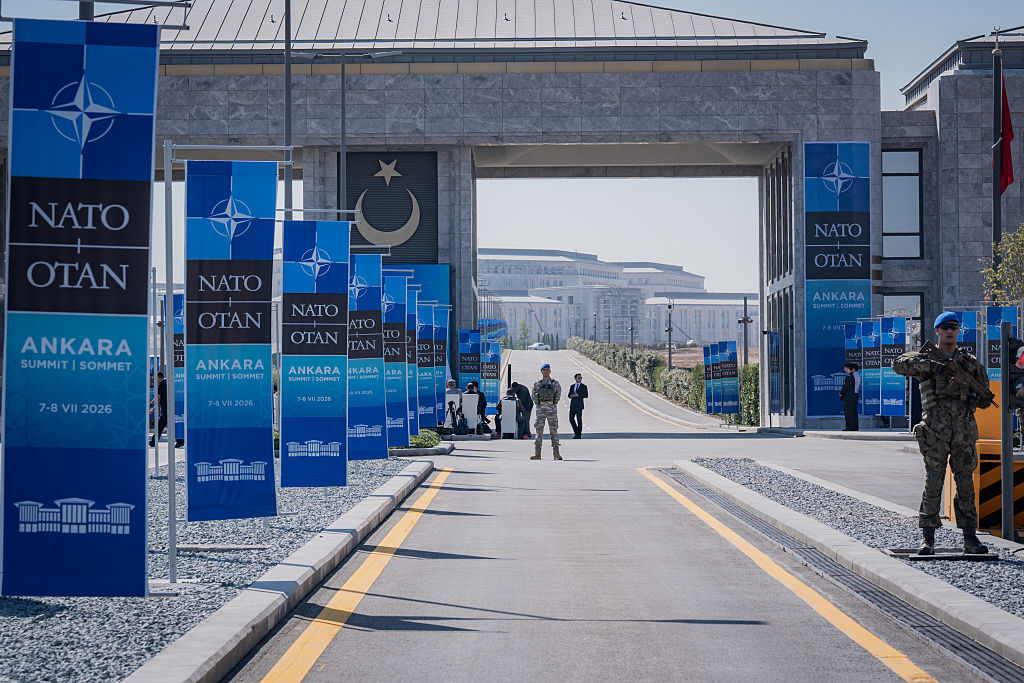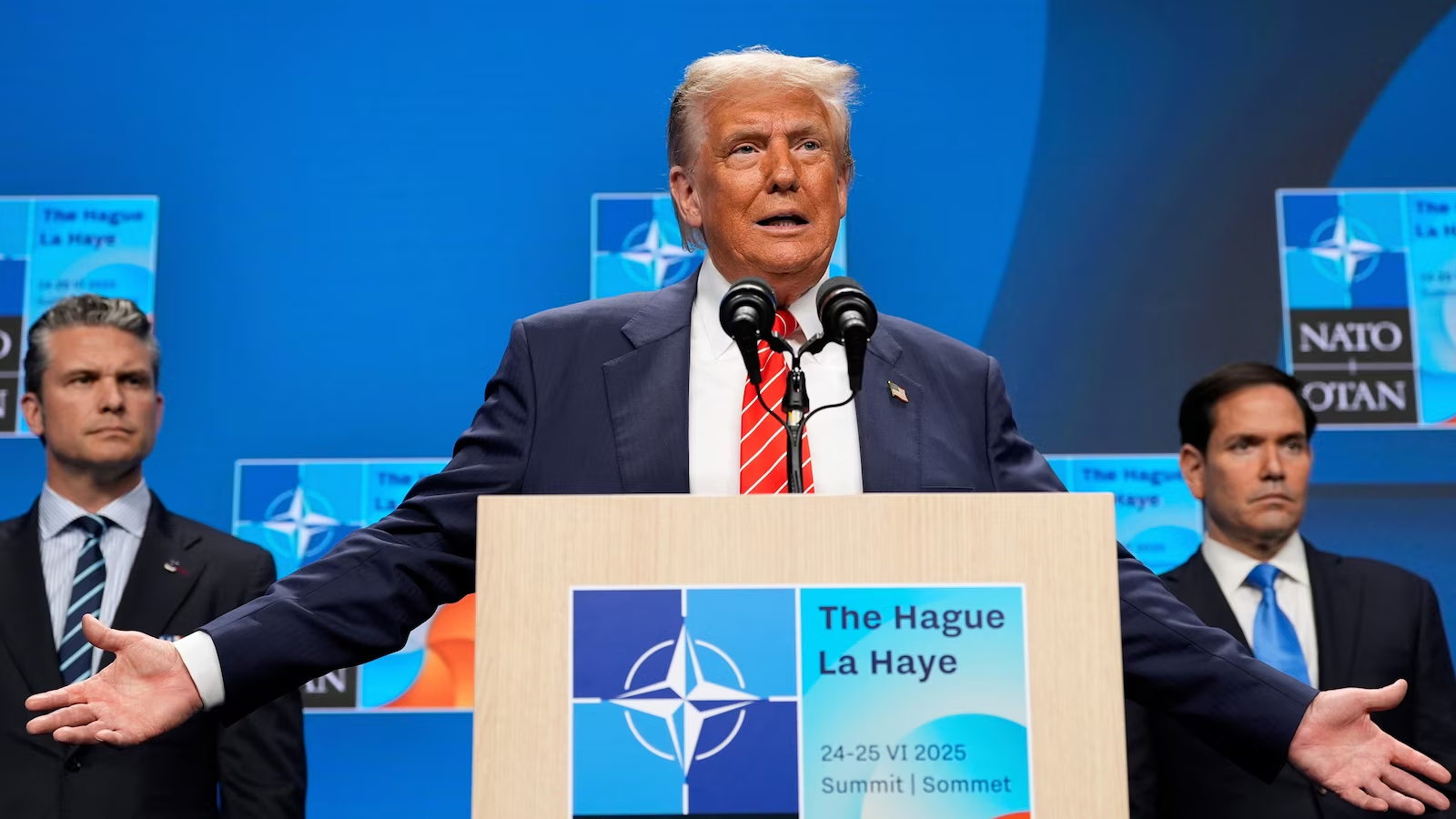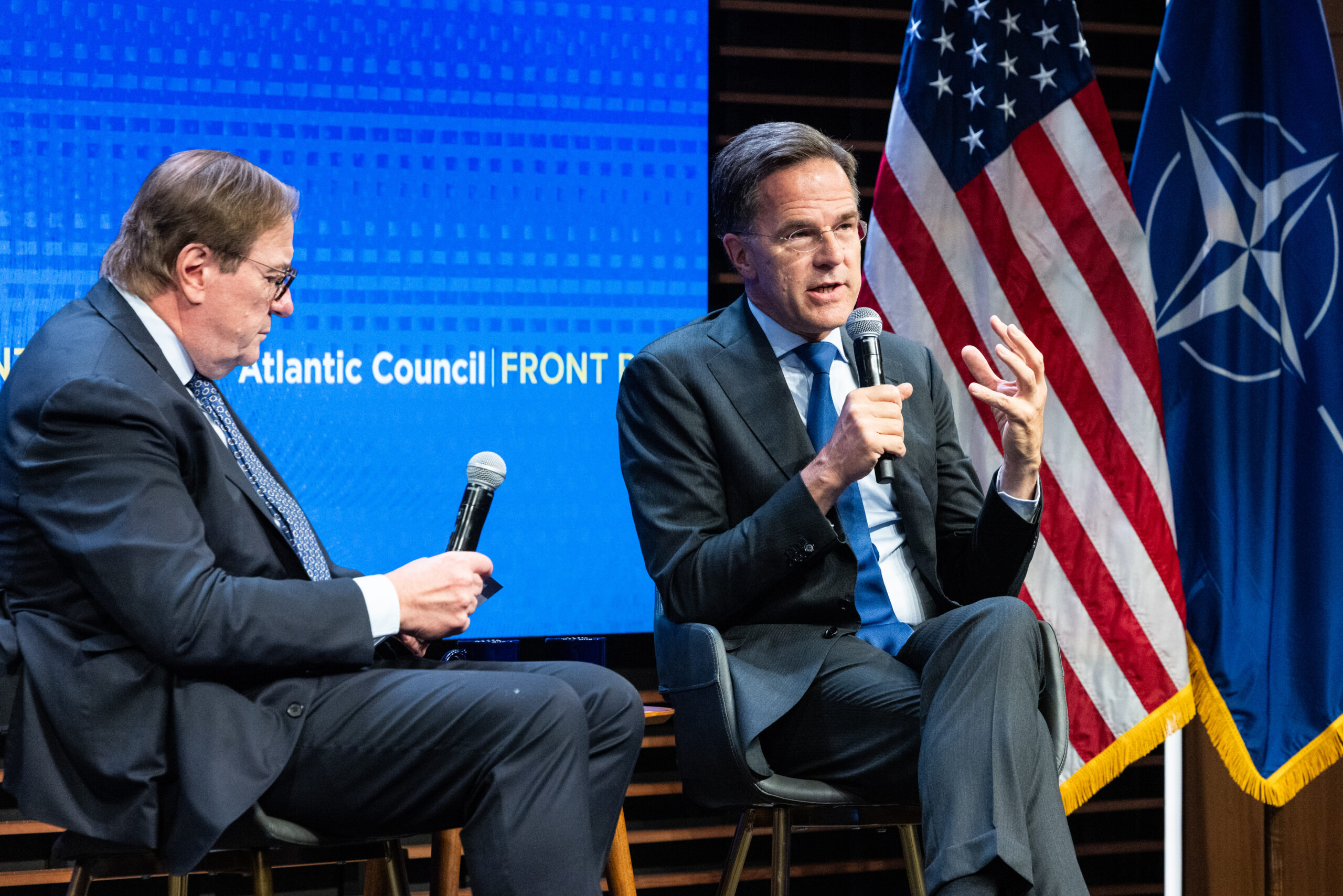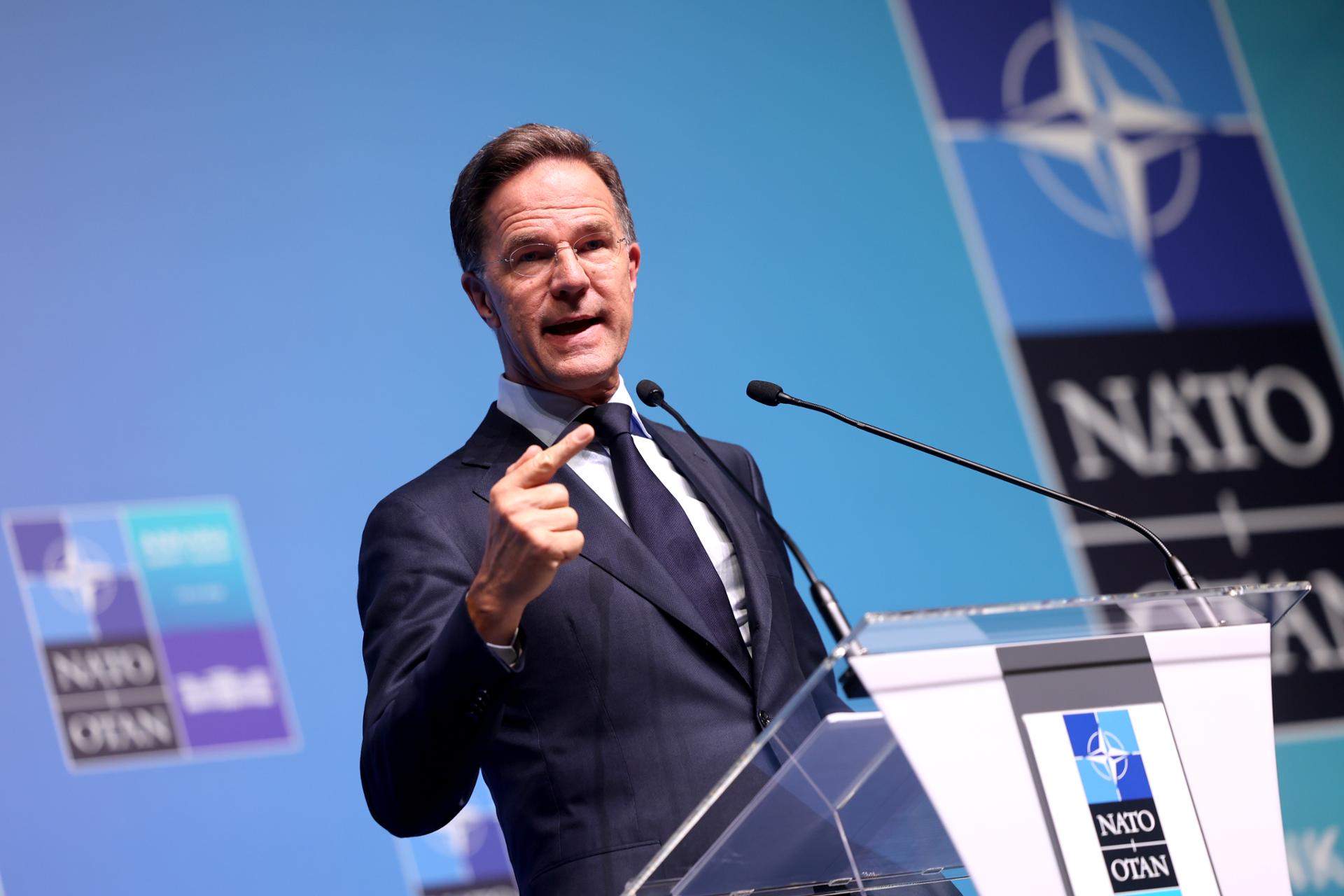
WASHINGTON—NATO Secretary General Mark Rutte’s recent White House meeting with US President Trump likely foreshadowed how discussions at the Alliance’s upcoming summit in Ankara will play out. Rutte spotlighted the progress made by allies on defense spending since the 2025 summit, while Trump focused on what he perceived as allies’ failure to support the recent US campaign against Iran.
The tension this meeting displayed is having real-world impacts on Alliance readiness. So far this year, the Trump administration has announced several US force posture adjustments in Europe, including the cancellation of a planned rotational deployment to Poland (later reversed) and the recall of the Stryker brigade based in Germany. These unexpected decisions have caused confusion among European allies and many US interagency personnel.
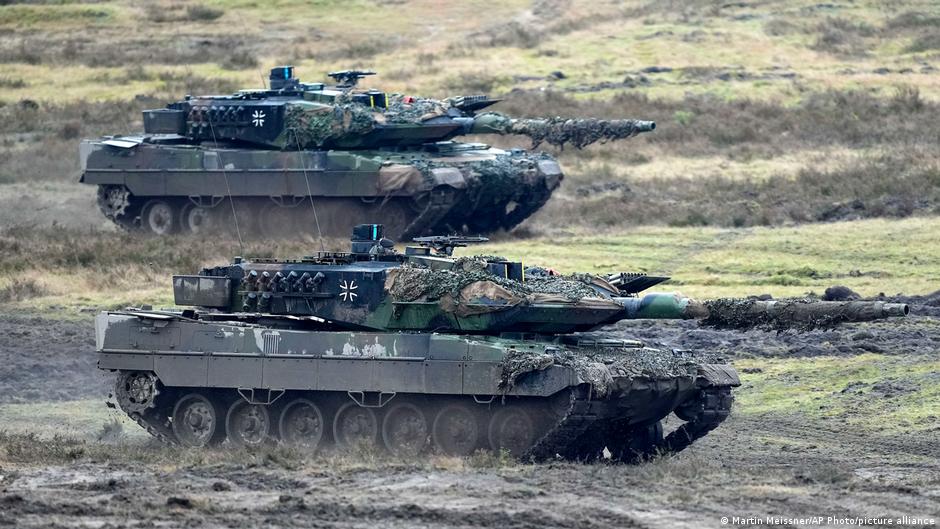
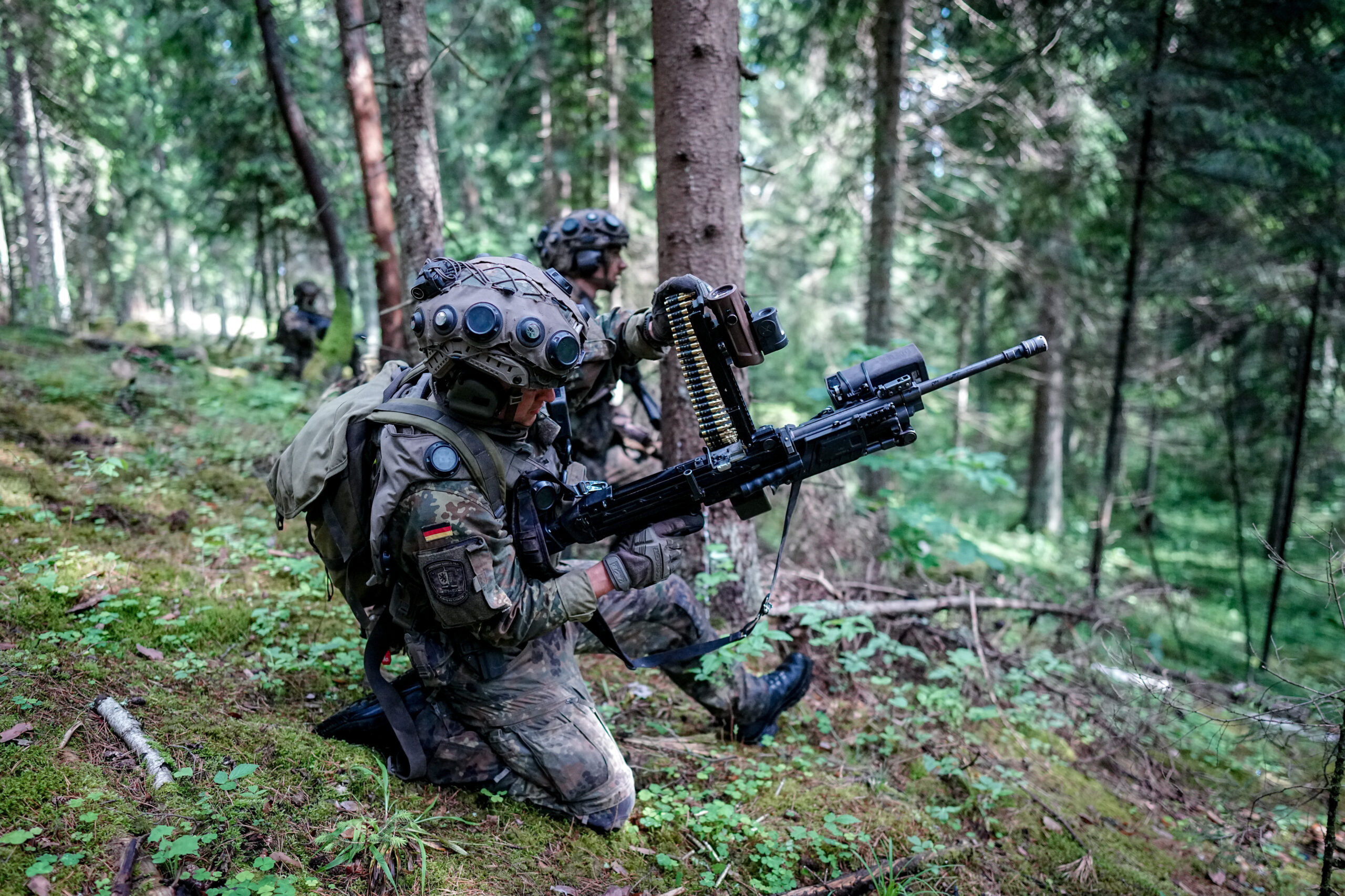
The Alliance faces an immediate need to ease tensions going into the Ankara summit, as well as a longer-term and more substantive challenge of strengthening its deterrence, especially along its eastern flank. To address both challenges, NATO needs a bold, consequential, and high-impact force posture commitment on the part of its member states. One such option is for European allies to agree to station full-strength combat brigades on an accelerated timeline in each of the Baltic states to deter possible Russian aggression in the near term.