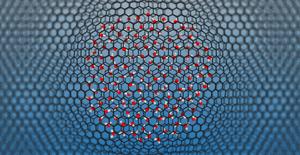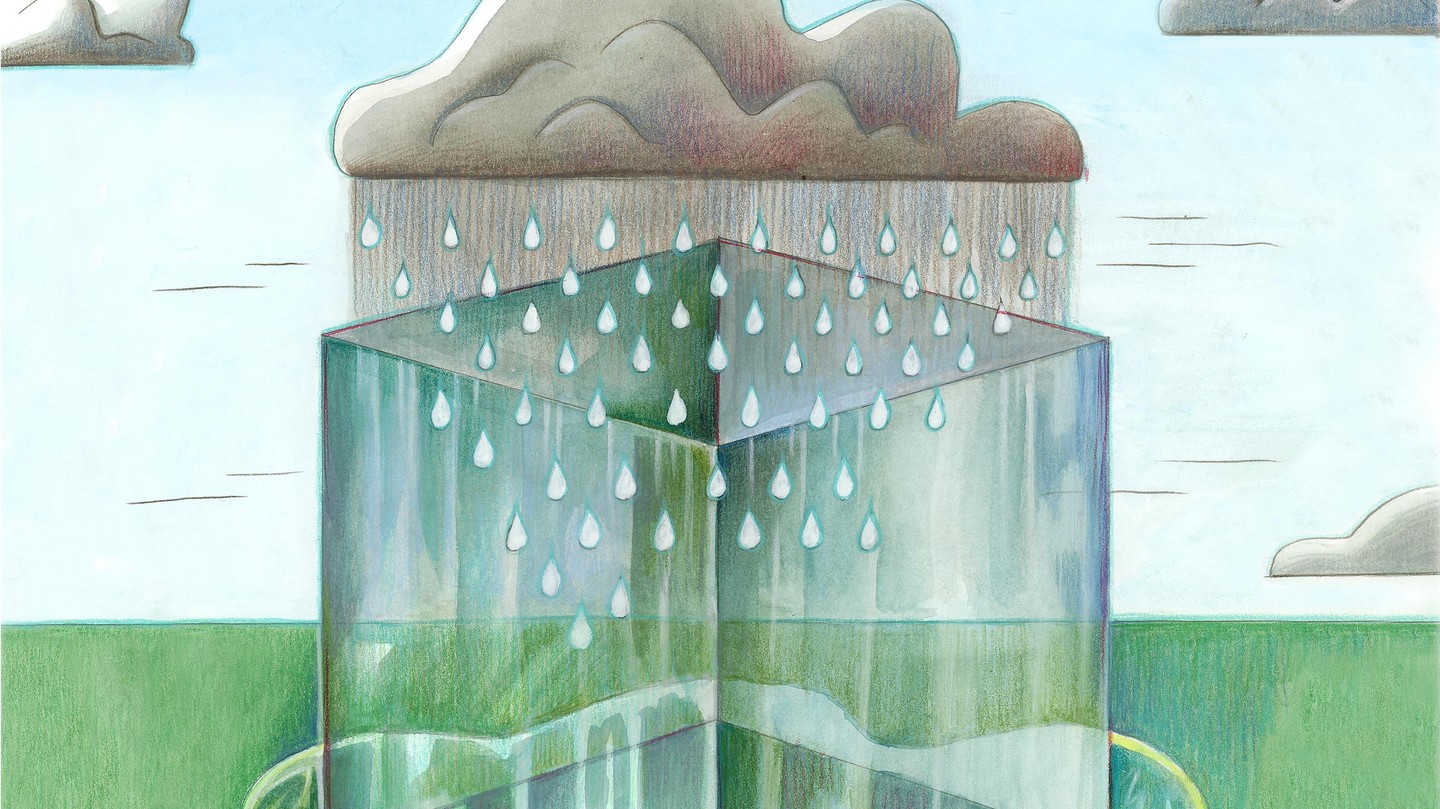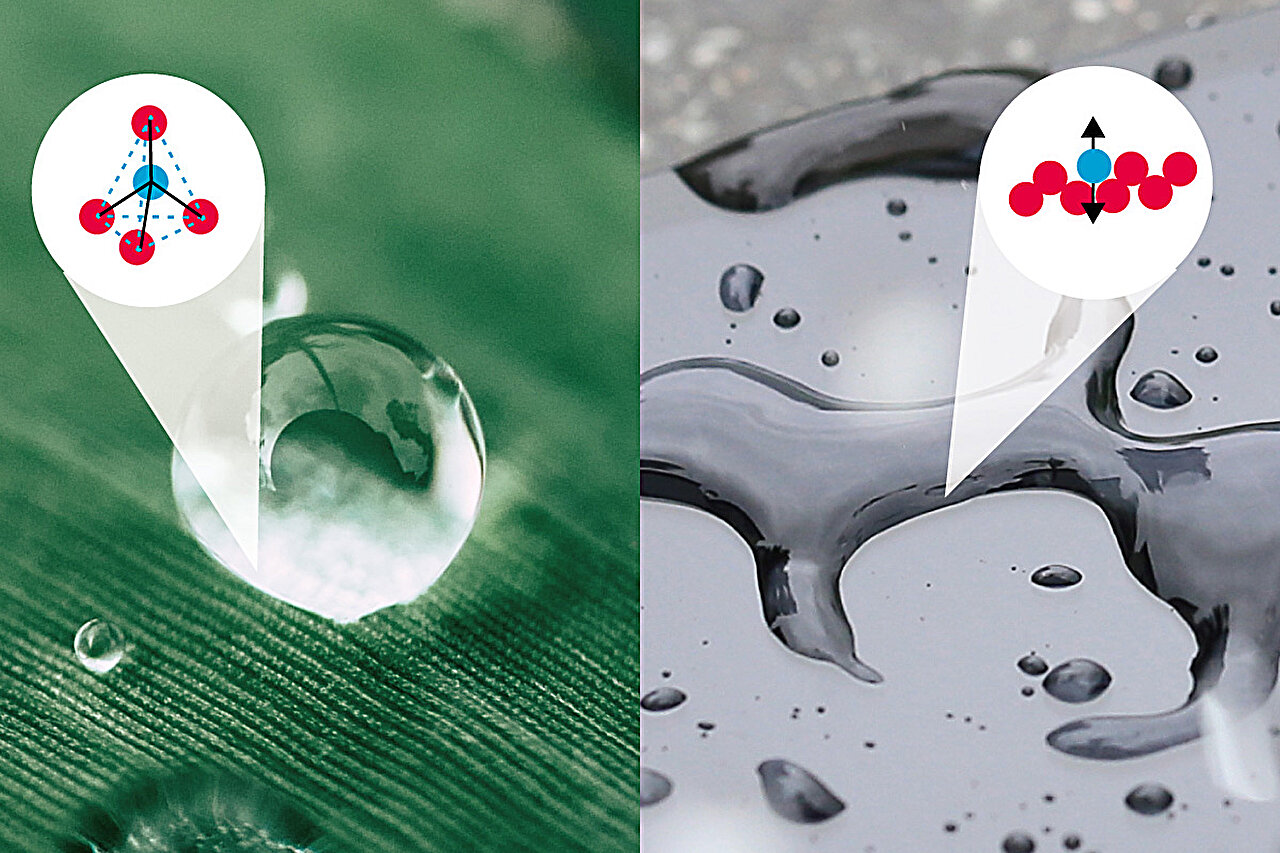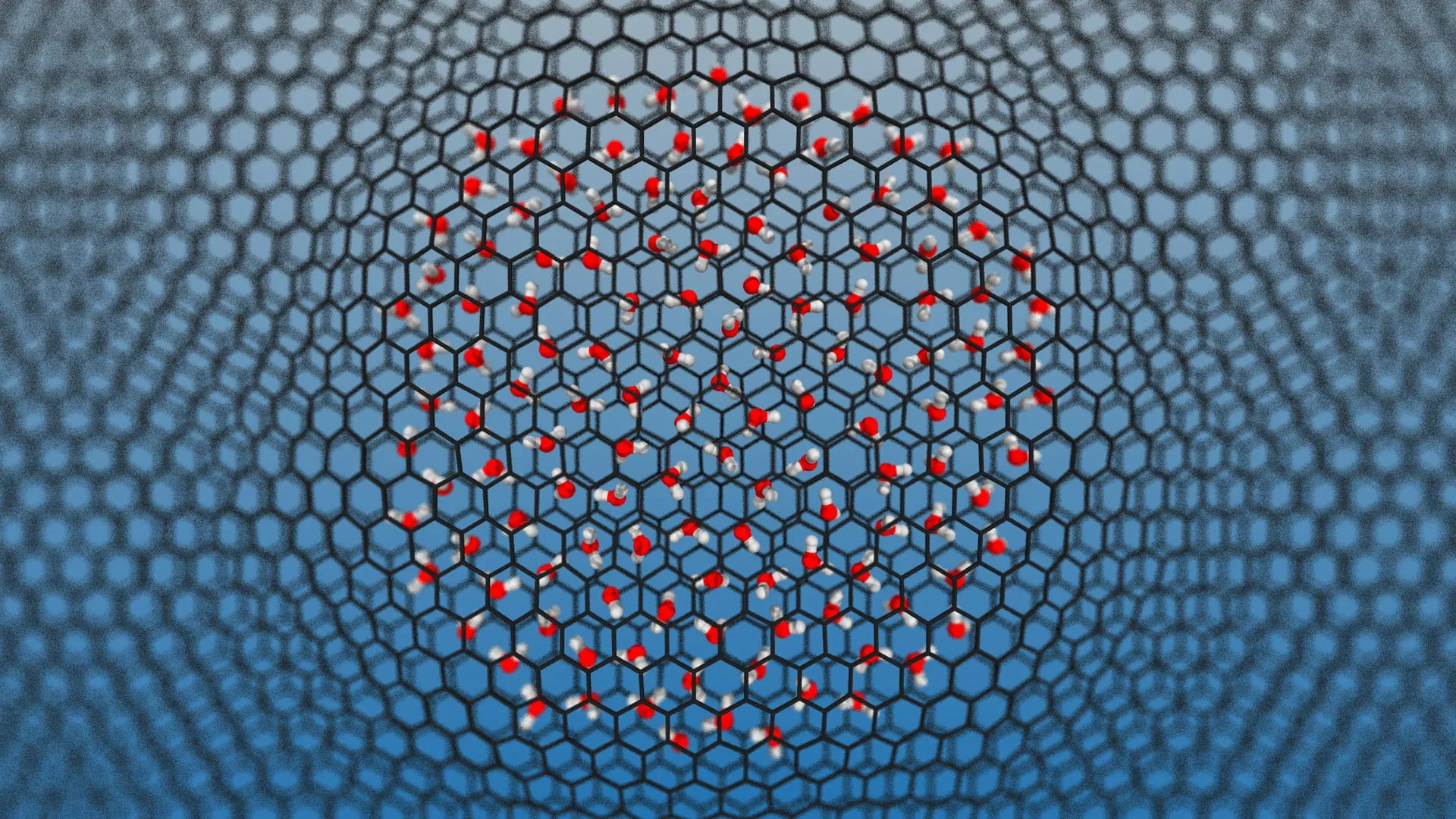
Water has been studied more than almost any other substance, yet scientists have long debated a surprisingly simple question: What happens to its chemistry when it is squeezed into spaces only a few molecules wide?
Those tiny spaces exist throughout nature and technology, including nanoscale pores, membranes, and biological channels. A new study has now found that the answer is more nuanced than researchers once believed, helping resolve years of conflicting results.
Why Water Splitting Matters
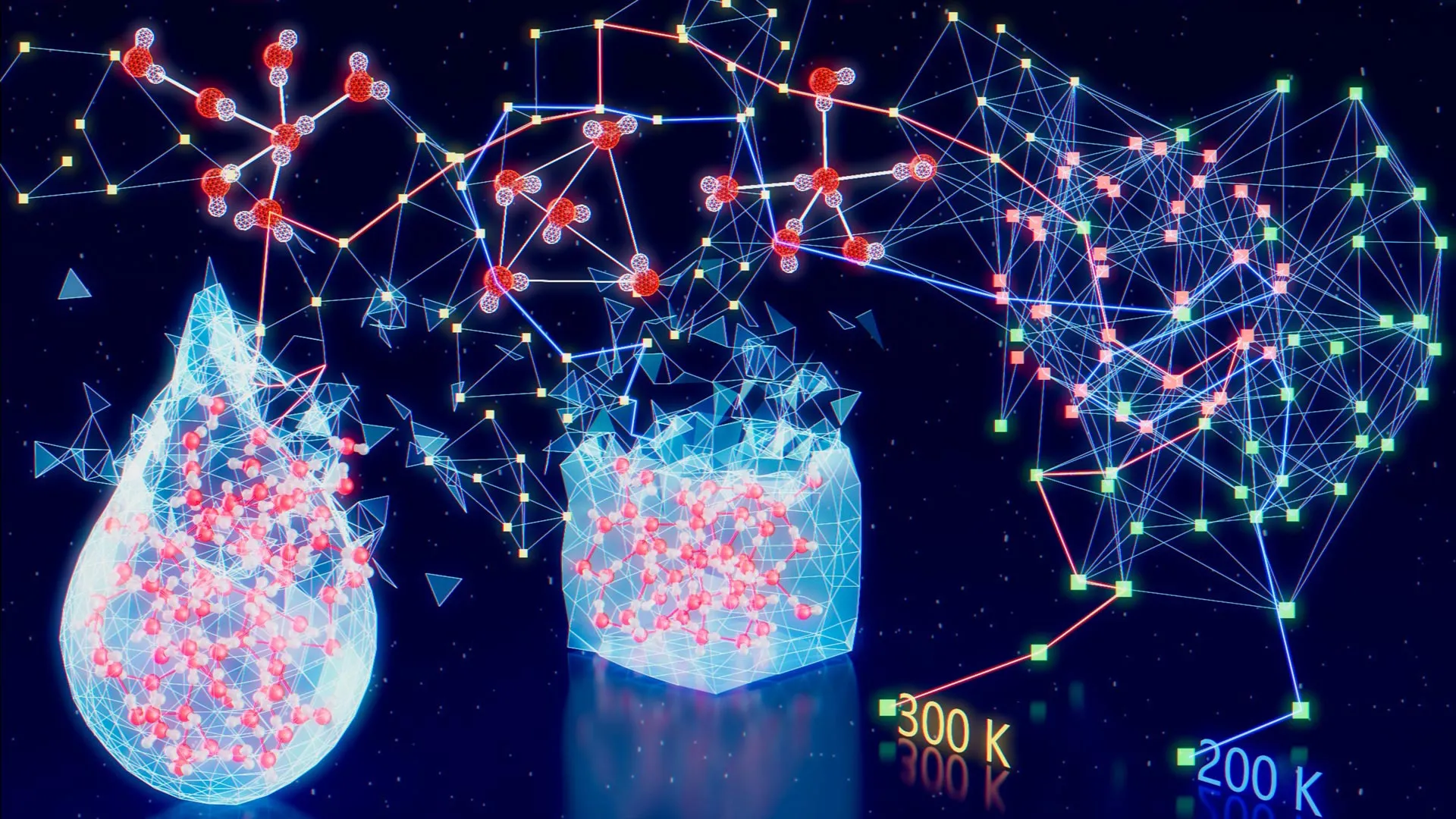
One of water's defining chemical properties is its ability to split into two charged particles: H3O+ (the hydronium ion) and OH- (the hydroxide ion). This process determines pH, which measures how acidic or alkaline (basic) a solution is, and plays a central role in acid-base chemistry. It influences everything from the enzymes that keep your cells functioning to the reactions that occur inside batteries.
Scientists wanted to determine whether confining water to spaces just billionths of a meter across changes how readily this splitting occurs.