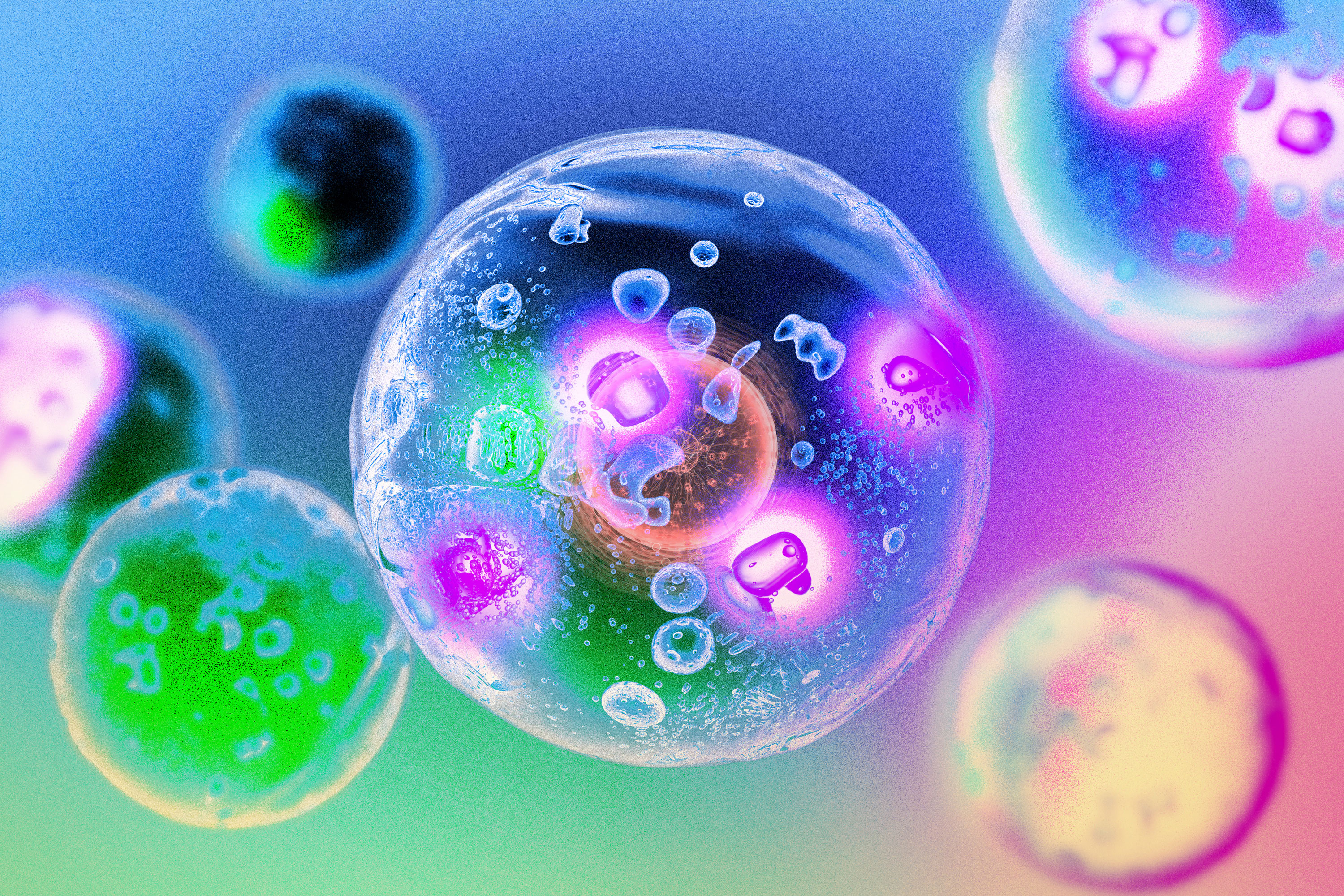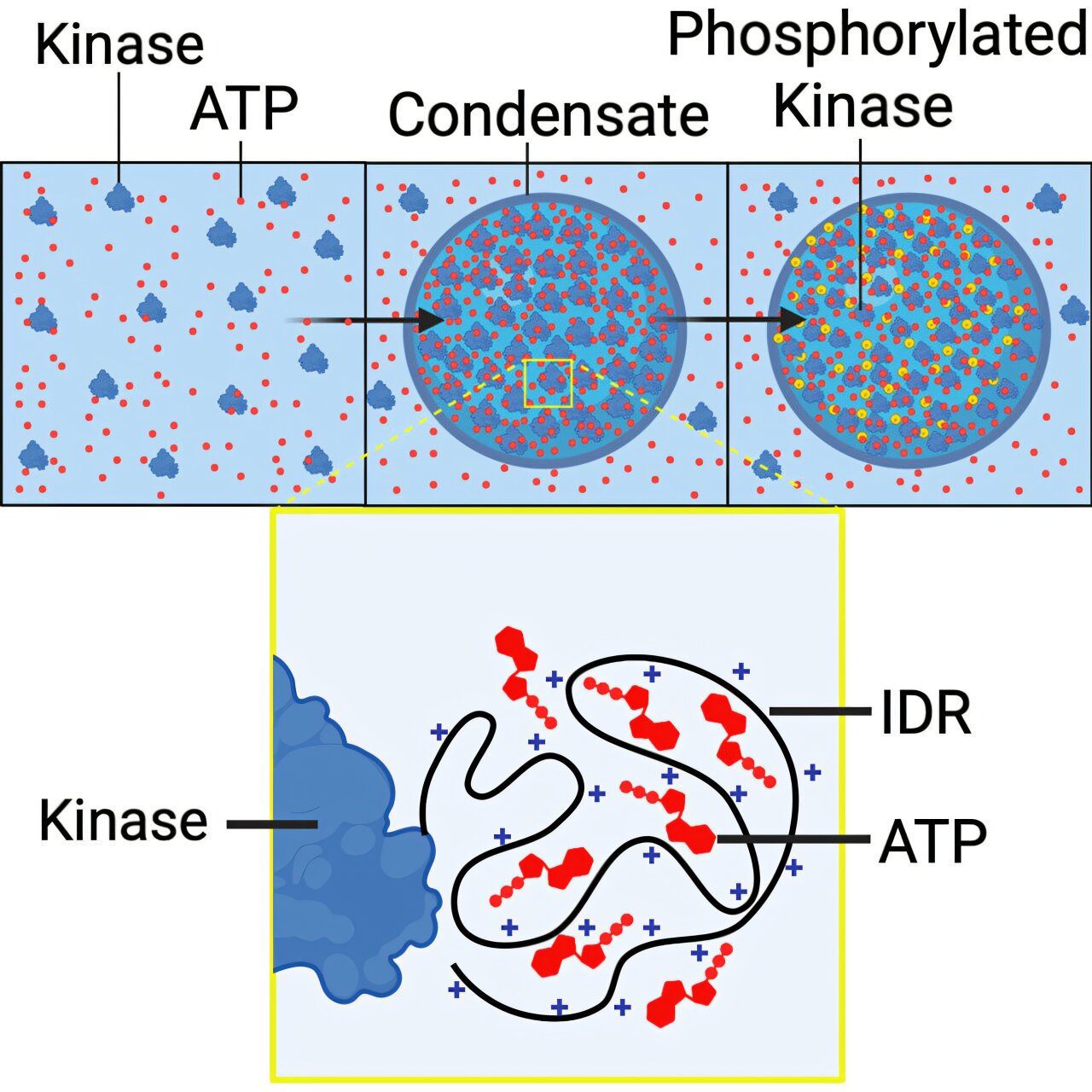
Graphical abstract. Credit: Cell Reports (2026). DOI: 10.1016/j.celrep.2026.117459
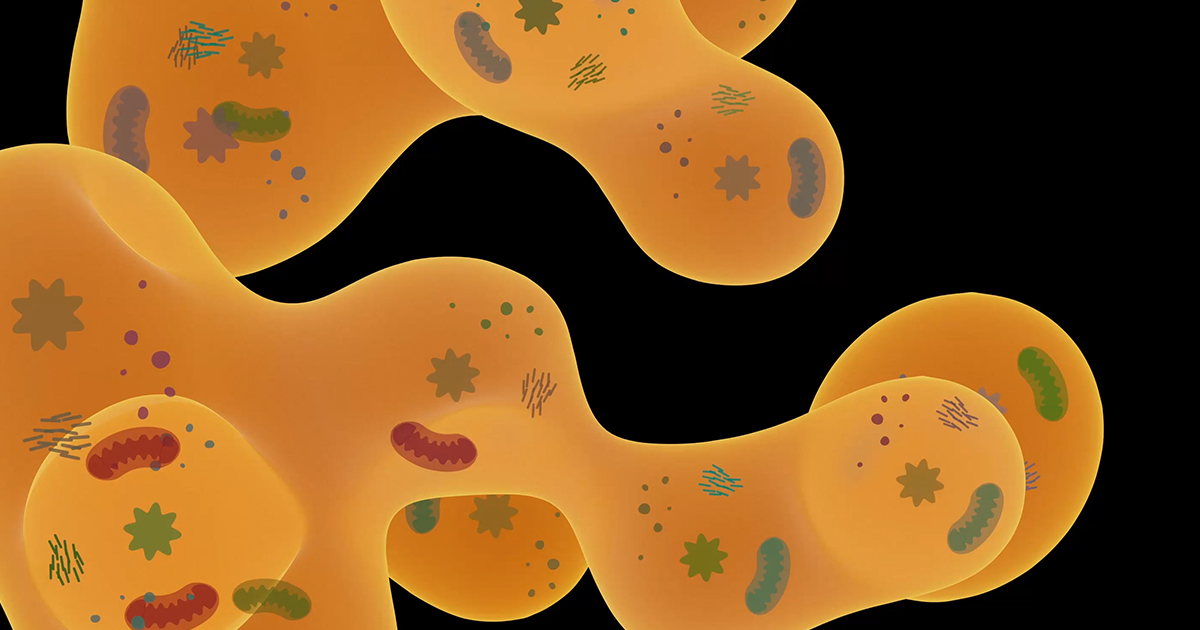
Within the past decade, biologists have discovered that one strategy cells use to keep their contents organized is a phenomenon known as phase separation. Similar to the way oil forms droplets that float in a vinegar solution, proteins inside cells can phase separate to form highly concentrated droplets that keep them organized within the cell.
In a new study, MIT researchers have now shown that this droplet formation is critical for controlling the function of a class of enzymes called kinases. The paper is published in the journal Cell Reports.
The researchers found that condensing into droplets optimizes the biochemical conditions needed for kinases to catalyze reactions, allowing them to more rapidly activate cell signaling pathways. In some cases, droplet formation can even change which reactions the kinases perform.
"Many biological molecules have this propensity to spontaneously separate. We were really interested in asking, if we have these kinases forming droplets, what is the consequence of that in the context of signaling?" says Lindsay Case, an assistant professor of biology at MIT and the senior author of the study.