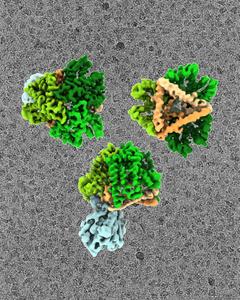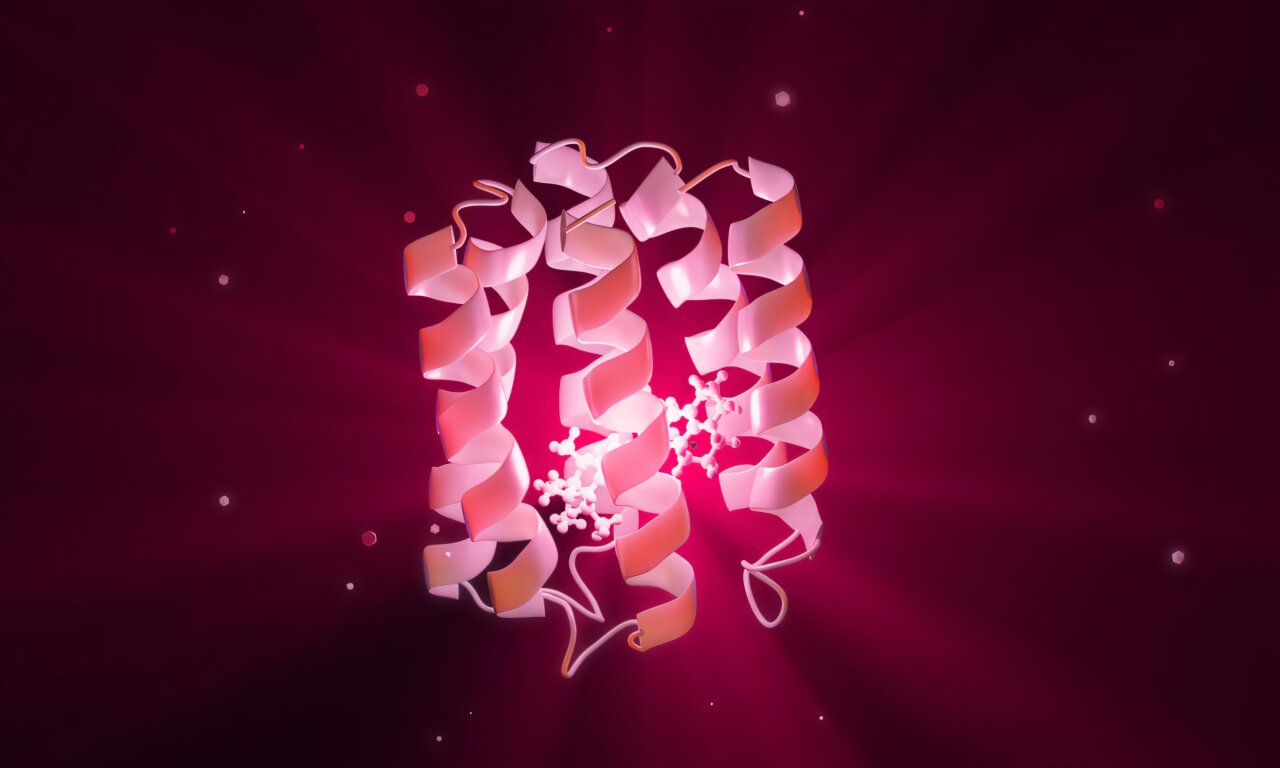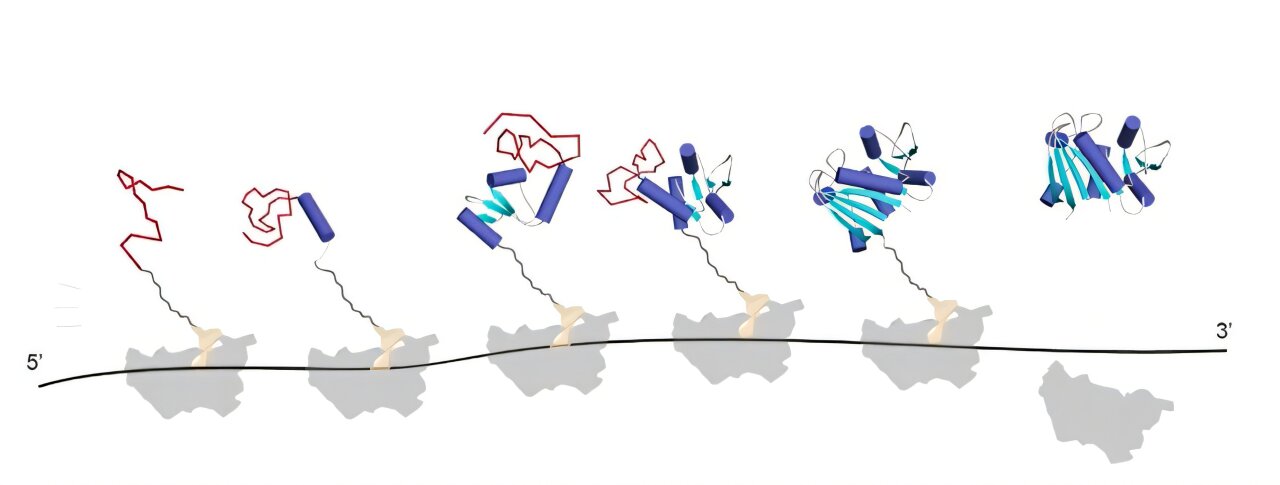
Proteins carry out almost every important function in our body, from copying our DNA to turning the food we eat into energy. These tiny "molecular machines" are first made by our cells as straight chains, like long pieces of string. Then, to work properly, each protein must fold into an intricate 3D shape.
The sheer scale of protein folding within our cells is staggering. Ribosomes, the molecular machines within our cells that make proteins, make about one protein every 80 seconds. Given that there are more than 5 million ribosomes in a cell, every single one of our cells makes 4 million to 8 million proteins a minute.
The remarkable process of microscopic origami is the focus of David Balchin's lab at the Crick. Balchin studied proteins and protein folding at the University of the Witwatersrand in South Africa and the Max Planck Institute of Biochemistry in Germany before starting his lab at the Crick in 2020. His team is driven by curiosity to understand the intricate workings of cells at the molecular level.
Publication details
Thomas E. Wales et al, Resolving chaperone-assisted protein folding on the ribosome at the peptide level, Nature Structural & Molecular Biology (2024). DOI: 10.1038/s41594-024-01355-x