AlphaFold and the Protein Folding Revolution: What Developers Need to Know
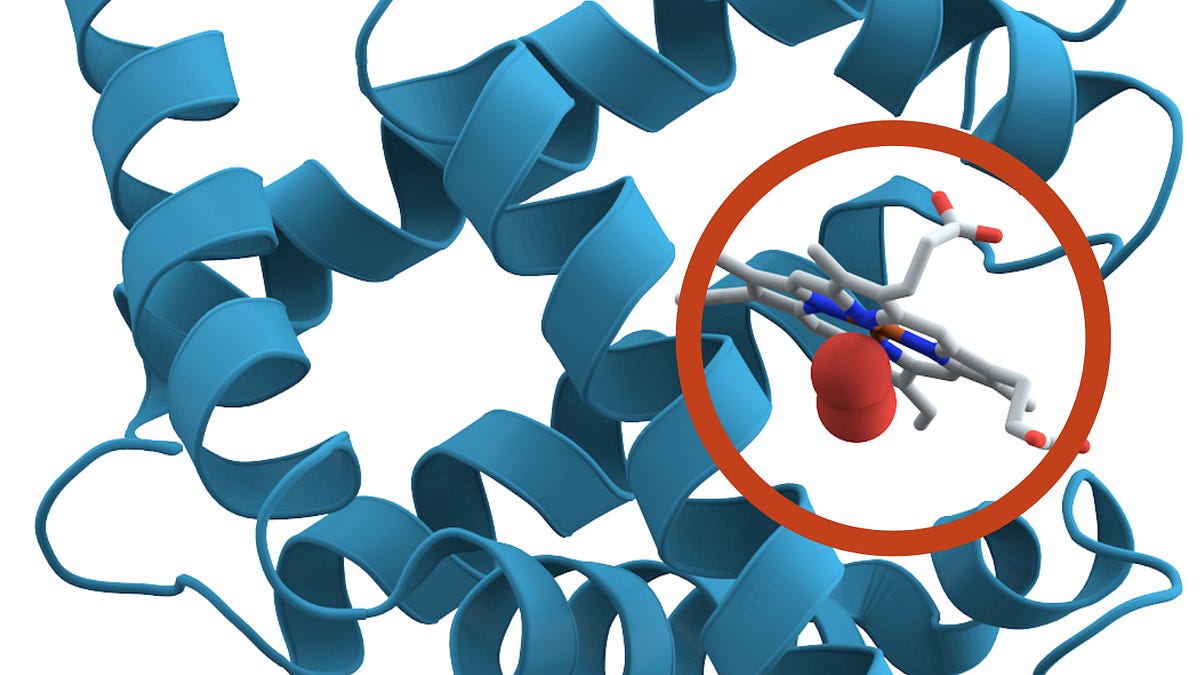
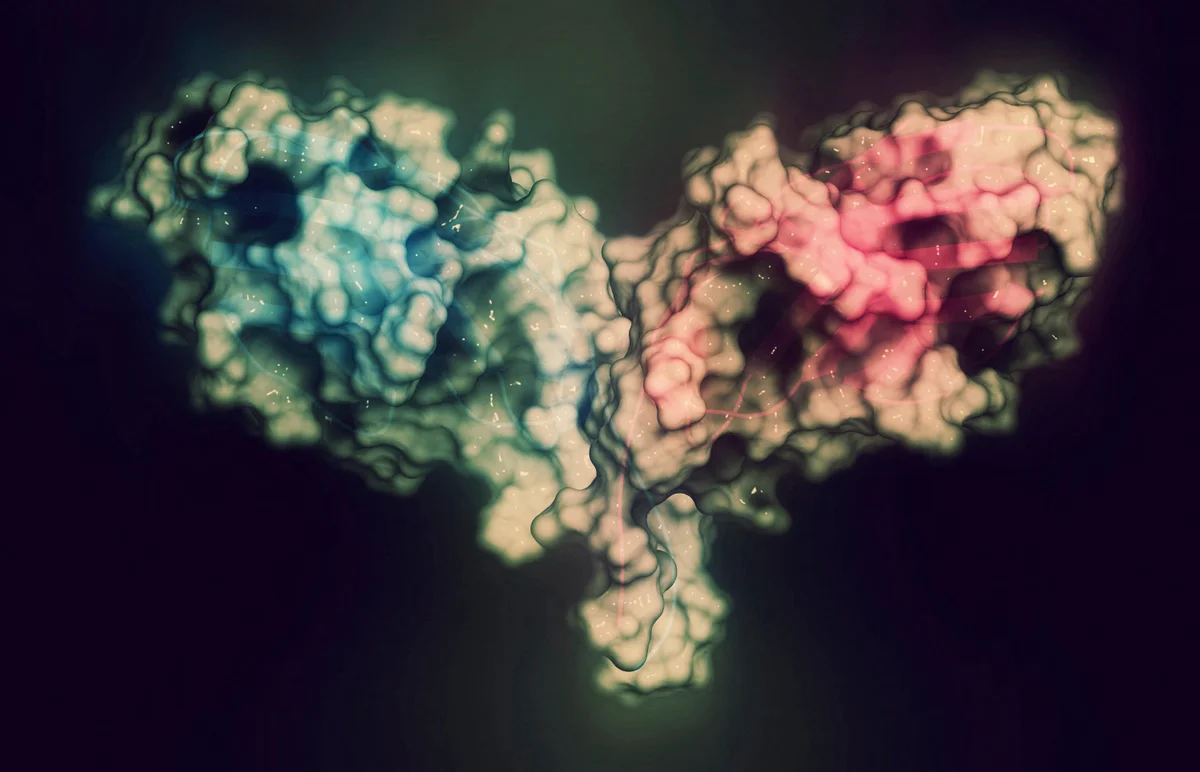
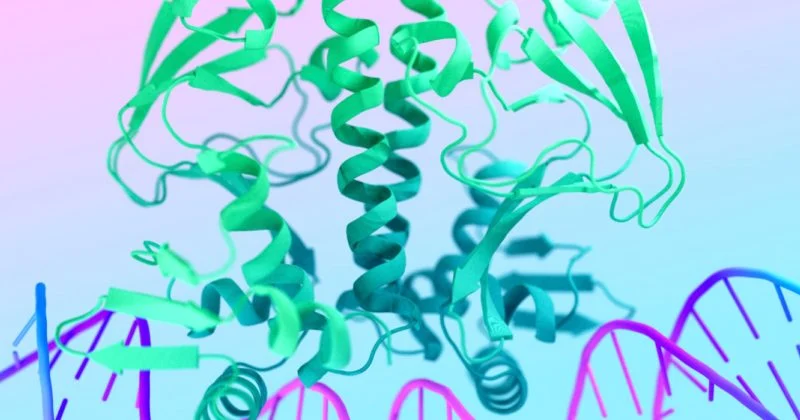
Protein folding was a 50-year problem. Scientists called it the "holy grail of biology" — the question of how a string of amino acids spontaneously folds into a precise 3D shape that determines its function. Then in 2020, DeepMind's AlphaFold solved it. Not approximately. Not theoretically. Solved it well enough that the organisers of CASP (the biennial protein structure prediction competition) declared the problem effectively finished.
Here is what happened, how the model actually works under the hood, and why it matters for the tools you build today.
The Problem That Took Five Decades
Proteins are chains of amino acids. There are 20 standard amino acids, and a typical protein chain runs anywhere from 50 to 2,000 residues long. The number of possible folded shapes is astronomical — Levinthal's paradox estimated 10^300 possible conformations for a 100-residue protein. Brute-force search is impossible. Random sampling would take longer than the age of the universe.