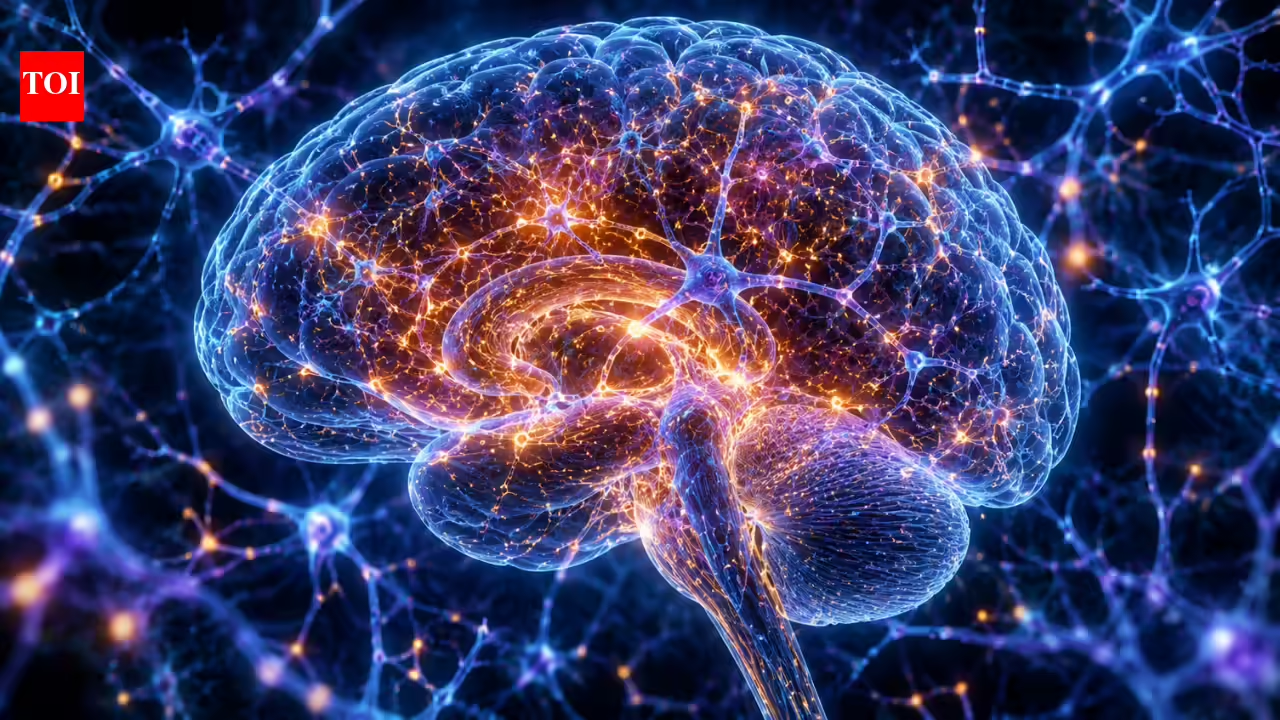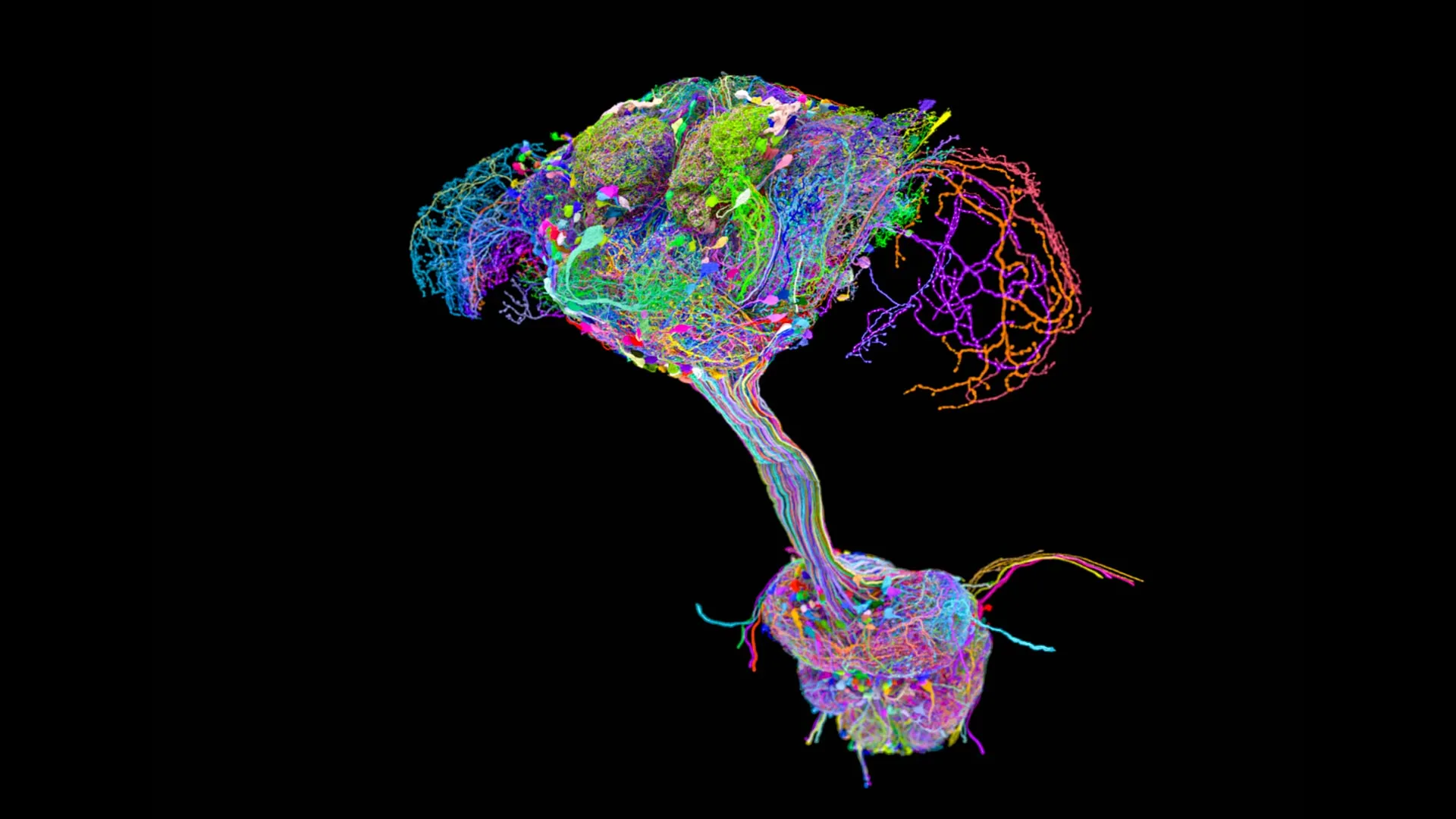
A human brain starts as a single cell. Over time, that lone cell gives rise to an extraordinarily complex organ containing roughly 170 billion cells. One of the biggest questions in developmental neuroscience is how all of those cells end up in the right places to form a functioning brain.
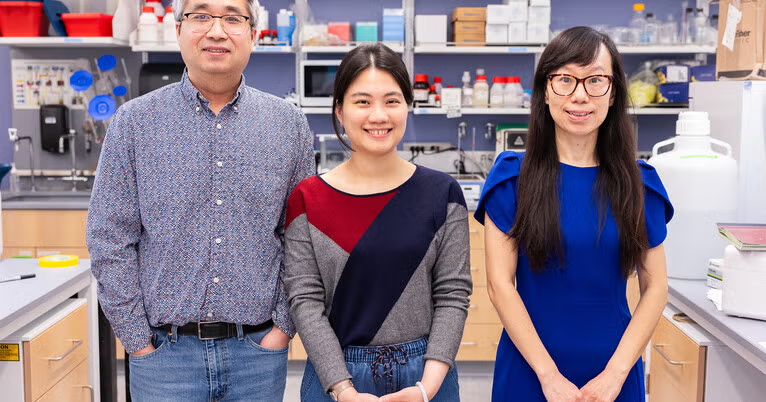
Researchers at Cold Spring Harbor Laboratory now believe the answer may be surprisingly simple. Their new work offers insights into how the brain organizes itself during development and could eventually influence research in fields ranging from biology to artificial intelligence.
How Brain Cells Determine Their Identity
Stan Kerstjens, a postdoctoral researcher in Professor Anthony Zador's laboratory, explains the challenge in terms of positional information.
"The only thing a cell 'sees' is itself and its neighbors," he explains. "But its fate depends on where it sits. A cell in the wrong place becomes the wrong thing, and the brain doesn't develop right. So, every cell must solve two questions: Where am I? And who do I need to become?"