view more
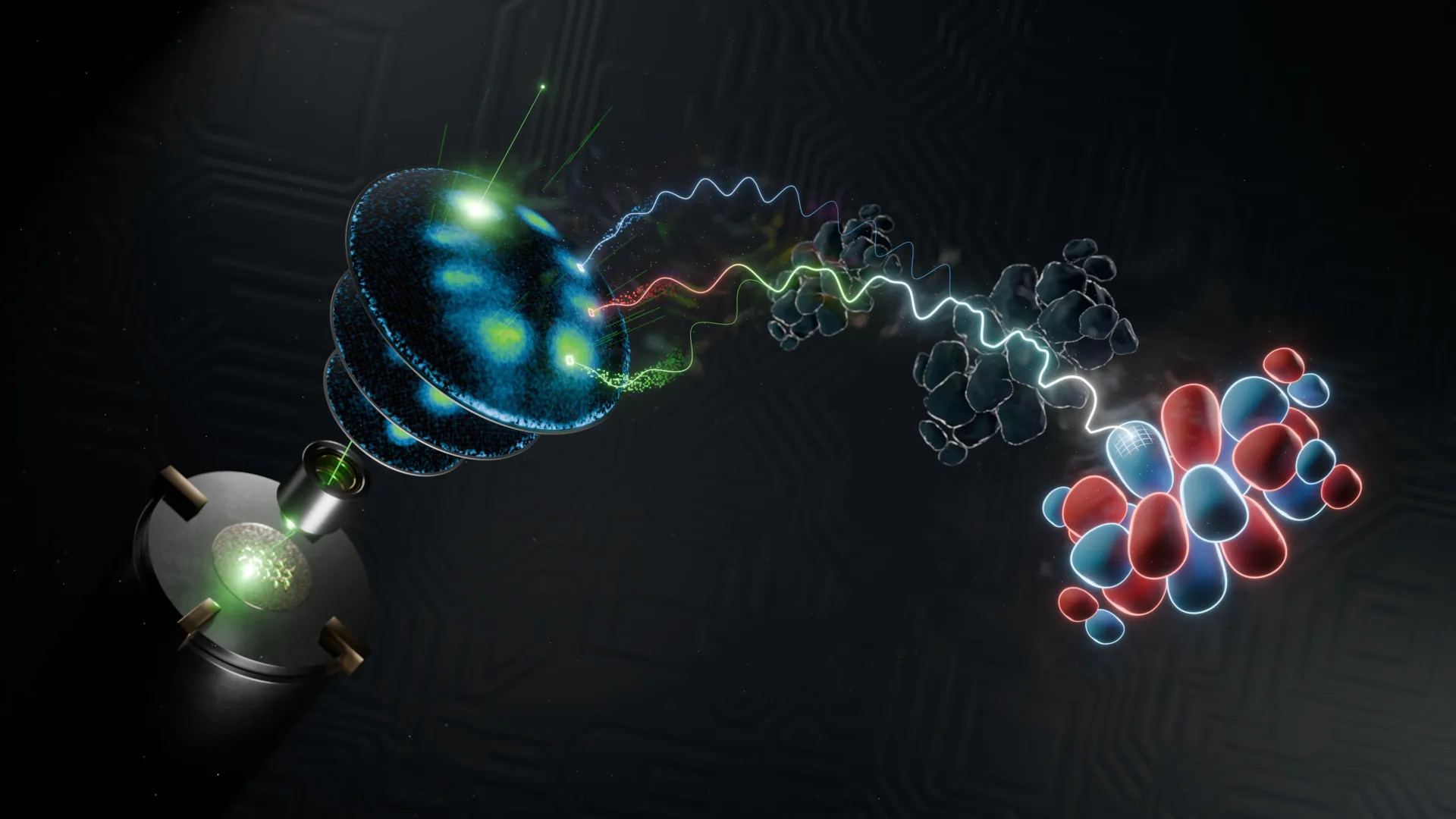
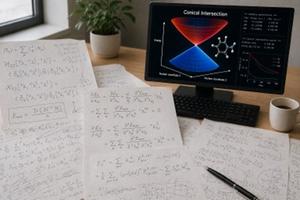
Light-driven molecular reactions are essential to many technologies and natural processes, from solar energy conversion and photocatalysis to vision and DNA repair. After absorbing light, molecules can rapidly rearrange their electrons and change chemical pathways within trillionths of a second. These transformations often pass through conical intersections, special points where two electronic states meet and molecules can switch states almost instantly. Although these intersections are central to photochemistry, accurately predicting them has traditionally required computationally expensive methods, limiting routine studies of larger and more realistic molecular systems.
Professor Takashi Tsuchimochi of the College of Engineering, Shibaura Institute of Technology, Koto-ku, Tokyo, Japan, has proposed a new solution to this challenge. He has developed a low-cost quantum chemistry method that can simultaneously describe stable ground states and unstable excited states of molecules while efficiently locating conical intersections. By redesigning one of the simplest excited-state theories, the researcher created a practical framework for exploring difficult reaction pathways with much lower computational cost than conventional approaches. The study was published online on April 21, 2026, in the Journal of Chemical Theory and Computation.