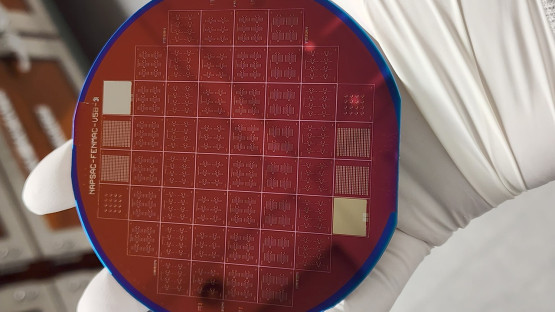
Scientists at Monash University have created a tiny new circuit that can generate, direct, and read information carried by light, all within a single chip.
The advance marks a significant milestone for a growing area of research known as "valleytronics," which could help drive future breakthroughs in faster computing, lower energy consumption, and quantum technologies.
Developed by researchers from the Monash School of Physics and Astronomy, the new device combines advanced nanotechnology with cutting-edge materials to solve a challenge that has limited the field for years.
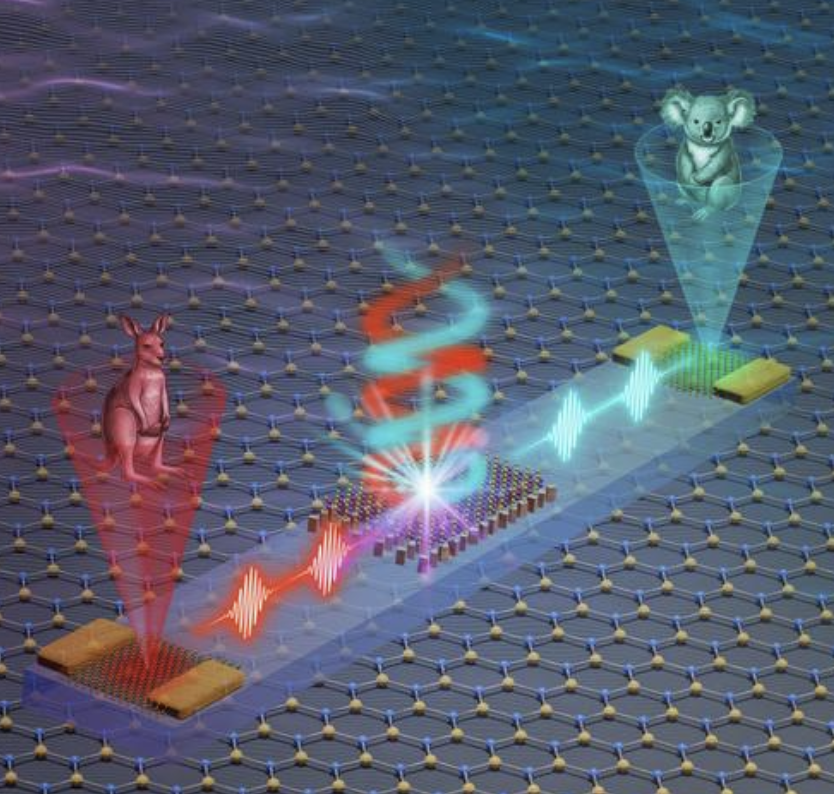
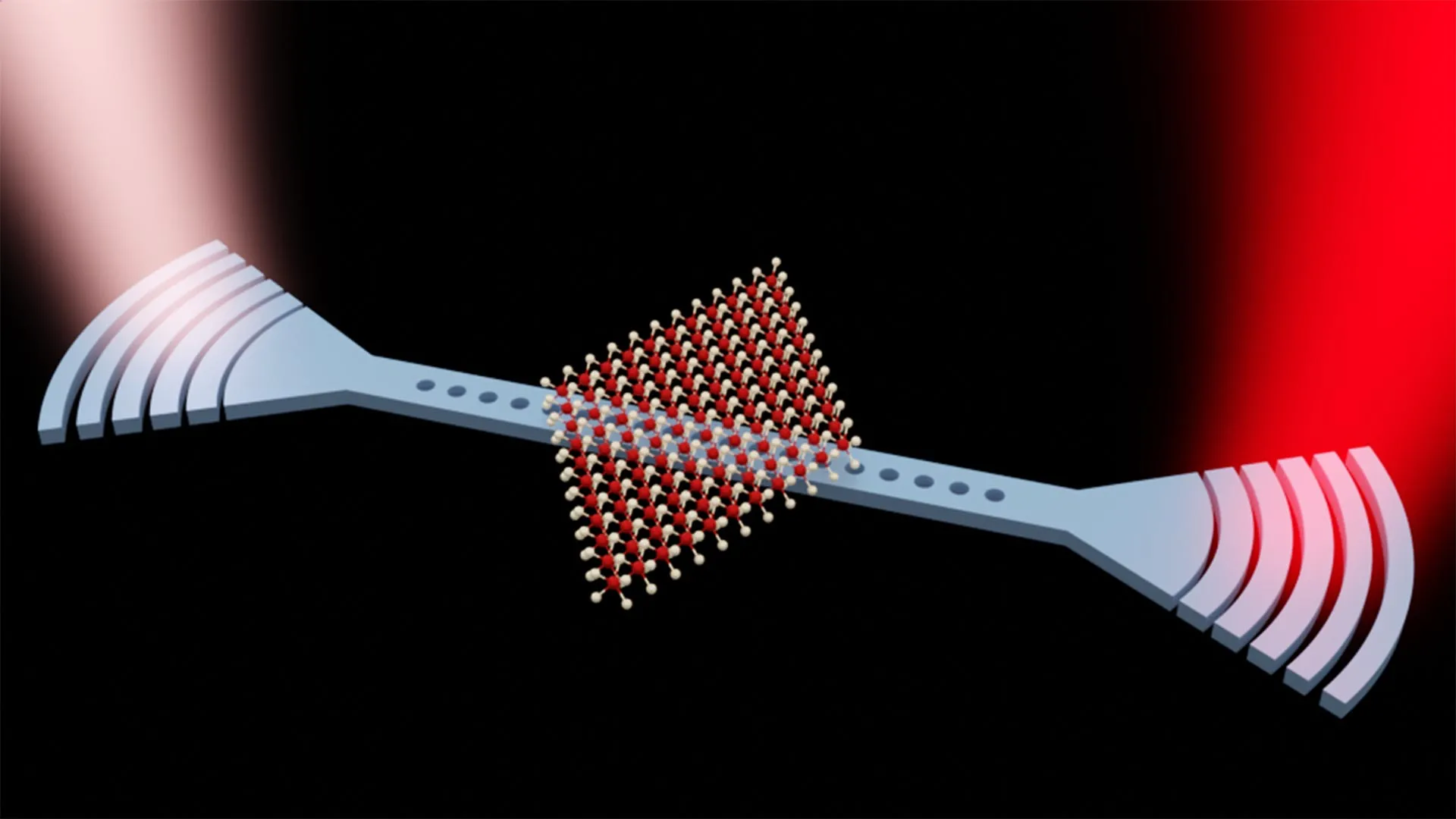
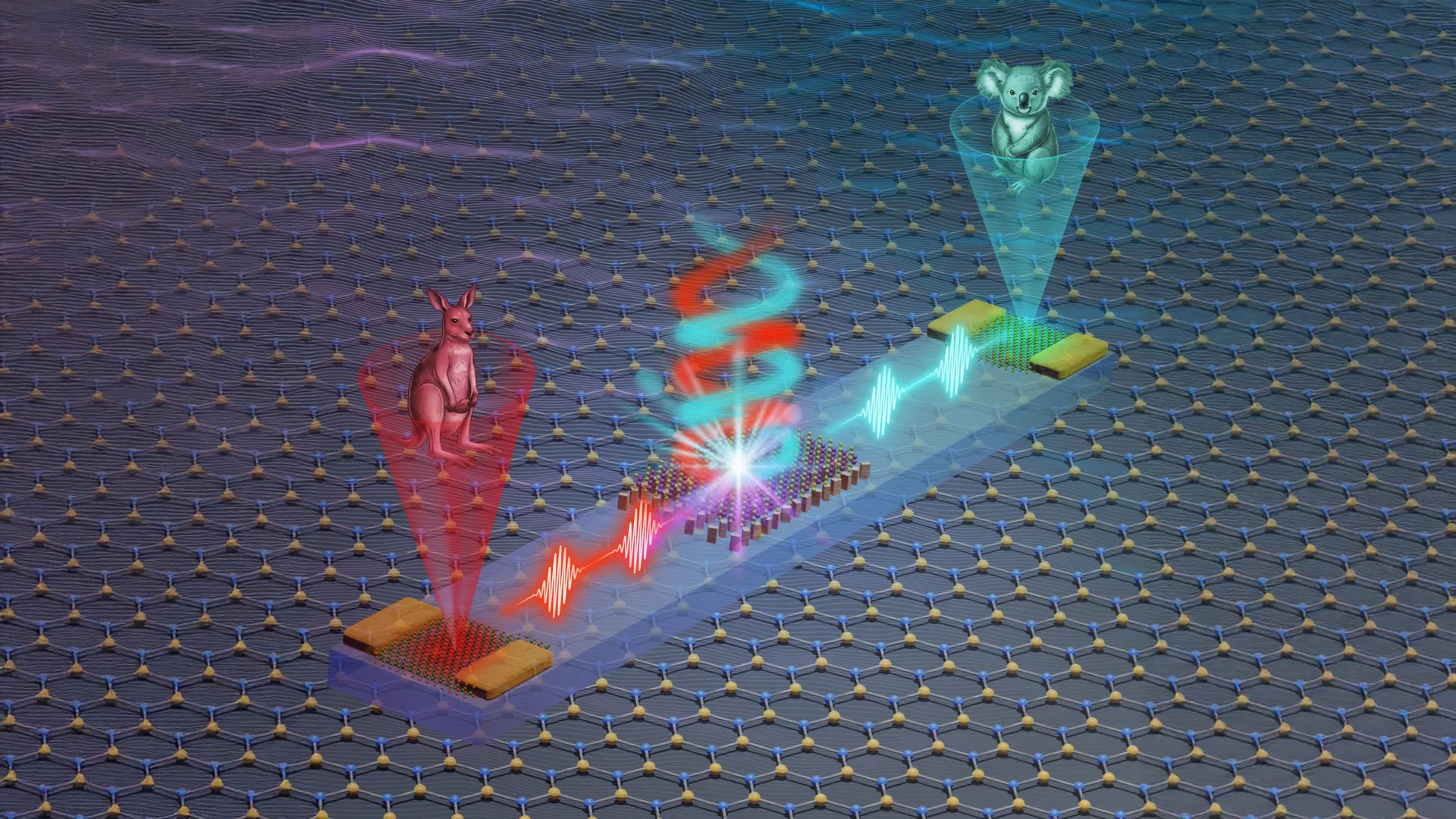
For the first time, the team has built a fully integrated chip capable of producing specialized light signals, steering them along specific paths, and converting them into electrical signals within the same compact system.
These signals store information using a quantum property called the "valley degree of freedom." Scientists believe this unique characteristic could provide entirely new ways to encode, transmit, and process data.