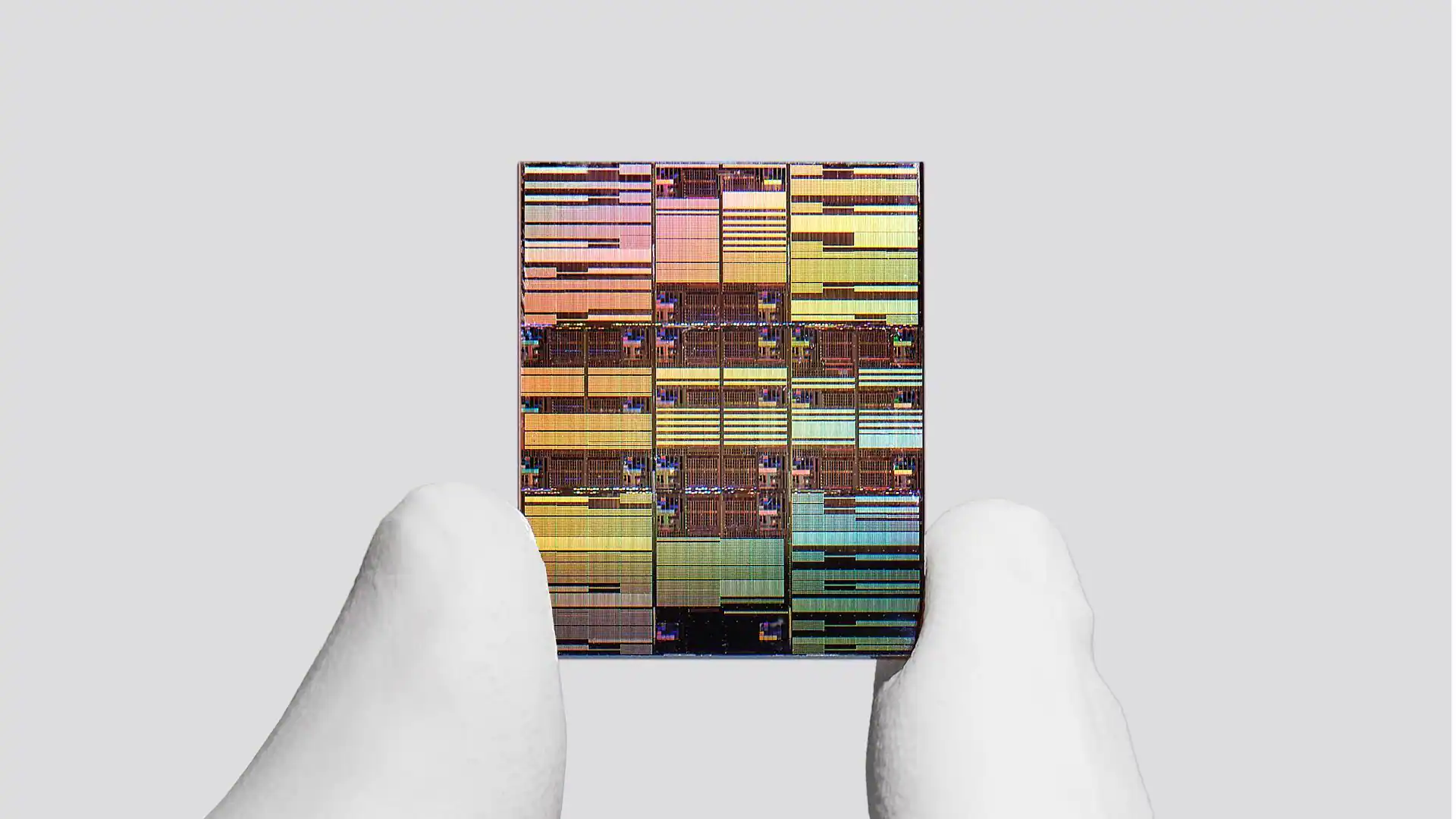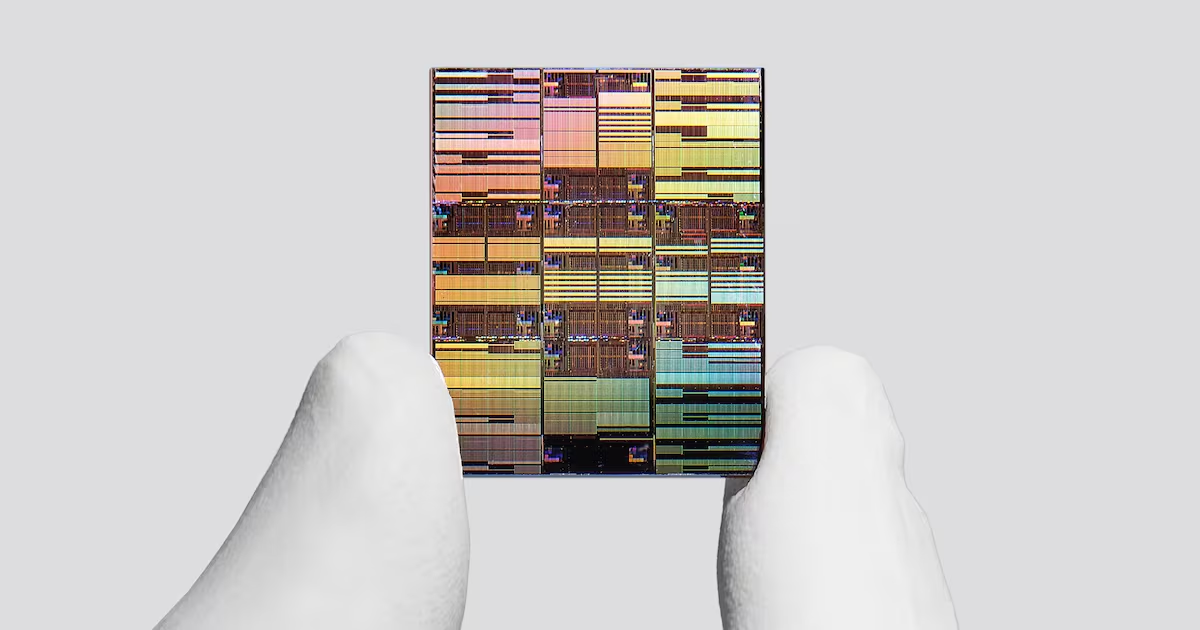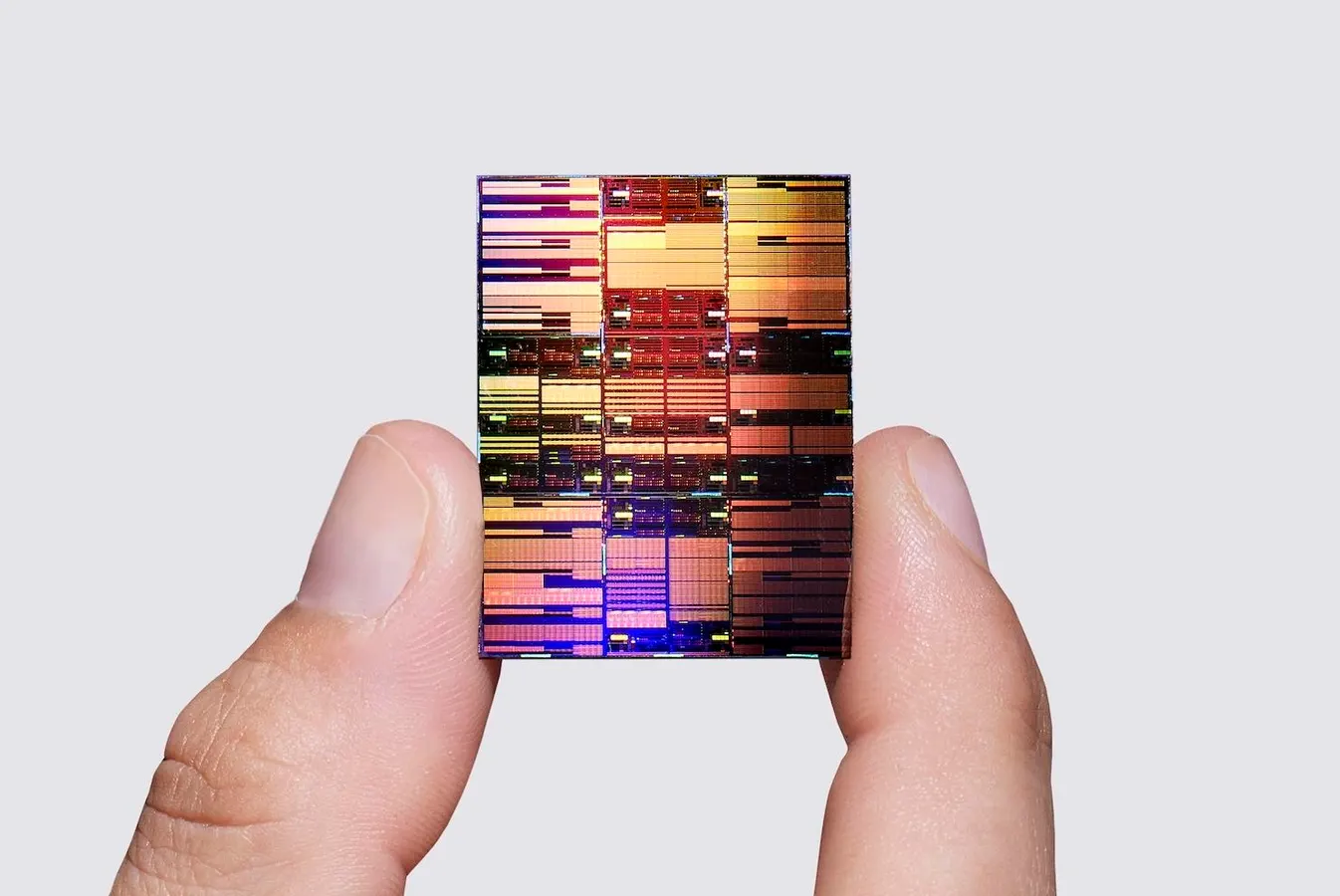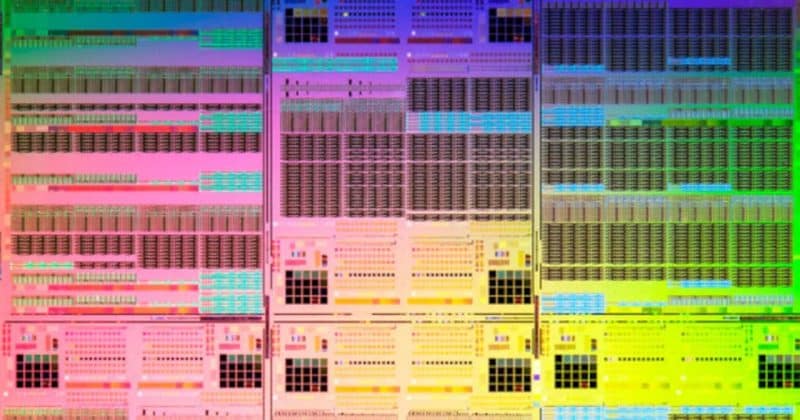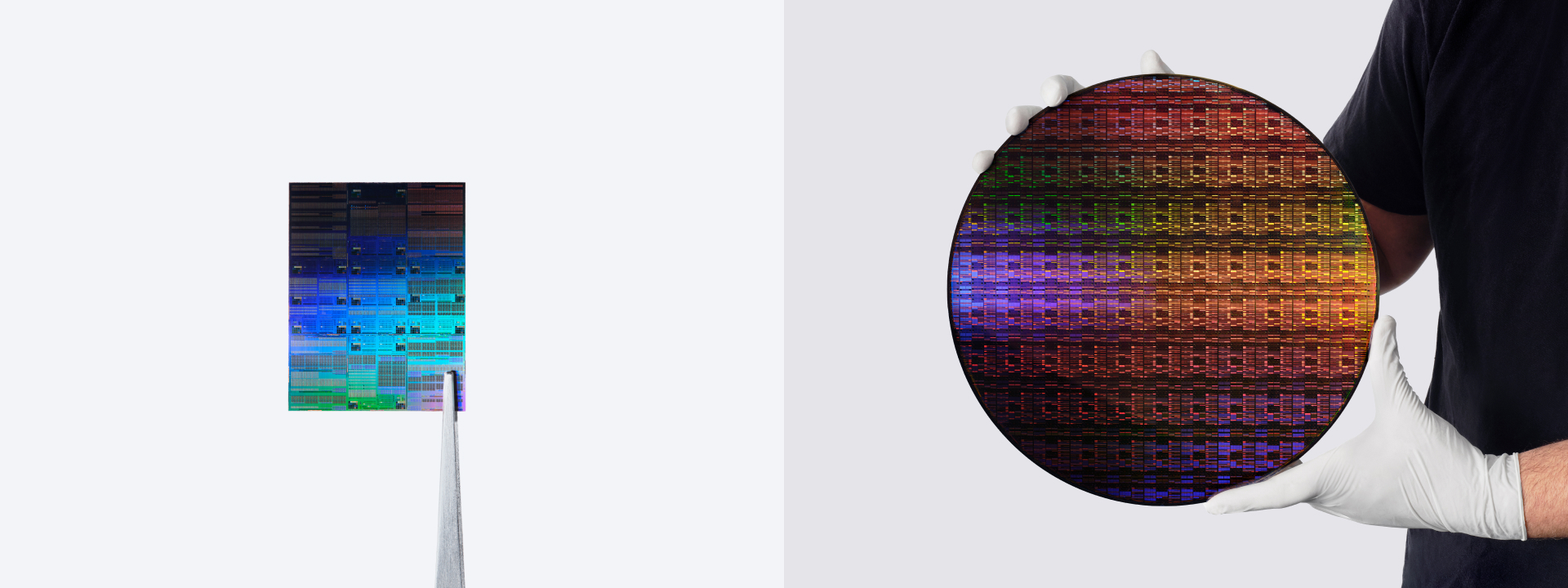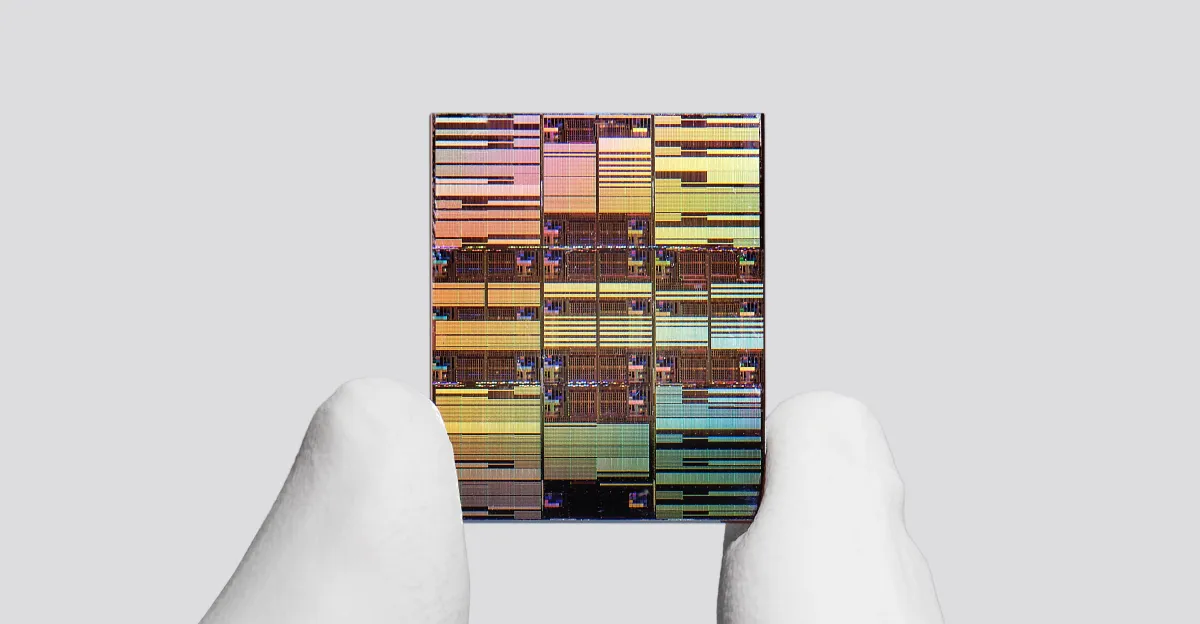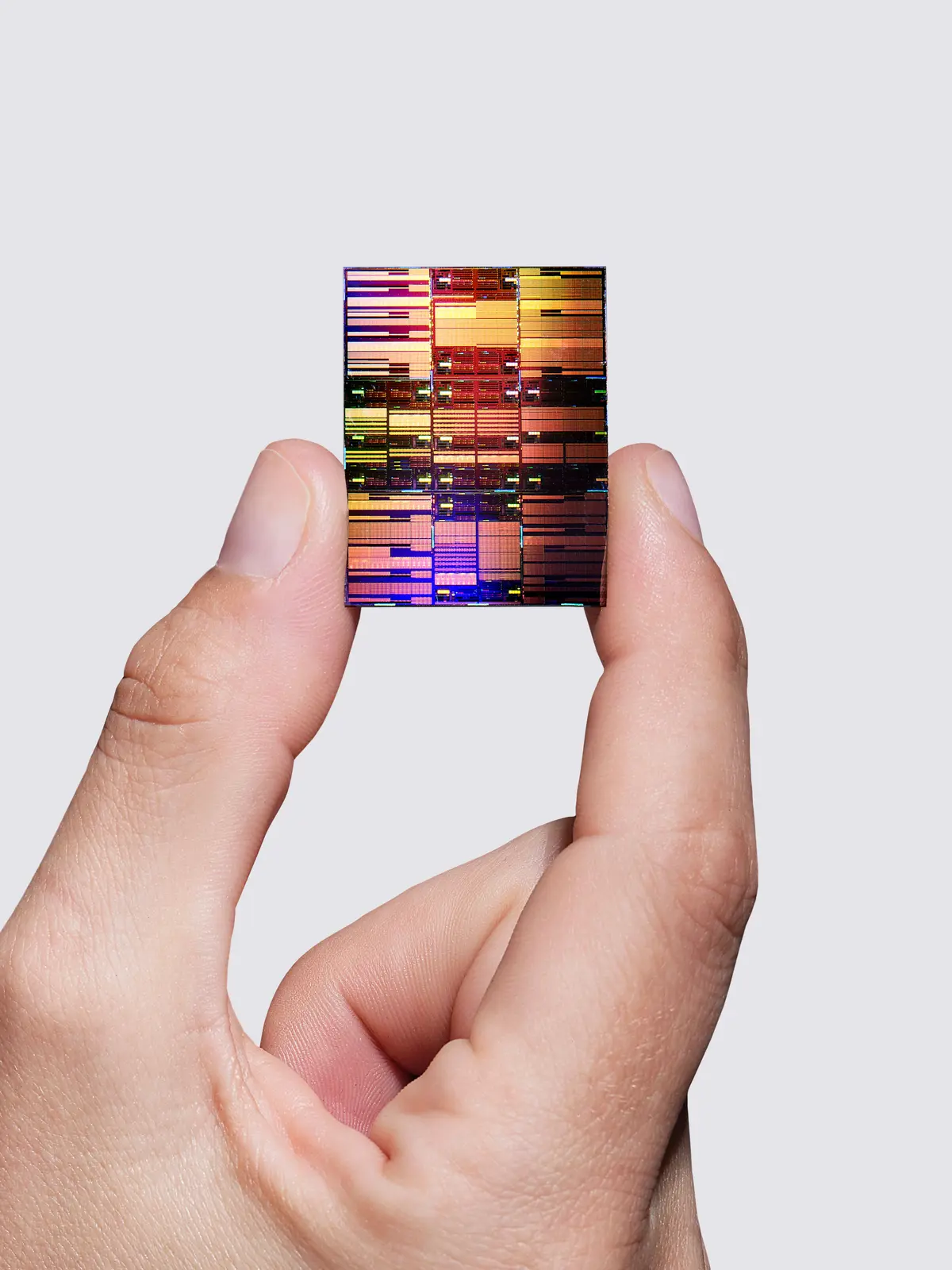
When you boil down the last century of breakthroughs in computing, you’re left with something that almost feels closer to alchemy. We learned to shoot lightning at sand until it could do math. Over the decades, we learned to purify the silicon in the sand and turn it into transistors. Since then, the computers they power have revolutionized every facet of our lives. So much of our modern lives is powered by these infinitesimally small silicon devices that we have managed to shrink in size. The first transistor fit in the palm of your hand, and now the phone in your pocket contains tens of billions of transistors just in its central processor.But as breakthroughs continue, as has the demand for compute power. AI and quantum computing are advancing at breakneck speed, and making us ask new questions of the devices we use.That’s why today, IBM announced it's once again unveiling the smallest, most powerful computer chip technology in the world. These are the first sub-1 nanometer node chips, designed with transistor nodes that are just 0.7 nanometers, or 7 angstroms, wide. That makes them the smallest transistors in the world — by some margin. The team at IBM achieved this feat with several key breakthroughs in wafer bonding, SRAM scaling, and channel material innovation. A TEM, or Transmission Electron Microscope, image of a single node in the 7a new chip architecture.To put this miniscule size into perspective, a human red blood cell is about 7,000 nanometers wide, or about 10,000 times larger than one of these new nodes. In a 7 angstrom chip the size of a fingernail, there are roughly 100 billion transistors. It’s the first time in human history that anyone has been able to pack that many transistors into a space this small.These new IBM sub-1nm chips are 70% more efficient, or 50% more powerful, than the 2 nanometer node chips that IBM first unveiled back in 2021. Before today, those chips were still the smallest process node chips in the world.With these sorts of power gains, the potential for 7 angstrom devices is sky high, with a massive potential impact on the world of AI. Today’s popular AI accelerators can produce about 1,500 TOPS (or trillions of operations per second), and IBM researchers estimate one using 7 angstrom technology could deliver about seven times more, or 7,000 TOPS. If 7 angstrom chips were used to train today’s massive, frontier-model LLMs, we could drastically cut training time from around three months to a couple weeks.But these are just revolutions based on the technologies we use today. These 7 angstrom devices could unlock all sorts of innovations that we haven't even thought of yet. Any task that would benefit from considerably more processing power or energy-efficient chips could be on the table — from future autonomous machines that can do more on their own, to monitoring devices that would have to be recharged far less frequently.
IBM introduces the smallest computer chip in the world
It’s the world’s first sub-1nm chip technology, powered by IBM’s new nanostack architecture, paving the way for more powerful chips for years to come.
1,139 words~5 min read