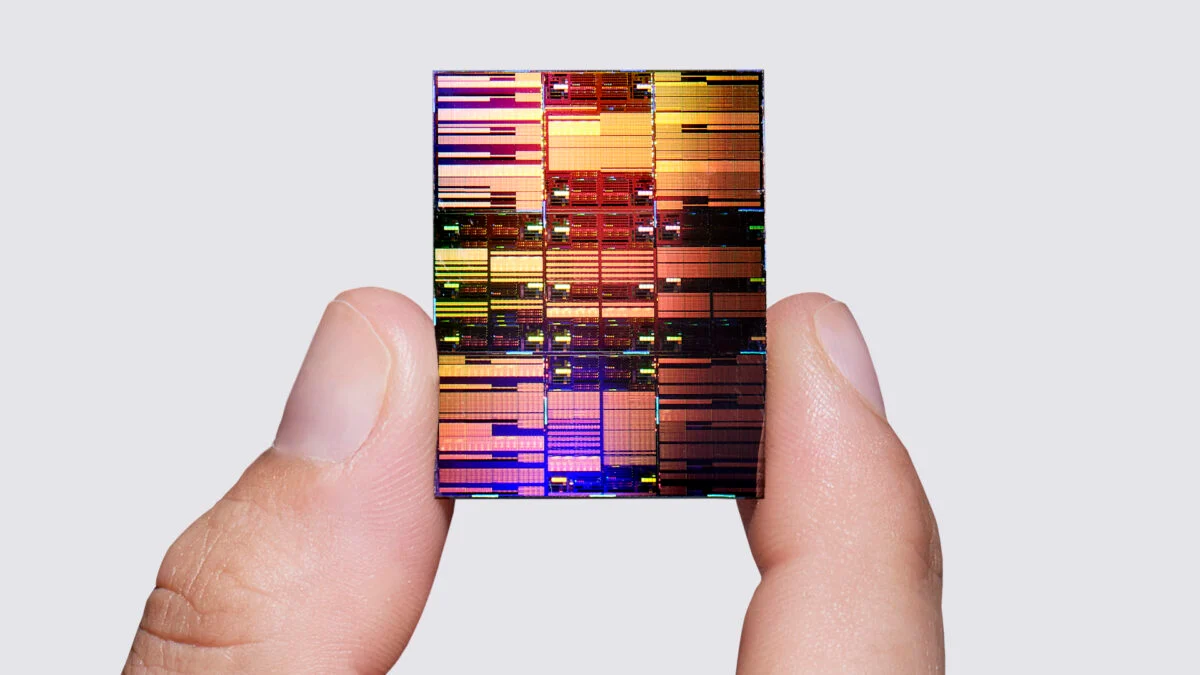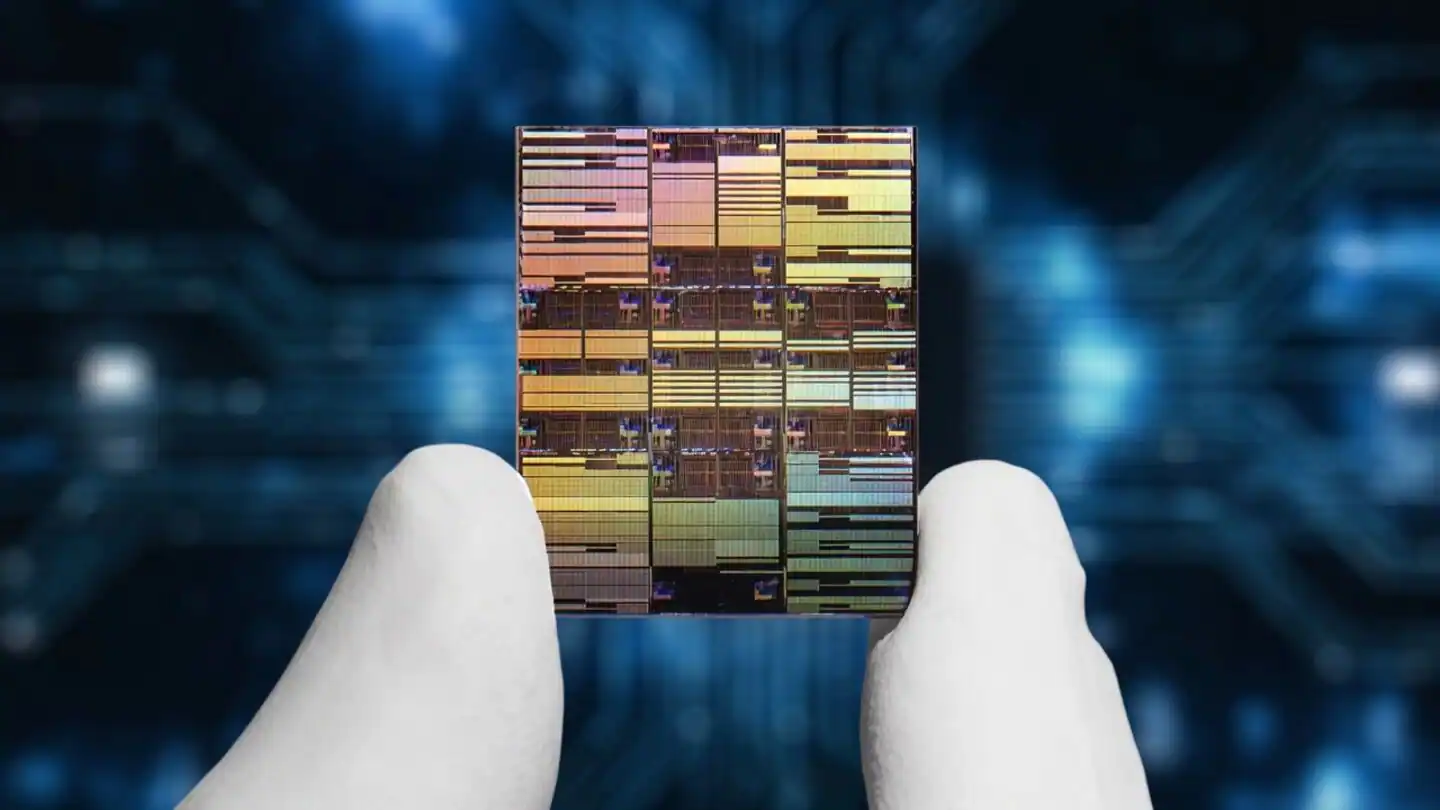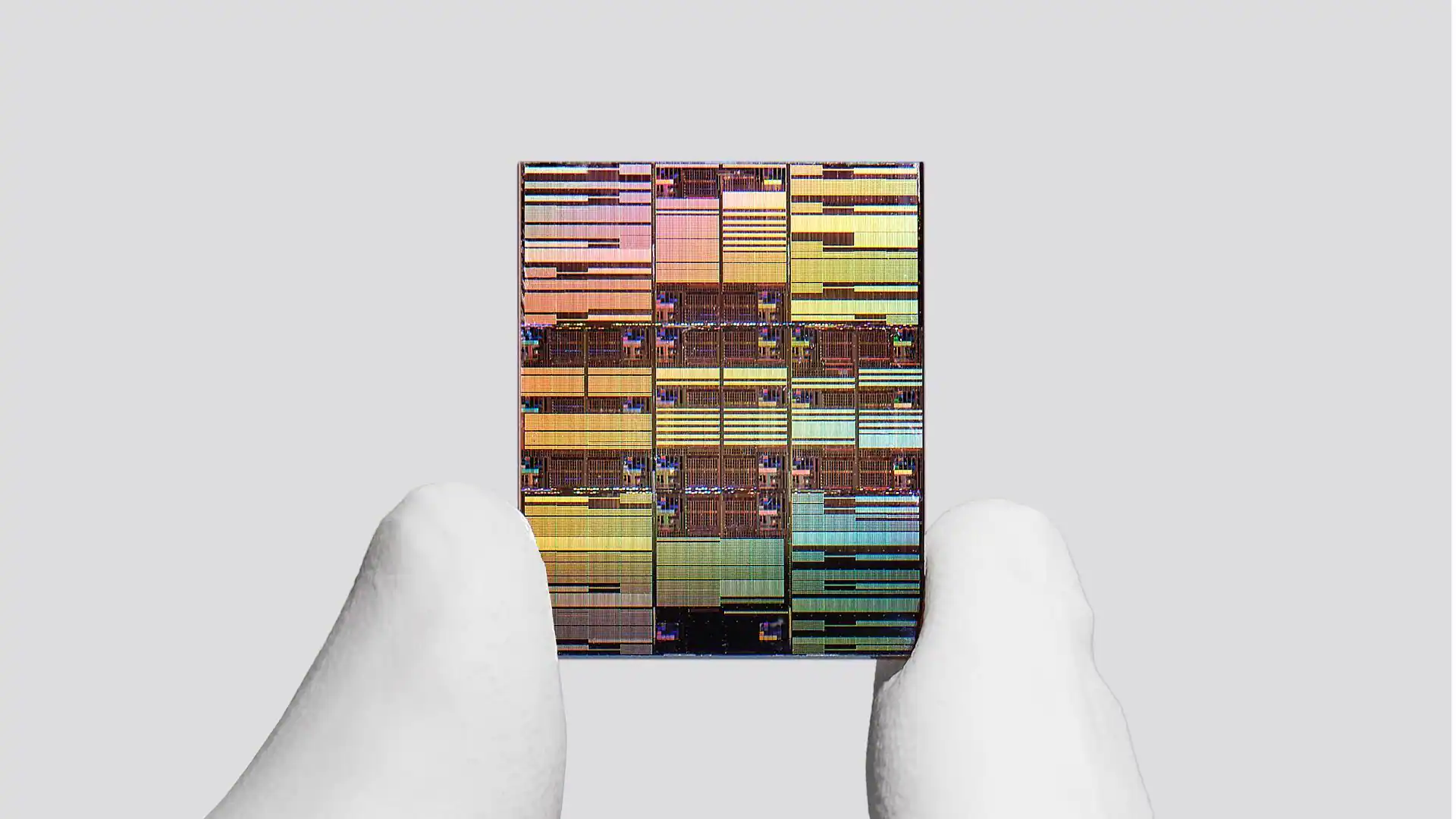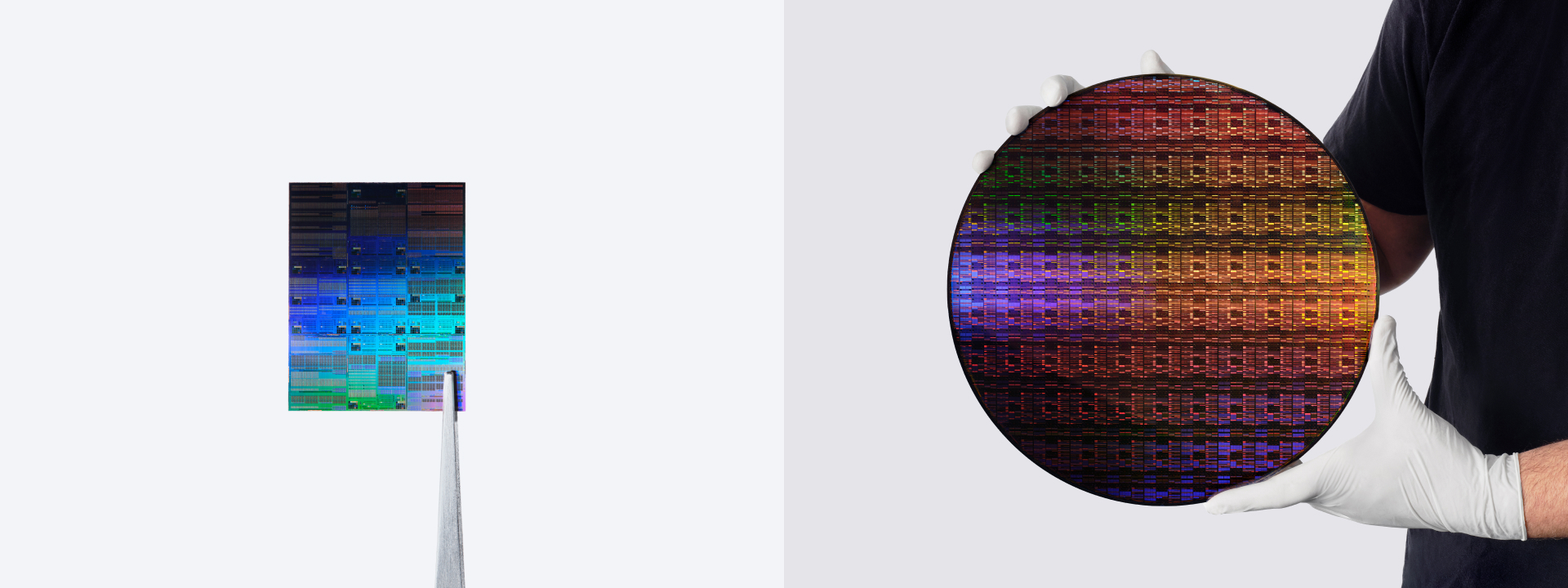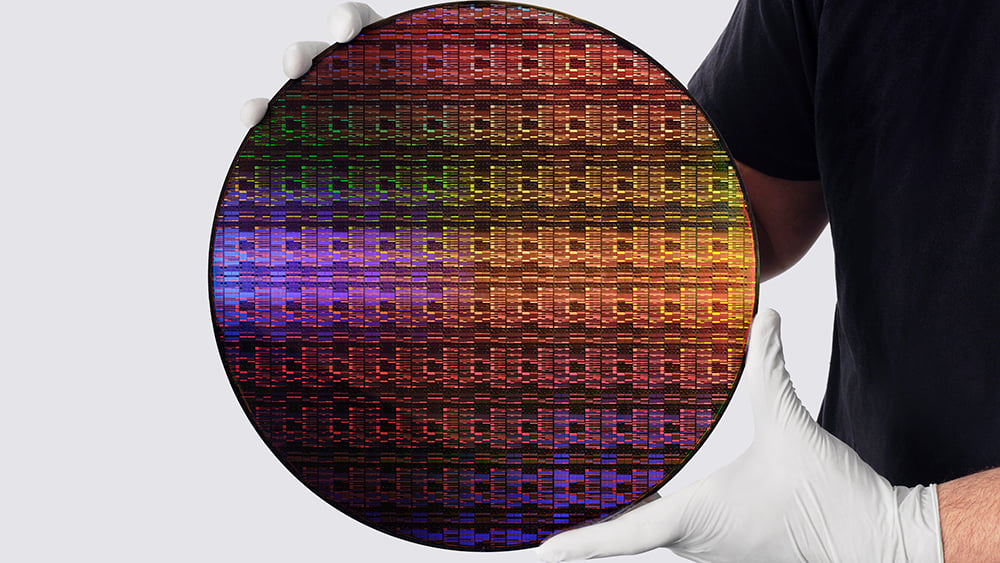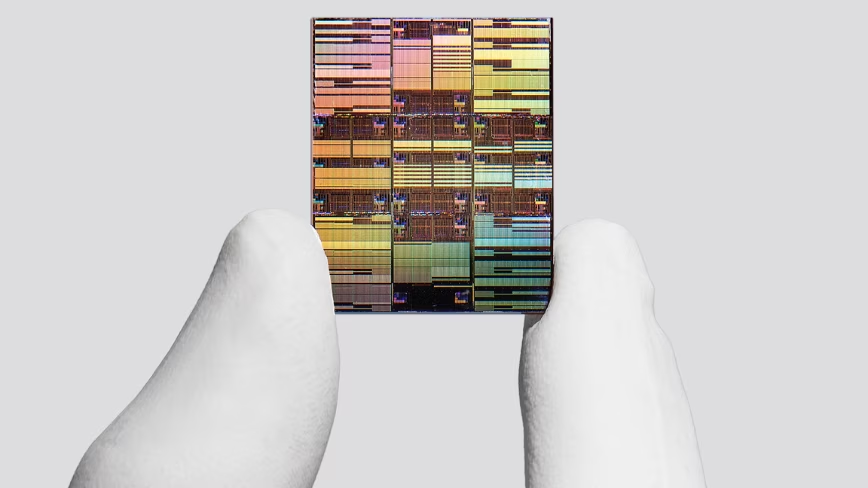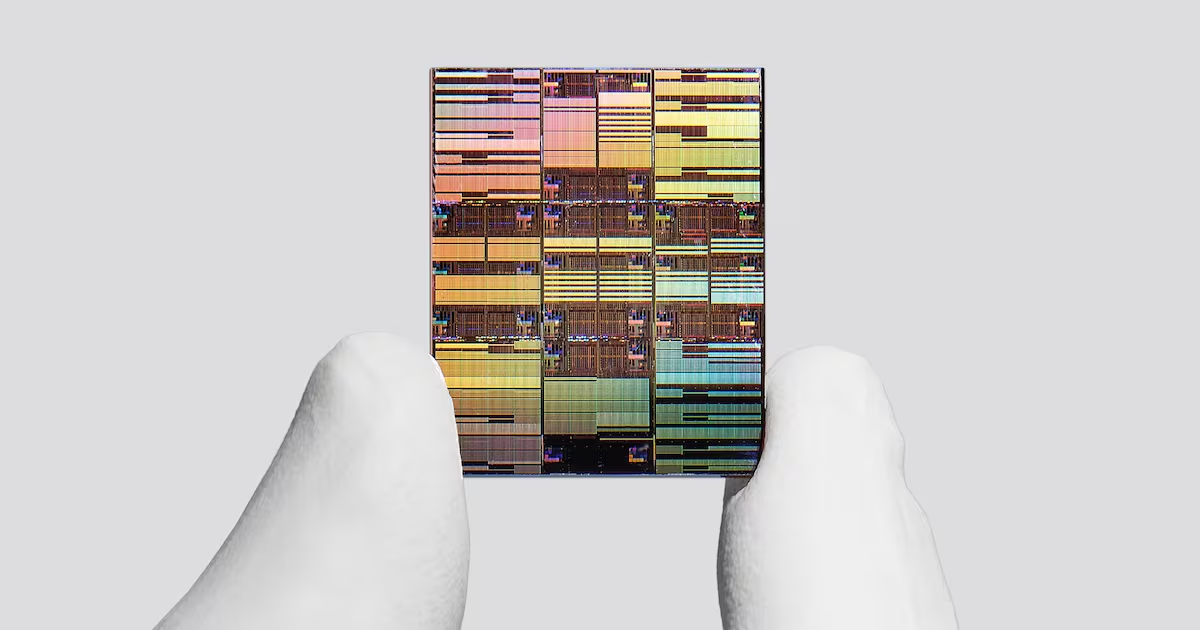
IBM mainframe computers often fill entire rooms, but the company says its latest innovation puts “nearly 100 billion transistors on to a chip the size of a fingernail”. The US technology giant describes its chip technology as revolutionary and says it will be perfect for the demands of the artificial intelligence boom. An announcement from IBM on Thursday unveiled “the world's first sub-1 nanometre chip technology”, adding that it showcases how “continued gains in performance and efficiency remain possible”.Jay Gambetta, director of IBM research, said the chip technology was a significant advance on several levels. “It marks a landmark moment in computing, pushing technology beyond the nanometre era to the scale of atoms,” he explained. “With our new nanostack architecture, we’re not just making smaller transistors, we’re reinventing how chips are built to deliver dramatically more power and energy efficiency.”That push for more efficiency comes as data centres, central to AI expansion, are placing a tremendous burden on energy grids around the world. According to IBM, it expects for the sub-1 nanometre chip technology to go into production within the next five years. IBM's announcement comes weeks after the company turned 115 years old. Widely known as “Big Blue” because of its logo designed by graphic designer Paul Rand, the company has long been synonymous with mainframe computers and office electronics.IBM says its chip announcement was made possible by a 'series of structural and material innovations'InfoIt joined the personal computer boom in 1981, and even tried its hand at selling operating systems such as OS2. IBM, headquartered in Armonk, New York state, sold its personal computer assets to Lenovo, and now focuses on AI cloud computing, consulting, quantum computer hardware and technology research. This is far from the company's first foray into semiconductors. It was part of a strategic alliance in the 1990s with Apple and Motorola that produced the PowerPC semiconductor architecture. Originally known for its mainframe computers, IBM introduced its first PC in 1981. Photo: Computer History MuseumInfoAs AI continues to dominate technology headlines, companies have been working to improve semiconductors to best accommodate the boom. Last year, Microsoft announced the Majorana 1 chip, which it said was made of a material that is not a solid, liquid or gas. “The key thing that we have done over the last couple of years is we have invented a new state of matter,” Zulfi Alam, Microsoft's corporate vice president of quantum computing, said at the time. Over the past decade, Nvidia has pivoted from selling products to enhance computer graphics to focus on chip designs after it noticed the spike in demand during the ascent of AI. ▶Nvidia is now one of the most valuable companies in the world, and its incredibly powerful CPUs and graphics processing unit designs have become synonymous with AI infrastructure buildout. But IBM's launch of its sub-1 nanometre chip shows that it is not keen on sitting on the sidelines. “This industry-first innovation continues IBM’s legacy of leading in next-generation technologies and sets the foundation for the next era of computing,” Mr Gambetta said. IBM's stock rose 4 per cent and reached a price of $268.85 on Friday morning, one day after the chip announcement.
IBM introduces 'first sub-1 nanometre chip' technology | The National
Company says semiconductor will set standard for next era of computing amid AI boom
531 words~2 min read