Cornell researchers have developed a new type of computing device that stores information electrically but reads it through tiny mechanical motion, an unusual approach that could open a path toward more energy-efficient hardware for artificial intelligence and scientific computing.
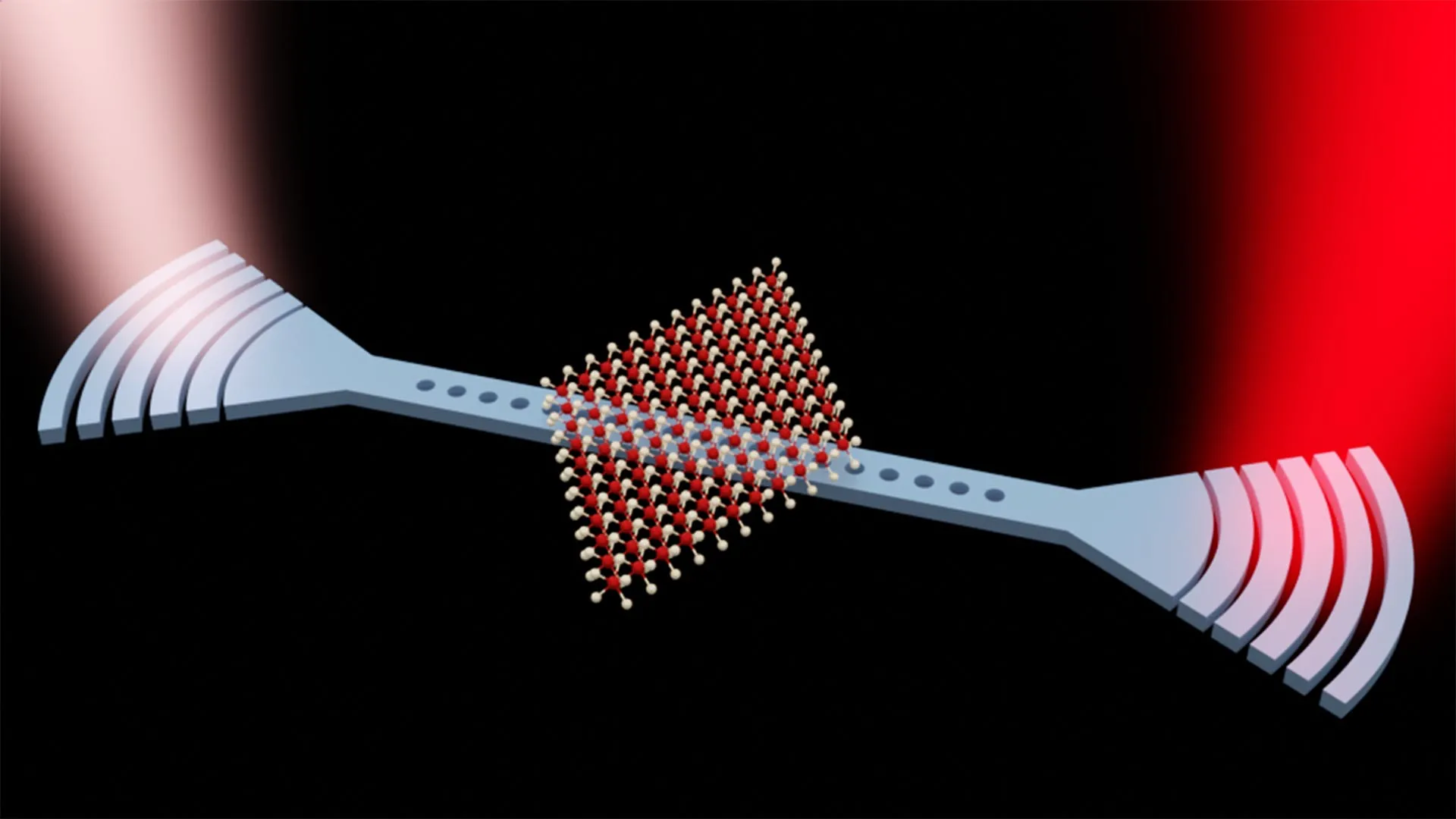
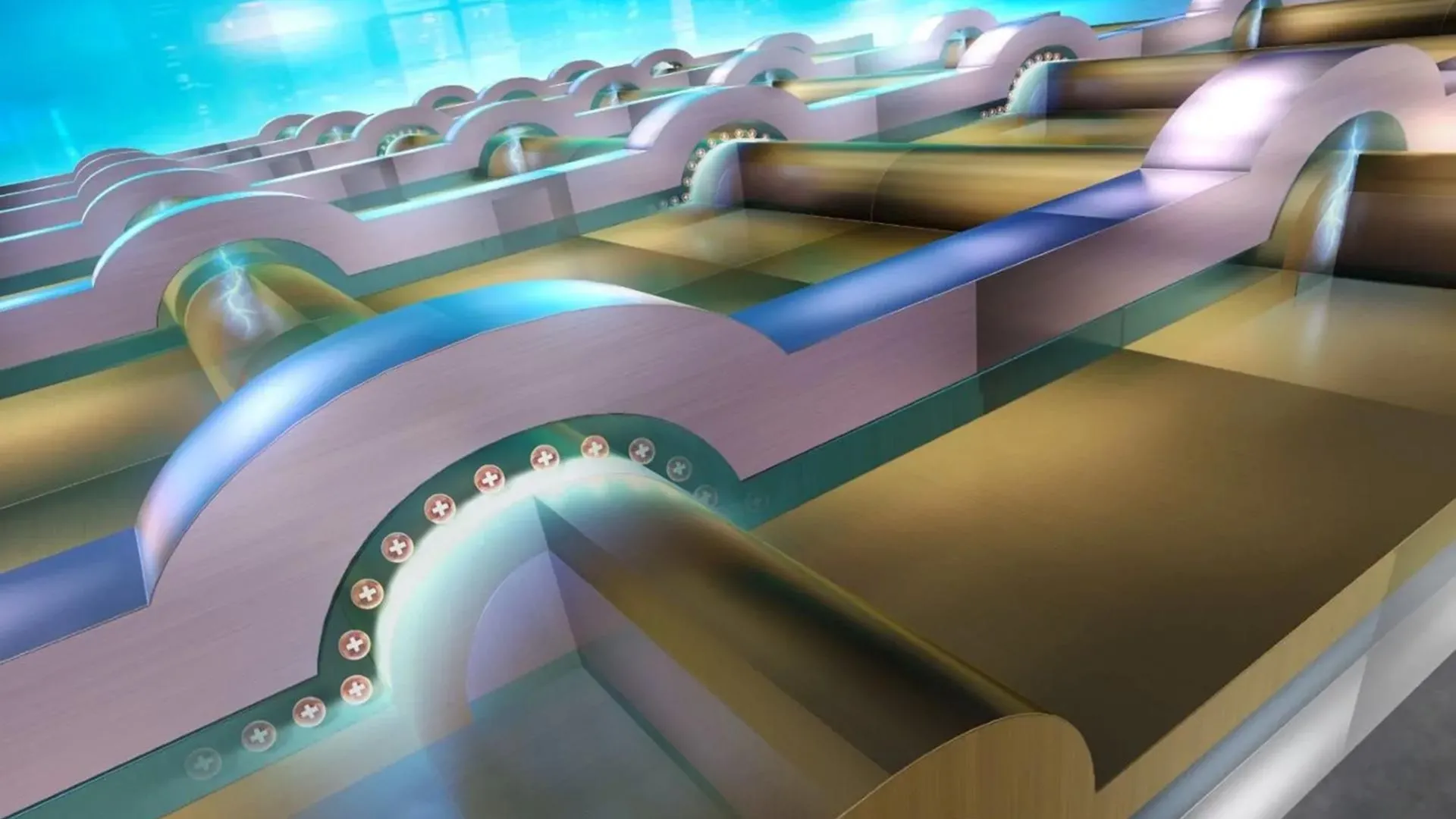
The device, described in the journal Nano Letters in April, combines ferroelectric materials with a microscopic vibrating beam, allowing stored analog information to be accessed without relying on conventional electrical readout. It is designed for neuromorphic computing, a brain-inspired approach to information processing, as well as broader analog in-memory computing, where memory and computation are closely integrated.
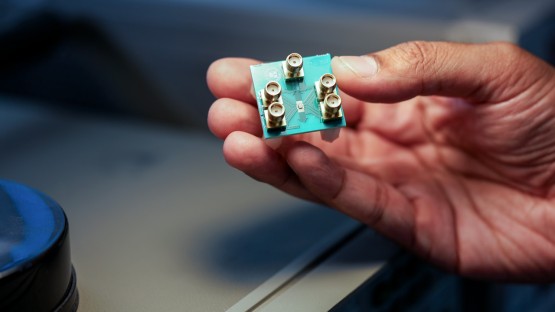
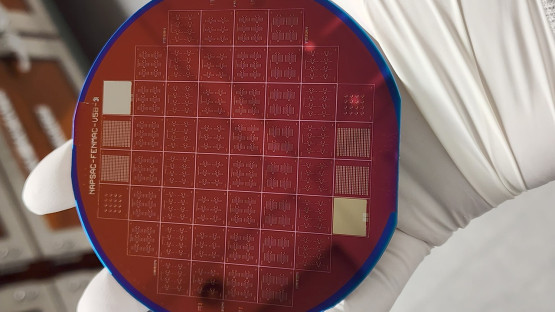
A prototype ferroelectric nanoelectromechanical multiply and accumulate computer array chip fabricated at Cornell contains multiple FeMEMS devices arranged to work together with the eventual goal of performing energy-efficient AI computations.
“Today’s computers are extremely powerful, but they usually separate memory from computation,” said doctoral student Shubham Jadhav, who led the research along with Amit Lal, the Robert M. Scharf 1977 Professor in the School of Electrical and Computer Engineering at the Cornell Duffield College of Engineering. “For AI and scientific computing, that means the system spends a lot of time and energy simply moving numbers around. We are asking whether the material itself can store a value and help compute with it at the same time.”