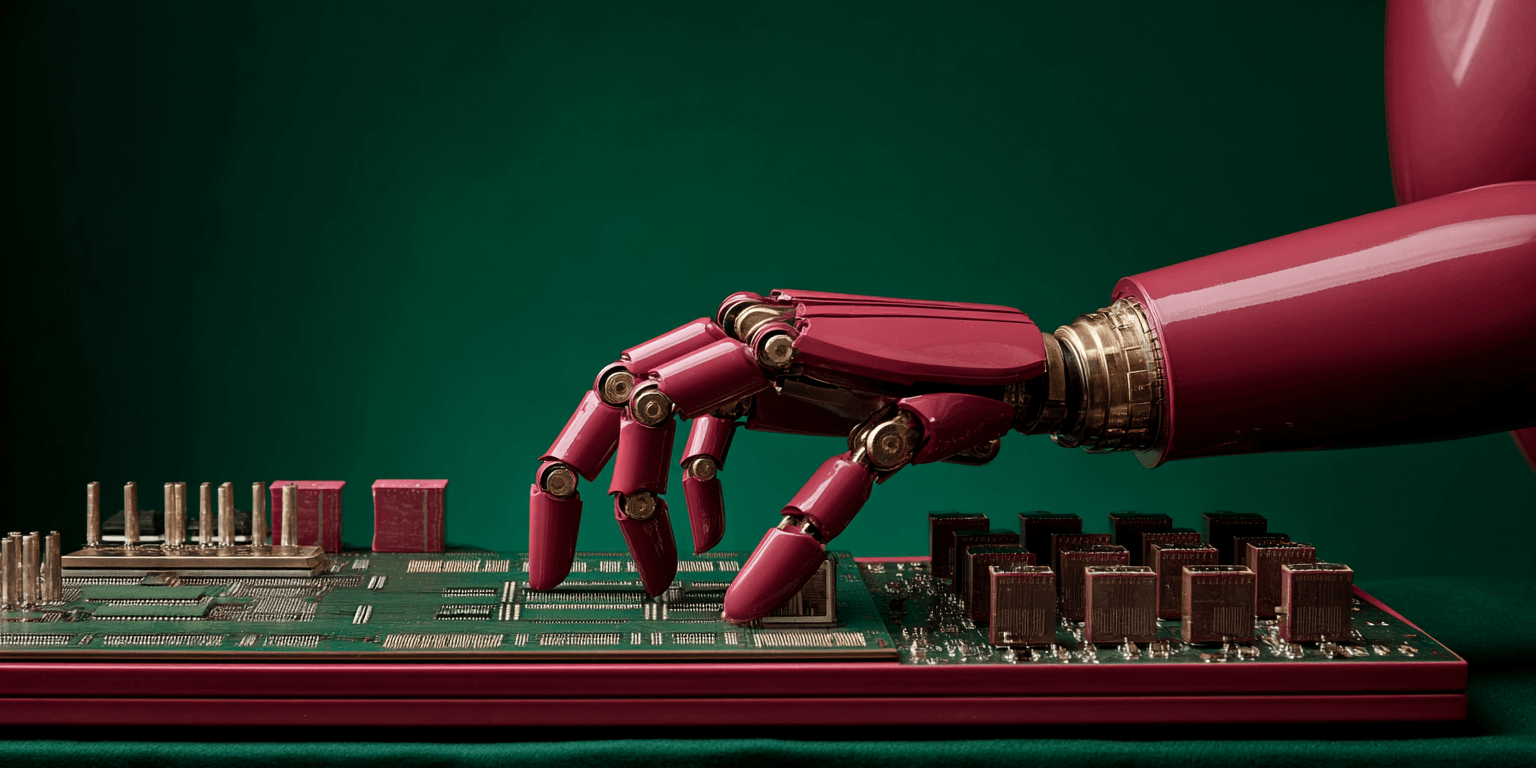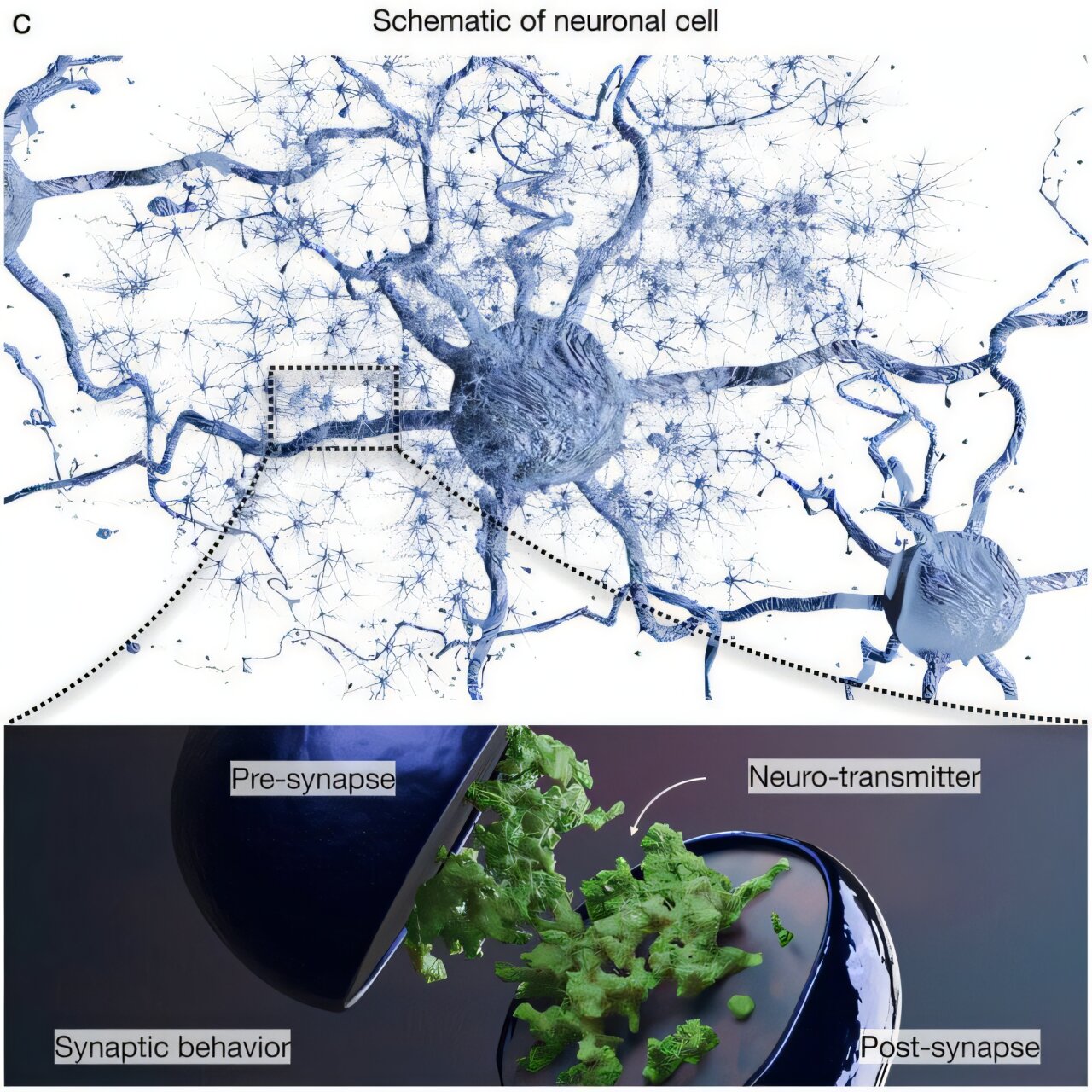
The brain does not wait for instructions. It senses the world, finds patterns, and learns from them in real time, without a power cord, a processor, or a data center. Building hardware that works the same way has been one of the hardest unsolved problems in computing. Most attempts have required bulky digital circuits, external processors, and a steady power supply. The result is systems that are too large, too slow, and too energy-hungry to work in remote or miniaturized settings.
A team at the University of Southern California has built something that works the way the brain does.
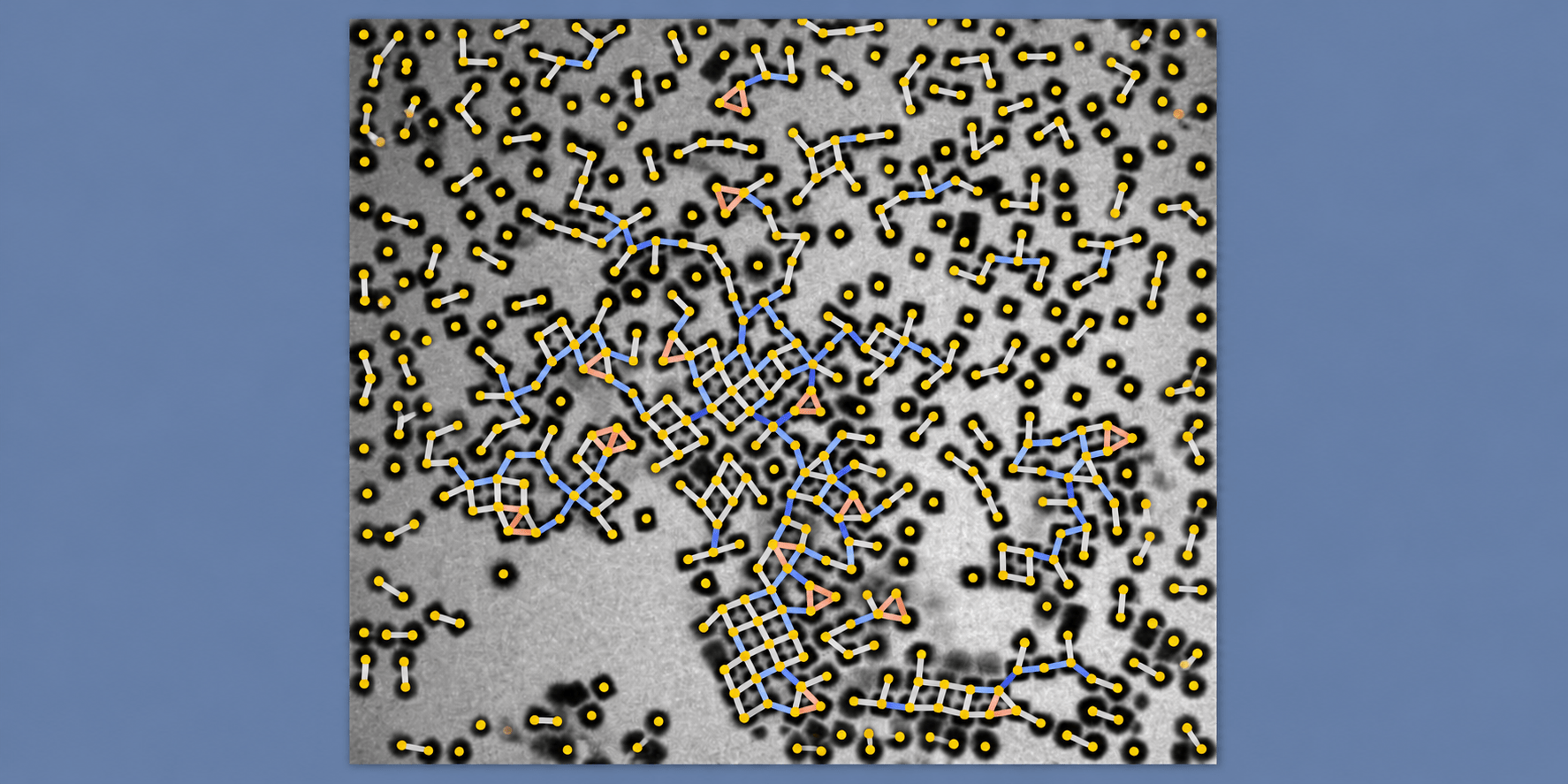
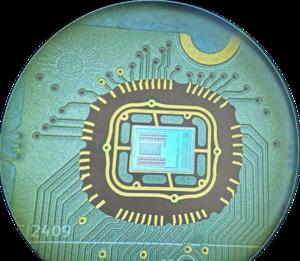
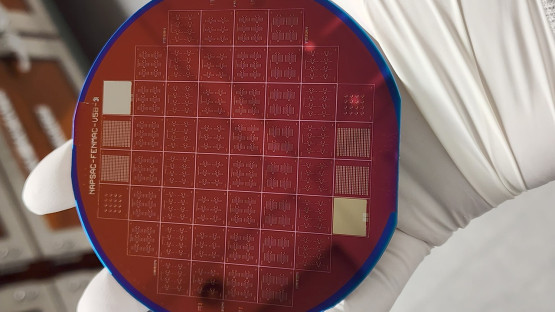
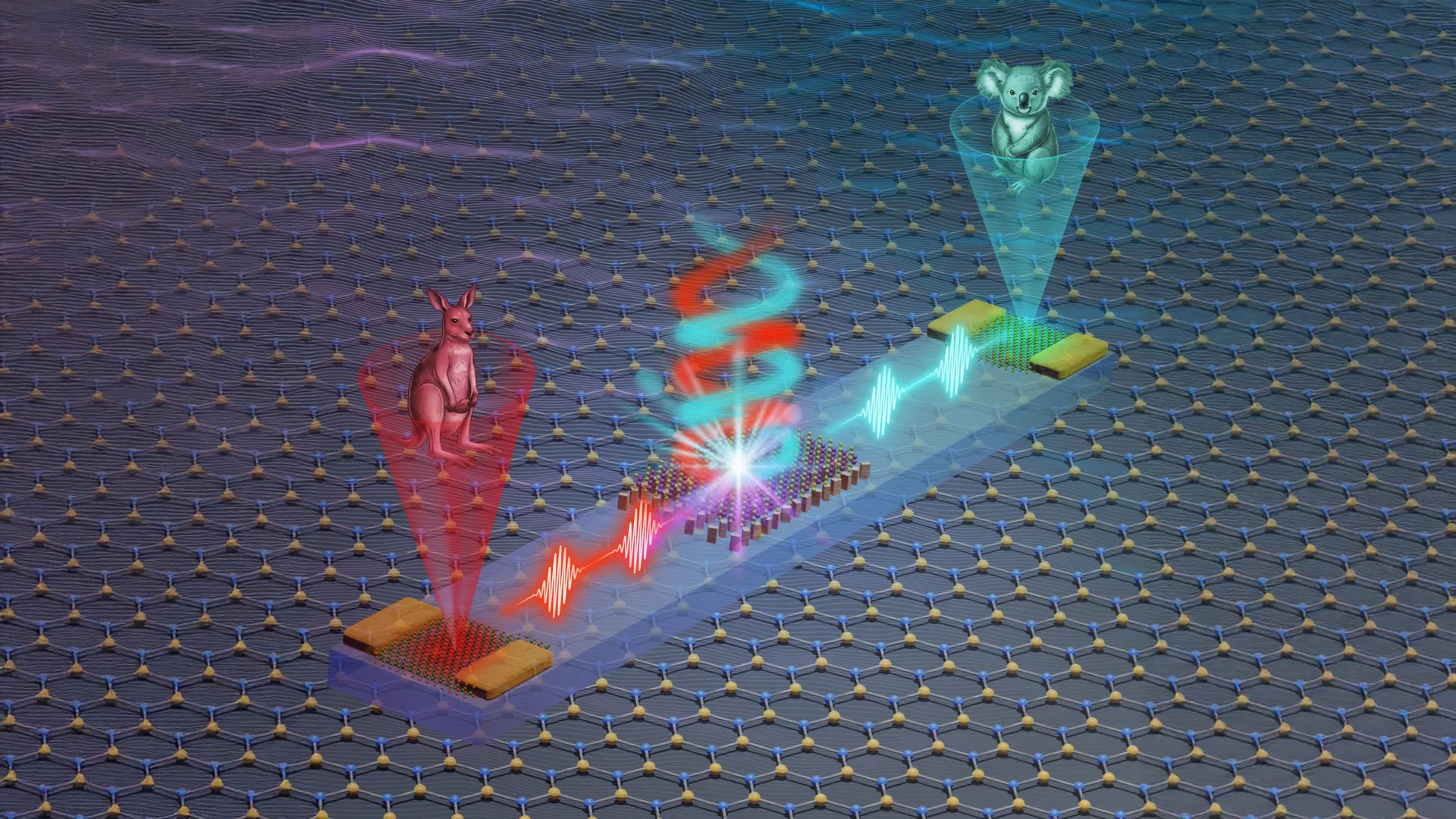
In a study published as the cover story of the new issue in Nature Sensors, researchers from the Ming Hsieh Department of Electrical and Computer Engineering at the USC Viterbi School of Engineering and the USC Stevens School of Computing and AI report a fully analog, self-powered neuromorphic system that can sense the physical world, learn from it, and make decisions, all on a circuit board the size of a coin, powered by nothing external. The work was supervised by Professor J. Joshua Yang, with postdoctoral researcher Seung Ju Kim as first author.
The implications reach far beyond the lab. A device that needs no battery and no connection to a network could be scattered across wildfire-prone terrain to detect lightning strikes. It could be embedded in smart glasses that process the world around them without ever connecting to a phone. It could be sent into space or dropped into the deep ocean and left to learn on its own, in places where recharging is impossible and sending data home takes too long to be useful.