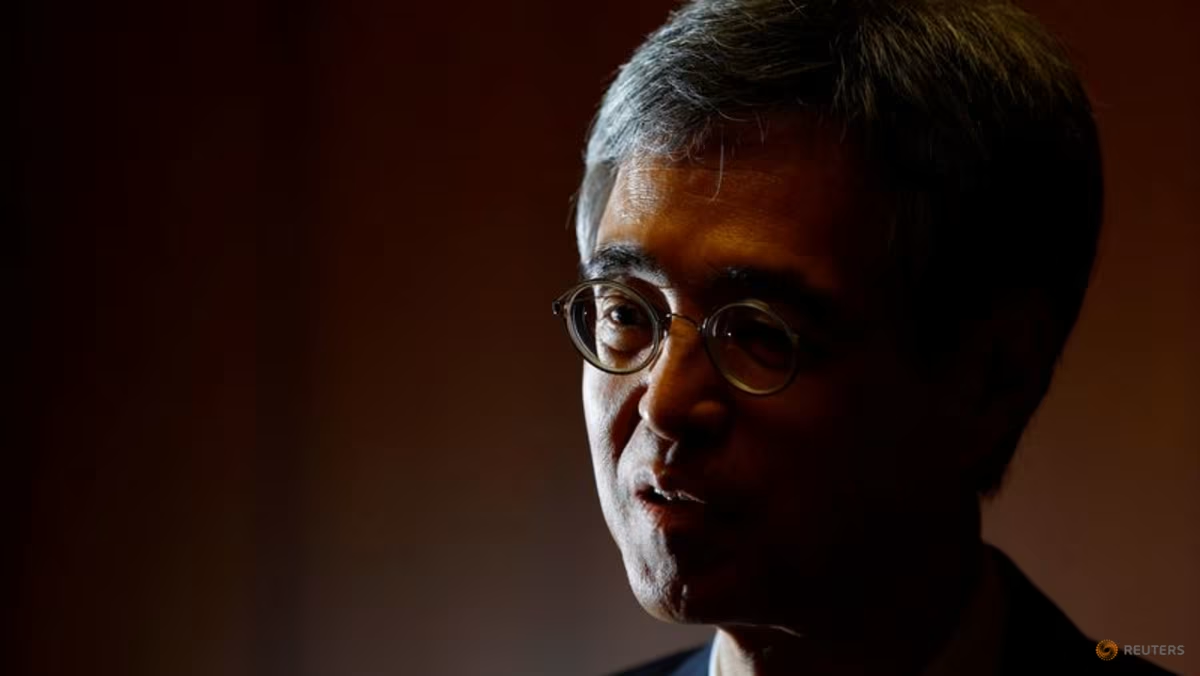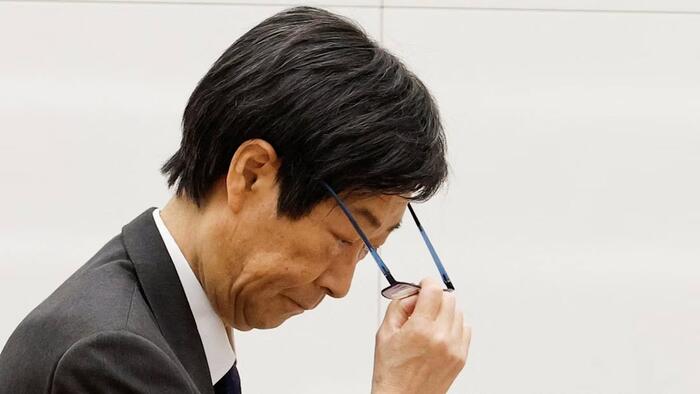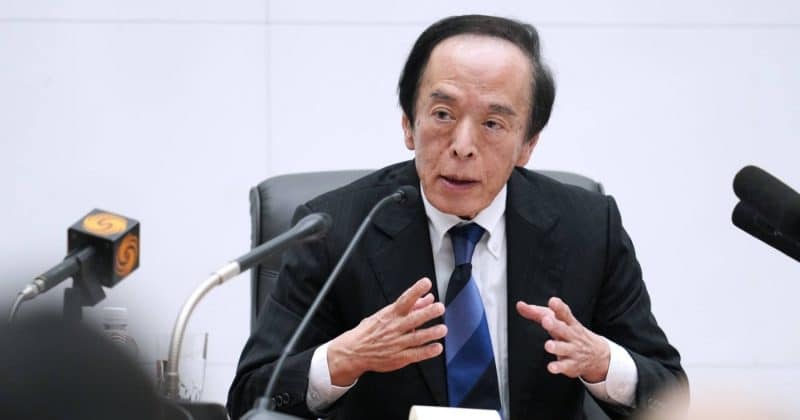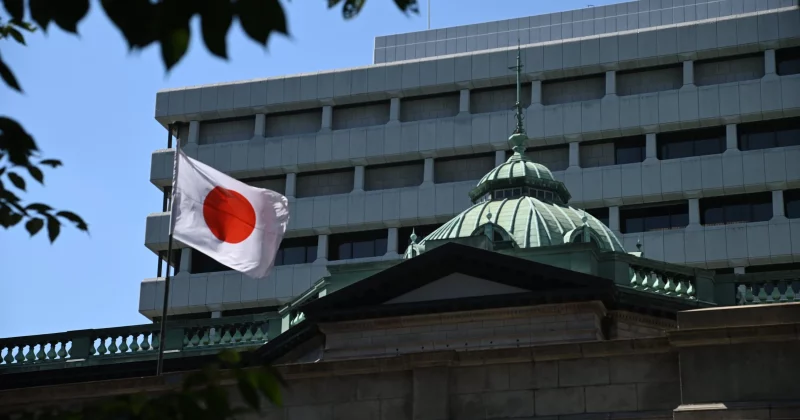
Shinichi Uchida, the Bank of Japan’s deputy governor, delivered a message that sounds simple but carries enormous weight: monetary policy doesn’t control the currency, but currency movements still feed directly into inflation.
The BOJ raised its policy interest rate to 1% during its June 2026 meeting, the highest level in nearly three decades. After years of ultra-loose monetary policy, Uchida’s remarks about currency dynamics add another layer of complexity to an already evolving policy landscape.
The yen-inflation pipeline
Recent BOJ assessments indicate that exchange rate developments are now more likely to affect consumer prices because companies have become increasingly willing to pass costs through to their customers.
Back in 2024, Uchida made similar observations from the opposite direction. At that time, he highlighted how a stronger yen was reducing inflationary pressures from import prices. The logic works both ways: yen strength suppresses import-driven inflation, yen weakness amplifies it.