50 MIN(s) ago
31 MIN(s) ago
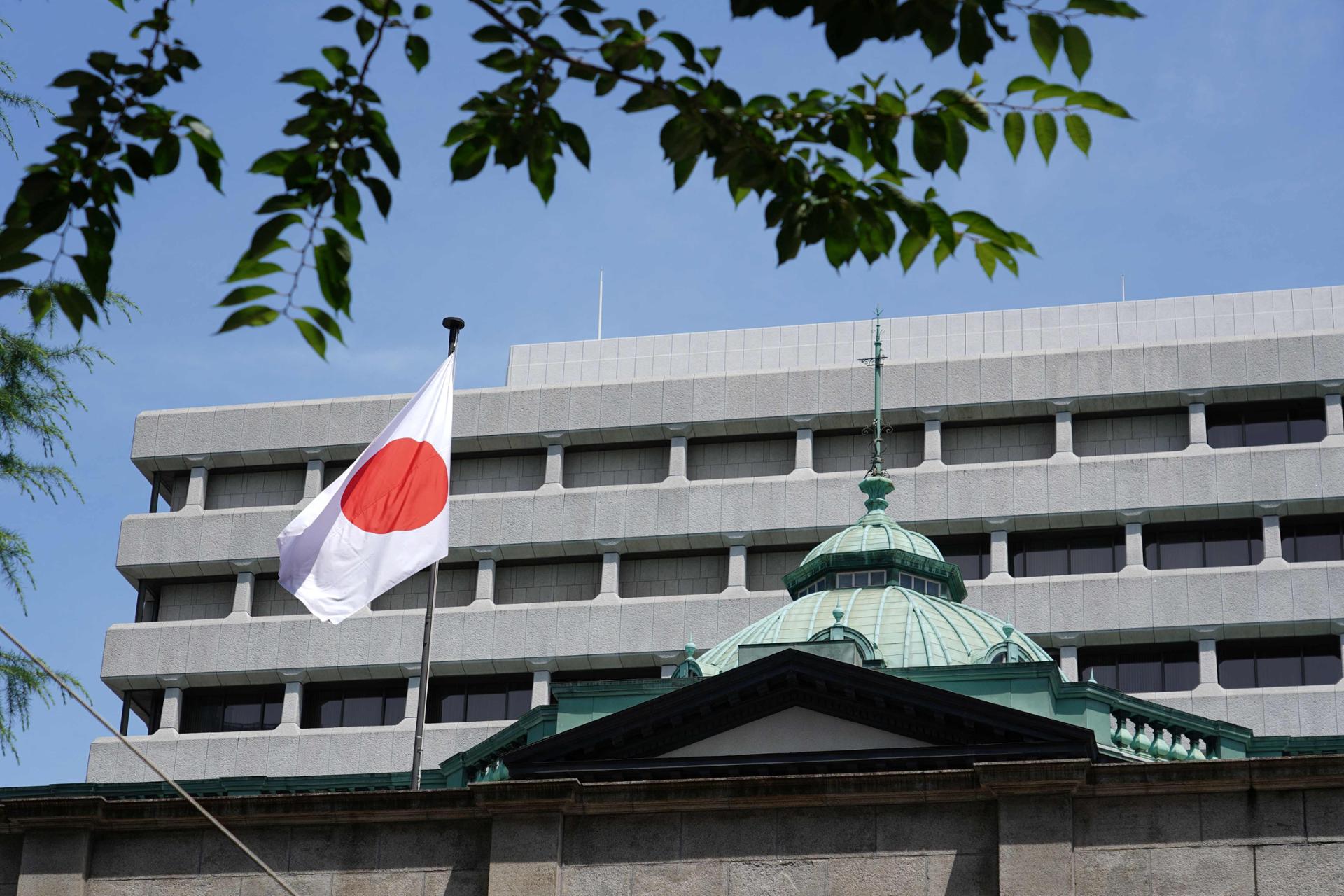
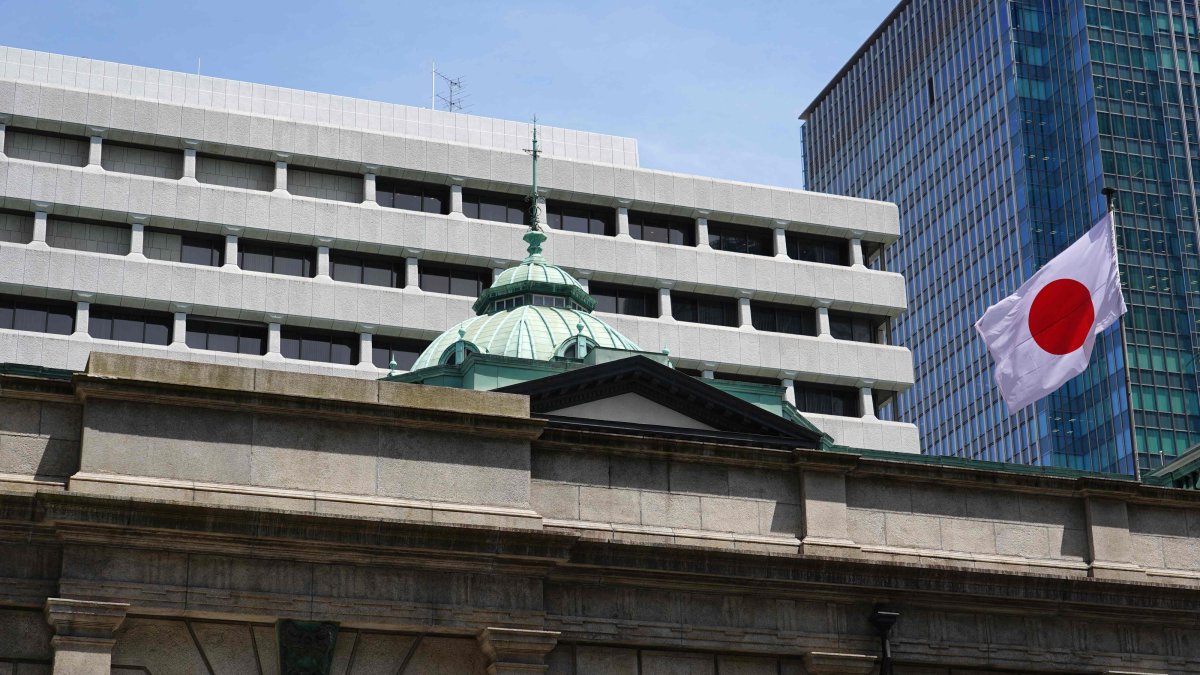
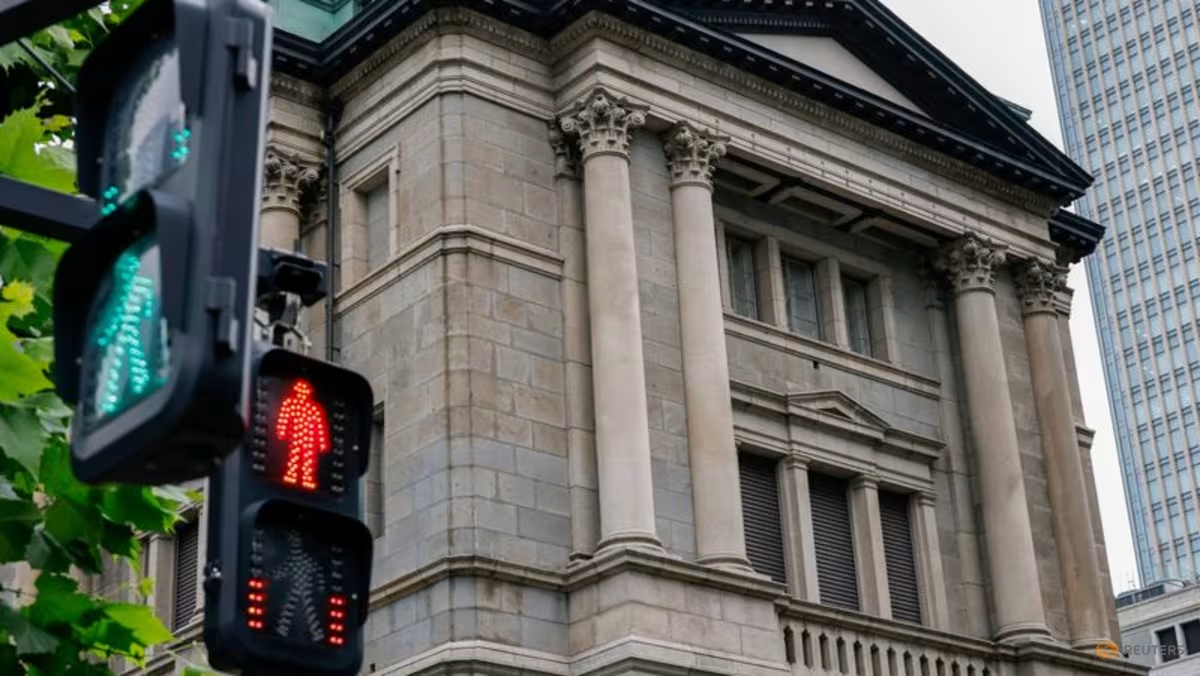
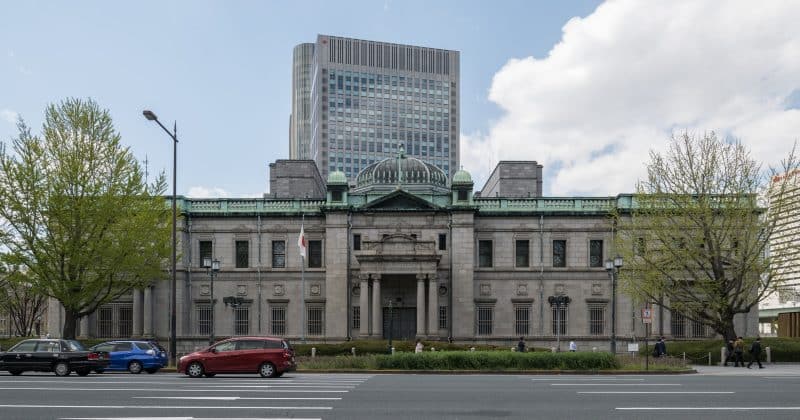
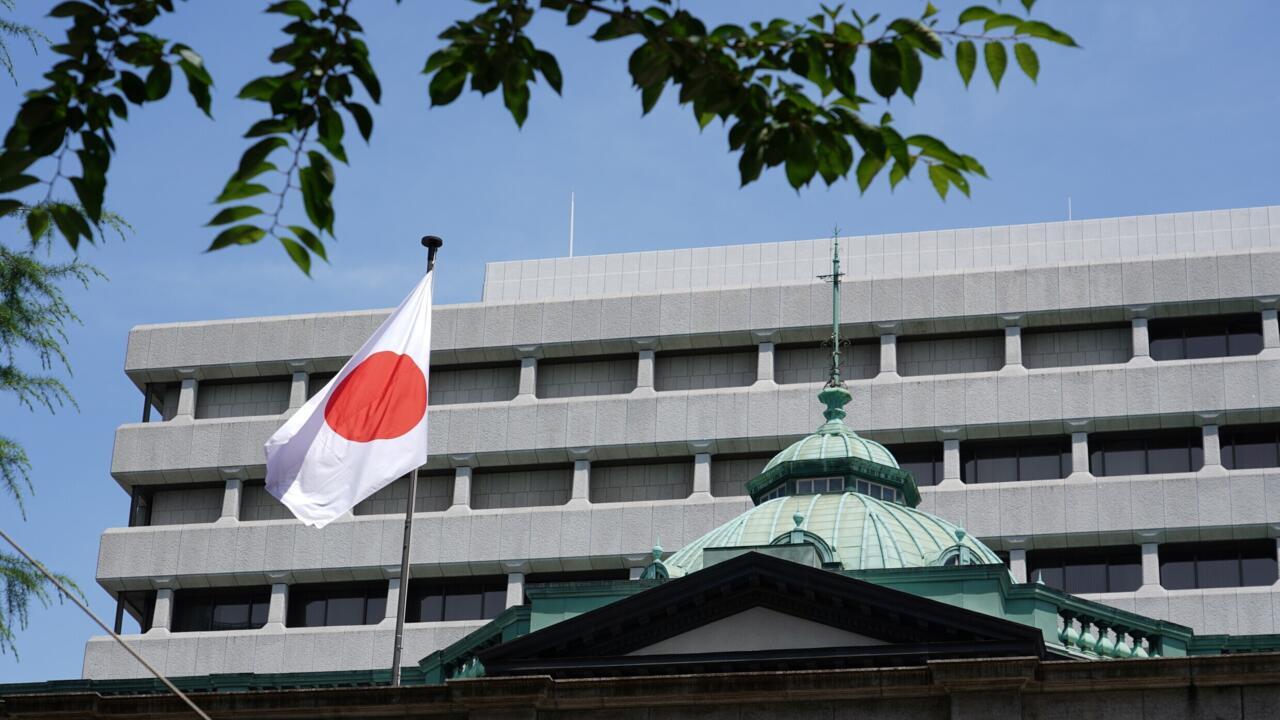
A Japanese flag flutters atop the Bank of Japan building in Tokyo. Photo: Reuters/file
The Bank of Japan lifted its key policy rate to a 31-year high of 1.0 percent on Tuesday, warning of the risk of heightening inflation risks stemming from elevated crude oil prices due to the Middle East conflict and the weak yen.The central bank, in the absence of Governor Kazuo Ueda who has been hospitalized for medical treatment, raised the short-term interest rate from 0.75 percent in its first hike since December, saying that the recent U.S.-Iran agreement to end the war is a positive development but still leaves uncertainties over the economy. The bank’s rate hike after keeping it steady at the three previous meetings brings its policy back on a normalization track after a decade of unorthodox easing that ended in March 2024.The BOJ said in its statement that there is a risk of underlying inflation rising above its target of 2 percent as rises in crude oil prices lead companies to hike prices in business-to-business transactions “at a relatively fast pace,” which could “spread to an increase in consumer prices across a wide range of items.”BOJ Deputy Governor Shinichi Uchida told a post-meeting press conference that the bank will continue to raise the rate to stabilize inflation at around the 2 percent target, judging that even after the latest hike financial conditions remain accommodative.Uchida said that one of the major reasons behind the rate hike decision is reduced risks to the economy due to factors such as government measures to secure alternative sources of raw materials including imports of oil from regions other than the Middle East.Uchida also said that the bank is watching currency moves carefully. On Tuesday afternoon in Tokyo, the U.S. dollar was trading above the 160 yen line, the level where the Japanese financial authorities intervened in the currency market just over a month ago to support the yen.“We do not target specific exchange rates in guiding our monetary policy, but we engage in policy discussions on the view that currency moves have a crucial impact on economic and price developments,” he said.Among the remaining eight policymakers excluding Ueda who discussed the policy change, the rate hike decision was opposed by Toichiro Asada, who joined the Policy Board in April and is viewed by the market as a proponent of reflationary policies and in favor of aggressive monetary easing.In another policy change, the bank said it will pause the plan to reduce Japanese government bond purchases from the next fiscal year starting in April, at a time when long-term interest rates have been rising rapidly.It will keep the current pace of reducing monthly purchases by about 200 billion yen every quarter for rest of this fiscal year, which would result in buying of around 2.1 trillion yen ($13 billion) per month in the last quarter of fiscal 2026.But from April 2027 onwards, the bank will no longer reduce but steadily buy about 2 trillion yen a month under the new plan, citing the need to stabilize the bond market.The BOJ decided in July 2024 to cut back its monthly government bond purchases as part of its efforts to normalize its monetary policy.While raising the key policy rate could cool the economy by increasing borrowing costs for companies, restraining investment and dampening private spending, the central bank saw the need to respond to inflation risks following the launch of U.S.-Israeli attacks on Iran in late February and subsequent surges in crude oil prices.The yen repeatedly falling to the 160 zone against the dollar, despite the Japanese authorities intervening in the currency market from late April to early May to curb the unit’s fall, has also stoked concerns about rising import costs for resource-poor Japan.Even if the U.S.-Iran conflict ends following the two countries’ agreement to end the monthslong war, shipping through the Strait of Hormuz may not immediately stabilize, keeping transport, raw material and other costs elevated, analysts said.But the agreement will relieve fears of disruptions in Japan’s supply chains, serving to reinforce the view that the economy is resilient enough to withstand further rate hikes, they said.The decision to raise the rate puts the BOJ in line with other central banks shifting toward tightening of monetary policy amid inflationary pressures, such as the European Central Bank, which hiked its rate last week.The two-day policy meeting was chaired by BOJ Deputy Governor Ryozo Himino, after Ueda was hospitalized to treat a hepatic cyst infection. Ueda’s hospitalization is “short and there will be no significant impact” on the BOJ’s steering of monetary policy, Uchida said.Inflation risks have been flagged after Japan’s wholesale prices rose 6.3 percent in May compared to a year earlier -- the biggest increase in over three years. Firms are increasingly passing on rising costs from the war in Iran to the prices of their goods and services.The data suggested that core consumer inflation may also accelerate, although it has been kept below the bank’s 2 percent target because of government subsidies for electricity, gas and gasoline, the analysts said.