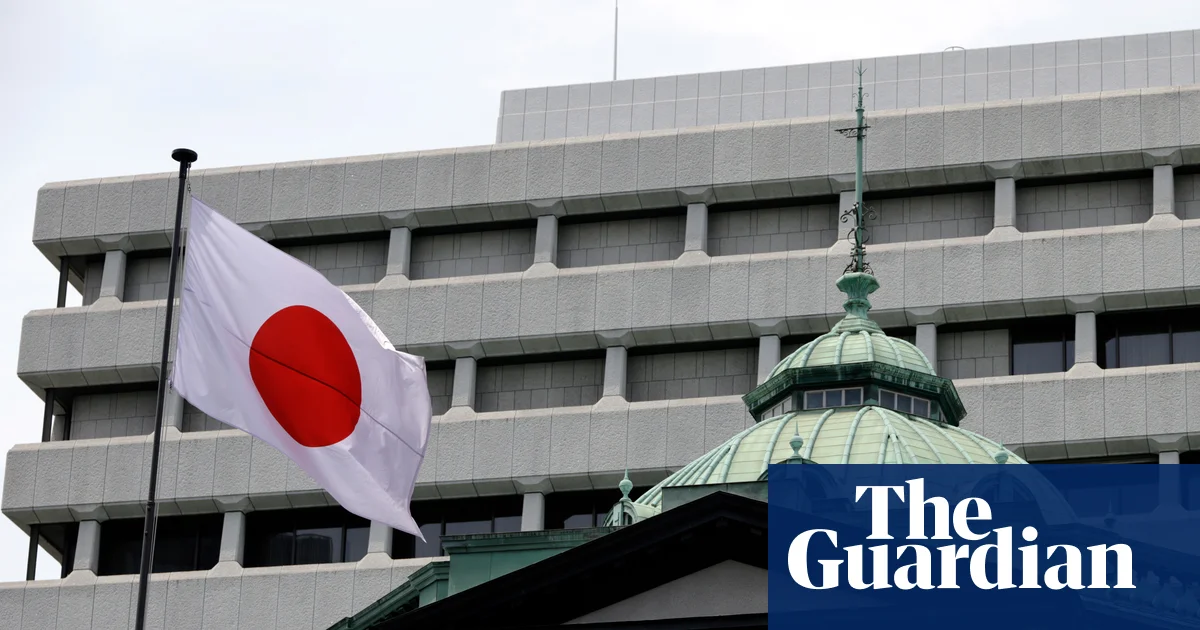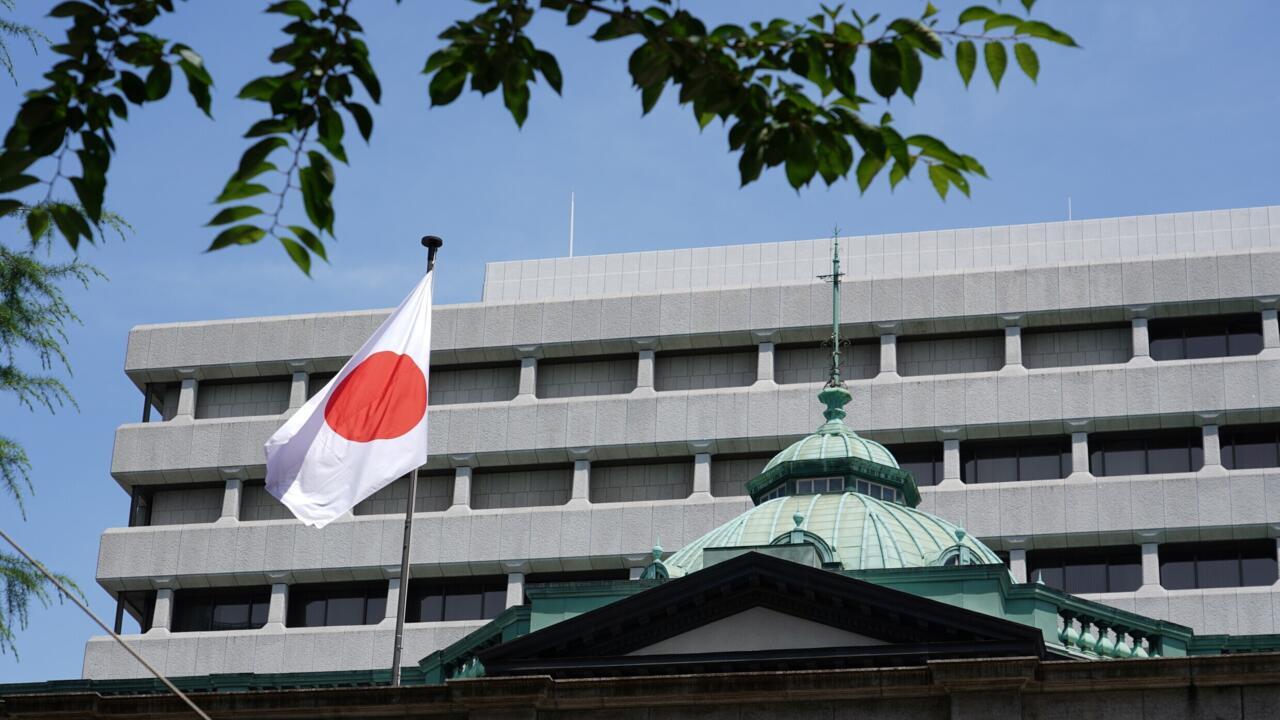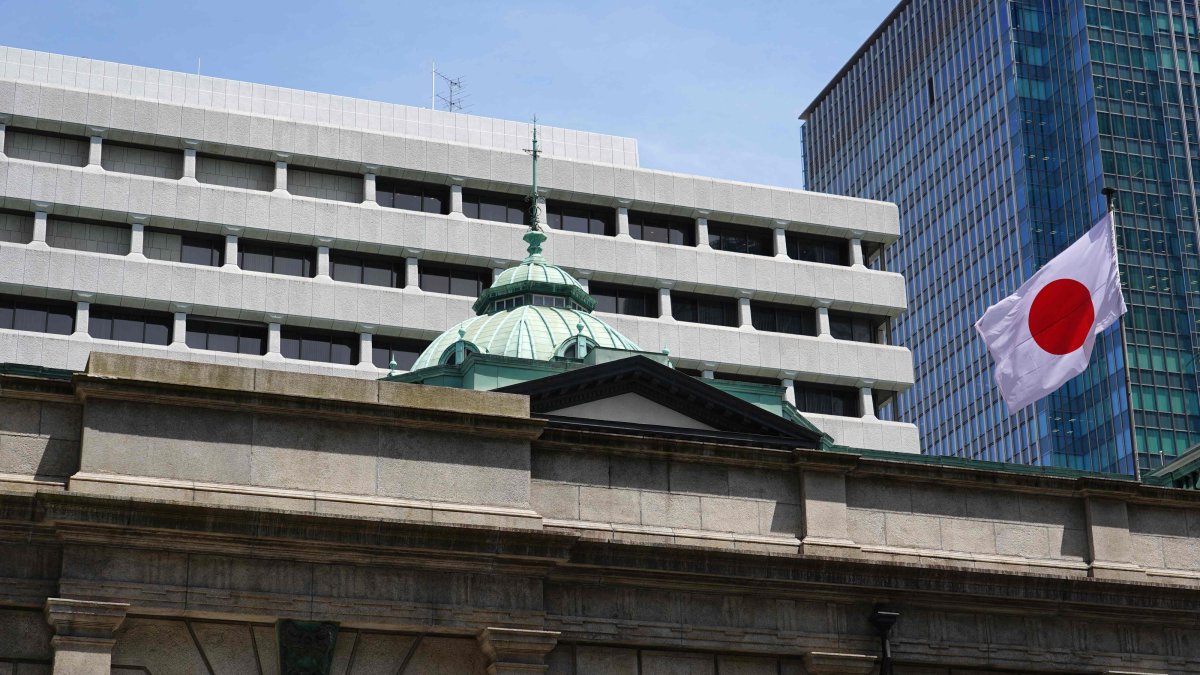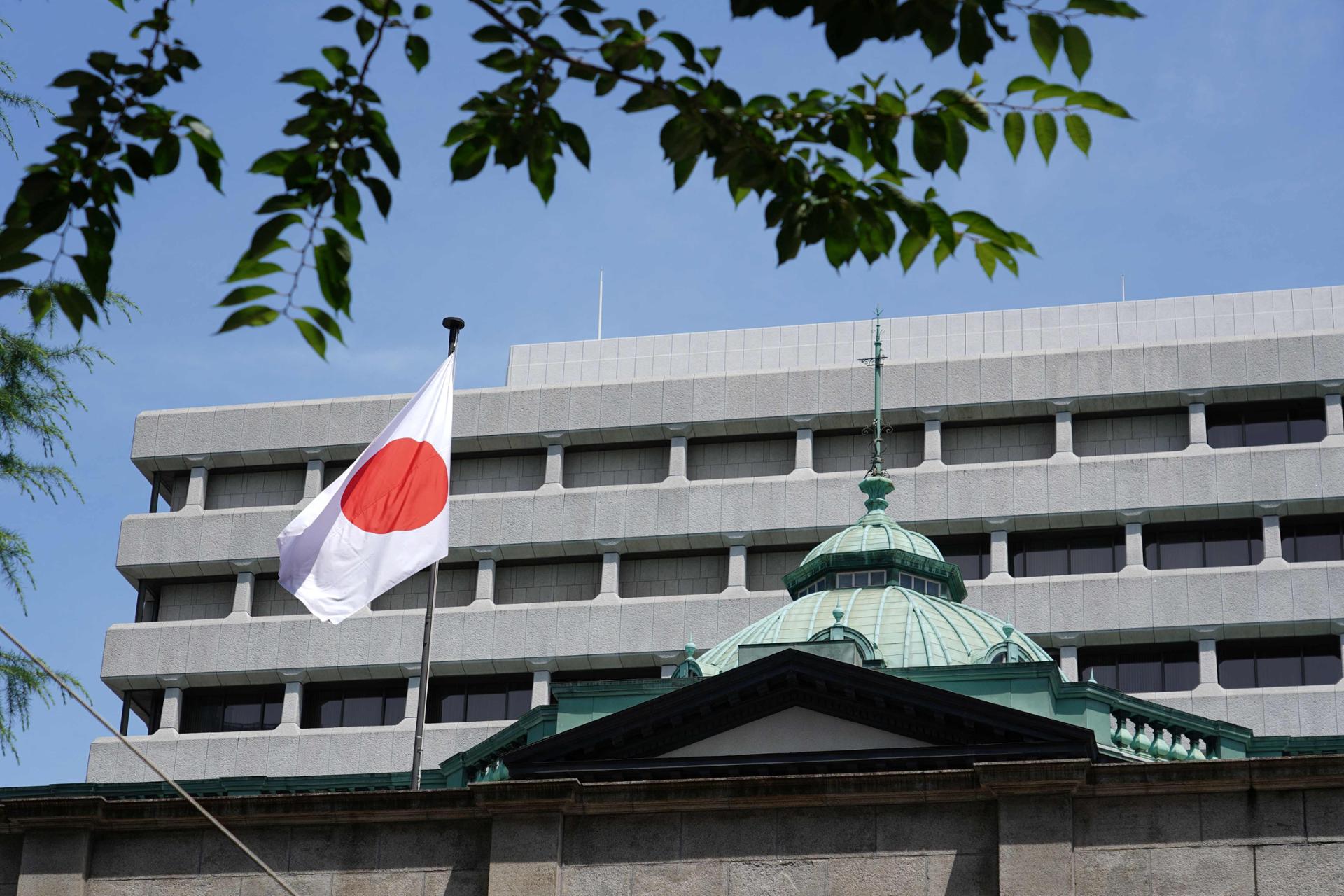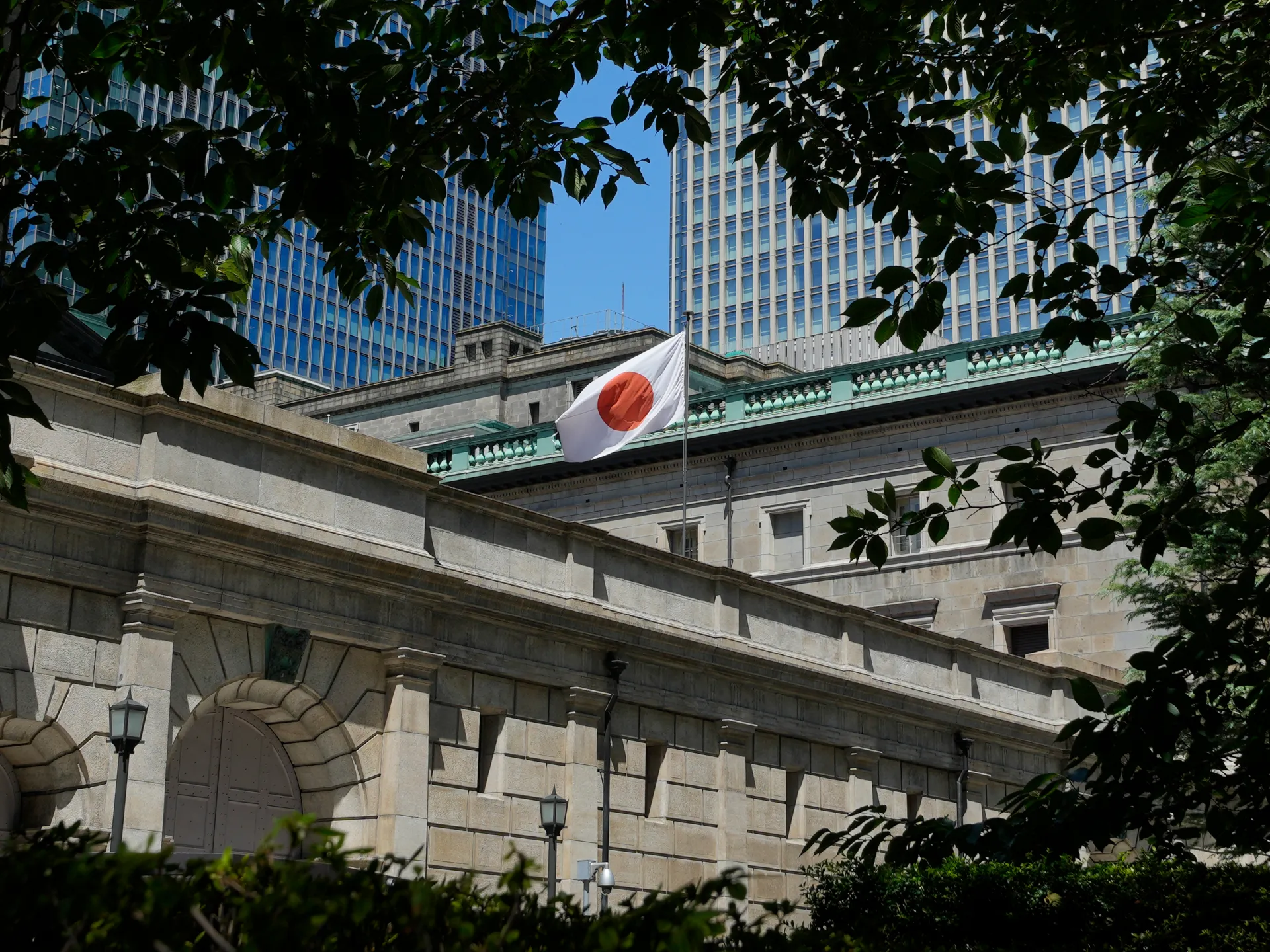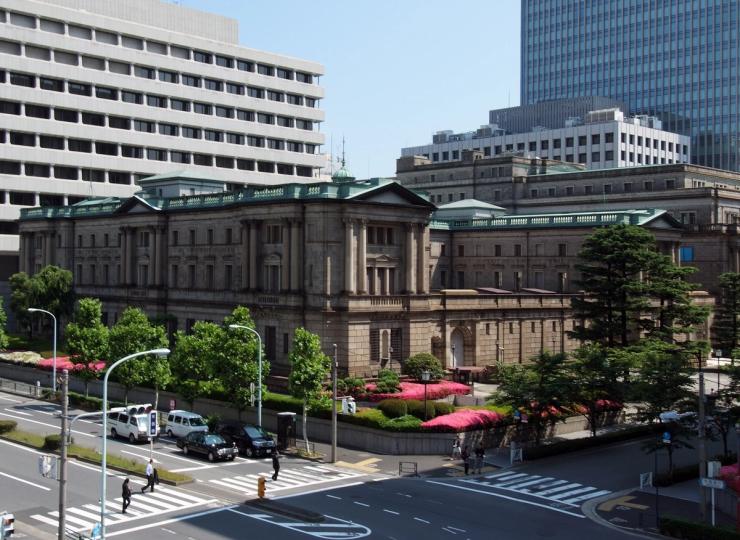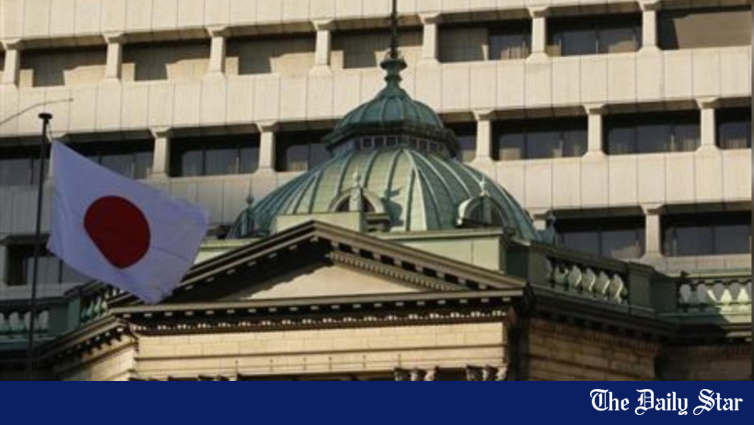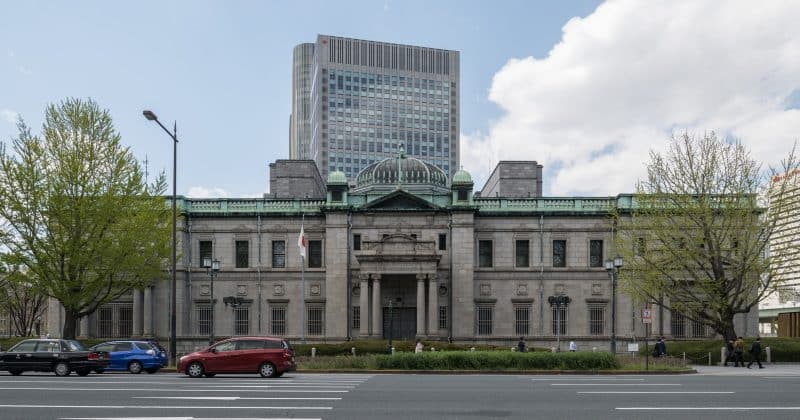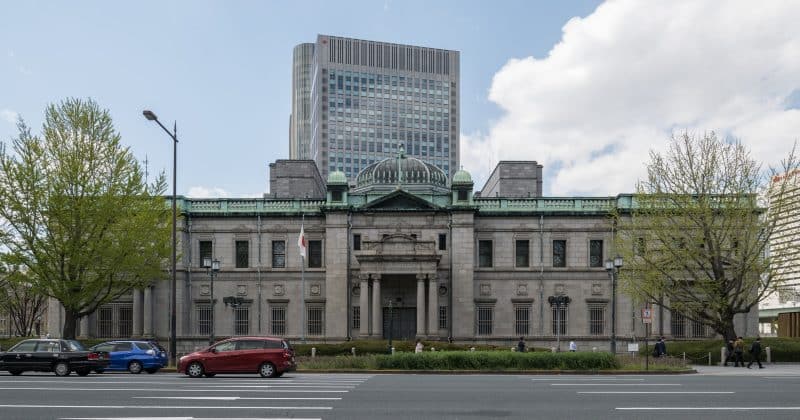
Japan’s central bank just did something it hasn’t done since the mid-1990s: pushed interest rates to 1%. The Bank of Japan raised its short-term policy rate from 0.75% to 1% on June 16, marking the highest level since September 1995 and continuing a slow, deliberate march away from decades of ultra-loose monetary policy.
The catalyst is familiar to anyone watching global markets this year. Rising energy prices, driven by the ongoing conflict in the Middle East, have been feeding inflationary pressures that the BOJ can no longer sit out.
Inside the decision
The rate hike passed with a 7-1 vote during a two-day policy meeting. The lone dissenter, board member Asada Toichiro, raised concerns about the potential risks to economic growth and employment.
Notably, Governor Kazuo Ueda was absent from the June 2026 meeting. The BOJ did not elaborate on the absence, but the decisive vote margin suggests the board had enough consensus to move forward regardless.