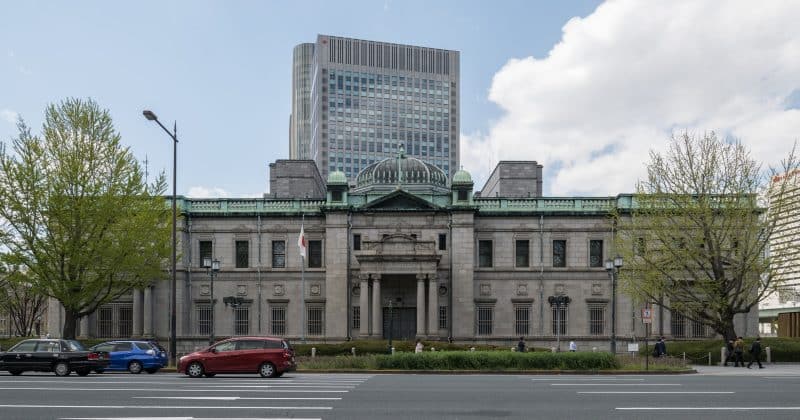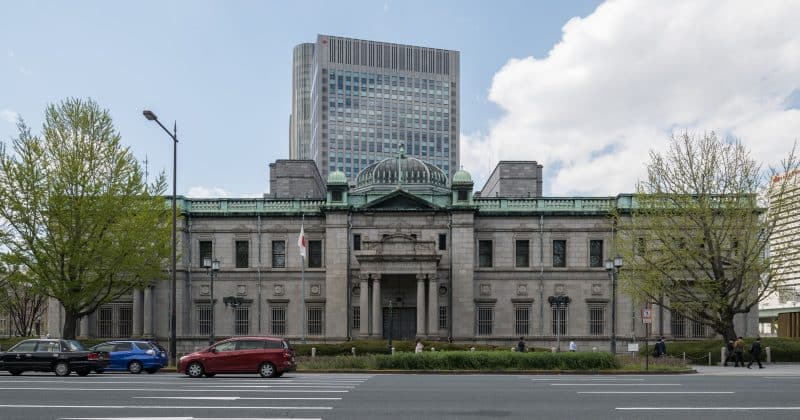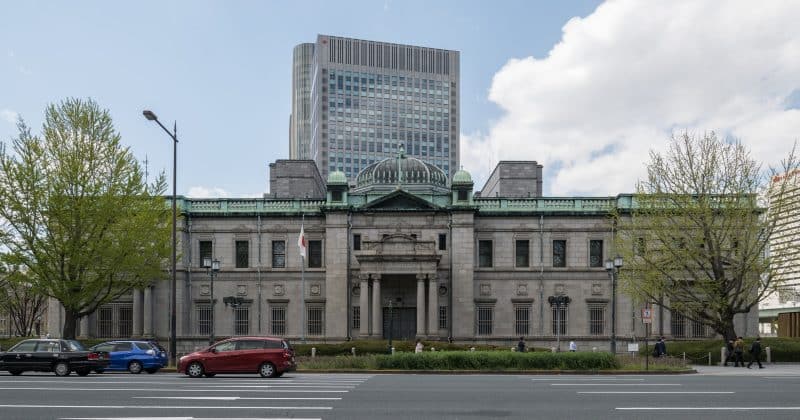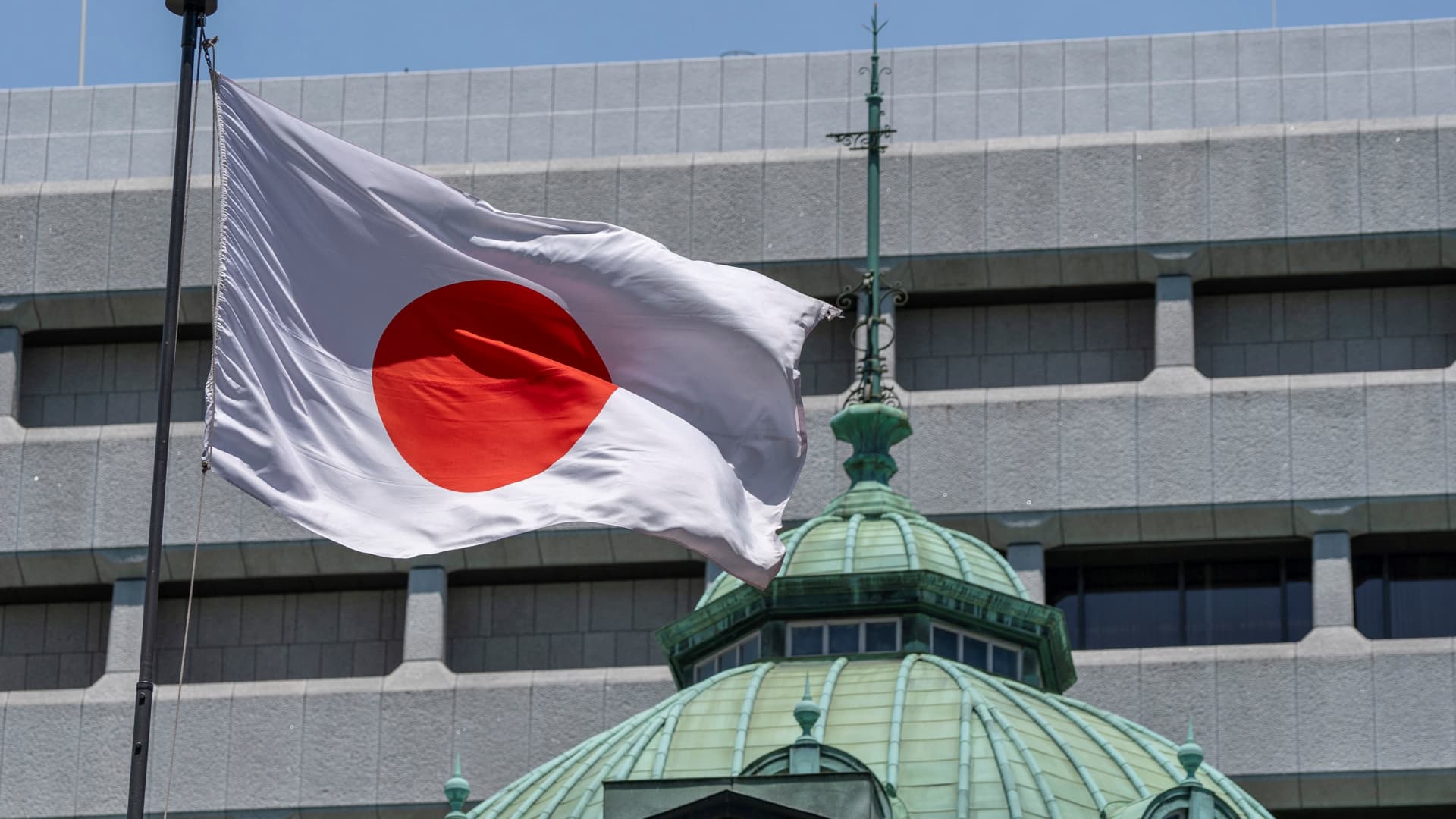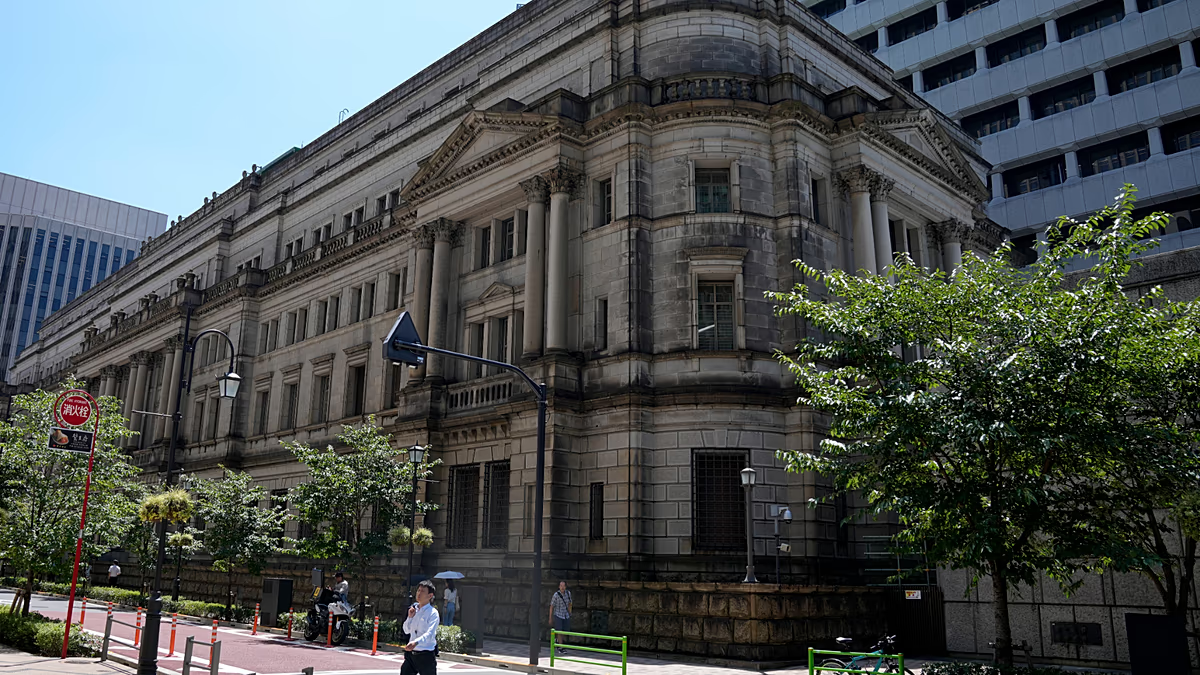
Japan’s central bank just pushed its benchmark interest rate to 1.0%, a level not seen since September 1995. The Bank of Japan’s 25 basis point hike, decided during its June 15-16 meeting, continues a methodical march away from the near-zero rate environment that defined Japanese monetary policy for the better part of three decades.
What happened and why it matters
The BoJ’s policy board voted 7-1 to raise the short-term rate from 0.75% to 1.0%. Board member Asada Toichiro was the lone dissenter, citing downside risks to economic growth.
The hike was driven by a familiar cocktail: rising energy prices linked to Middle East tensions, persistent yen weakness, and inflation that continues to overshoot the central bank’s 2% target. Wage growth and external price shocks have kept inflationary pressure stubbornly above where the BoJ would like it.
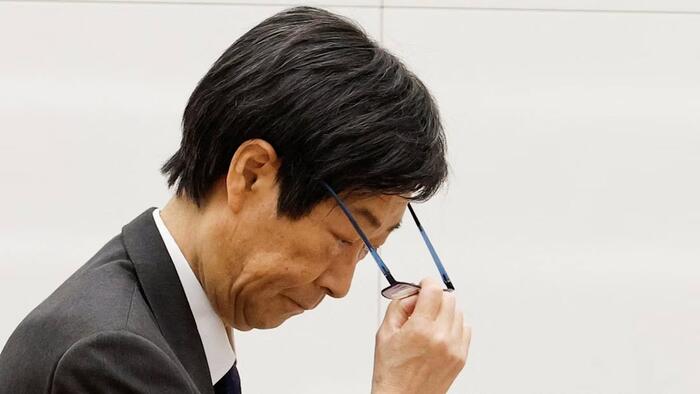
One unusual detail: Governor Kazuo Ueda was absent from the meeting due to hospitalization. It marked the first time a regular policy session proceeded without his presence since his appointment.