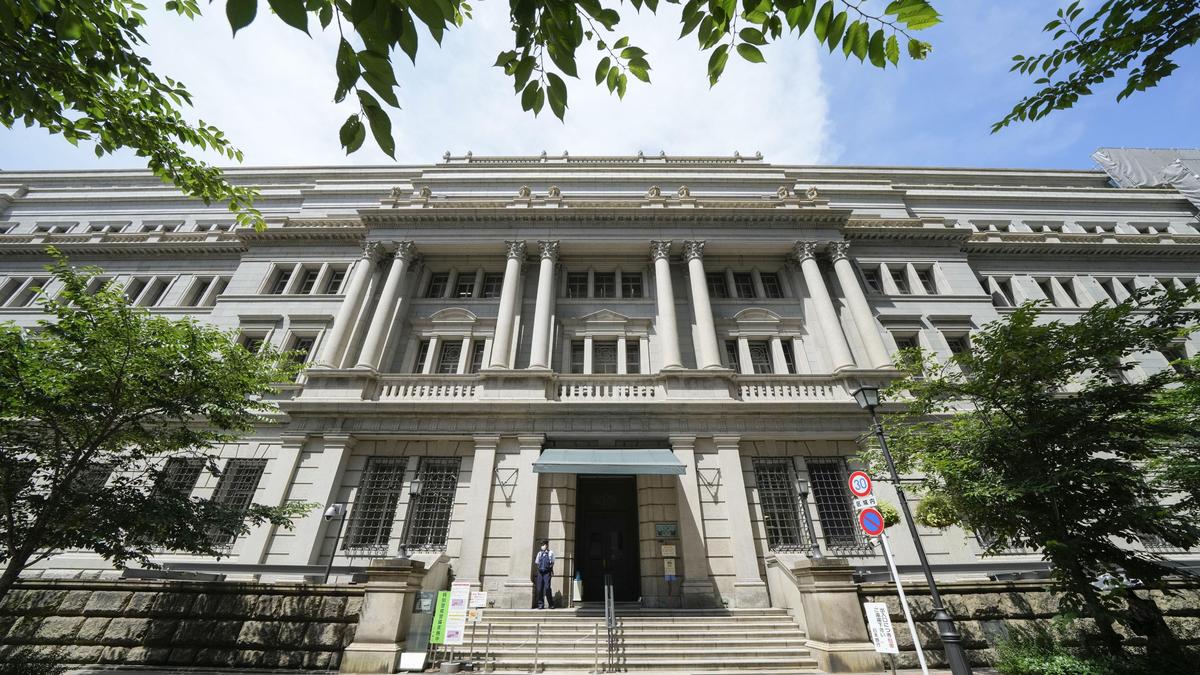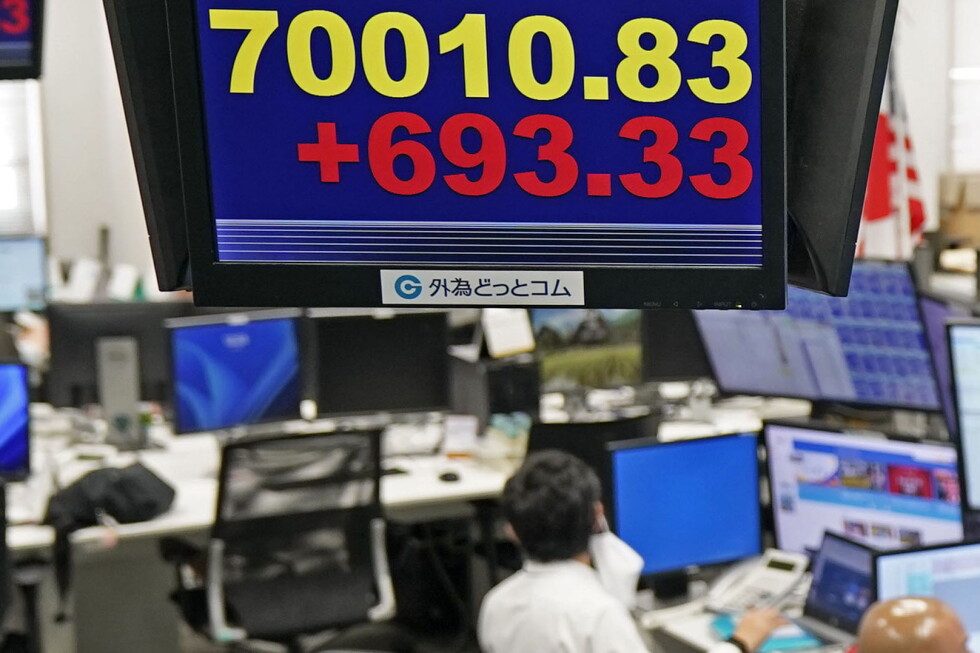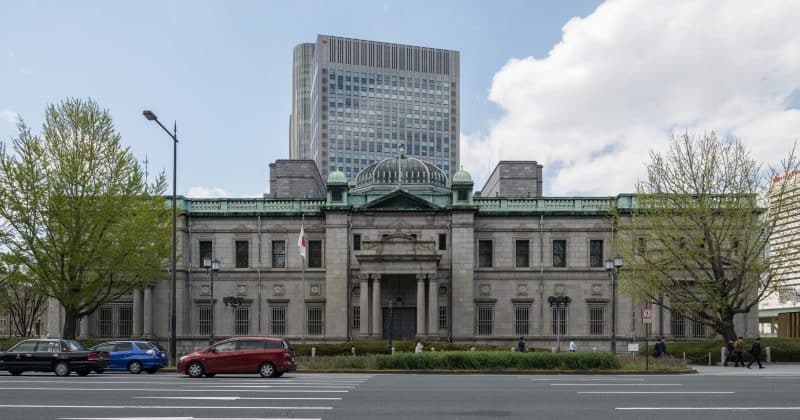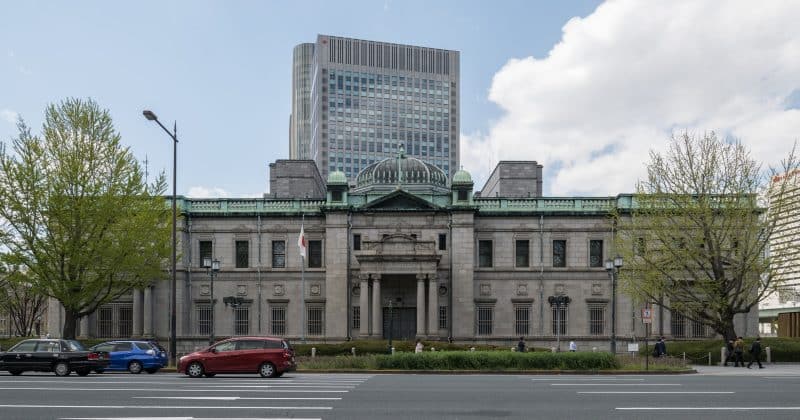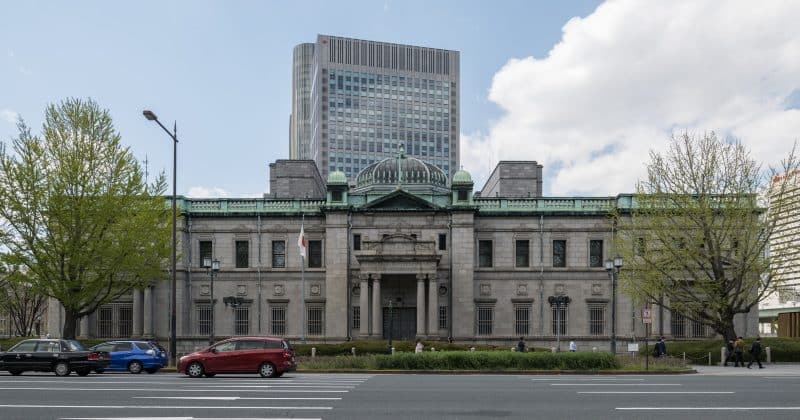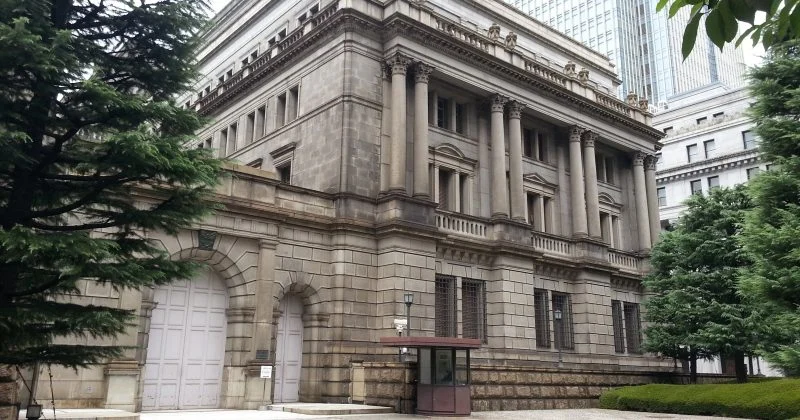
Japan’s central bank just pushed interest rates to a level the country hasn’t seen in over three decades. The yen barely flinched.
The Bank of Japan raised its short-term interest rate by 25 basis points to 1% at its June 15-16 monetary policy meeting, the highest rate since September 1995. The decision passed with a 7-1 vote, and yet USD/JPY continues to trade above 160, a level that in previous eras would have triggered outright intervention from Japanese authorities.
The hike and the holdout
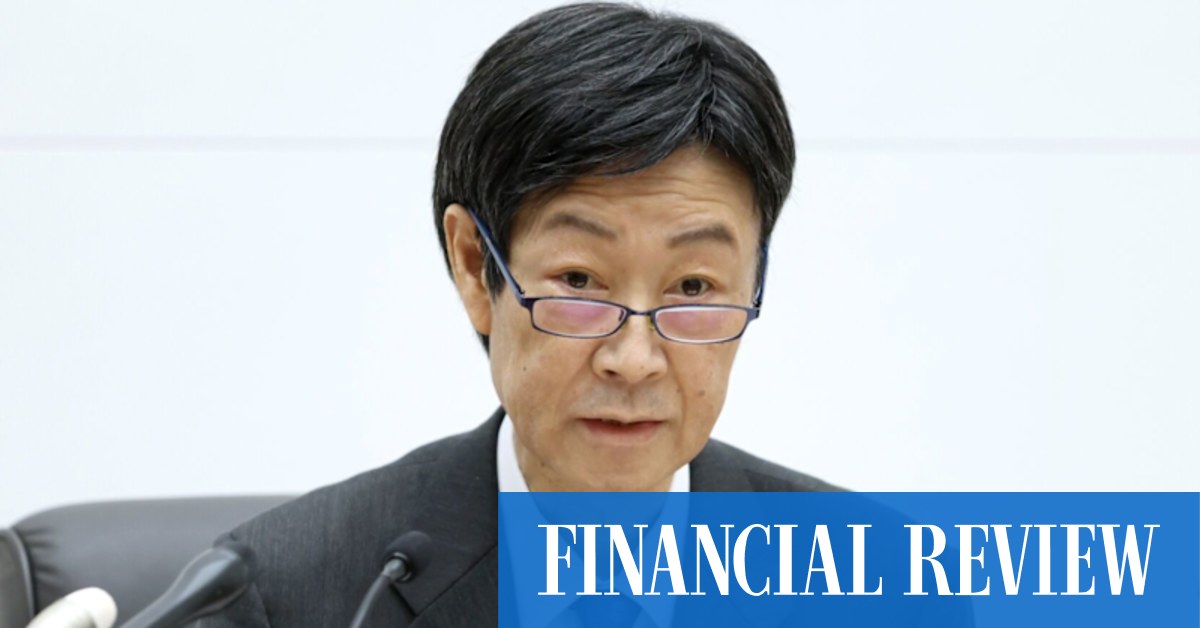
The lone dissenter was Asada Toichiro, who voted against the increase over concerns about risks to production and employment. In a somewhat unusual twist, Governor Kazuo Ueda was absent from the post-meeting press briefing due to hospitalization, leaving Deputy Governor Shinichi Uchida to field questions about the bank’s increasingly hawkish trajectory.
The BoJ has been on a slow but deliberate tightening path, having previously raised rates to 0.5% earlier in 2026 and to 0.75% before that. The catalyst this time is inflation that’s proving harder to ignore. Wholesale prices in Japan rose more than 6% year-over-year in May 2026, the fastest pace in three years. Energy costs, amplified by ongoing tensions in the Middle East, are doing much of the heavy lifting. The BoJ has made clear it stands ready to tighten further if inflation pushes meaningfully beyond its 2% target.