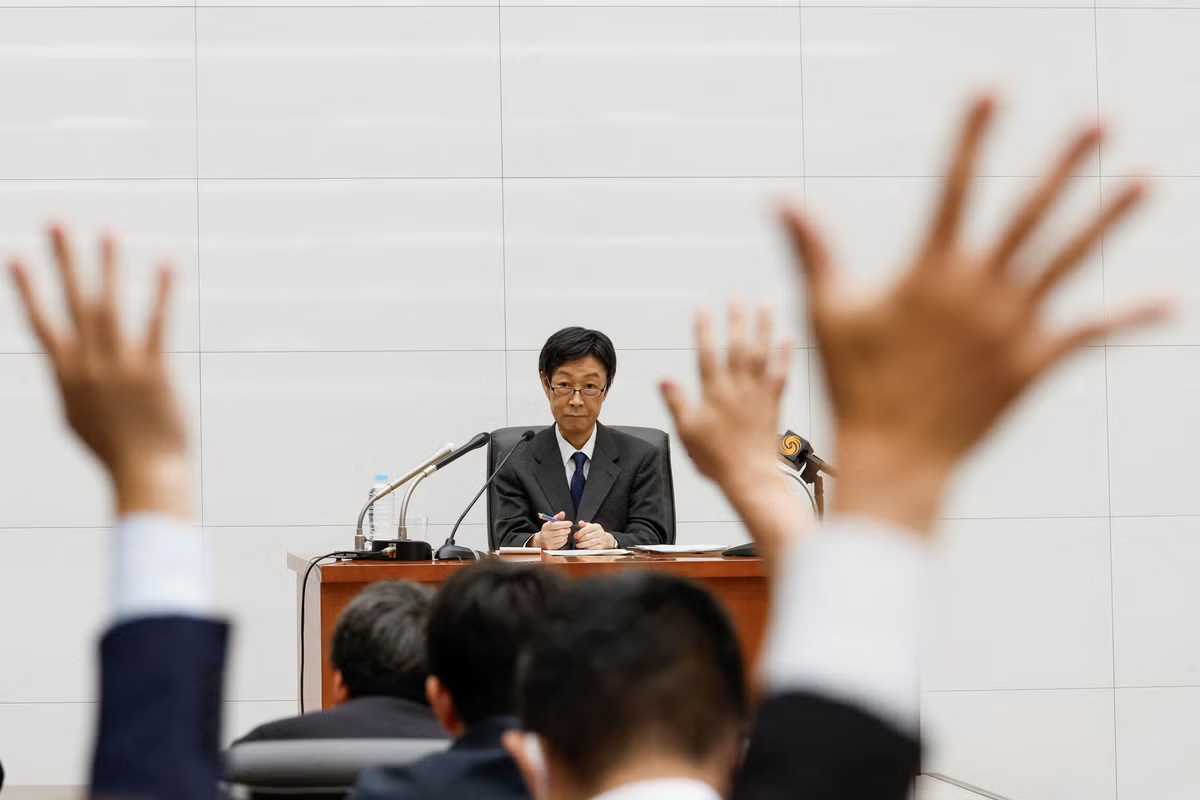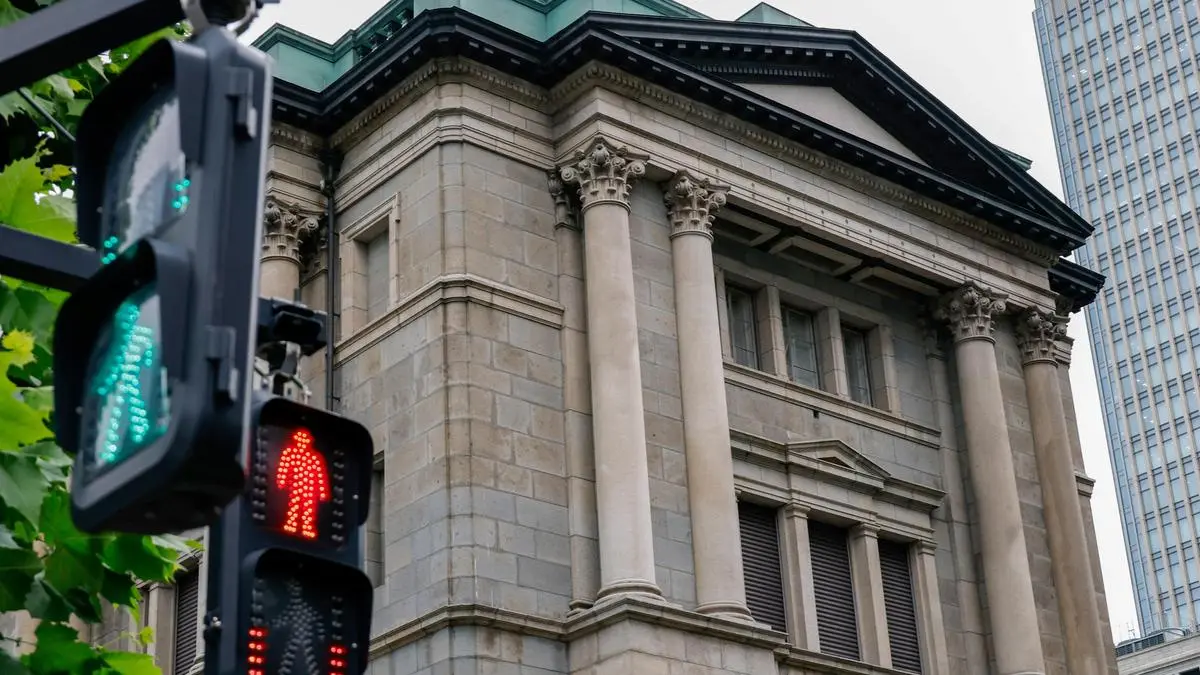
Japan’s central bank has raised interest rates to their highest level in more than three decades, marking another major step away from the ultra low borrowing costs that defined the country’s economy for years.
The Bank of Japan on Tuesday increased its main policy interest rate from 0.75 percent to 1 percent, its highest level since 1995, as rising global energy prices continue to add pressure to the cost of living.
Read also: WORLD IN BRIEF: Trump criticises Israeli strike as Iran deal nears, rural support falls amid rising costs, UK, Japan seal £18bn deal and other stories
According to BBC, the move comes at a time when higher oil and gas prices, driven partly by tensions linked to the US Israel conflict with Iran, have pushed several countries to tighten monetary policy to contain inflation.
For decades, Japan maintained extremely low interest rates after the collapse of its property and stock market bubble in the 1990s triggered a long period of weak growth and falling prices. The country only began raising rates again in March 2024, its first increase in 17 years.