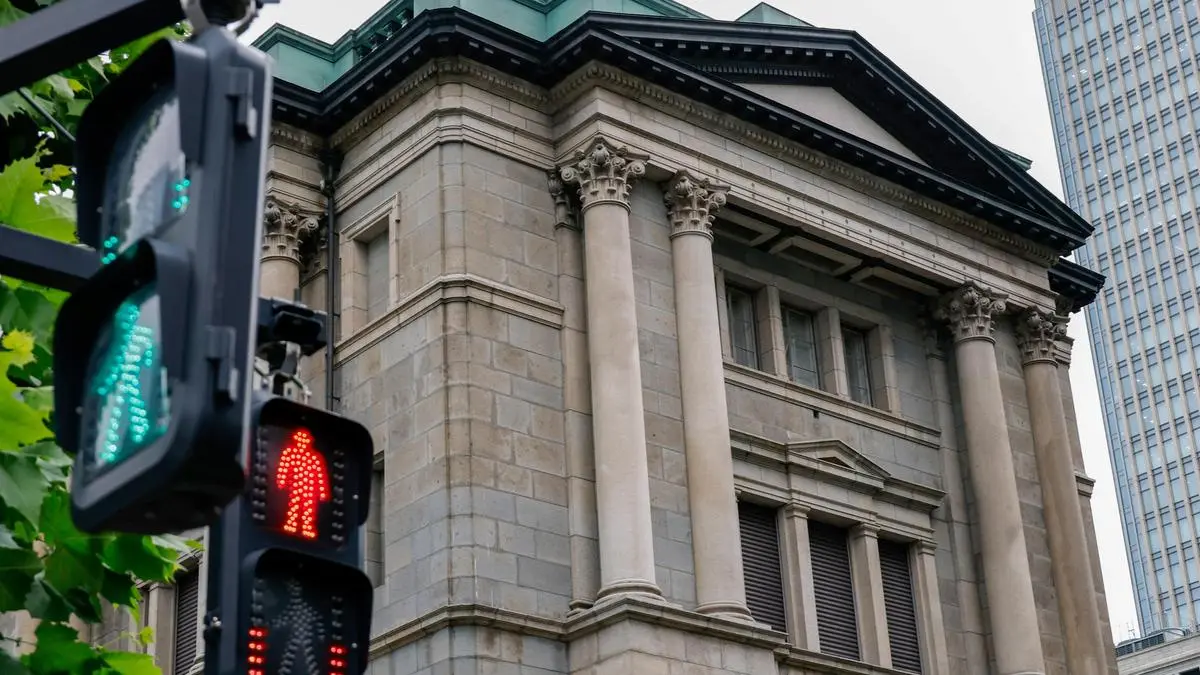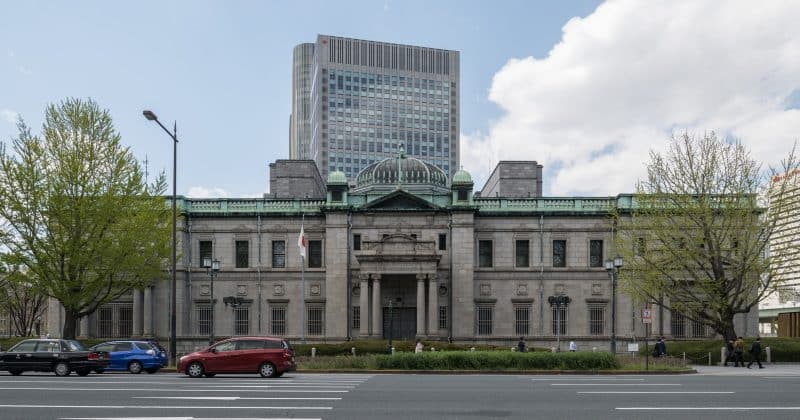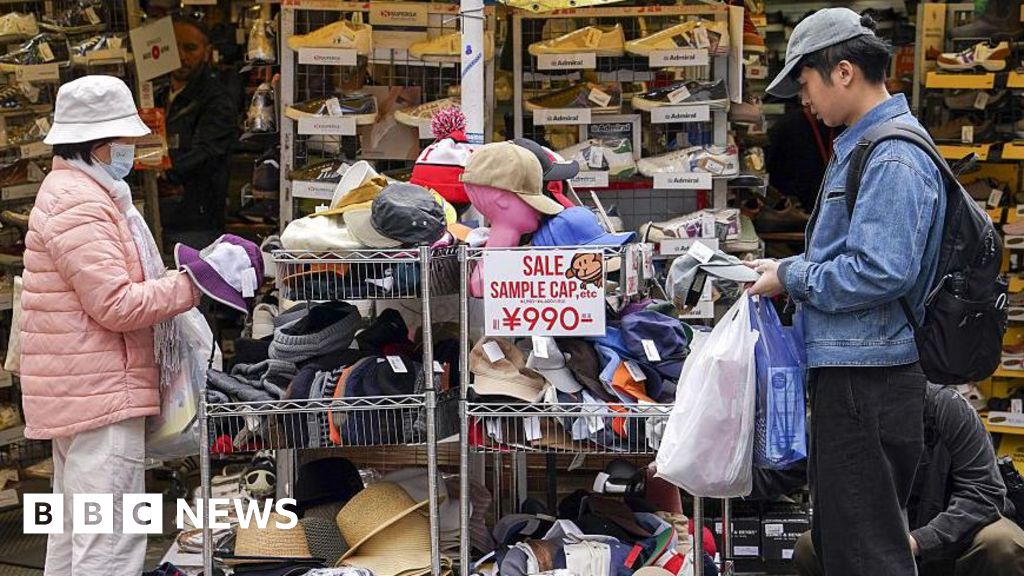
Japan's central bank has raised its main interest rate to the highest level in 30 years as the country faces a cost-of-living squeeze.
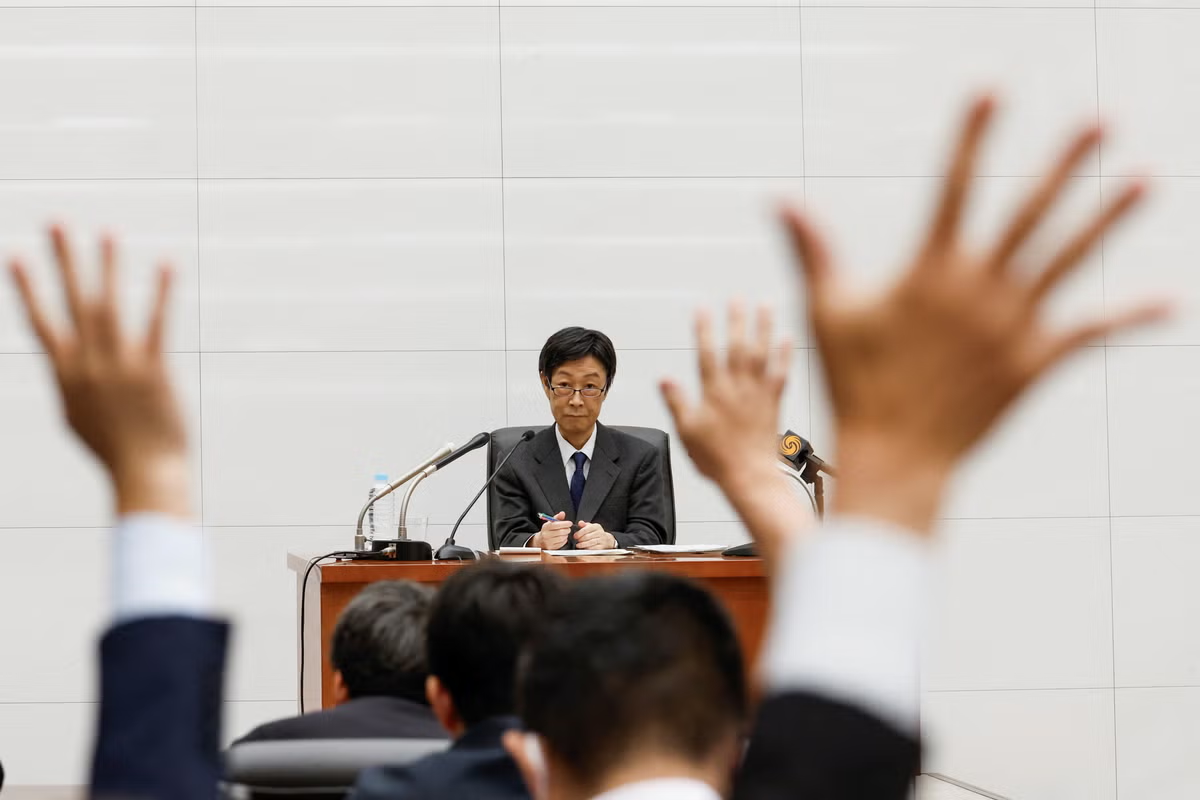
In a widely expected decision, the Bank of Japan's policy board, led by governor Kazuo Ueda, increased its benchmark rate by a quarter of a percentage point to "around 0.75%" on Friday.
The move comes as new Prime Minister Sanae Takaichi is keen that inflation comes down but also needs the cost of government borrowing to be cheap.
It marks both the first time the BOJ has hiked rates since January and the first rise since both Takaichi and Ueda took up their current roles.
When a central bank raises interest rates it tends to have the effect of increasing the value of the country's currency.