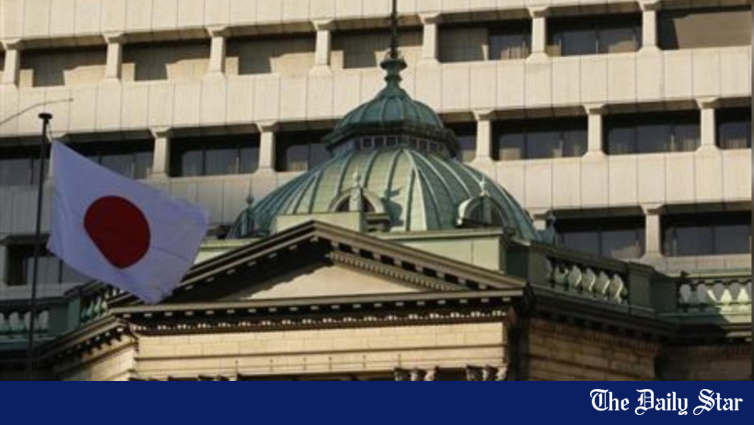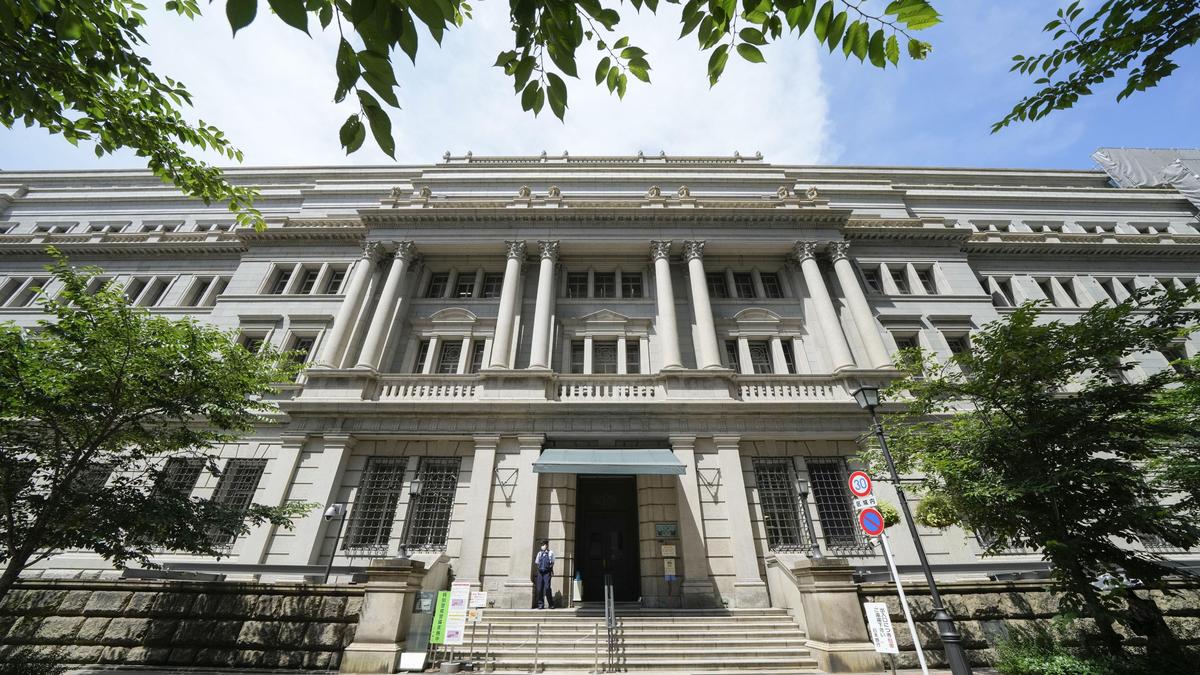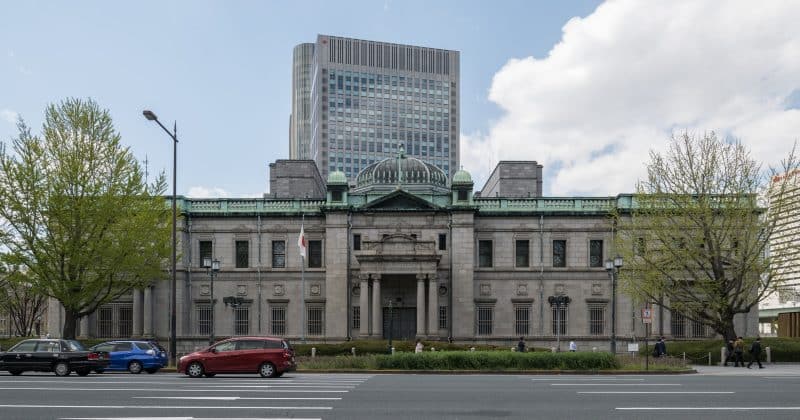
The Bank of Japan raised interest rates to a 31-year high on Tuesday, a widely expected move that signalled its focus on countering inflation risks from the Middle East conflict. At a two-day meeting that ended on Tuesday, the central bank decided to raise its short-term policy rate to 1.0% from 0.75% by a 7-1 vote. It was the first rate increase since December and brought the BOJ's policy rate to levels unseen since 1995. Governor Kazuo Ueda, who is hospitalised for a medical treatment, missed the meeting and did not vote. Deputy Governor Shinichi Uchida will hold a news briefing on Ueda's behalf at 3:30 p.m. (0630 GMT) to explain the policy decision. (Reporting by Leika Kihara, Makiko Yamazaki, Kantaro Komiya and Satoshi Sugiyama Editing by Chang-Ran Kim)
BOJ raises interest rates to 31-year high in widely expected move
The Bank of Japan has increased its policy rate to 1.0 percent. This marks a 31-year high for interest rates. The move signals a strong focus on combating inflation. This is the first rate hike since December. The central bank's decision aims to address inflation risks stemming from the Middle East conflict. Deputy Governor Shinichi Uchida will provide further details.
129 words~1 min read