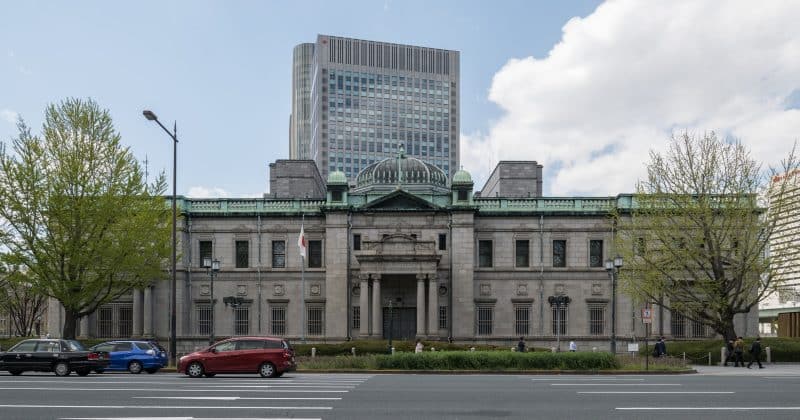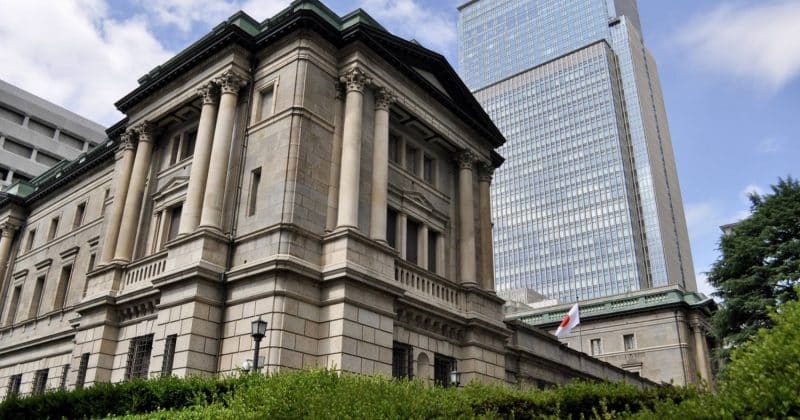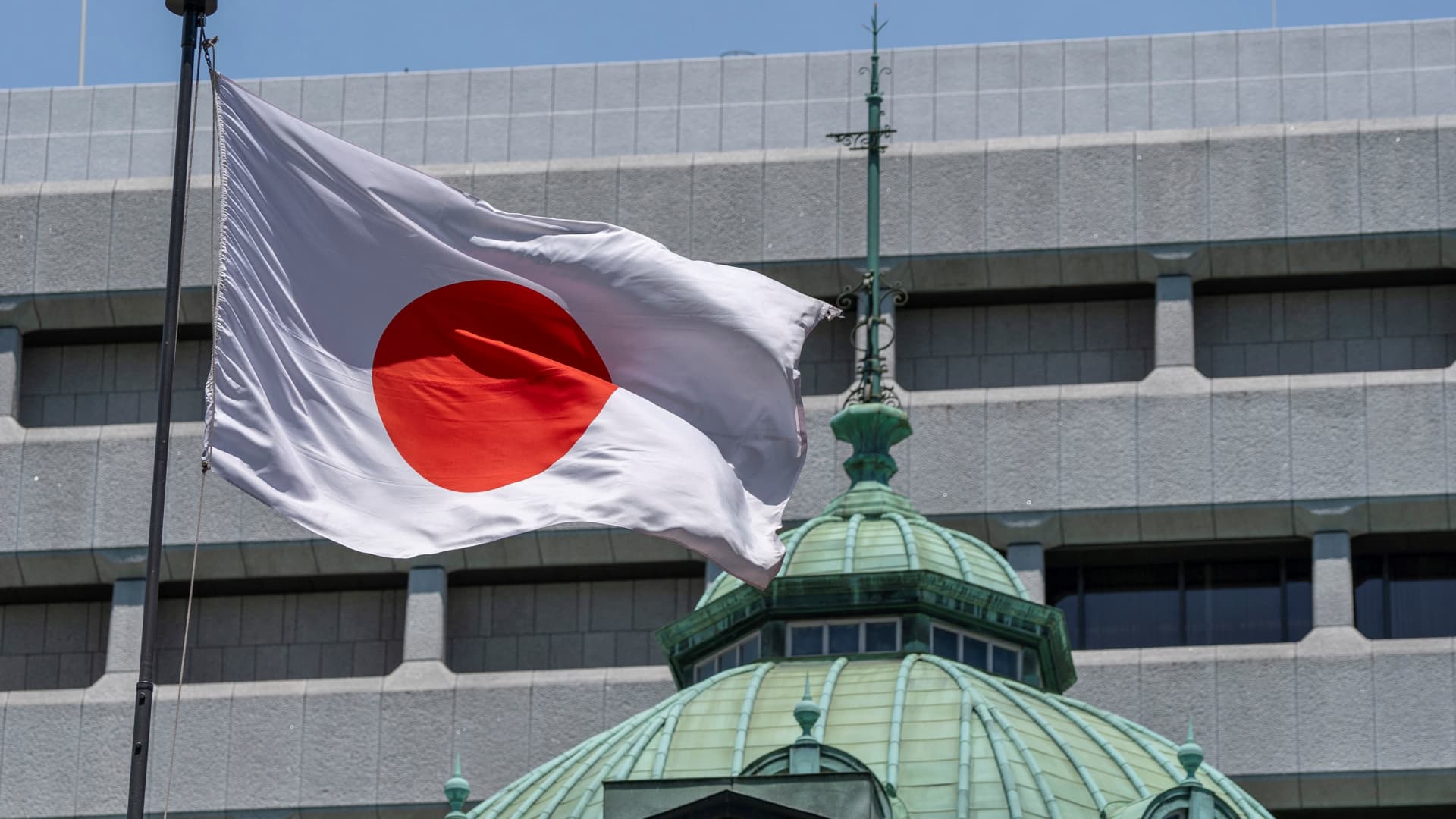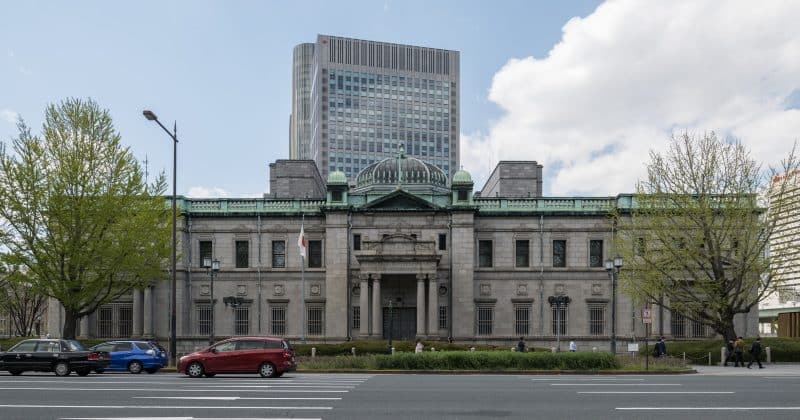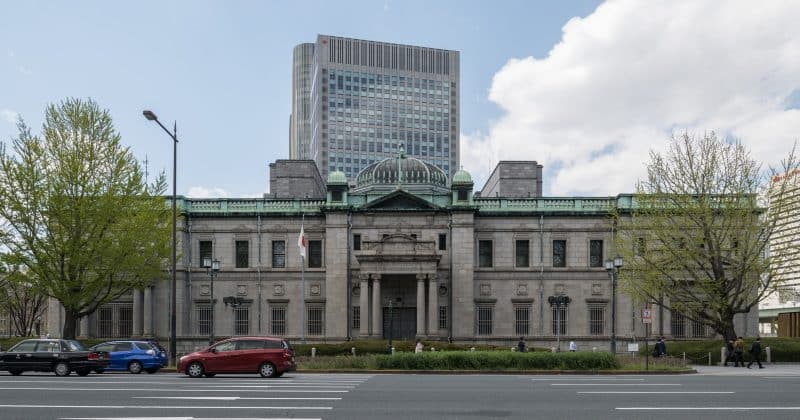
The Bank of Japan (BOJ) raised interest rates to a level unseen in 31 years on Tuesday, aiming to normalize monetary policy amid mounting inflation pressures.
The BOJ has upped its short-term policy rate from 0.75% to 1%, a level last observed in 1995.
The decision was primarily motivated by the need to manage price pressures stemming from the energy crisis sparked by the war in Iran.
The central bank noted that the risk of Japan's economy sharply deteriorating due to the Middle East conflict has lessened, thanks to government measures to mitigate high fuel costs and progress in securing alternative energy supplies.
However, the bank warned of potential inflation risks, noting that businesses were passing on rising oil costs at a "relatively fast pace," which could lead to higher consumer prices.