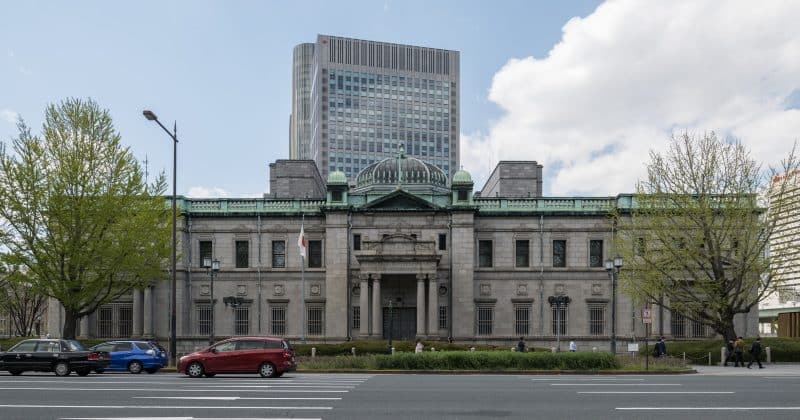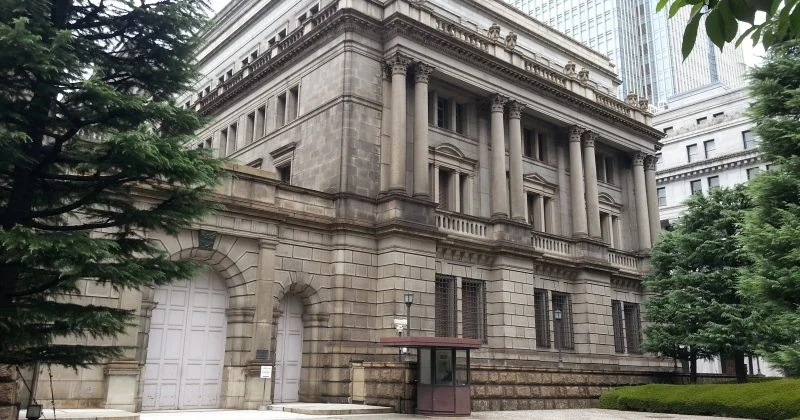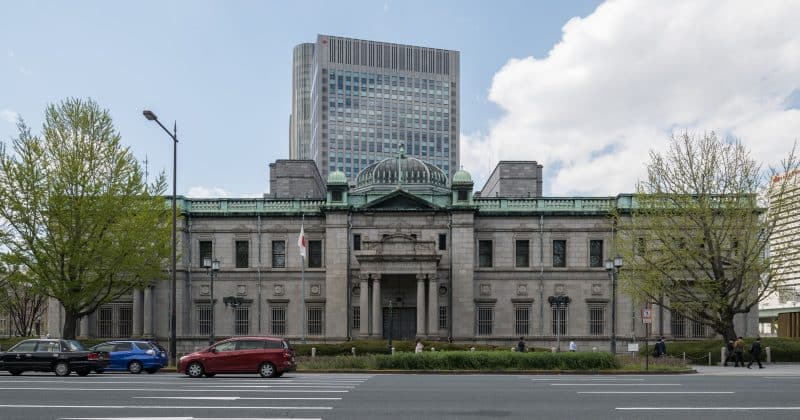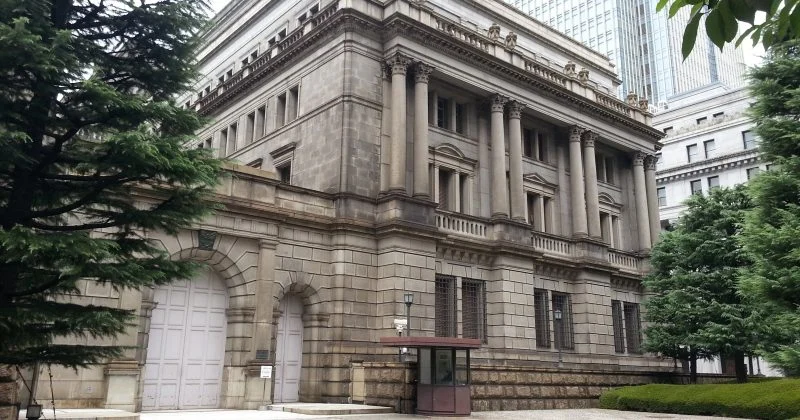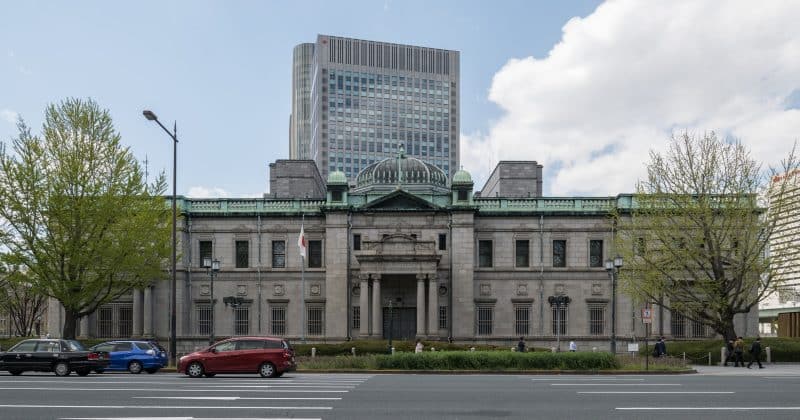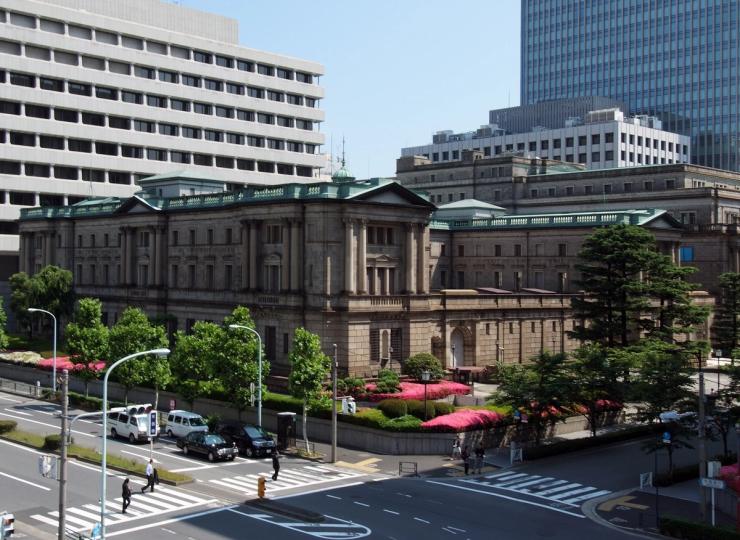
Japan’s central bank just pushed interest rates to a level the country hasn’t seen in over 30 years. The Bank of Japan raised its short-term policy rate by 25 basis points to 1% on June 16, marking the highest rate since 1995 and continuing a deliberate march away from the ultra-loose monetary policy that defined Japanese economics for a generation.
The rate increase follows a prior 25 basis point hike to 0.75% in December 2025, which was approved by a unanimous vote. The BOJ has now raised rates twice in roughly six months, signaling that this isn’t a one-off adjustment but a sustained policy shift.
The driving forces are familiar: persistent inflation fueled by yen depreciation and rising energy costs, with geopolitical tensions in the Middle East adding pressure to the mix.
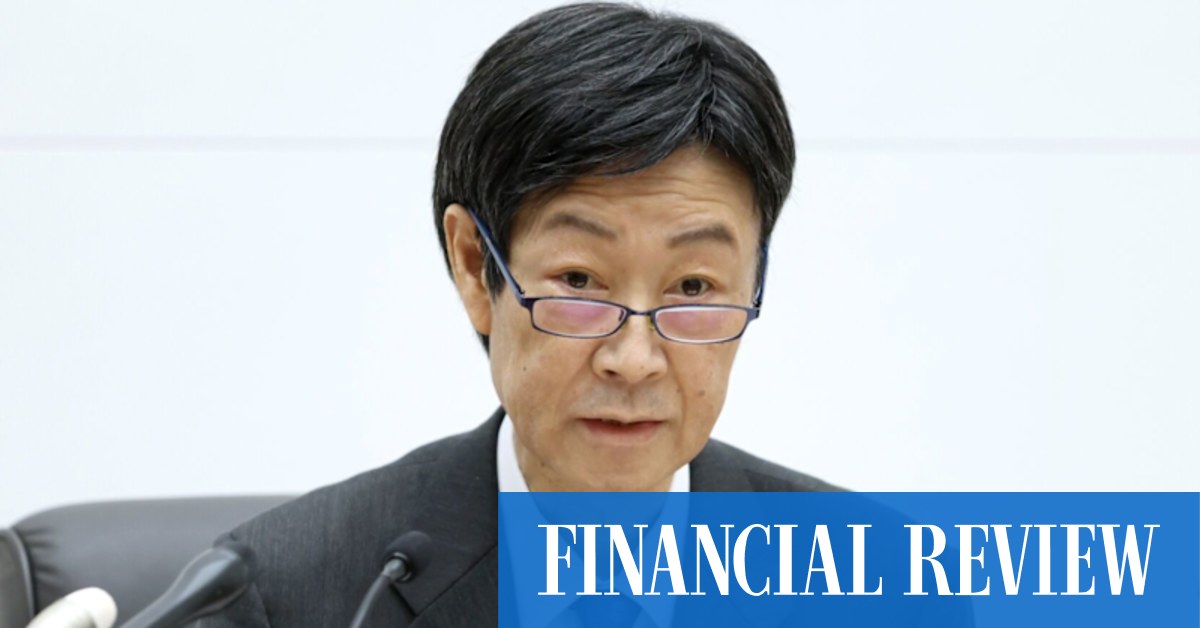
Here’s a detail that would normally be headline news on its own: Governor Kazuo Ueda wasn’t even in the room. He was hospitalized for an infected liver cyst, meaning the BOJ proceeded with its most significant tightening cycle in three decades without its top official present.
The BOJ has also indicated it plans to keep raising rates while maintaining its bond purchase program, tightening on the short end of the yield curve while trying to prevent chaos on the long end.