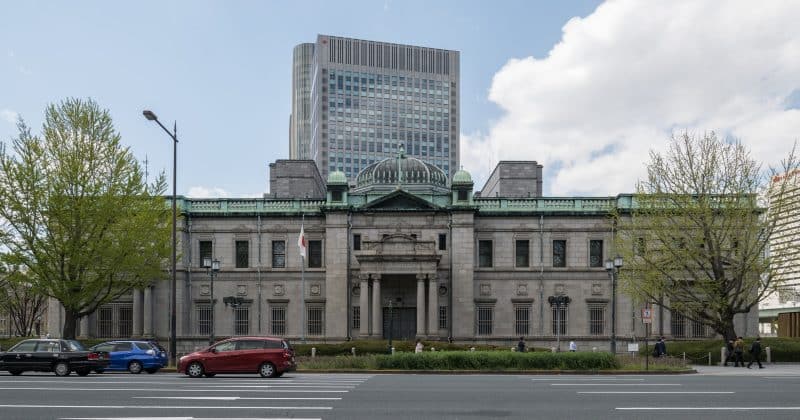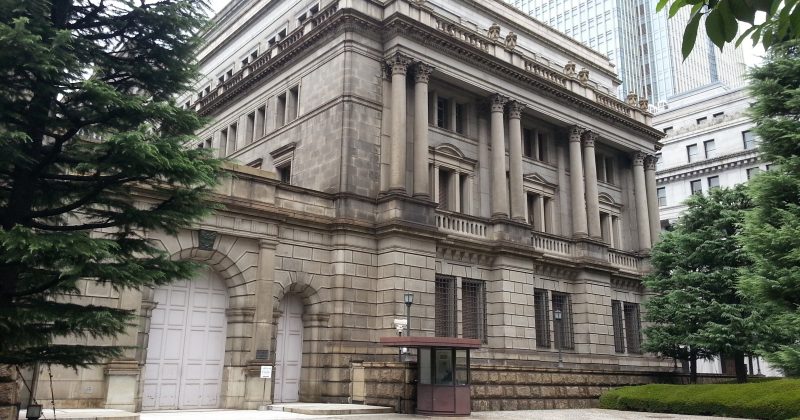
The Bank of Japan just did something it hasn’t done in three decades. On June 16, 2026, the BOJ raised its short-term policy rate by 25 basis points to 1%, a level the country hasn’t seen since 1995. For a central bank that spent years in negative-rate territory, this is not a small thing.
The vote wasn’t close. Seven members backed the hike. One dissented. Deputy Governor Shinichi Uchida managed communications after Governor Kazuo Ueda stepped back from duties due to medical treatment.
What pushed the BOJ here
Three forces converged to make this hike happen. First, rising energy costs tied to the Iran conflict pushed import prices higher. Second, a weakening yen made those imports even more expensive in local terms. Third, a tight domestic labor market kept upward pressure on wages and, by extension, services inflation.
The BOJ’s previous rate of 0.75% had been in place since December 2025. That six-month pause gave markets time to price in the move, which is probably why the reaction was relatively calm compared to earlier BOJ pivots that rattled global carry trades.