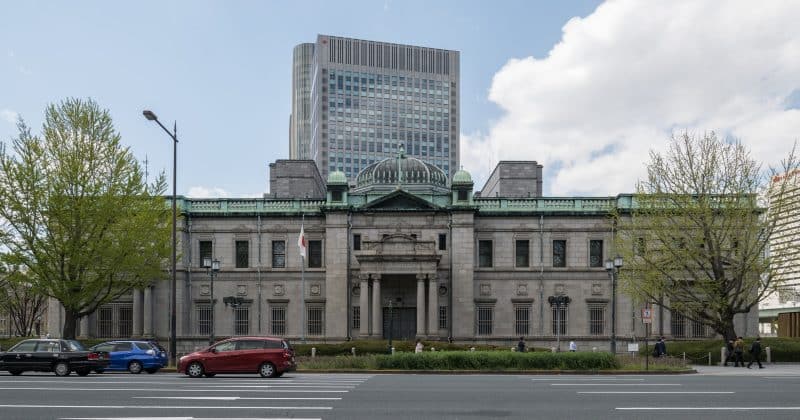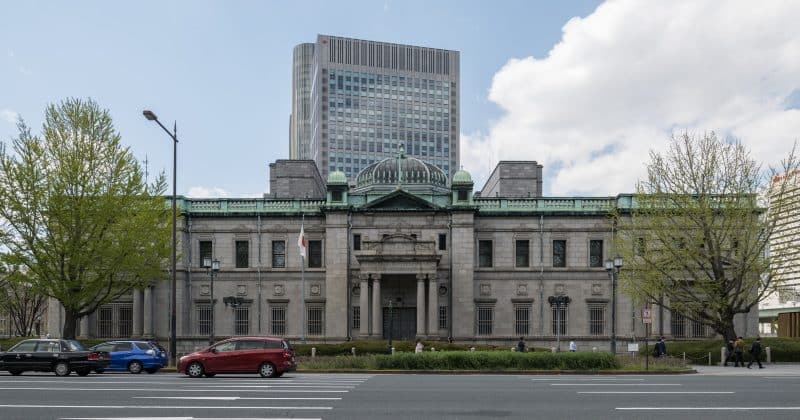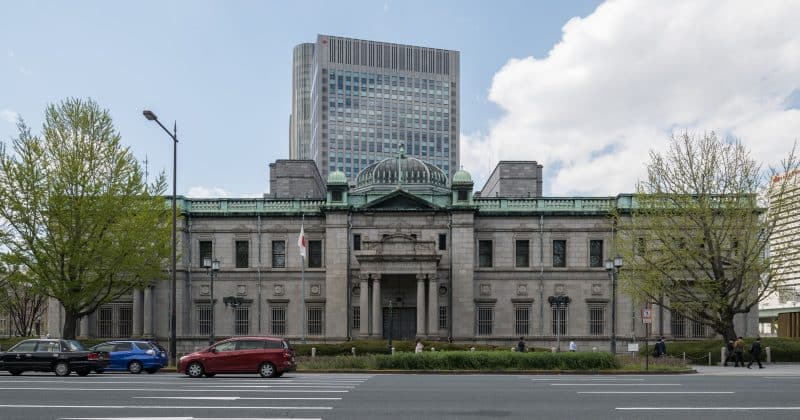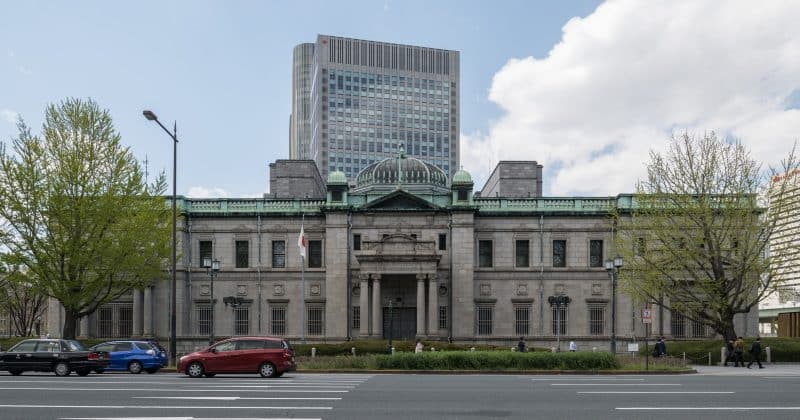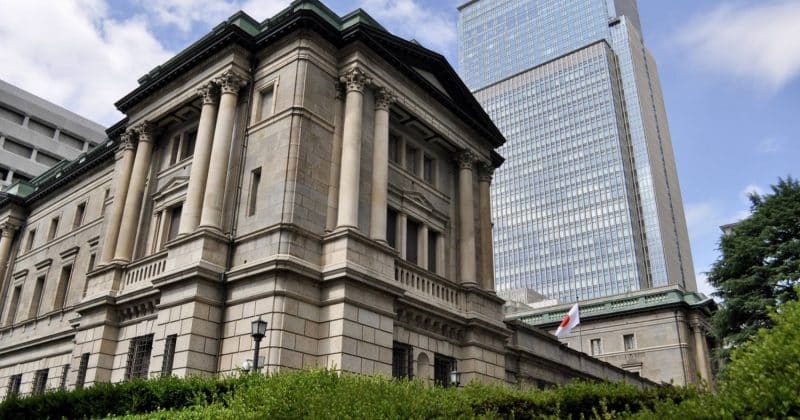
The Bank of Japan just did something it has not done since the mid-1990s. On June 16, 2026, the BOJ raised its short-term policy rate by 25 basis points to 1%, the highest level since September 1995.
The decision passed with a 7-1 vote. One dissenting member flagged concerns about production and employment.
What drove the hike
Two forces pushed the BOJ toward early action: a weak yen and rising energy prices tied to ongoing Middle East tensions. Imported goods keep getting more expensive, and a currency that keeps losing ground makes that problem worse, not better.
The BOJ had already been moving in this direction. It raised rates to 0.75% in December 2025, so the June 2026 move to 1% represents a continuation of a gradual tightening path rather than a sudden pivot.