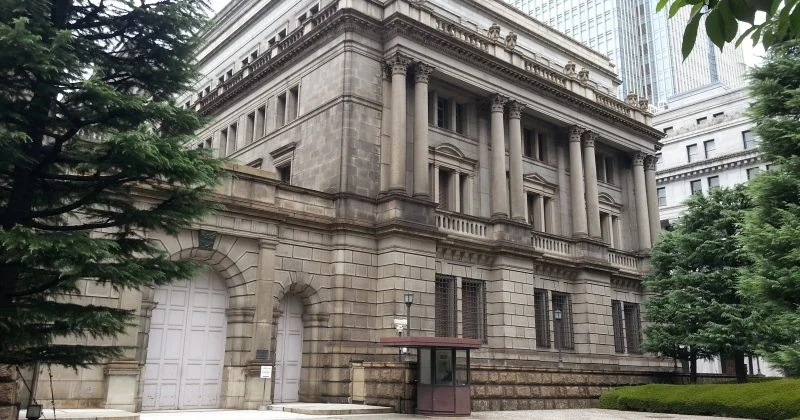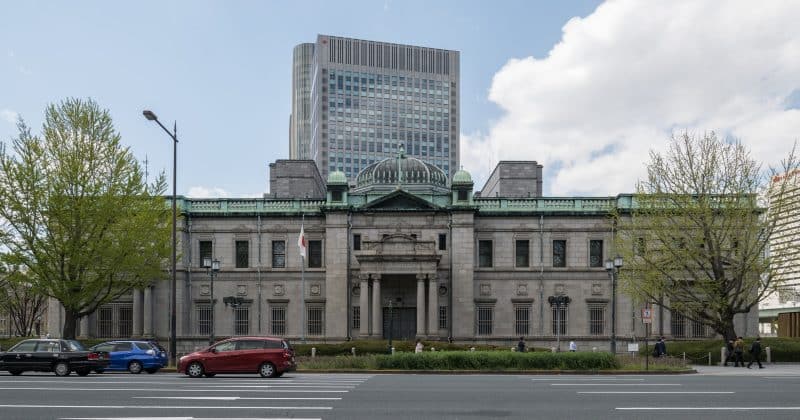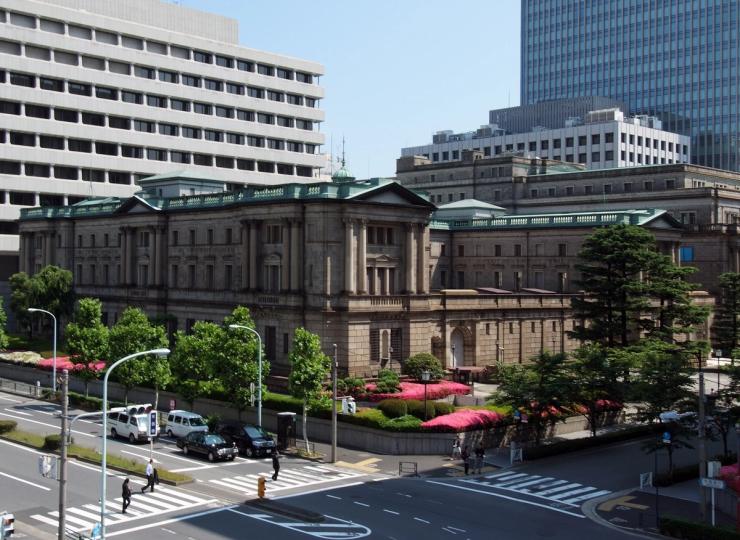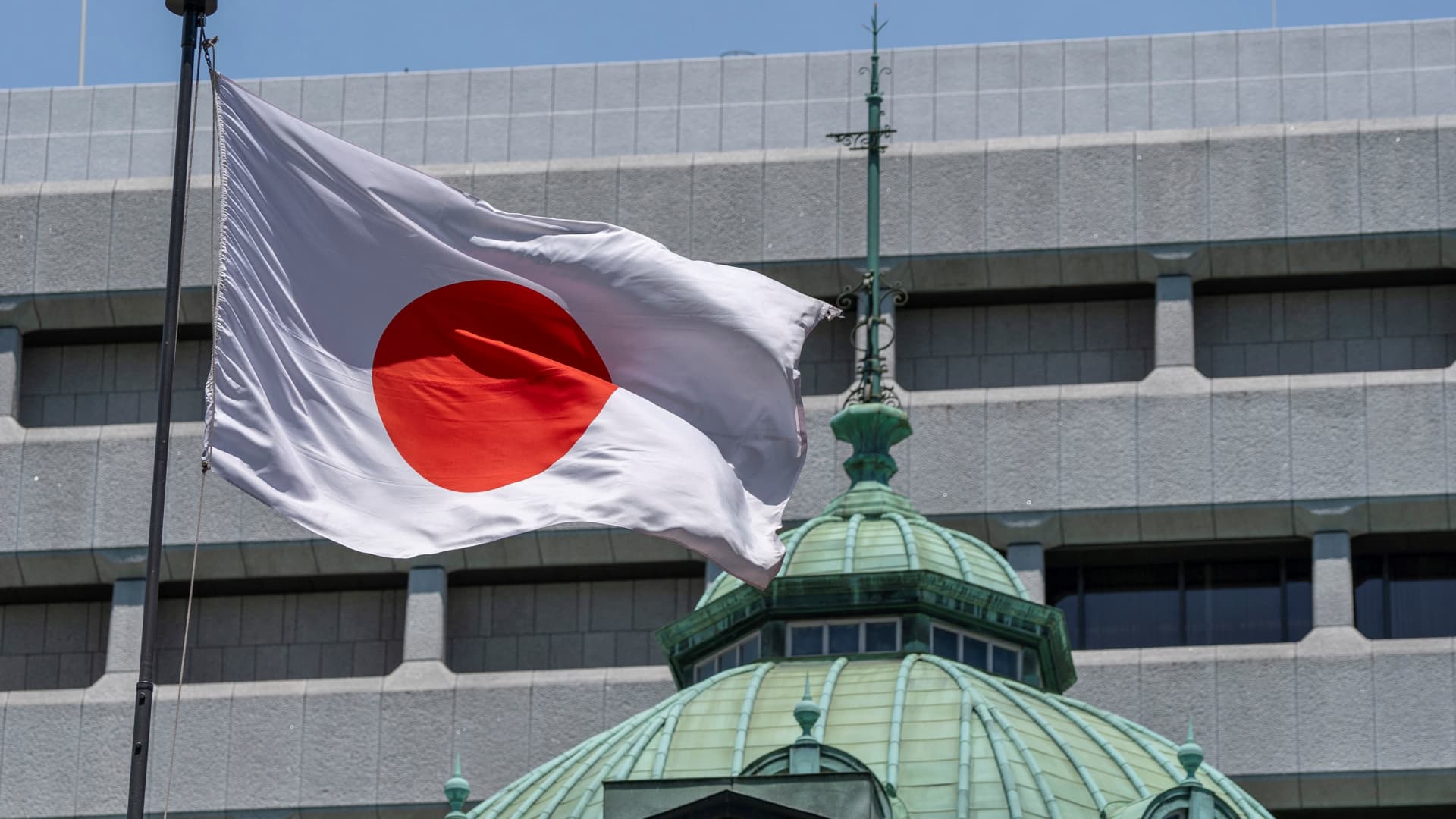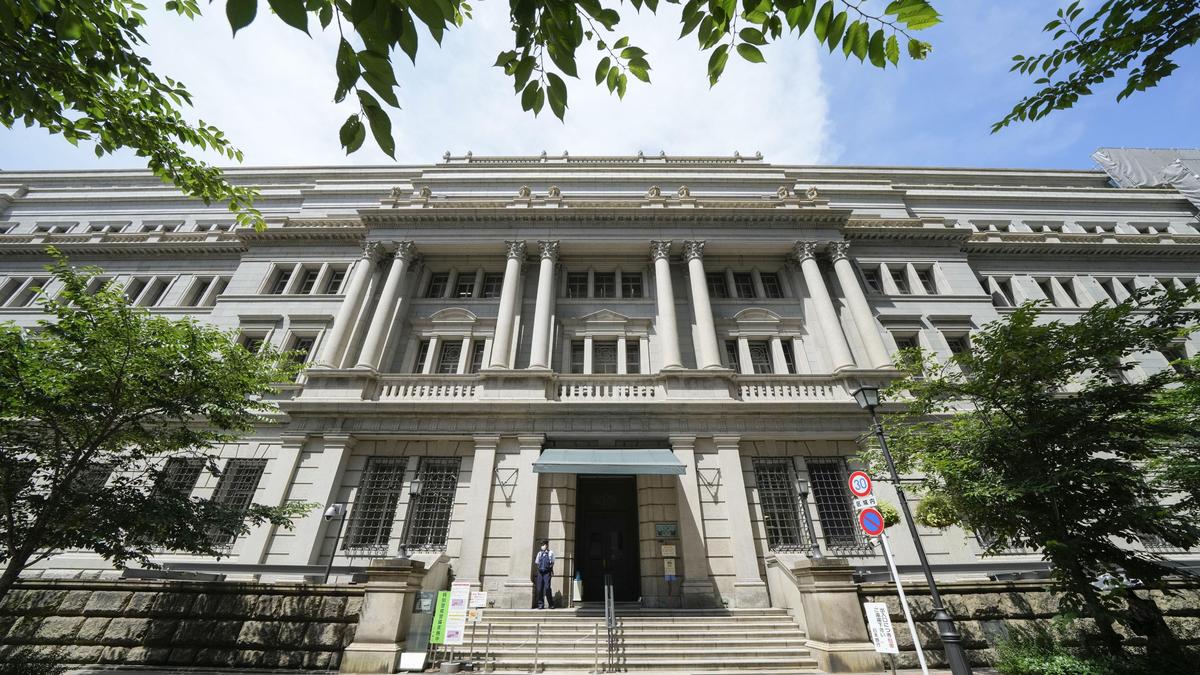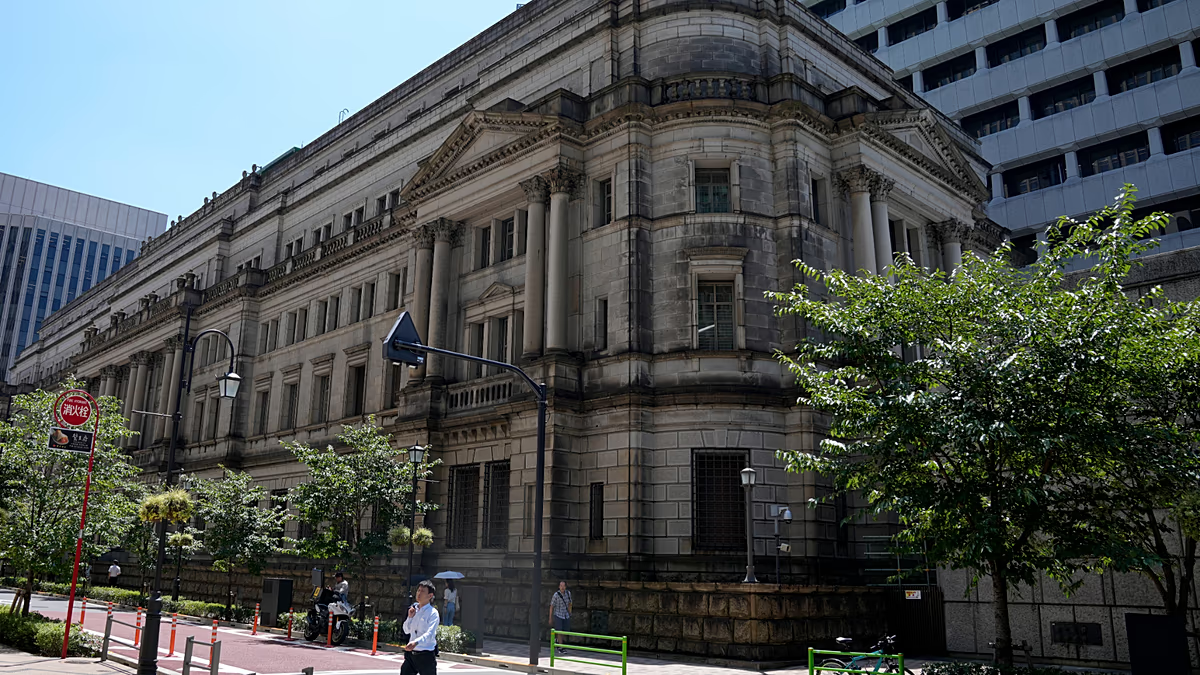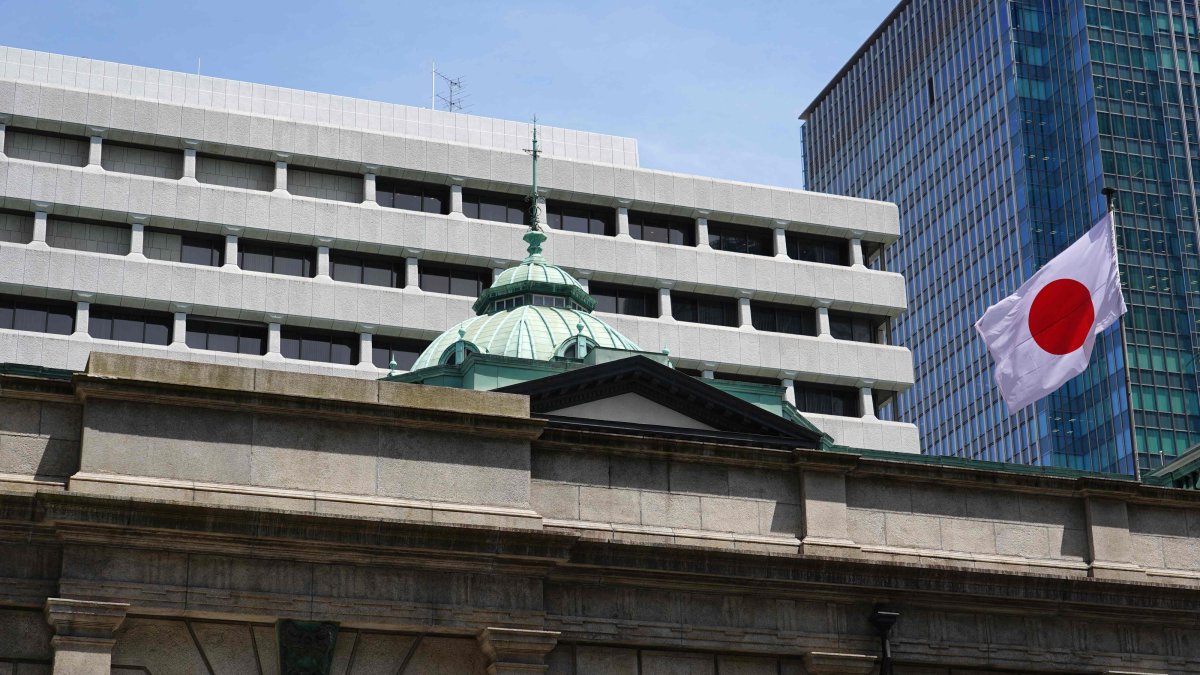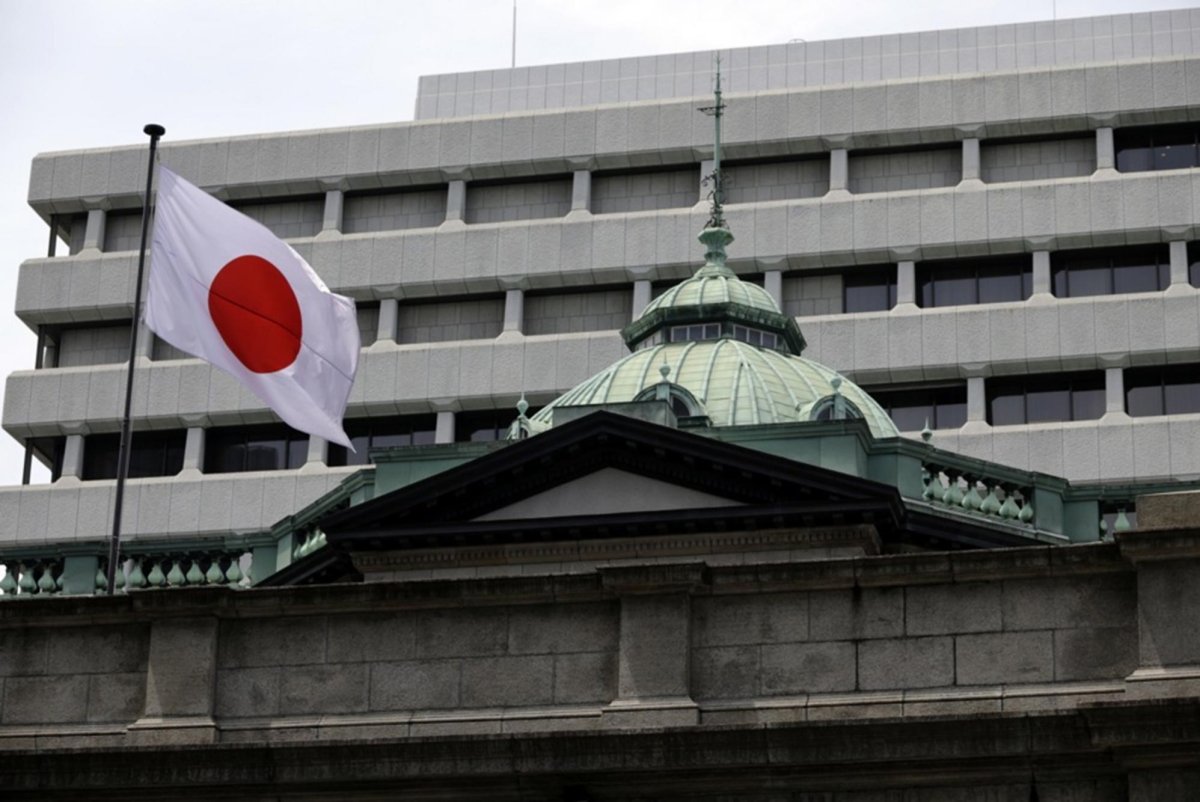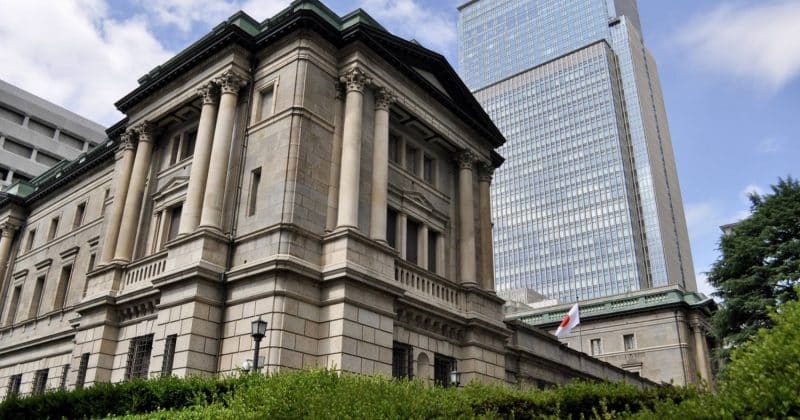
The Bank of Japan raised its key short-term policy rate by 25 basis points to 1% on June 16, 2026, pushing borrowing costs to their highest level since September 1995.
Despite the BOJ finally wielding the kind of hawkish policy tool that would normally strengthen a currency, the yen continued to slump against the US dollar.
What happened in the room
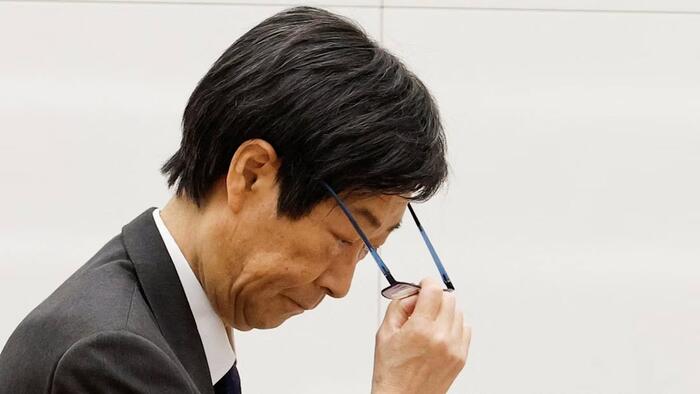
The BOJ’s policy board approved the increase in a 7-1 vote, with one dissenter flagging concerns about downside economic risks. Governor Kazuo Ueda was notably absent from the meeting due to medical reasons.
The rate hike, moving from 0.75% to 1%, represents the BOJ’s first increase since December 2025. The catalyst this time was persistent inflation, driven primarily by elevated energy costs. Regional tensions in the Middle East have kept oil prices uncomfortably high, feeding through to consumer prices.