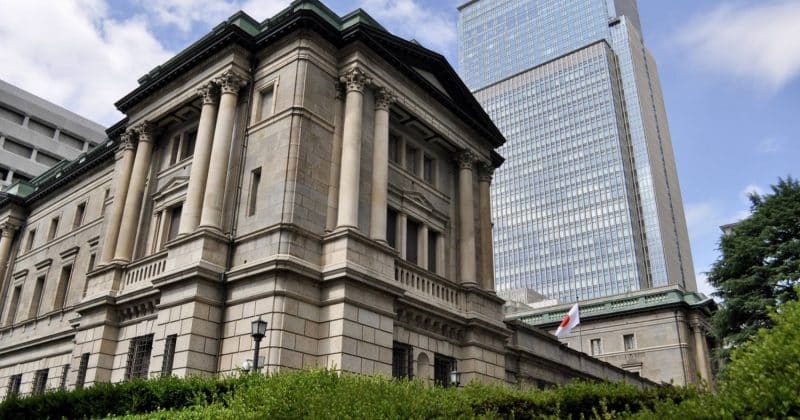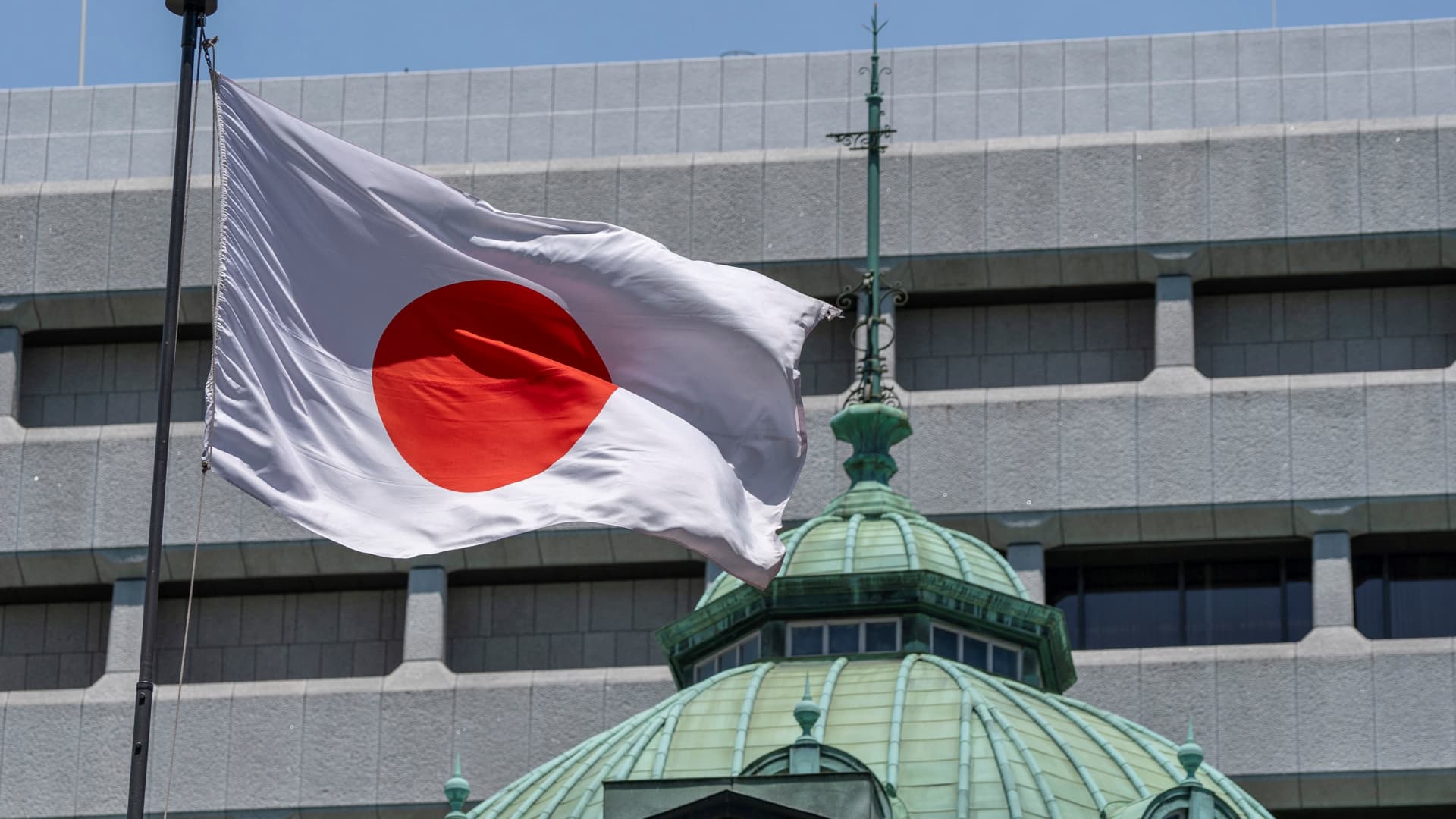
The Bank of Japan raised its benchmark interest rate to 1.0% on June 16, 2026, the highest level since September 1995. The 25 basis point increase, the first since December 2025, was supposed to signal resolve. Instead, the yen continued trading at or above 160 per US dollar into early July 2026.
Before this hike, the BOJ had raised rates to 0.75% in December 2025. The US Federal Reserve’s rates sit significantly higher, making dollar-denominated assets far more attractive to yield-seeking capital.
Japan also tried the direct approach. The BOJ intervened in foreign exchange markets, spending roughly $73 billion, or 11.7 trillion yen, between April and May 2026. The yen briefly recovered after each intervention and then resumed its slide.
Energy costs have surged, driven largely by the ongoing conflict in Iran, which has disrupted regional supply chains and kept commodity prices elevated. Import-dependent Japan pays for energy in dollars, so a weaker yen means more expensive imports, which feeds more inflation, which erodes purchasing power further.
What the experts are saying