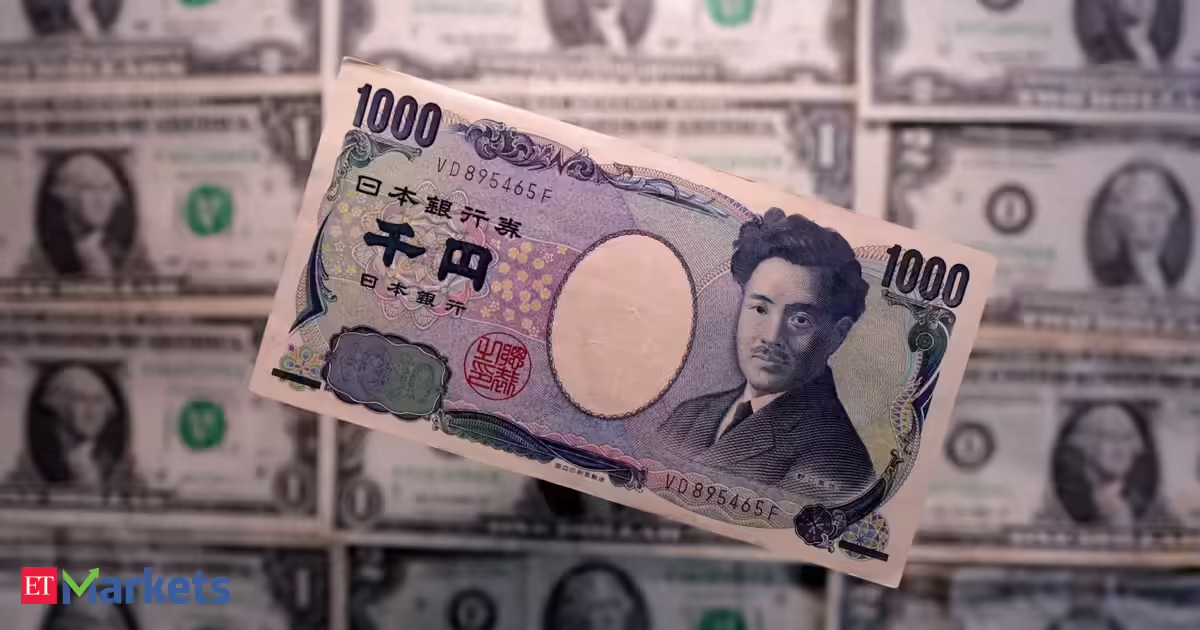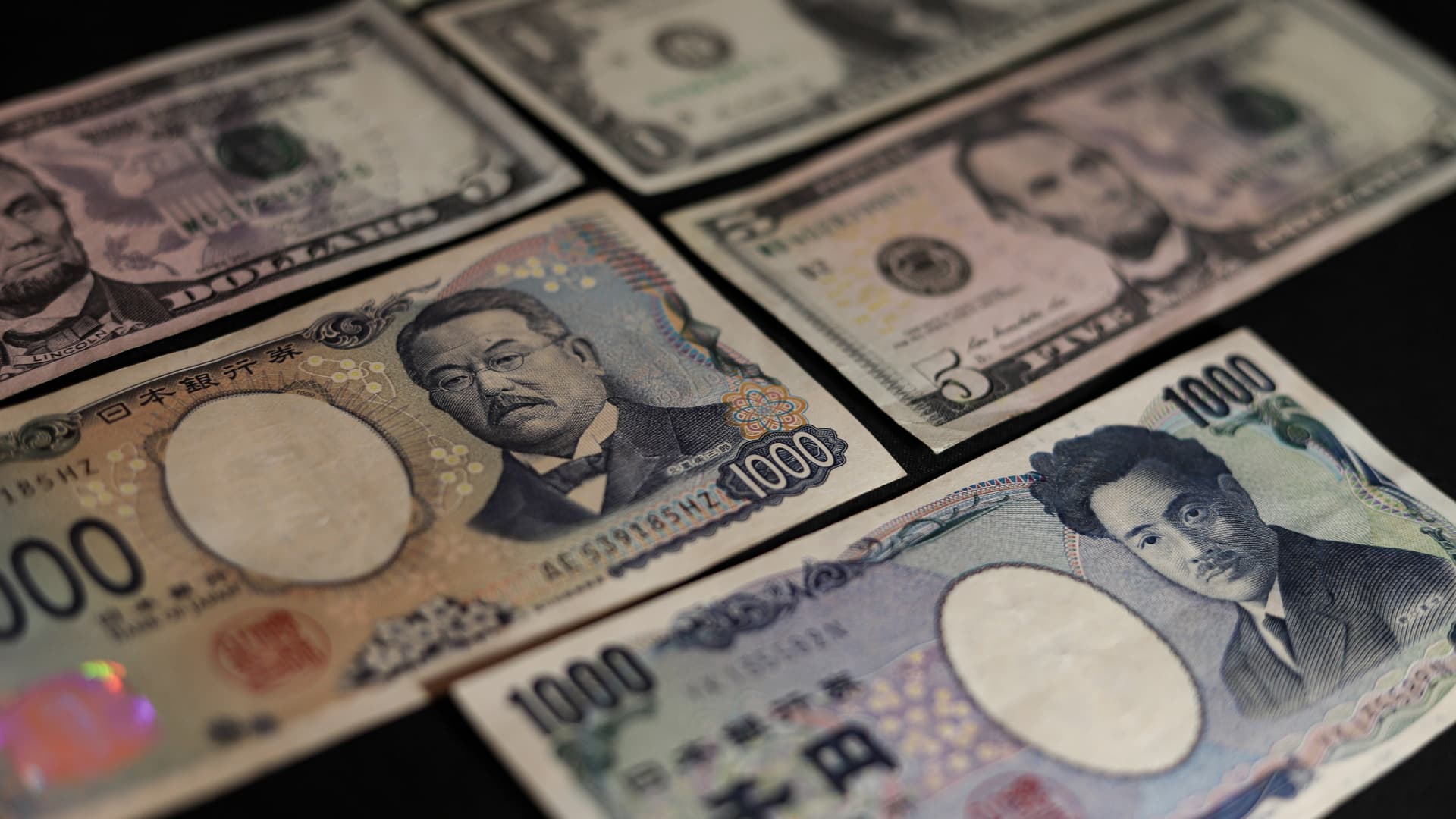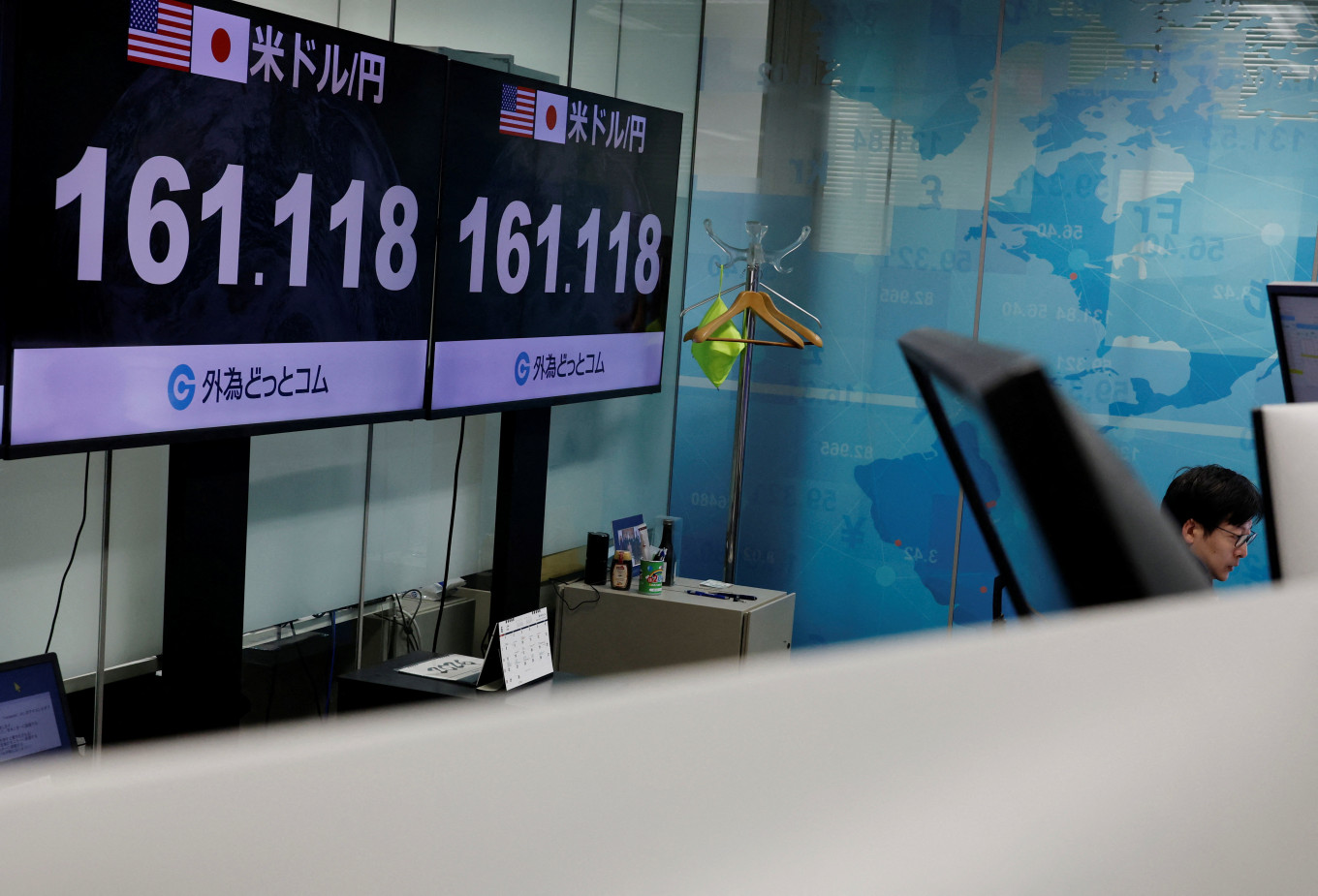
The Japanese yen has been having a rough year. With the currency weakening to the 160-per-dollar level in early June 2026, the Bank of Japan raised its benchmark interest rate to 1%, up from 0.75%, marking the highest rate in 31 years.
The move, executed on June 16, represents a significant escalation in a normalization process that began back in 2024.
Why the yen keeps sliding
Back in January 2026, the currency was already hitting multi-month lows around 159 per dollar. The situation has only deteriorated since.
The primary culprits are familiar ones: soaring energy costs and geopolitical tensions, particularly in the Gulf region, that have inadvertently strengthened the dollar. Japan imports the vast majority of its energy, which means every spike in oil prices acts like a tax on the entire economy. When those costs rise while the yen falls, you get a nasty feedback loop of imported inflation.