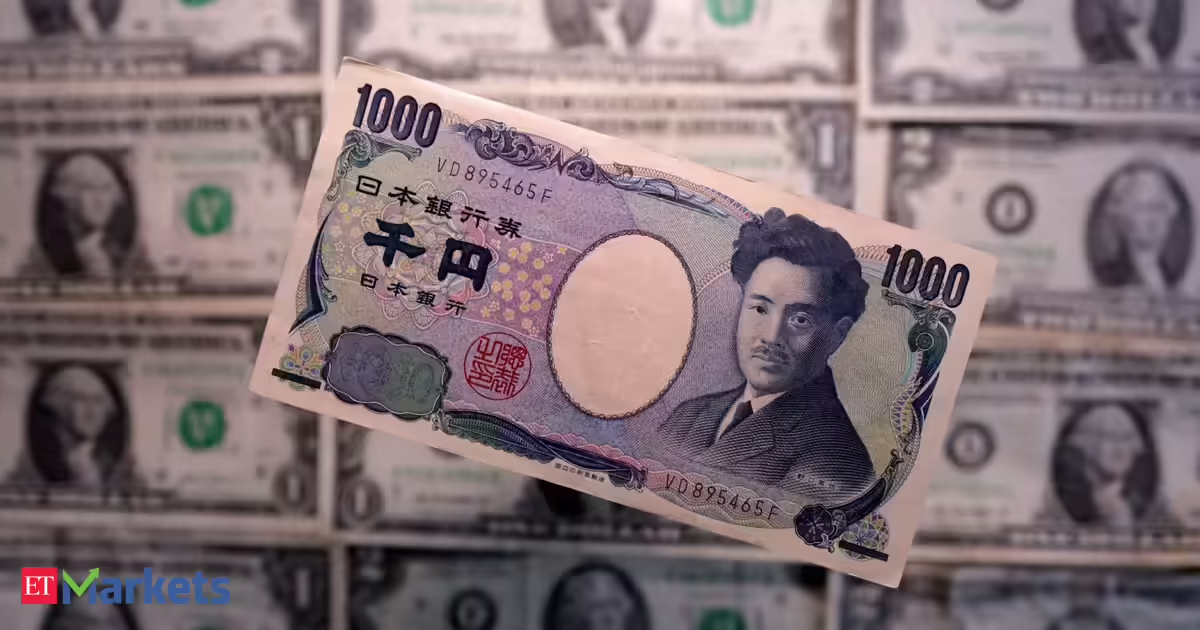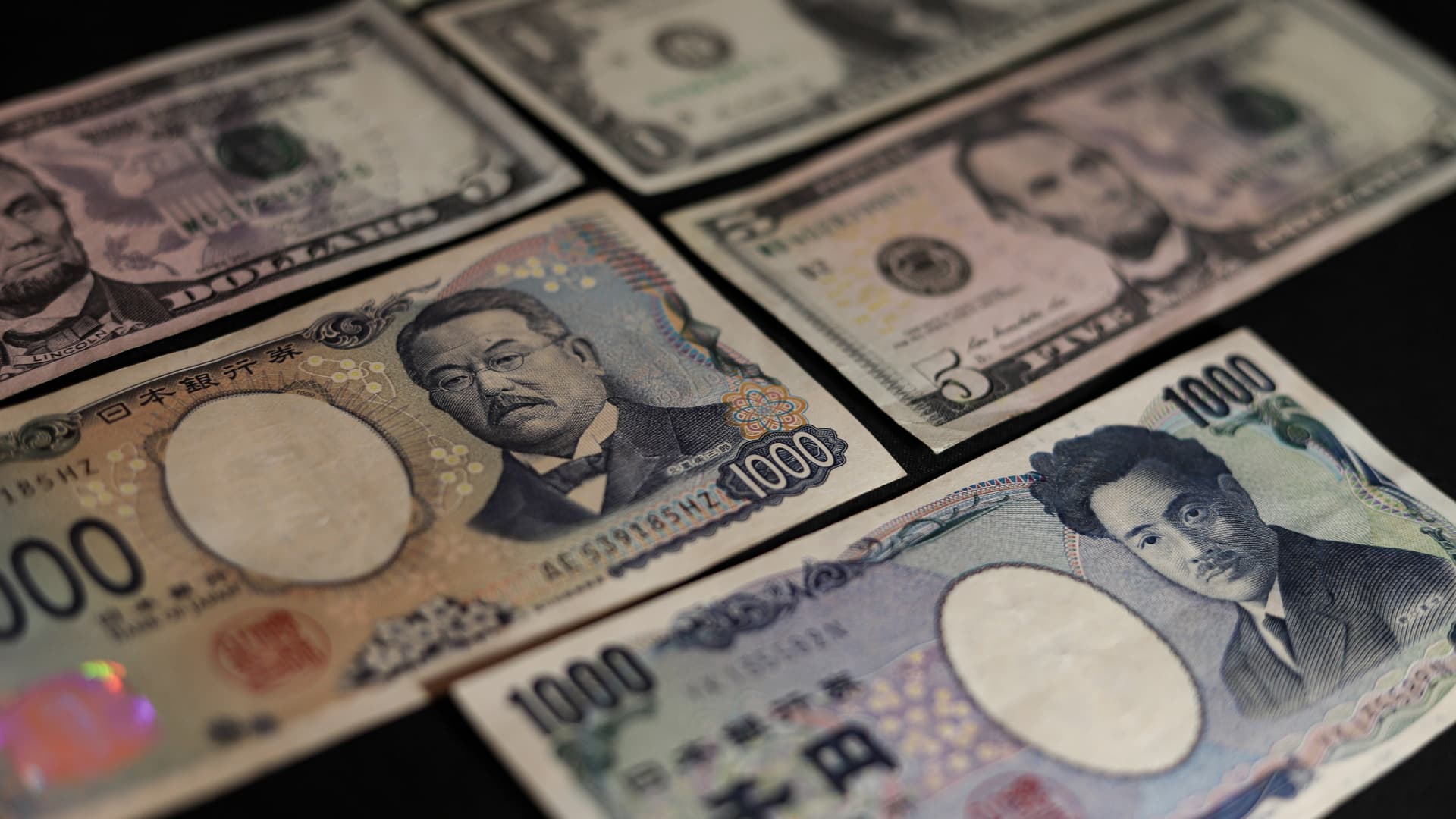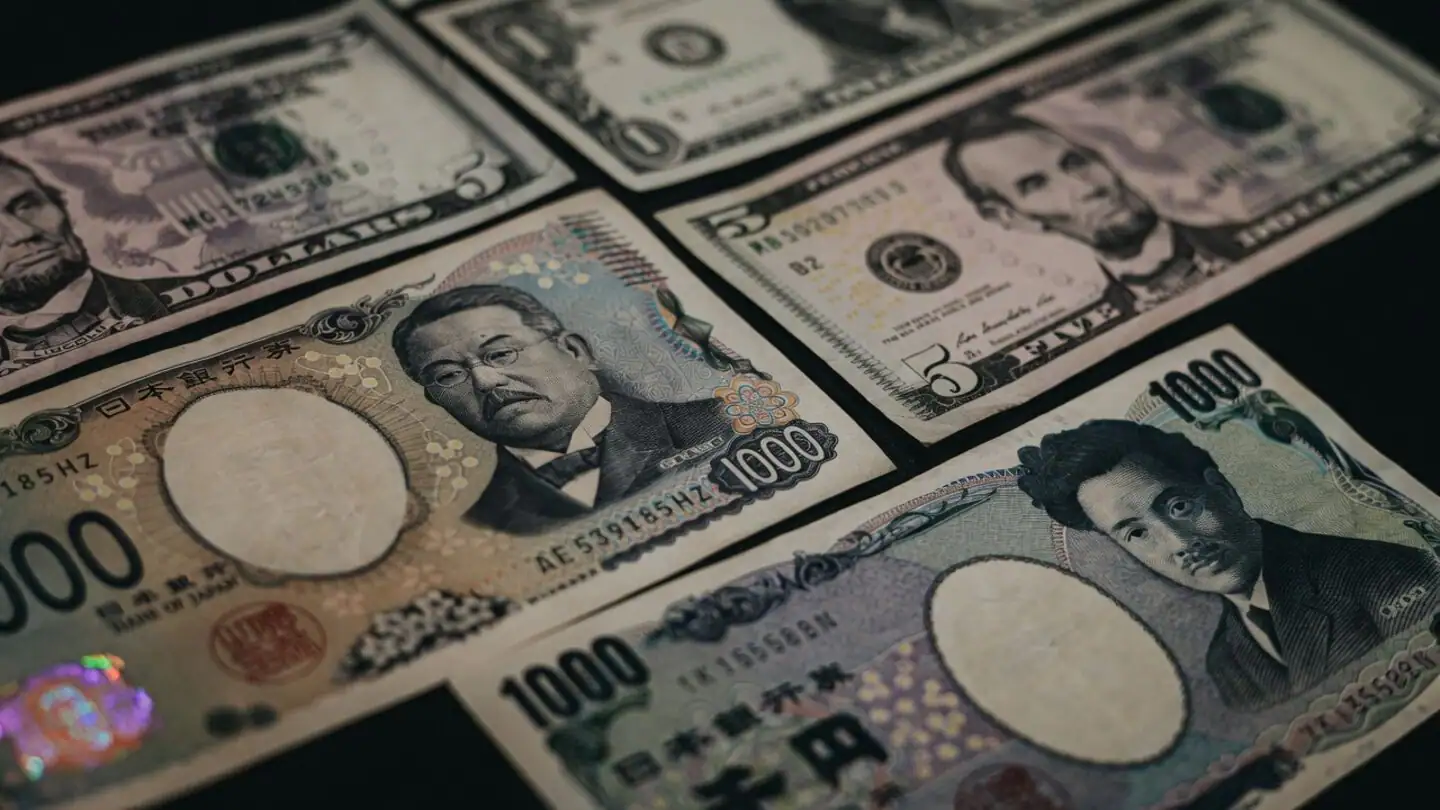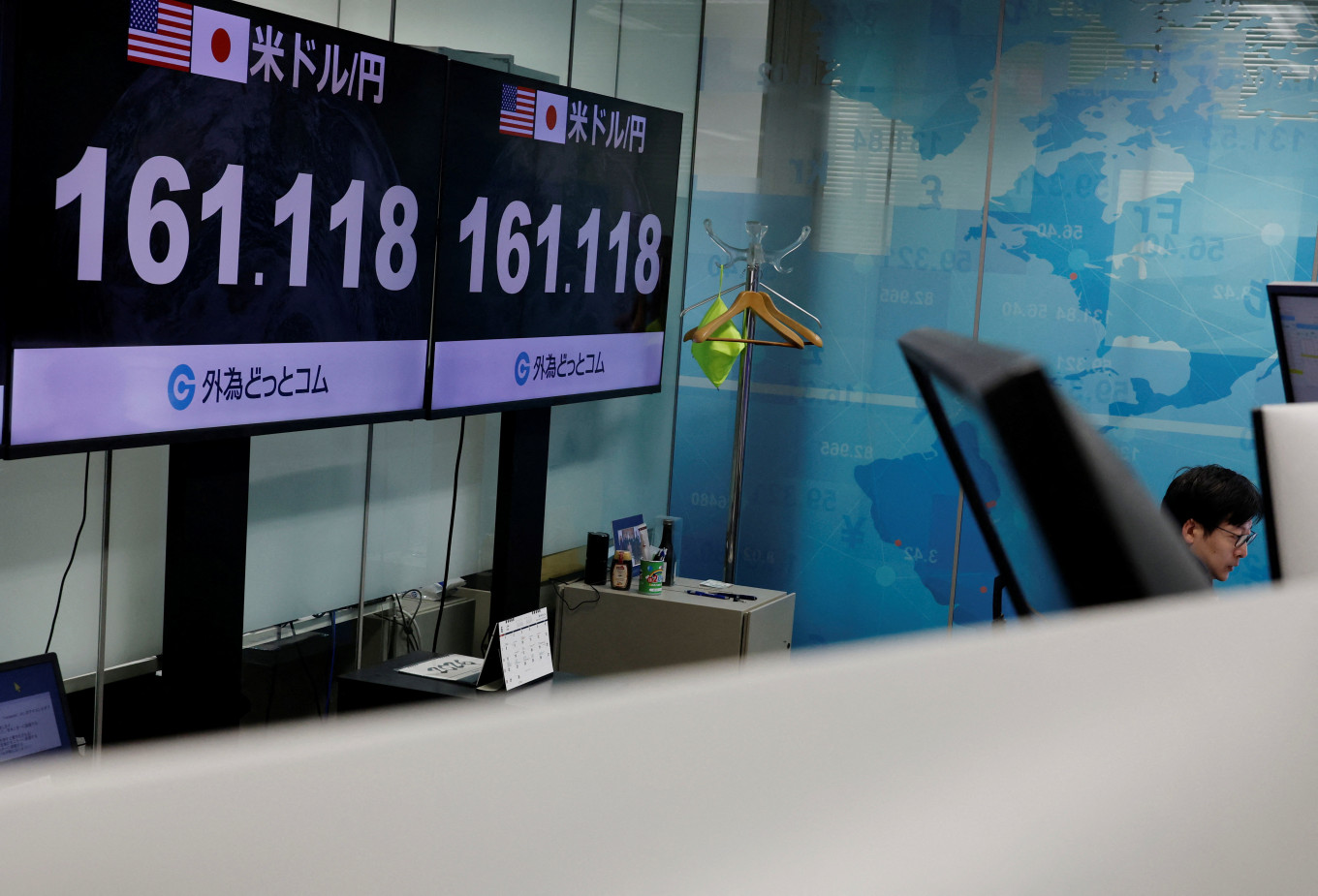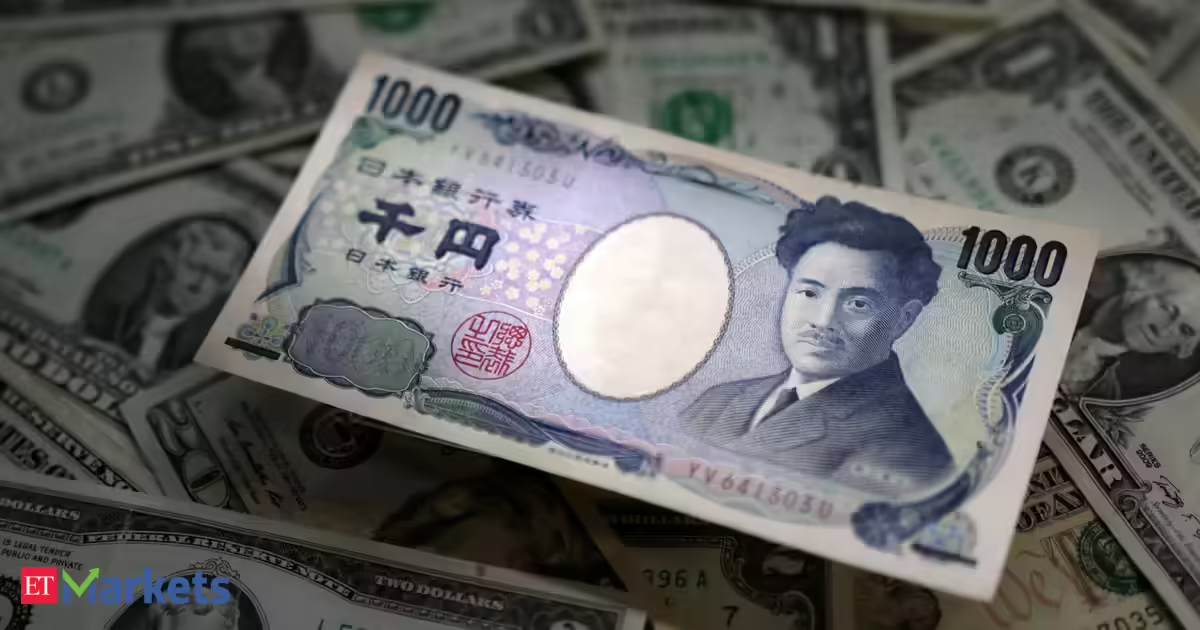
The Japanese yen is trading around 161.4 to 161.5 per US dollar, dangerously close to the 40-year low of 161.96 last touched in July 2024. The Bank of Japan raised its policy rate to 1.0% on June 16, the highest level since 1995. It deployed a record 11.7 trillion yen, roughly $73 billion, in currency interventions across April and May alone. And the yen barely flinched.
The $73 billion spent on interventions from April to May 2026 represents the largest monthly total on record. The BOJ’s quarter-point rate hike to 1.0% was supposed to complement those interventions. In theory, higher Japanese interest rates should make the yen more attractive to hold, narrowing the gap with US rates and drawing capital back to Tokyo. Federal Reserve policy continues to keep US rates elevated, and geopolitical developments, particularly surrounding US-Iran tensions, have reinforced the dollar’s status as the world’s preferred safe-haven currency. Japanese Finance Minister Satsuki Katayama has publicly warned that officials are prepared to intervene again if the USD/JPY pair crosses the 161.96 threshold.
The carry trade powder keg
Speculative short positions on the yen have hit nine-year highs ahead of the June BOJ meeting. Traders have been borrowing cheap yen to fund investments in higher-yielding assets. Even at 1.0%, Japan’s rates remain far below those in the US, making the trade still viable. A sudden yen reversal triggered by intervention, a geopolitical shift, or a change in sentiment could force a rapid unwinding of these positions.