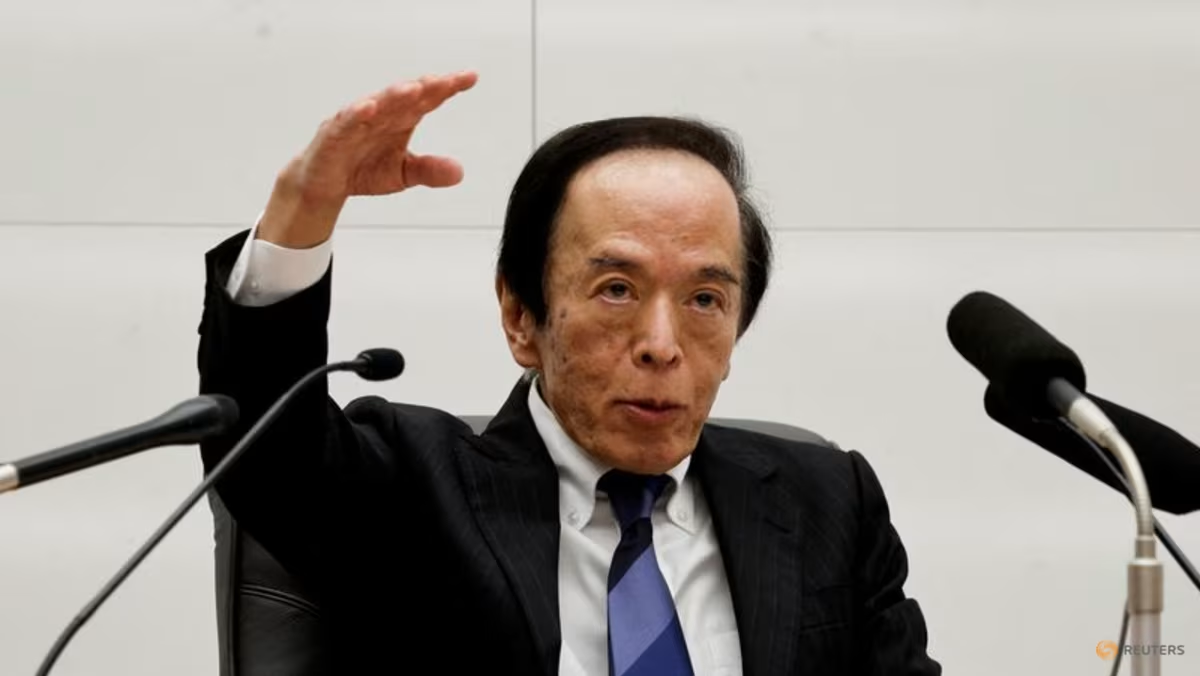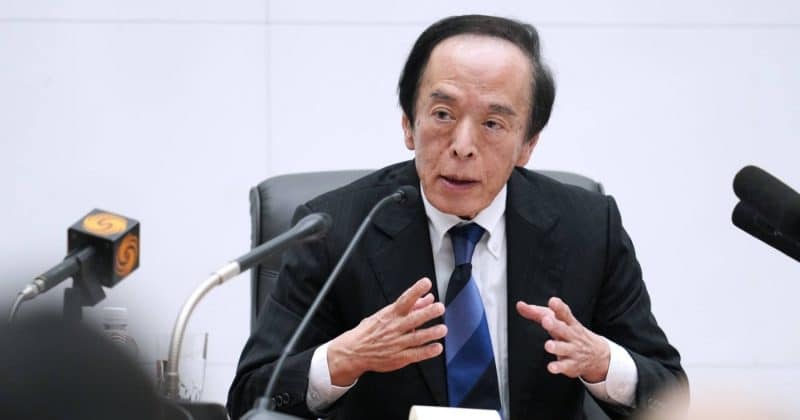
Bank of Japan Governor Kazuo Ueda just told markets what they’ve been waiting to hear. In a speech on June 3, Ueda shifted his tone decisively toward fighting inflation, pointing to energy price shocks tied to Middle East tensions as a primary concern that demands tighter monetary policy.
The implication is hard to miss: a rate hike is almost certainly coming at the BOJ’s June 15-16 policy meeting. Markets are pricing in an 80-97% probability of a 25 basis point increase, which would lift Japan’s policy rate from 0.75% to 1%. That might sound modest by global standards, but for Japan, it would be the highest interest rate since 1995.
A central bank finding its hawkish voice
At the BOJ’s previous meeting on April 28, the board voted 6-3 to hold rates steady. Three members wanted to hike right then and there. That kind of dissent is meaningful at a central bank that historically prizes consensus.
What’s changed since April is the inflation picture. The BOJ has raised its core inflation forecast to 2.8% for fiscal year 2026. For context, the BOJ’s target is 2%. Running nearly a full percentage point above target is the kind of overshoot that makes central bankers nervous, especially when the source of price pressure is energy costs that could persist or worsen depending on geopolitical developments.