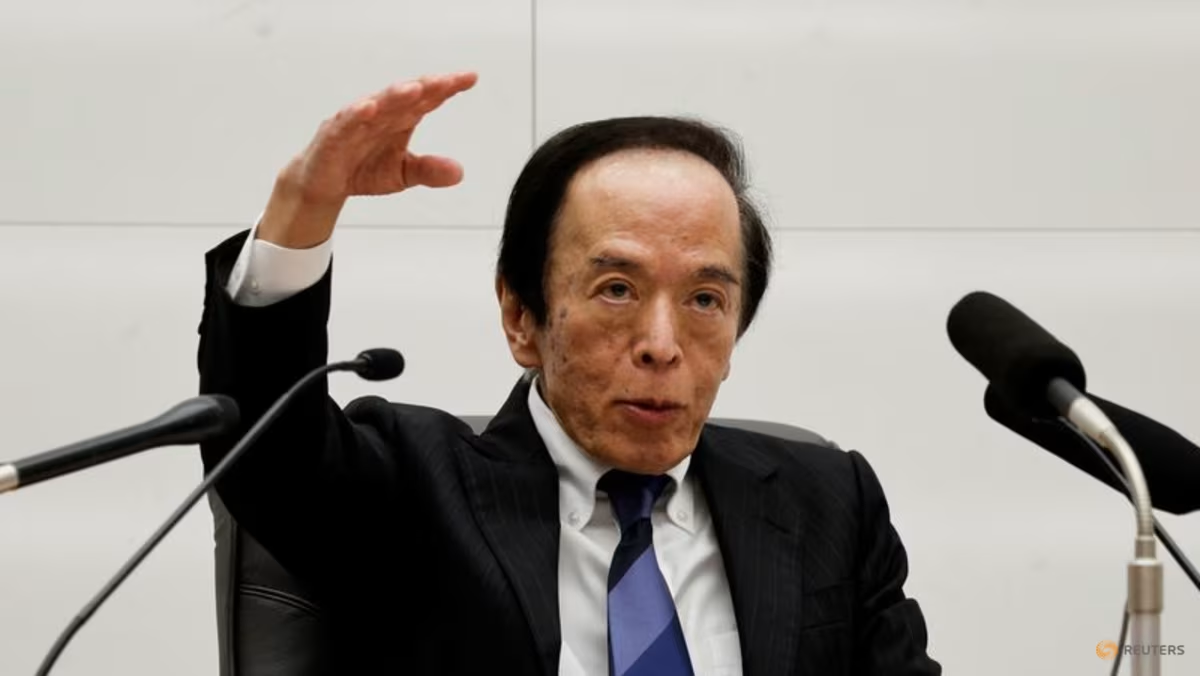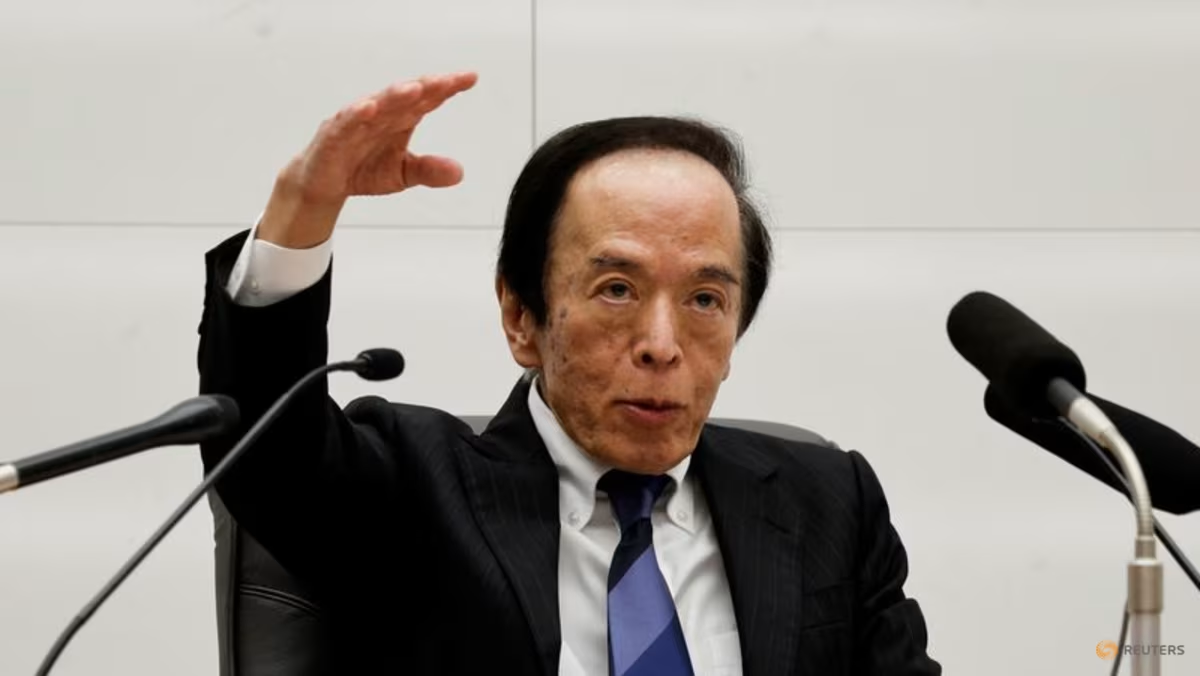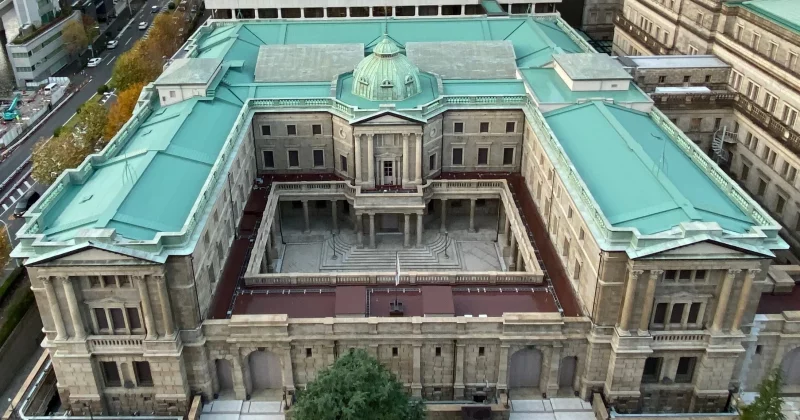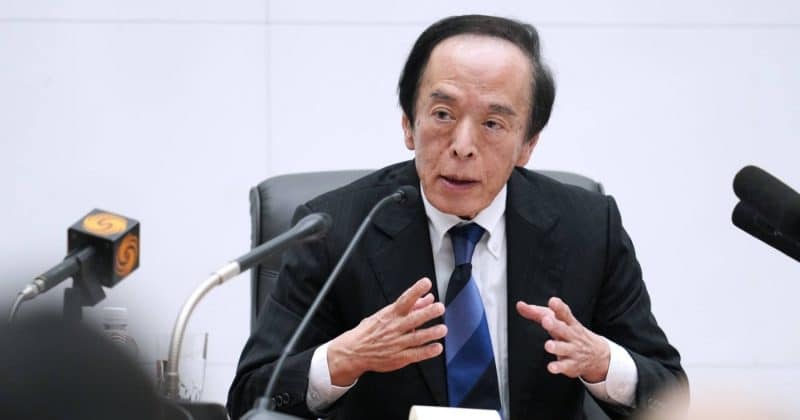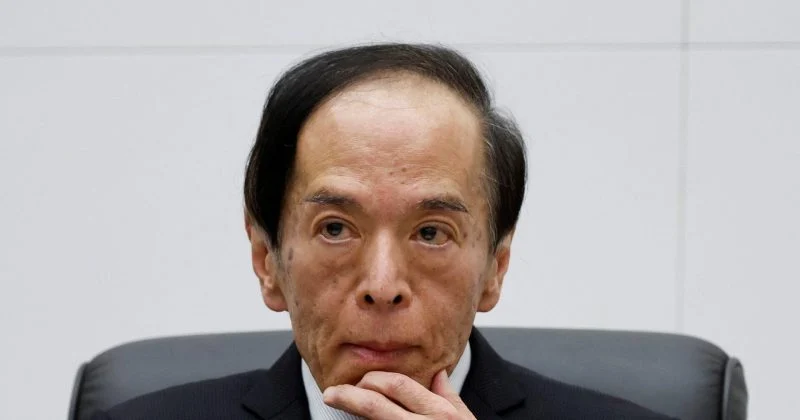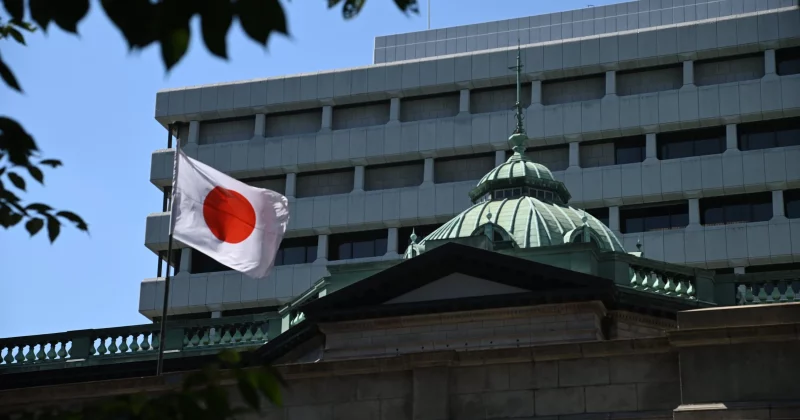
Bank of Japan Governor Kazuo Ueda just reminded everyone that oil prices remain one of the most unpredictable forces in global economics. During the BOJ’s April 28 policy meeting, Ueda flagged the risk that surging crude prices, driven by escalating Middle East tensions, could simultaneously drag on economic growth and push inflation higher.
What the BOJ actually did
The central bank kept its benchmark interest rate at roughly 0.75% for the third consecutive meeting. The BOJ also lifted its FY2026 core inflation forecast to 2.8%, a meaningful jump largely attributed to oil price volatility.
Ueda warned that higher crude prices could encourage companies to pass costs along to consumers more aggressively. When businesses start raising prices because their input costs are climbing, and consumers start expecting those higher prices to stick, you get what economists call second-round inflation effects. That’s the scenario the BOJ is now watching closely.
The June decision looms large