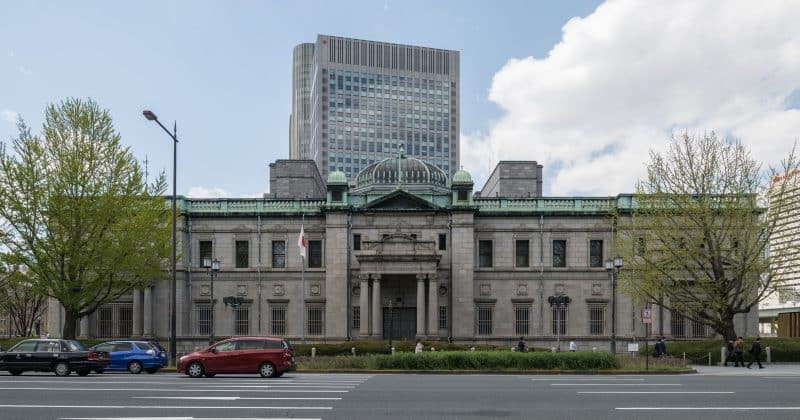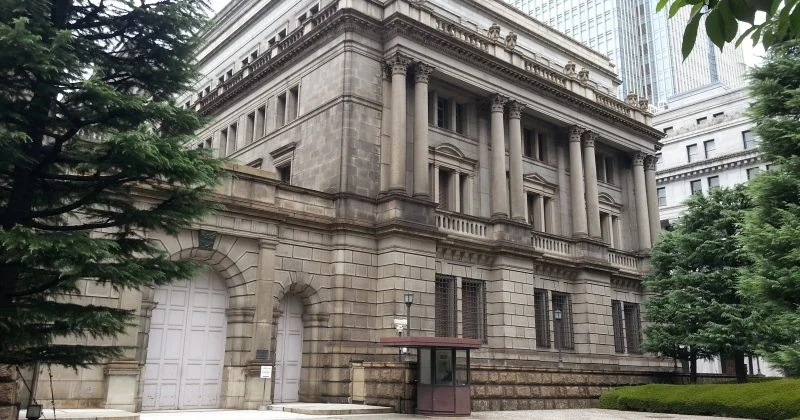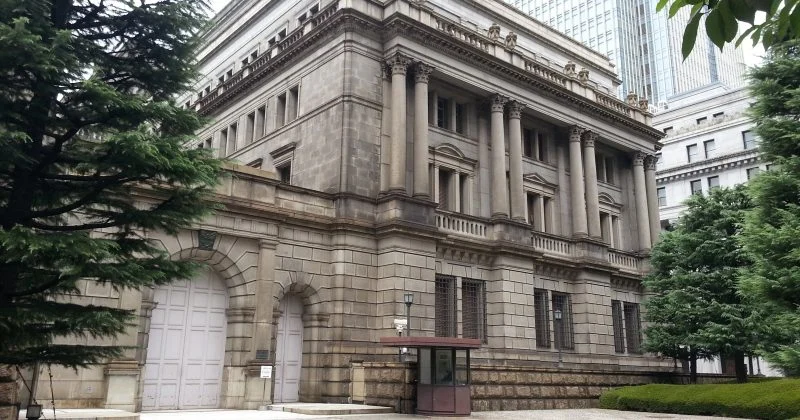
The Bank of Japan just hiked its key policy rate to 1% for the first time since 1995. And almost immediately, the question shifted from “how high?” to “how much longer can this last?”
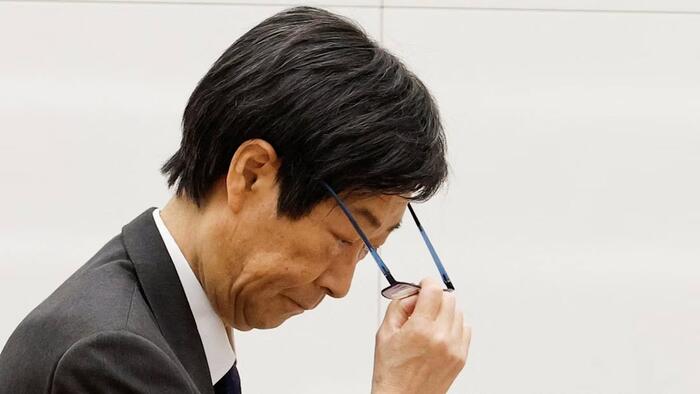
On June 16, 2026, the BOJ’s policy board voted 7-1 to raise rates to that symbolic threshold. The lone dissenter was Toichiro Asada, one of Prime Minister Sanae Takaichi’s recent appointees, whose “no” vote was less a surprise and more a preview of what’s coming.
A board reshaped in Takaichi’s image
Takaichi’s appointees to the BOJ board, including Asada and Ayano Sato, are both aligned with dovish policy preferences. Hawkish board members Naoki Tamura and Hajime Takata see their terms expire in July 2027. When they leave, Takaichi gets to fill those seats too. Within roughly a year, the prime minister could have a majority of the board stacked with members sympathetic to keeping rates lower for longer.
Governor Kazuo Ueda, currently hospitalized, has reaffirmed the BOJ’s commitment to addressing inflation risks.