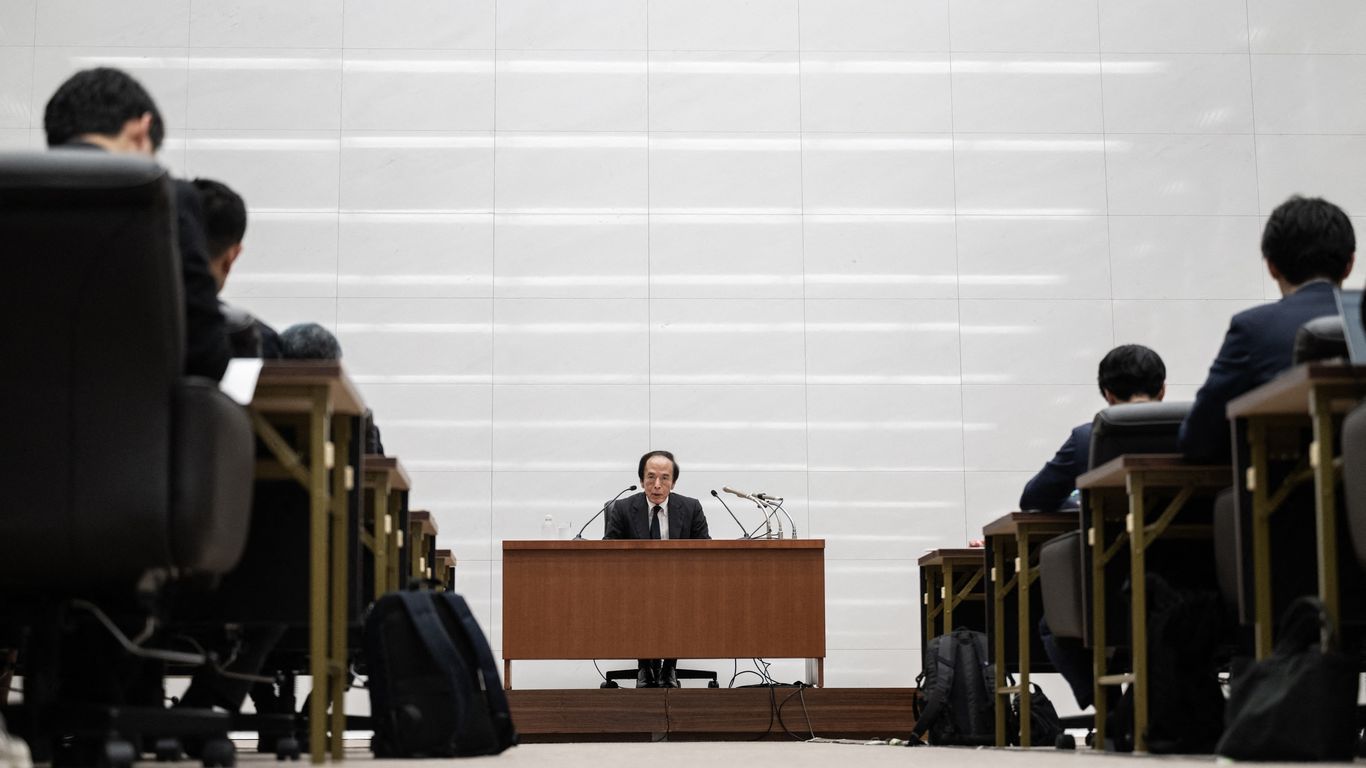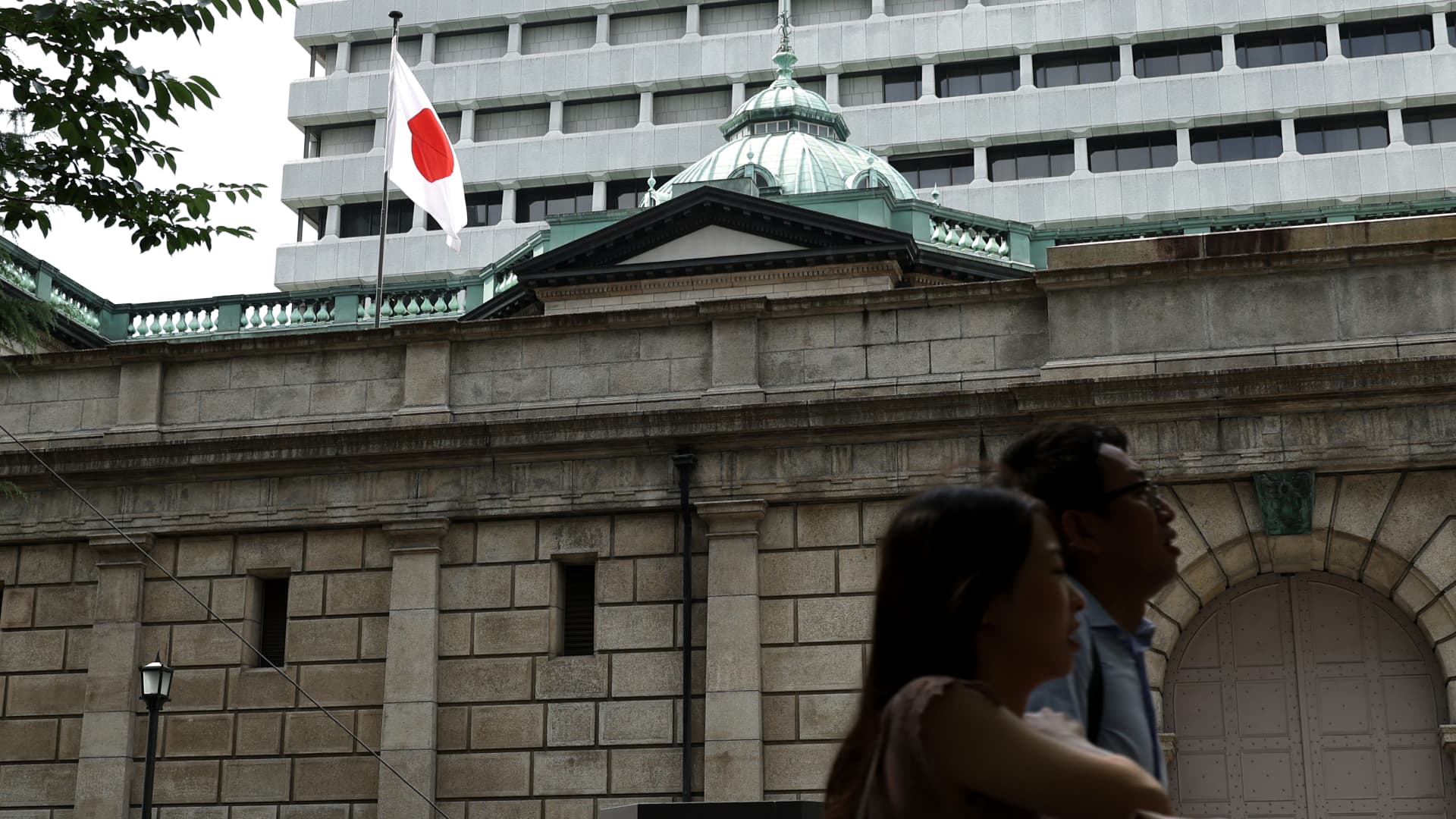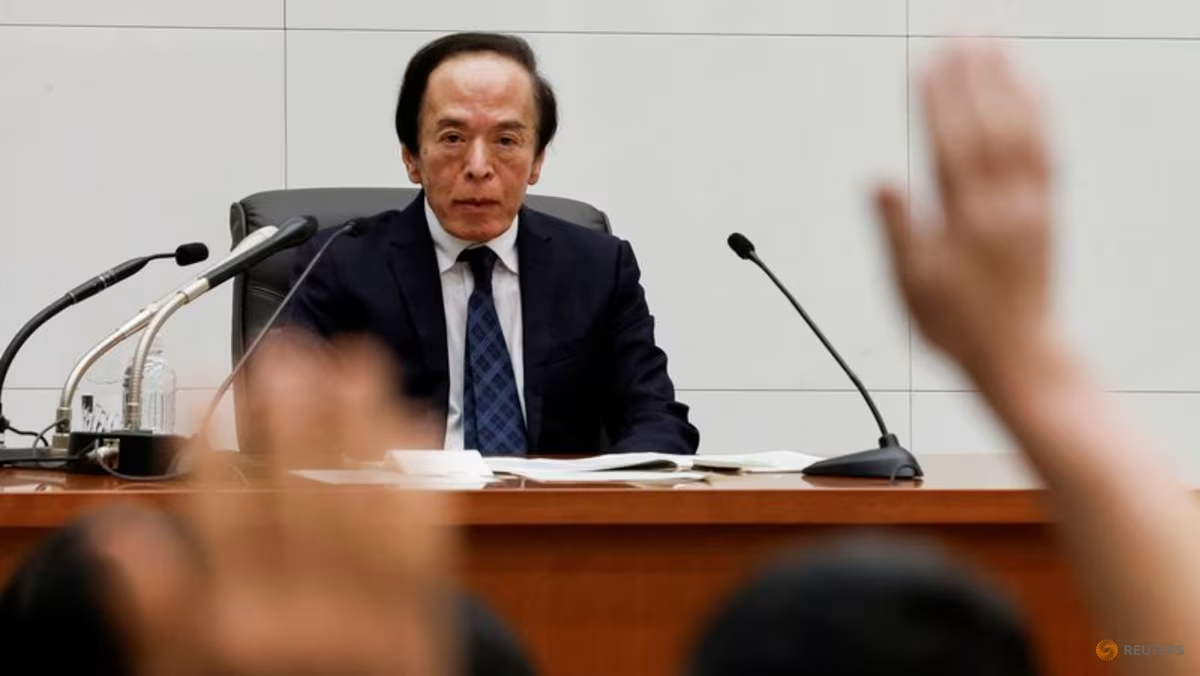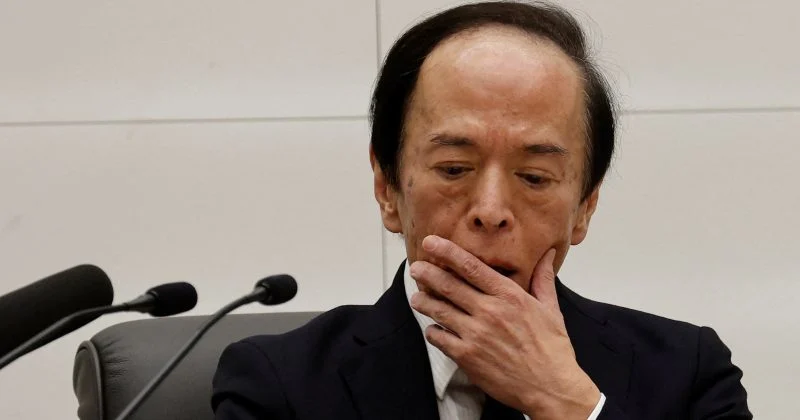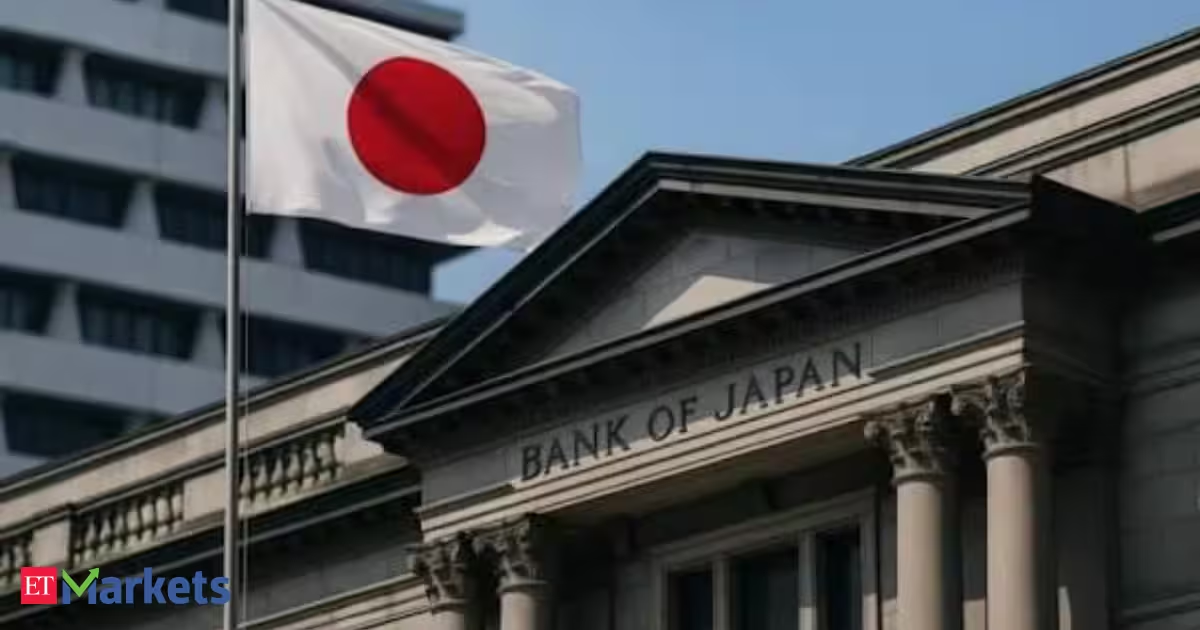
The Bank of Japan held its policy interest rates steady on July 31, but Governor Kazuo Ueda managed to move the yen anyway. His post-decision press conference carried enough hawkish undertones to push the Japanese currency below ¥159 per US dollar.
The governor’s most notable remark centered on currency-driven inflation. He stated that the impact of currency volatility on inflation “may be becoming bigger than in the past.” Ueda went further, indicating that risks now lean toward inflation overshooting the BOJ’s 2% target rather than falling short. He also floated the possibility of speeding up the pace of interest rate hikes if conditions warrant it.
He didn’t comment directly on the yen’s valuation. He didn’t provide specific guidance on the timing or magnitude of future rate moves.
Perhaps the most telling detail from the meeting wasn’t what Ueda said. It was what board member Hajime Takata did. Takata dissented from the hold decision, calling for an immediate rate hike to 1.25%.
Dissents at the BOJ are not casual affairs. Japan’s central bank has historically operated by consensus, and a named dissent pushing for a specific higher rate signals genuine internal pressure to tighten policy more aggressively. For context, the BOJ only exited negative interest rates in March 2024 after years of ultra-loose monetary policy.