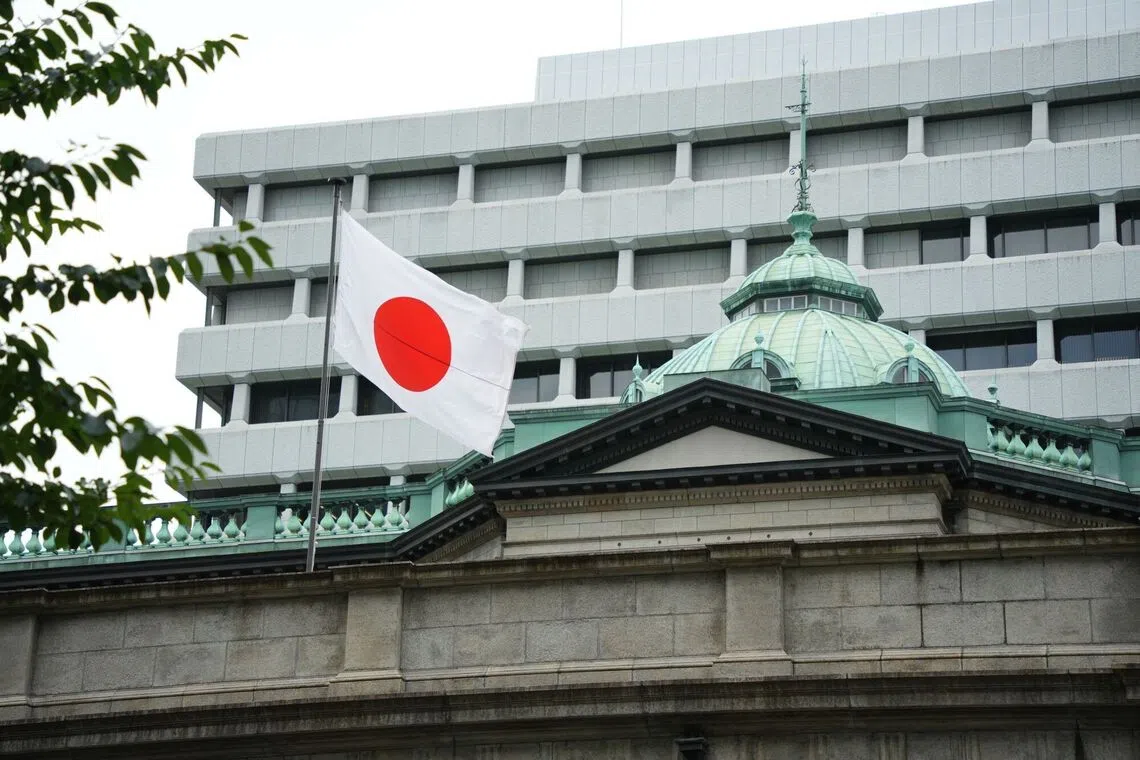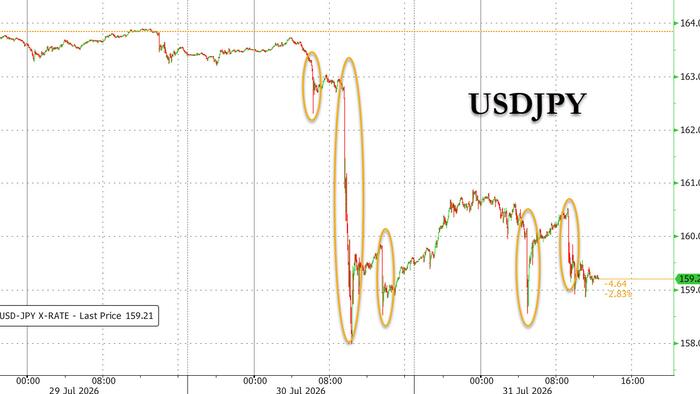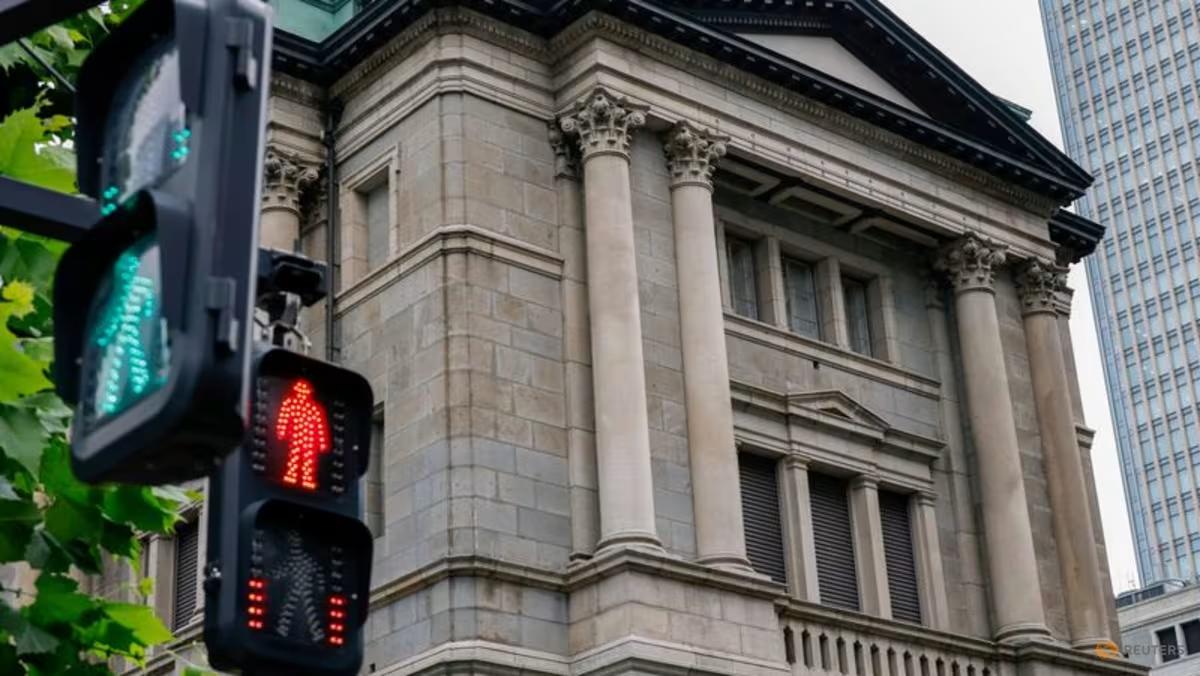
TOKYO, July 31 : The Bank of Japan is set to keep interest rates steady on Friday but signal its resolve to continue pushing up borrowing costs, after the government intervened to boost the weak yen, keeping pressure on the central bank to show its hawkishness.Japan conducted yen-buying, dollar-selling market intervention in New York markets on Thursday, a market source said, pulling the sagging currency from four-decade lows, hours before the BOJ concludes a two-day policy meeting.Having just raised rates in June, the BOJ is widely expected to keep short-term interest rates steady at 1 per cent. Hawkish board member Hajime Takata may dissent and propose a hike to 1.25 per cent, some analysts say.The BOJ meeting follows that of the U.S. Federal Reserve on Wednesday, at which the board kept interest rates steady but with three dissenters calling for a quarter-percentage-point hike.
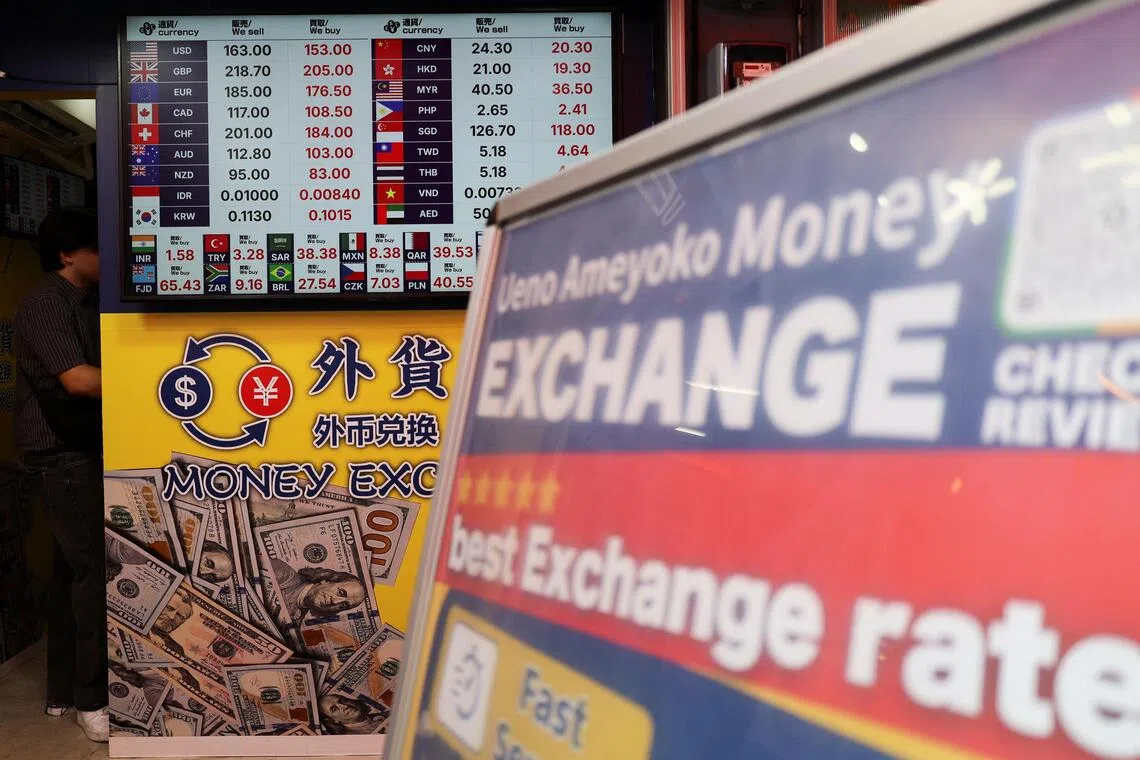
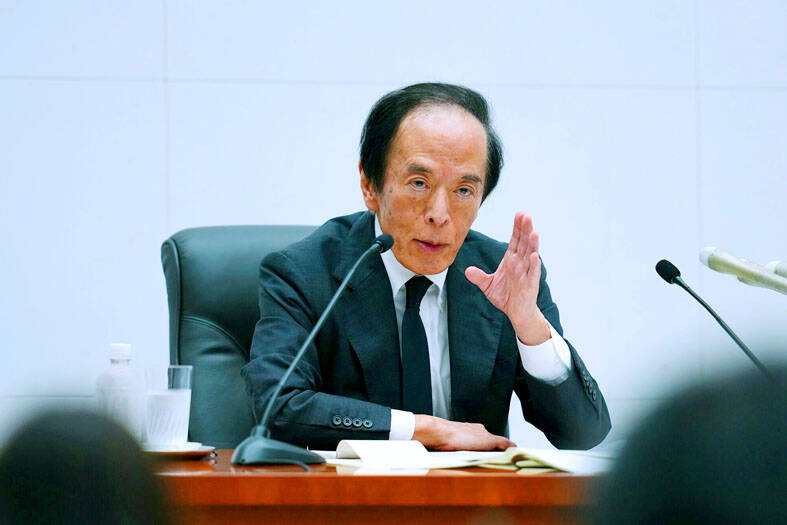
Markets are focusing on the BOJ's quarterly outlook report and Governor Kazuo Ueda's post-meeting news briefing for clues on how soon it could raise still-low borrowing costs.In the report, the board is seen revising up its growth forecast for fiscal 2026 on receding fears of a severe hit from the Middle East conflict, sources have told Reuters.The board is also likely to cut its inflation forecast due to the effect of subsidies and a drop in oil costs from levels seen in April, they said, though jittery oil markets and rising import costs from a weak yen may keep any downgrade small."Although inflation forecasts may be revised lower, stronger growth would reinforce confidence that the economy can withstand further policy normalisation," said Kei Fujimoto, senior economist at SuMi Trust."My baseline scenario remains that the BOJ raises rates roughly once every six months. However, given the improving growth backdrop, together with accelerating import-price inflation, the possibility of a faster pace of tightening cannot be ruled out," he said.WEAK-YEN RISKThe BOJ raised rates to a 31-year high in June and signaled its readiness to tighten further as it focuses on taming price pressures from the energy shock. Most analysts polled by Reuters expect the BOJ to raise rates again to 1.25 per cent by year-end.The slow pace of rate hikes has been blamed for pushing the yen to a 40-year low, leading to rising import costs that hurt households and retailers.Ueda will face the challenge of talking down the yen bears through hawkish communication particularly with looming prospects of U.S. rate hikes weighing on the yen's value against the dollar, analysts say.But pressure from a dovish administration and the potential economic hit from a 7.1-magnitude earthquake in the southern prefecture of Kumamoto, home to plants of major manufacturers and chipmakers, may dampen the hawkish mood, some analysts say.Core consumer inflation hit 1.6 per cent in June, staying below the BOJ's 2 per cent target for a fifth straight month, suggesting that firms have yet to aggressively pass rising costs on to households. But analysts expect core inflation to climb back above 2 per cent later this year, as the recent surge in producer prices filters through to the broader economy.