HomeAI · summaries
Storia in 14 fonti
Microsoft's quantum computing technology called into question, again - The Economic Times
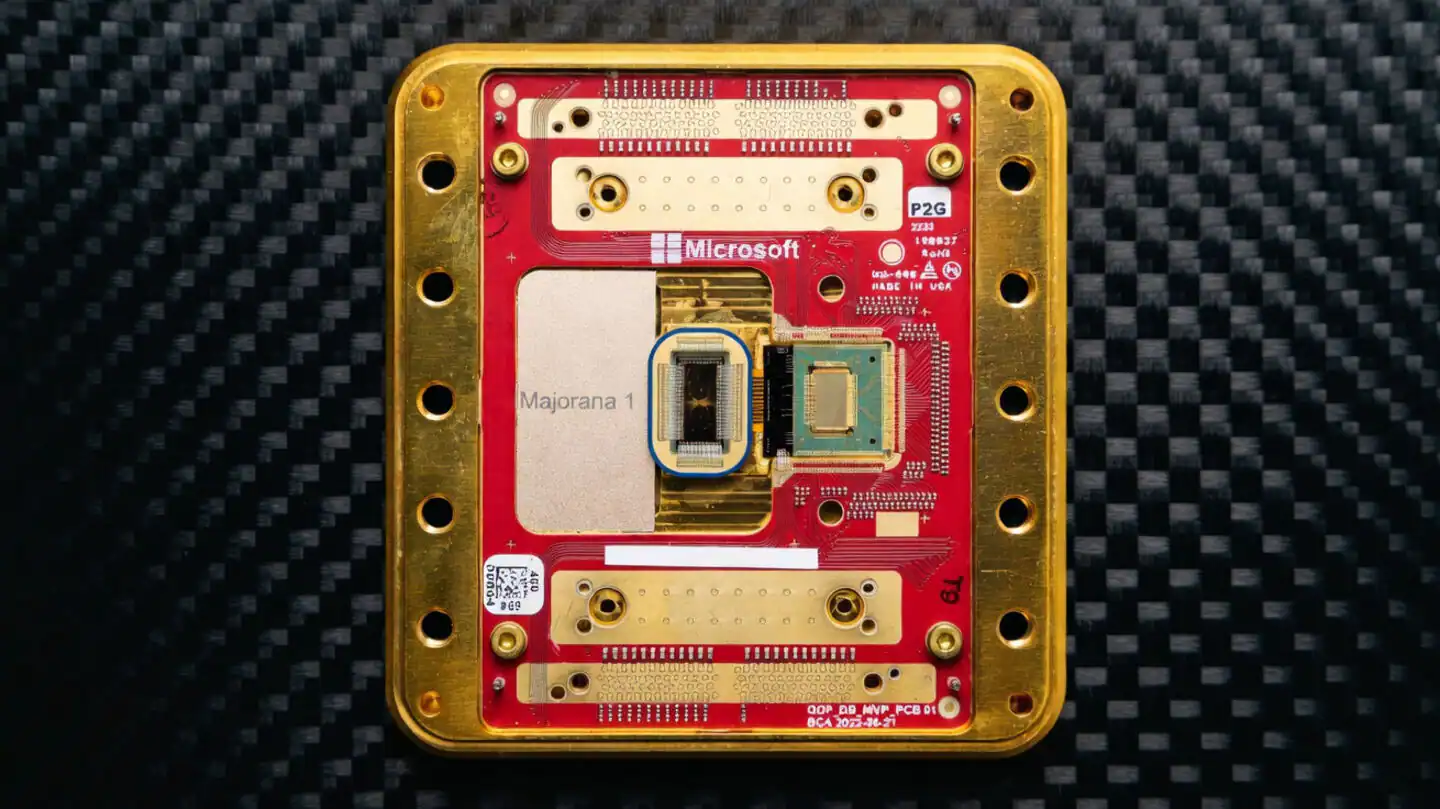
A new scientific critique in Nature casts doubt on Microsoft's quantum computing claims, potentially impacting its 2029 target. While rivals pursue established methods, Microsoft's long-term bet on a novel technology faces renewed skepticism. The company maintains its research is progressing practically, despite past retractions and current concerns over identifying a crucial subatomic particle and a minute gap in conductive wires.
Confronto fonti
6 prospettive sulla stessa storiaTimeline cronologica
- ·
scientificamerican.com
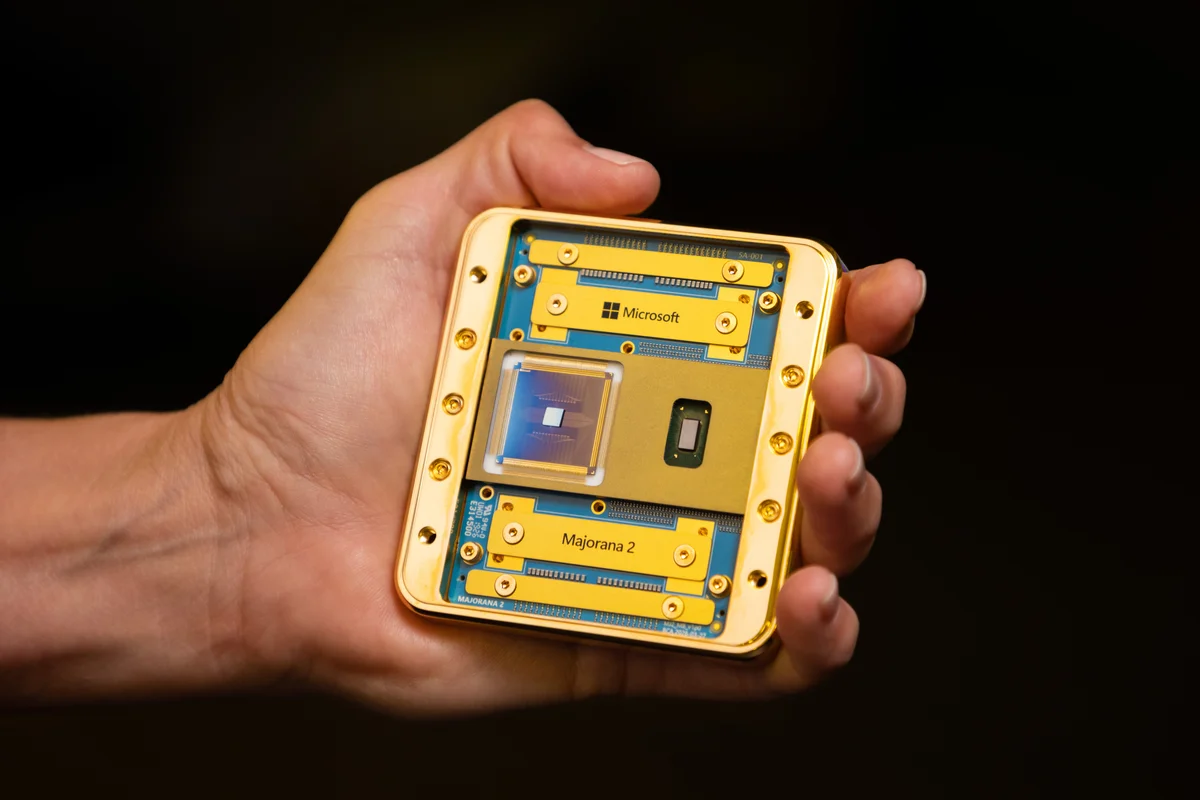
Top quantum computer expert claims Microsoft’s ‘topological qubit’ doesn’t hold up
The company has been touting its quantum technology for years, but some experts say these claims just don’t pass muster
- ·
theregister.com
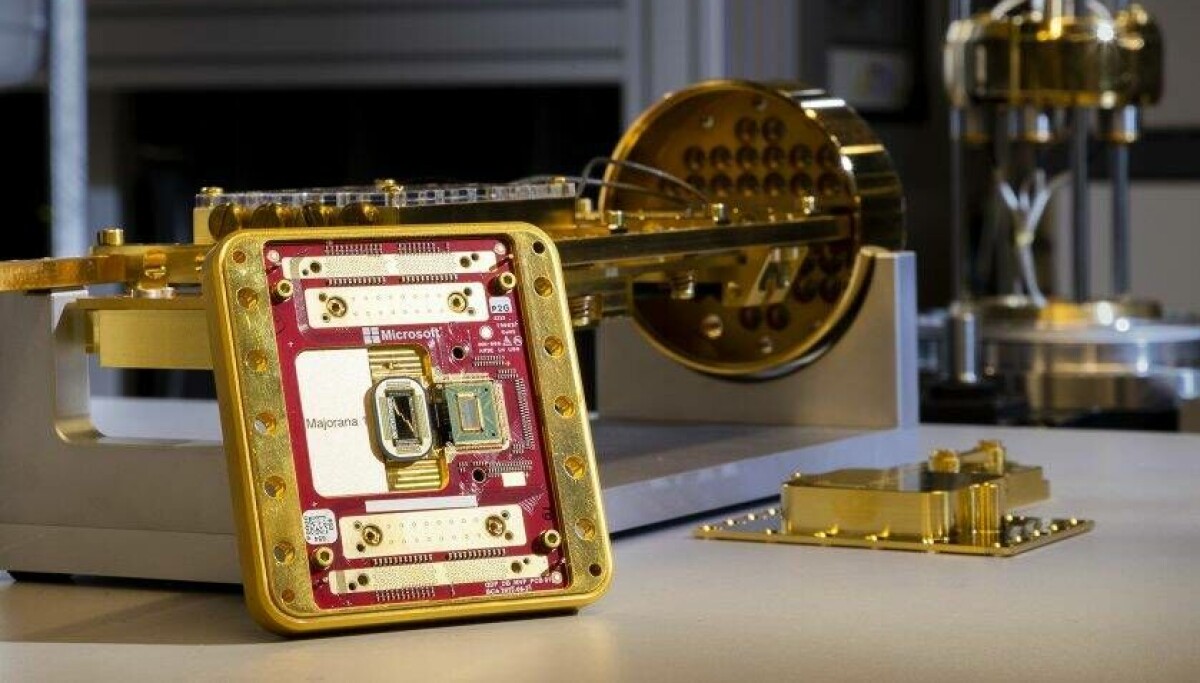
Boffin claims Microsoft's supposed quantum leap does not compute due to 'basic Python errors'
Nature paper argues researchers cherry-picked data. Redmond insists its work is sound